Aquaculture project tools
Instant, mobile-friendly calculators for fish and shrimp farm design, biology, water quality and project finance. Pair with our RFQ Builder and international financing network for a full pre-project package.
Writing about aquaculture or teaching it? The calculators' methods are open — see how to cite and link FishMatch calculators.
Top 10 tools for commercial project buyers
Planning estimates for projects heading to procurement (USD 250,000 and up). Results are not supplier quotes; send the RFQ when scope is ready.
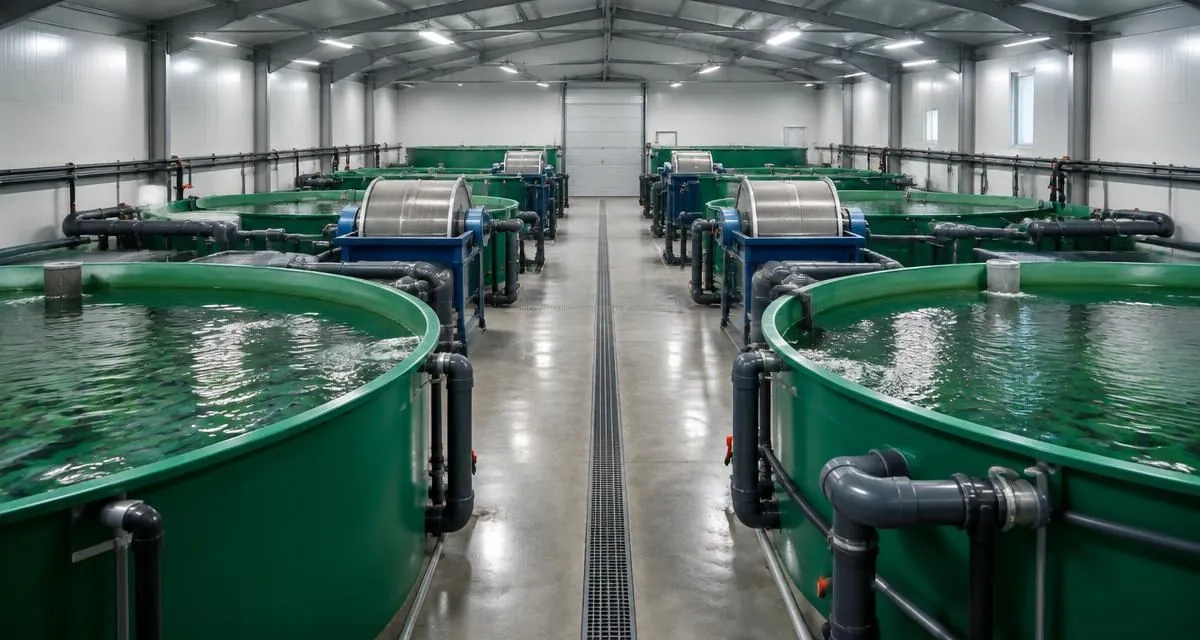
Tank volume, flow and biofilter load from a production target.
Payback and debt cover for a land-based RAS plan.
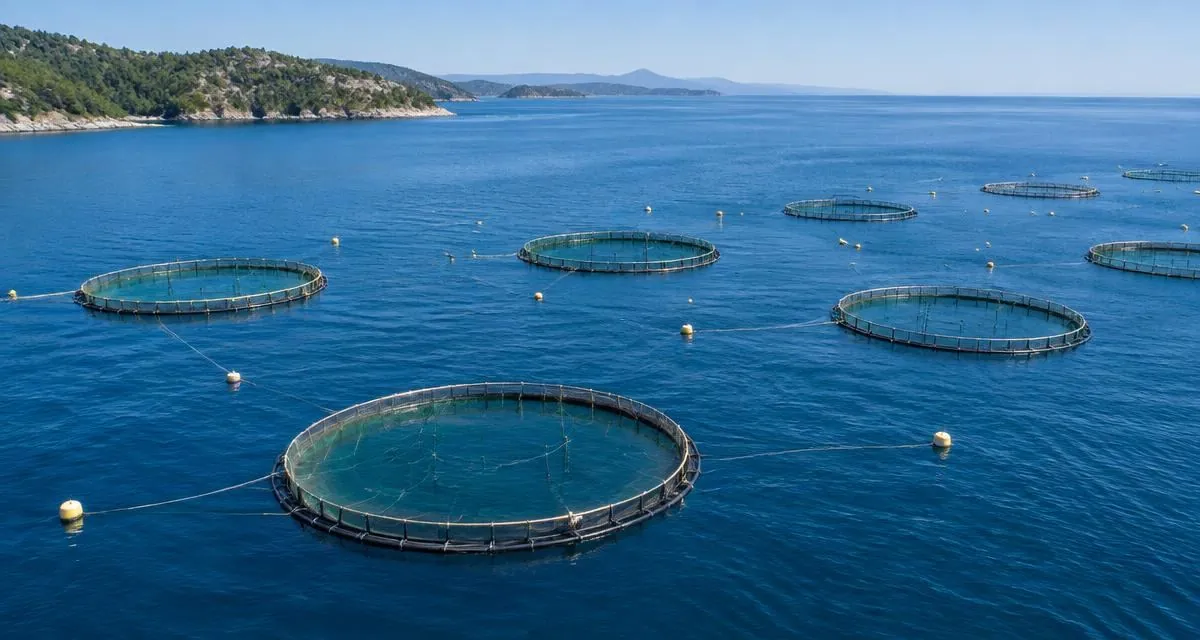
Number and volume of cages for an annual tonnage target.
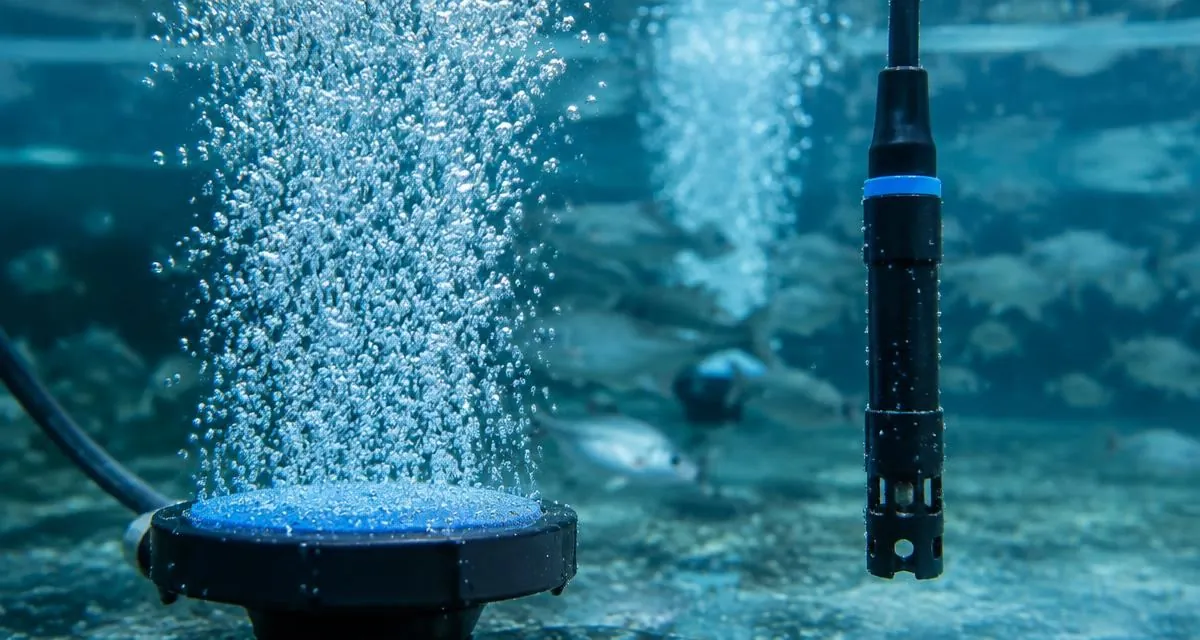
Oxygen demand from biomass and feeding, for aeration or pure-oxygen sizing.
Aerator power and count for ponds from biomass and oxygen demand.
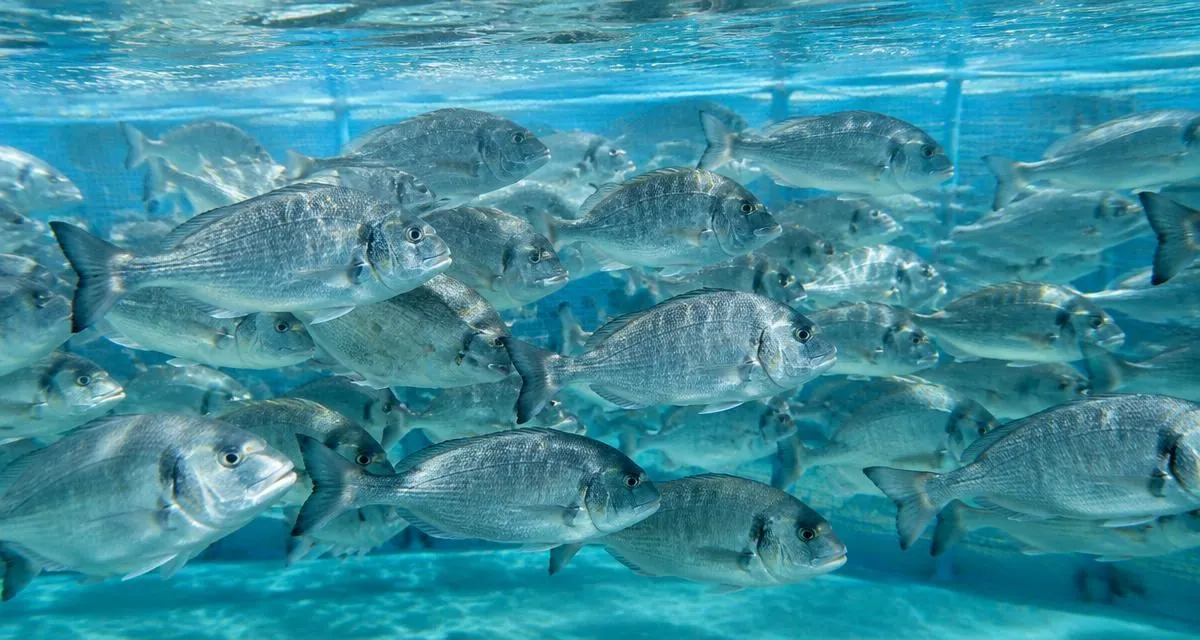
Days to harvest weight from a specific growth rate.
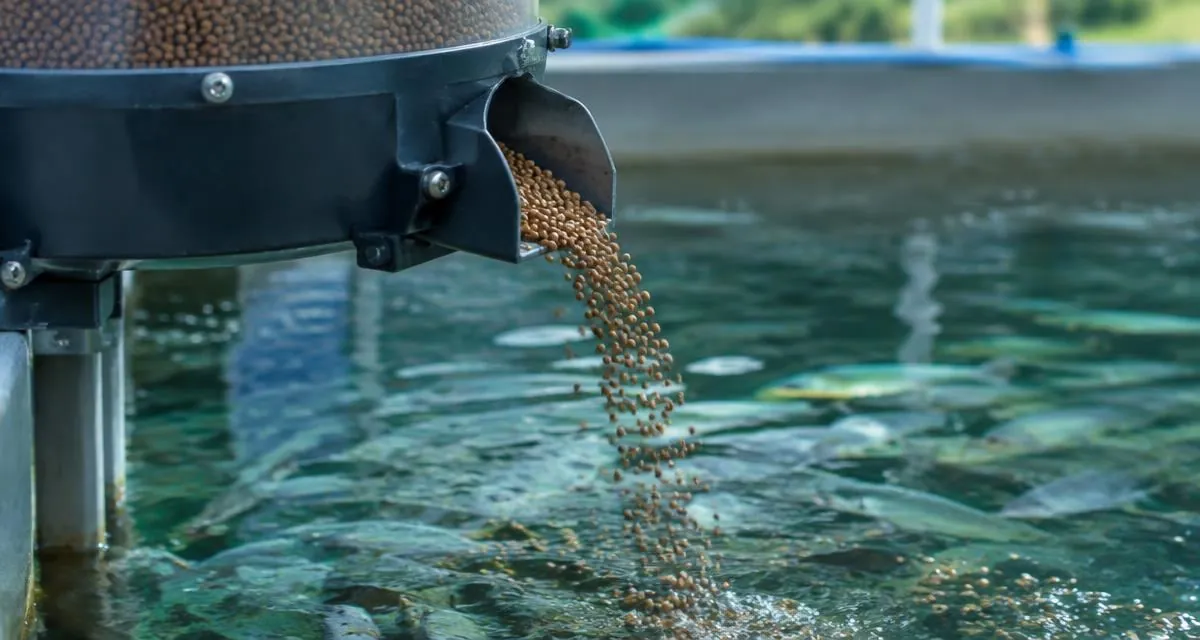
Feed conversion ratio and feed cost per kilogram produced.
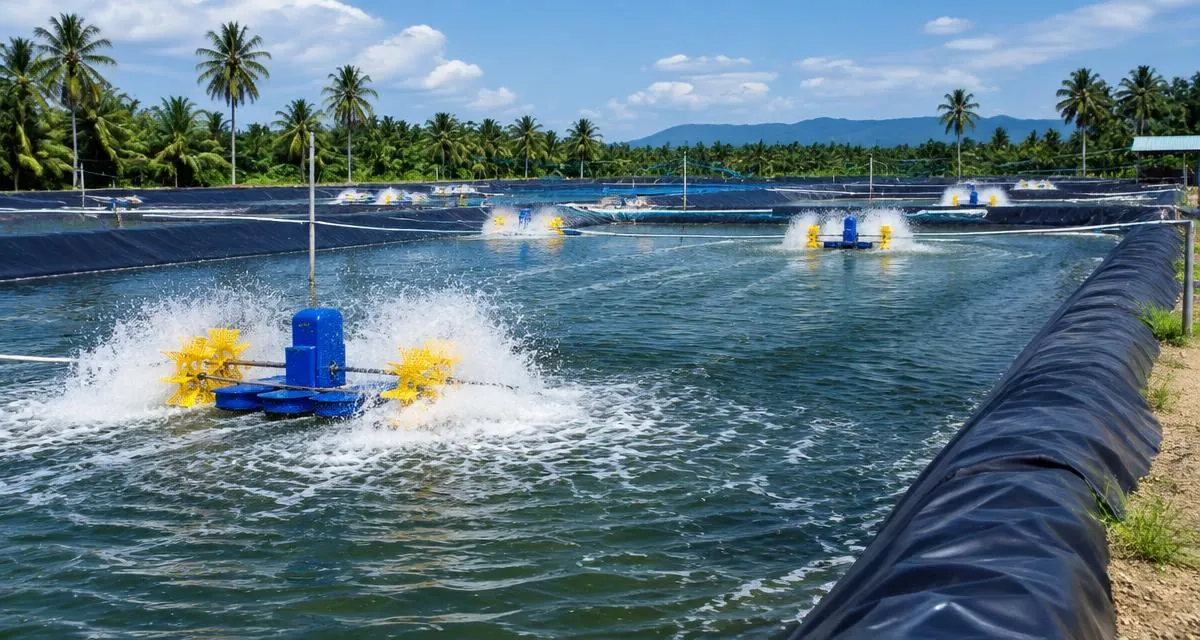
Production cost per kilogram from survival, FCR and input costs.
First-pass capital cost range by system and scale.
Monthly payment and debt-service cover for a project loan.
Farm planning tools
Size ponds and tanks, stocking density, biomass and production capacity before asking for quotes.
Shrimp tools
Survival, harvest biomass, feed demand, aeration and cost per kg for vannamei farms.
RAS tools
Recirculating system sizing, water flow, filtration, oxygen and bid comparison.
Feed tools
FCR, feed return, dissolved oxygen, processing capacity, feed budget and how feed efficiency moves margin.
Processing & cold chain tools
Freezing and cold storage capacity; the processing capacity tool sits in the Feed section above.
Financial & energy tools
CAPEX, OPEX, ROI, financing, energy and total cost of ownership.
Full project cost tools
Used by buyers across 40+ aquaculture markets
Six tips for accurate calculator results
How to get planning numbers you can actually use in a quote request or business plan.
Start from your production target
Decide yearly tonnes and market fish size first. Volume, density, oxygen, feed and filtration all follow from those two numbers.
Size for the heaviest day
Run density, oxygen and biofilter calculations at peak biomass just before harvest or grading — not at stocking, when the tanks look half empty.
Replace defaults with your own figures
Use your local electricity tariff, feed price per tonne and water temperature. Pre-filled values are only starting points and can be far from your site.
Check density against published limits
Norway caps salmon and rainbow trout at 25 kg/m³ in sea production units; SRAC Publication 282 reports about 30 kg/m³ for tilapia tanks on aeration only and 60–120 kg/m³ with pure oxygen. The stocking density calculator shows the source with each limit.
Test a bad year, not just a good one
Use the pessimistic scenario (lower survival, higher FCR, lower price) before you show numbers to a partner or lender.
Send the same numbers to every supplier
Attach your calculator results to one quote request so every supplier prices the same capacity — that is what makes proposals comparable.
FAQ
Send us one fish, shrimp, hatchery or RAS project and we will help evaluate sourcing options — supplier shortlist, RFQ preparation and quotation comparison. Your client relationship stays with you.
How we work with consultantsShort answer
How do you size and cost Calculators?
Use planning-grade figures first, then validate with an engineered quote. The Calculators model on this page converts your project inputs into indicative sizing and cost figures based on international aquaculture benchmarks. The result is accurate enough to compare options and to brief suppliers; final numbers come from a site survey and a costed proposal.
- Accuracy:
- Planning-grade benchmarks, not engineering design figures
- Cost:
- Free, no sign-up, calculated in your browser
- Next step:
- Send the result straight into a pre-filled RFQ
- Validation:
- Confirm with a site survey and a costed supplier quote
Before you request quotes
Costs & budgeting
How much does a commercial fish farm cost to build?
Budget ranges depend on system type, not on country alone. Pond and cage projects are usually the lowest capital per tonne of annual output, while recirculating (RAS) projects carry the highest equipment and energy share because filtration, oxygenation and backup power are mandatory. Reliable numbers come from a sized bill of quantities — species, target tonnage, water source and grow-out temperature — not from a generic price list. Use the FishMatch calculators to size the project, then submit an RFQ so quotes are priced against the same specification.
What drives the price differences between aquaculture equipment quotes?
Most spread between quotes comes from scope, not from margin: included spares, installation and commissioning, control and automation level, materials (HDPE vs steel vs FRP), certification and testing, delivery terms (EXW vs CIF) and warranty length. Two quotes are only comparable when they answer the same specification. A structured RFQ fixes the scope so differences reflect real engineering choices.
What operating costs should a business plan include?
Feed is normally the largest recurring cost, followed by energy (highest in RAS), labour, fingerlings or post-larvae, health management, water treatment consumables and maintenance. Financing cost and working capital for the first production cycle are frequently underestimated. FishMatch cost tools separate CAPEX from OPEX so the payback assumption is visible rather than implied.