How does an aquaculture project run with FishMatch Group?
A project starts with the buyer's species, target output, site and budget. FishMatch Group checks feasibility with planning calculators, prepares one structured technical scope, runs confidential outreach to project-matched suppliers and normalises the offers so the buyer can compare them side by side. Buyers never see supplier identities until they choose to proceed, and pay no buyer fees.
Species and target tonnes per year, farm system (RAS, ponds, cages or flow-through), site water source and power supply, a realistic budget range and timeline. Without these, supplier quotes cannot be compared like for like.
RAS cost has no verified, dated universal price per annual tonne; it depends on the installed scope you define. Shrimp farms run roughly USD 25,000–60,000 per hectare semi-intensive, USD 80,000–180,000 for lined ponds and USD 400,000+ per hectare for indoor RAS. These are planning ranges, not quotes.
Feed is usually the largest share, followed by energy, juveniles (smolts, fingerlings or post-larvae), labour and oxygen. Feed conversion ratio (FCR) and survival rate have the biggest effect on cost per kg.
Oxygen supply and backup power. Fish use roughly 0.3–0.5 kg of oxygen per hour per tonne of biomass while feeding, so emergency oxygen with automatic switchover, a standby generator and dissolved-oxygen alarms are core scope, not extras.
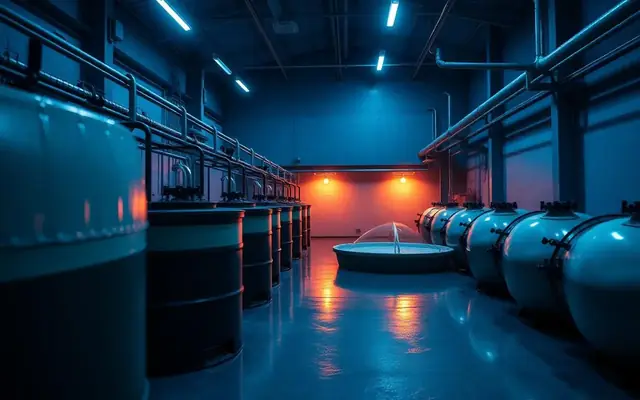
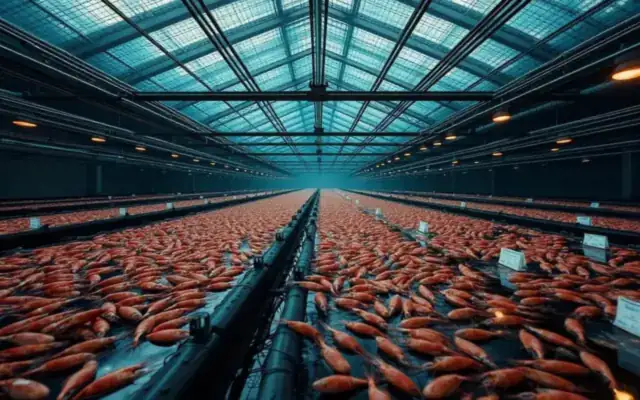
No. They are anonymised worked examples for planning, with illustrative figures and representative photos. They show the process, not past client results.
Ask about a RAS or shrimp project
Have a question about these examples or a similar project of your own? Send it here and our team will reply within one business day.