Private Project-matched Network

Aquaculture equipment suppliers, sourced by country.

Looking to find local distributors for RAS, cage, pond, shrimp, hatchery or feed equipment? Start with the country you are building in.

FishMatch Group is a private global sourcing concierge. Supplier identities are kept confidential — we negotiate, qualify and deliver a single commercial proposal so you focus on the project, not the outreach.
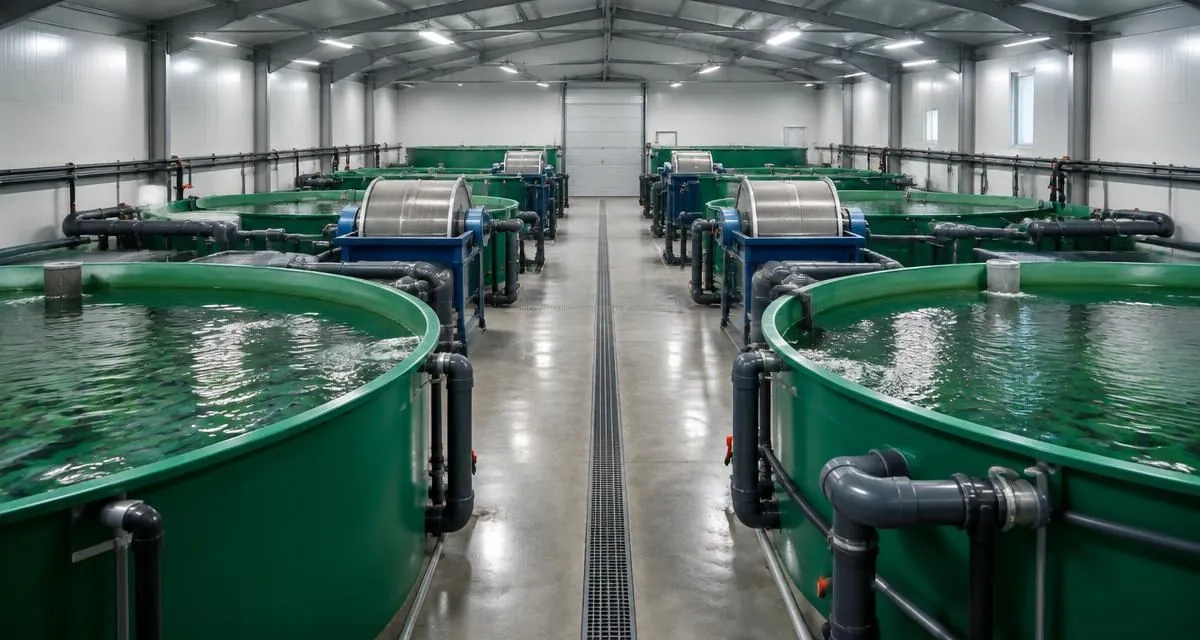
Indoor recirculating aquaculture system tanks and equipment

Search by country, local name, city, port or search term

Exporter, distributor or integrator: which route fits?

Short answer: buy direct from a manufacturer or exporter when the package is well defined and you can handle import and installation; use a local distributor for service and spares; use an integrator when one party must be responsible for the whole system.

Buying routeFits whenCheck before ordering
Manufacturer or exporter directOne clearly defined package (e.g. aerators, drum filters, a hatchery line) where you can manage import, installation and warranty yourself.Export experience to your country, spare parts, commissioning support and who carries warranty claims.
Local distributor or dealerSmaller or repeat purchases where local stock, service and spare parts matter more than unit price.Which brands they are authorised for, service staff and parts held locally.
Integrator or EPC (turnkey)Complete farms, RAS or processing plants where one party must be responsible for design and performance.Design basis, performance guarantees, scope boundaries and reference projects you can verify.
Managed RFQ through FishMatchProjects of USD 250,000 or more where you want comparable offers from several routes without disclosing your project to each supplier.Free for buyers; our team reviews the brief, compares offers on the same scope and introduces the selected supplier.

Compare offers on the same scope with the supplier comparison guide, or size the system first with the free calculators. Every country hub, equipment category and shrimp market page is listed in the FishMatch sourcing network directory.

Global
Sourcing reach
Curated
Selected partners
17
Project categories
0%
Buyer fees

Supplier, distributor, integrator or EPC?

The right counterparty depends on scope. Manufacturers quote defined equipment; distributors add local stock and service; integrators connect machines into a working line; EPC contractors coordinate wider design, procurement and construction. FishMatch does not operate an open supplier directory or represent a brand: each introduction follows a human review of the buyer brief and available evidence.

Technical scope

Species, system, throughput, water quality, utilities, standards and interfaces.

Commercial scope

Budget range, Incoterm, delivery point, installation, training, warranty and spares.

Project readiness

Site status, permits, financing stage, decision process and commissioning target.

Prepare a comparable supplier RFQ

Buying from aquaculture equipment exporters

For fish farming equipment bought from another country, ask every exporter to quote the same scope on the same incoterm (EXW, FOB, CIF or DAP), then compare total landed cost — not the headline price.

  • Line-by-line equipment list with explicit exclusions
  • Sea-freight packing and corrosion protection
  • Voltage and frequency of the destination grid
  • Certificates the destination country needs
  • Who installs and commissions, and at whose cost
  • When the warranty starts, and a priced spare-parts list

Distributors, dealers, wholesalers or direct?

A local distributor or dealer usually suits spare parts, single machines and fast service; a wholesaler suits bulk standard items; buying direct from the manufacturer or an integrator usually suits complete systems where design responsibility matters.

  • Is the distributor authorised, and does the factory warranty apply?
  • Which spare parts are stocked in the country?
  • How fast can a technician reach the site?
  • Can they supply the full scope or only part of it?

FishMatch can request both routes on one scope so you can compare them side by side.

How global sourcing works.

From your first request to commissioning on-farm, one team coordinates the entire supplier chain.

  1. 01

    Brief

    Tell us species, farm size, climate and budget.

  2. 02

    Match

    We identify relevant manufacturers and integrators across regions.

  3. 03

    Verify

    Corporate records, references, export evidence and warranty terms; factory audits only where separately arranged.

  4. 04

    Deliver

    Logistics, installation and operator training.

Sourcing coverage by country.

Pick a country to see what FishMatch Group can source there. Supplier names are never disclosed — buyers receive a curated proposal from our concierge team.

Buyer guide

Fish Farming Suppliers: Aquaculture Procurement Shortlist

A long list of suppliers is easy to find; a short list that fits your species, site and budget is not. This is the checklist our team uses when reviewing a brief.

  1. 1.Write one specification first

    Species, target tonnes per year, system type, site, water source and budget. Quotes built on the same brief can be compared line by line; quotes built on different assumptions cannot.

  2. 2.Ask for the same delivery terms

    Request every price on the same Incoterms® 2020 rule (for example FOB or CIF, named port). Mixed terms hide freight, insurance and duty differences (ICC).

  3. 3.Separate equipment from design and installation

    Ask suppliers to price equipment, engineering, installation supervision, commissioning and training as separate lines, so missing scope is visible.

  4. 4.Check the technical basis

    For RAS, ask how flow, oxygen and biofilter capacity were sized from the feed load — the method in Timmons & Ebeling is a common reference.

  5. 5.Confirm certification needs early

    If your buyers require ASC or BAP, tell suppliers before design and check the applicable standard. FAO's certification guidelines provide a broader reference for environmental, social, food-safety and animal-health criteria; they do not certify a supplier or a project.

  6. 6.Compare total cost, not unit price

    Include spares, warranty terms, currency, payment milestones and lead time. The lowest equipment price is not always the lowest project cost.

How FishMatch Group handles aquaculture procurement

A specialist reviews your brief, asks for anything missing, then contacts relevant suppliers privately. Available proposals are organised in one comparison, line by line, with differences and exclusions identified. FishMatch Group is supplier-neutral: it does not manufacture equipment, build or operate farms, or lend. Supplier names, websites and contact details stay confidential. We do not guarantee a number of proposals, the lowest price or financing approval.

Open the RFQ form →

Planning a shrimp farm? Get a free cost estimate from your pond size, stocking density and harvest goals

Sources

Explore aquaculture and RAS suppliers here for research and market discovery, or start with your project requirements so FishMatch can help structure the RFQ and identify relevant system providers for that specific production plan.

Directory — research

Browse categories, countries and technology types to understand the market and which system types exist. Nothing is requested and no supplier is contacted.

Project sourcing — RFQ

Define species, system, production target and site conditions, size the requirement with the planning tools, and build one structured RFQ. Manufacturer research follows the requirement.

  • FishMatch helps prepare aquaculture RFQs and source relevant suppliers.
  • Supplier and manufacturer listings are provided for independent research, transparency and reference. Listing does not constitute certification, endorsement, qualification for a specific project or automatic introduction.
  • Buyer follow-up and supplier selection are handled by FishMatch.

There is no instant or automated supplier match. Manufacturer research happens after the project requirement is clear and is reviewed by the FishMatch team before any supplier is approached.

Manufacturers can register in the free directory and keep their company details up to date. Being listed is a research and visibility surface — it does not create an automatic connection to buyers, and it does not replace the human sourcing process.

Supplier and manufacturer listings are provided for research, transparency and discovery only. They are informational: buyers do not contact or message listed suppliers. Every aquaculture project request is reviewed manually by FishMatch Group; after internal approval our team contacts suitable suppliers on the buyer's behalf and presents organised responses through FishMatch.

Are you a manufacturer?

Register your company for free in this directory, add your company information and keep it up to date.

Free listing · No upfront cost

FishMatch helps prepare aquaculture RFQs and source relevant suppliers. Supplier listings are for independent research and reference, not automatic matching — buyer follow-up and supplier selection are handled by FishMatch.

Or browse by equipment category

Ready to source for your project?

Send one brief. A FishMatch specialist reviews it before relevant suppliers are contacted privately.

Start a sourcing request
Quick answer

How do I find aquaculture equipment suppliers?

Shortlist suppliers that specialise in your system type and species, check export experience and after-sales coverage in your country, then compare quotes on identical, engineering-grounded scope rather than marketing material. Submitting one structured RFQ through FishMatch Group does this for you: we prepare the technical requirement, run confidential outreach to project-matched suppliers and normalise the offers so they can be compared side by side.

Nothing. Requesting quotes through FishMatch Group is free for buyers, suppliers cannot pay for ranking or shortlist position, and supplier identities stay confidential until an introduction is approved.

Production target and species, system type, site conditions, water source, available utilities and the scope boundary you expect — supply only, or supply with installation, commissioning and freight. The RFQ checklist on this site walks you through each item.

You see comparable, normalised proposals from project-matched suppliers. Supplier identities are only revealed after a human-approved introduction, so your project stays confidential while you compare.

Before you request quotes

Equipment scope

What equipment does a commercial aquaculture project actually need?

A grow-out project typically needs holding infrastructure (tanks, ponds or cages), water movement (pumps, piping, valves), aeration or oxygenation, water treatment appropriate to the system, feeding equipment, grading and handling gear, monitoring and alarms, and backup power. RAS adds mechanical filtration, biofiltration, degassing, disinfection and tighter process control. Hatchery and processing scopes are specified separately.

Which equipment should be specified before requesting quotes?

Specify the items whose sizing changes everything downstream: design biomass and stocking density, water exchange or recirculation rate, oxygen demand at peak temperature, and installed pumping head. With those four fixed, suppliers can quote aeration, filtration, pumps and power on the same basis. FishMatch calculators produce these figures and attach them to the RFQ.

Can equipment be sourced in stages?

Yes, and phased procurement is common. The usual sequence is water supply and holding infrastructure, then aeration and treatment, then automation and monitoring, then processing and cold chain. Staging works when interfaces and capacity headroom are defined at the start; otherwise later phases force replacement rather than addition.

Supplier selection criteria

How should a buyer compare aquaculture suppliers?

Compare on evidence, not on presentation: delivered projects at a similar scale and climate, engineering support during design, lead time commitments, spare-part and service availability in your region, certification and testing documentation, payment and warranty terms, and willingness to quote against your specification rather than substituting a catalogue package.

What are the warning signs in a supplier quotation?

Treat these as review triggers: no itemised scope, guaranteed biological or financial performance, no named delivery terms or lead time, no spare-parts or service statement, unclear responsibility for installation and commissioning, and equipment sizing that does not reference your water temperature, oxygen demand or biomass targets.

How does FishMatch handle supplier selection?

FishMatch is an independent sourcing service, not a manufacturer or reseller. The buyer submits one structured project request; our team reviews it first and only then contacts suitable suppliers on the buyer's behalf, presenting their responses through FishMatch in a comparable format. Buyers do not contact suppliers directly and nothing is sent automatically. The final choice stays with the buyer.