How Long Does It Take to Build a Commercial Fish Farm?
Short answer: there is no fixed length for building a commercial fish farm, because feasibility, permits, financing, design, tendering, manufacturing, shipping, construction, commissioning, and first stocking each depend on site conditions, local authorities, and supplier capacity. Instead of relying on generic figures, ask every supplier and contractor involved to state their own schedule commitments in writing, and build your project plan around those confirmed dates rather than assumptions.
What stages make up a commercial fish farm timeline?
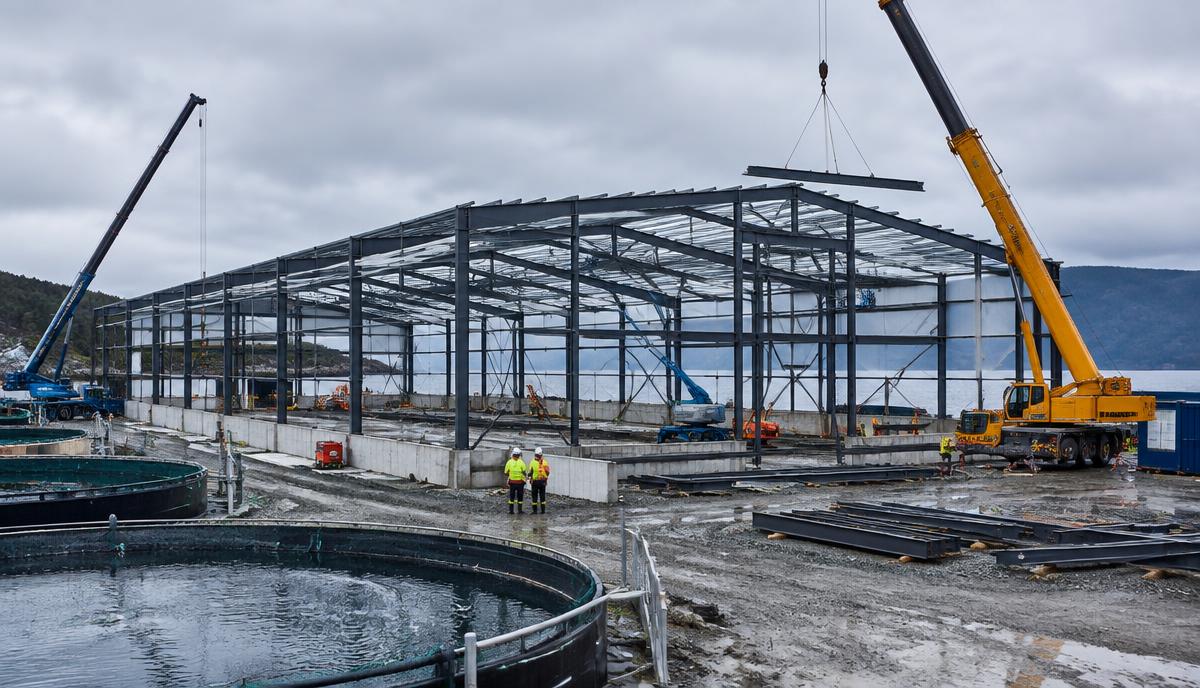
A commercial aquaculture project typically moves through feasibility, permits and environmental licensing, financing, engineering design, tendering and supplier selection, manufacturing, shipping and logistics, civil and structural construction, equipment commissioning, and finally first stocking. Each stage depends on the one before it, so a delay early in the sequence, such as a stalled feasibility study or an incomplete site assessment, pushes every later stage back. Reviewing the how to plan a commercial aquaculture project guide alongside a fish farm feasibility study can help a buyer understand how these stages connect before committing to a schedule with any manufacturer.
Why does the feasibility stage shape everything that follows?
Feasibility work, including site selection, water assessment, and species and system choice, sets the technical boundaries for design and equipment sourcing. If this stage is rushed or skipped, design teams and suppliers may need to revisit assumptions later, which can add unplanned cycles to the schedule. A thorough site selection and water assessment process, supported by project planning calculators such as the RAS sizing and project ROI tools, gives suppliers accurate inputs so their quotes and proposed schedules are based on real conditions rather than placeholders.
How do permits and environmental licensing affect the schedule?
Permitting and environmental licensing are handled by local authorities and can run in parallel with design in some jurisdictions, but in others they gate construction entirely. Because requirements vary by country, species, and discharge method, buyers should ask their permitting consultant or legal advisor to state the expected review and approval process in writing rather than estimating it informally. The fish farm permits and environmental licensing guide outlines the categories of approval that commonly apply to commercial farms, and planning for effluent and sludge handling early, as described in aquaculture effluent and sludge management, can reduce back-and-forth with regulators.
How does financing timing interact with procurement?
Securing financing, whether through equity, debt, or a combination, often happens alongside early design work, but final equipment purchase orders usually wait until funding is confirmed. Lenders may request supplier quotes, a bankable feasibility study, or a defined equipment list before releasing funds, which means procurement and financing teams need to coordinate closely. The financing section and the aquaculture project financing: what lenders require article describe what documentation lenders typically ask for, and a financing a turnkey aquaculture farm overview explains how turnkey scope can simplify that conversation.
Why do design and engineering decisions ripple through later stages?
Design choices, from tank layout to filtration and oxygenation strategy, determine what equipment must be manufactured, how it will be shipped, and how construction crews sequence their work. Incomplete or changing designs during tendering are one of the most common sources of schedule slippage, because suppliers must requote and manufacturing drawings must be revised. Grounding design decisions in RAS design fundamentals before equipment and integrated aquaculture project planning before issuing a request for quote helps keep the design stable once suppliers begin manufacturing.
What should buyers expect from the tendering stage?
Tendering is when buyers invite suppliers to quote against a defined scope, compare proposals, and select a manufacturer or set of manufacturers. This stage moves faster when the request for quote is complete and consistent across every bidder, because suppliers spend less time asking clarifying questions and more time preparing firm offers. The rfq-intake process and the rfq best practices for aquaculture buyers guide describe how to prepare a clear scope, and comparing aquaculture proposals line by line explains how to evaluate the schedule commitments each supplier offers alongside price.
How do manufacturing and shipping affect delivery schedules?
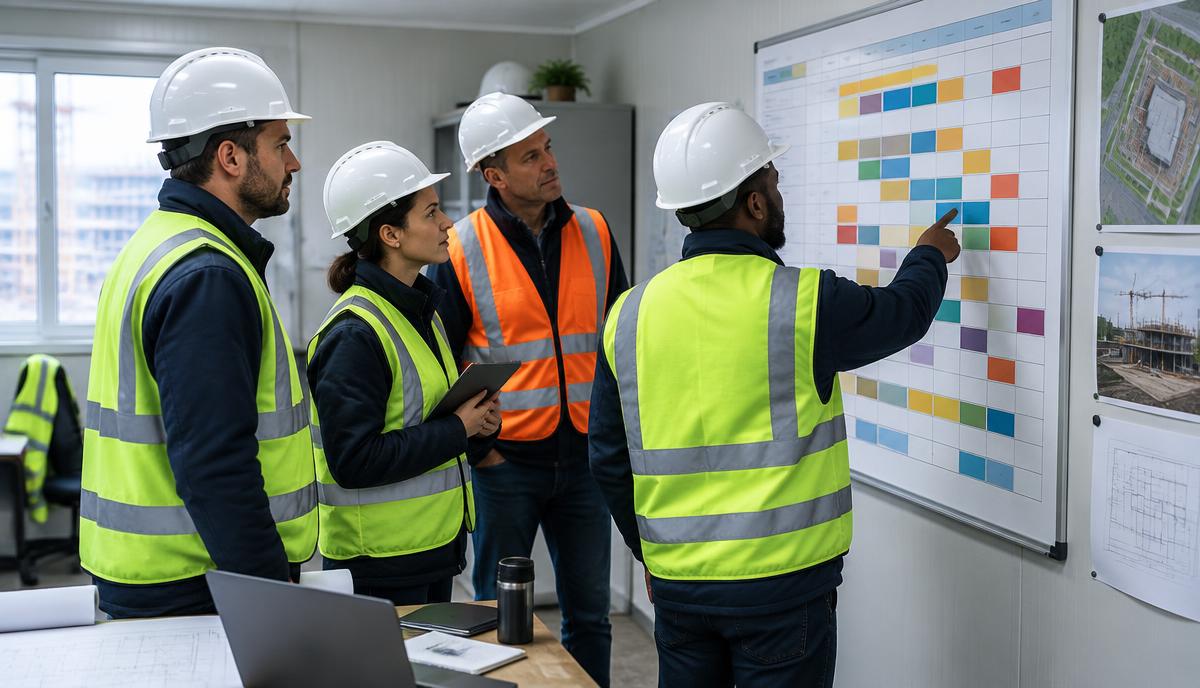
Once purchase orders are placed, equipment moves into manufacturing, which can involve multiple factories for tanks, filtration, aeration, and control systems before those components are consolidated for shipping. International shipments add customs clearance, inland transport, and sometimes staging at a local warehouse before equipment reaches site. Because manufacturing and shipping are outside a buyer's direct control, ask each supplier to state their manufacturing lead time and shipping method in writing, and review shipping RAS equipment internationally and Incoterms for aquaculture equipment purchases so responsibility for each leg of the journey is clear.
What typically causes construction delays on fish farm projects?
Construction delays commonly stem from incomplete civil works coordination, weather, local labor and material availability, and mismatches between the building schedule and equipment delivery dates. When equipment from multiple suppliers arrives at different times, or when interfaces between structural, electrical, and mechanical trades are not clearly defined in advance, crews can be left waiting or reworking completed sections. The multi-supplier aquaculture project interfaces article explains how to document these handoffs, and a fish farm backup power and generator guide highlights another area where late planning often causes last-minute schedule changes.
Why does commissioning take careful planning rather than guesswork?
Commissioning is when installed equipment is tested, calibrated, and handed over for operation, and it depends on construction being substantially complete, utilities being connected, and supplier technicians being available on site. Rushing commissioning to meet an assumed date can leave water treatment, oxygenation, or monitoring systems improperly tuned before fish arrive. The aquaculture equipment commissioning and handover guide describes what a thorough handover should include, and reviewing aquaculture equipment spare parts and warranty service terms before commissioning begins avoids surprises once the system is running.
What should happen before first stocking?
First stocking should only begin once water quality has stabilized, biosecurity measures are in place, and staff have been trained on the specific equipment installed. A fingerling supply and stocking plan should be coordinated with the commissioning timeline so fish arrive only after systems are confirmed ready, and fish farm staff training and operations planning ensures the team operating the farm understands the equipment before live animals depend on it. Stocking before systems are verified is a frequent cause of early mortality, which the fish farm mortality reduction planning resource addresses in more detail.
How does a clear RFQ shorten the overall schedule?
A request for quote that specifies species, target capacity, site conditions, water source, power availability, and any site constraints allows suppliers to quote accurately the first time, rather than issuing revised proposals after multiple rounds of clarification. Buyers who submit scattered quote requests to many manufacturers directly often find that inconsistent assumptions across quotes make comparison difficult and extend the selection process. The how to request an aquaculture supplier quote and aquaculture equipment sourcing step by step guides outline what a complete RFQ should contain, and using the procurement-toolkit before approaching suppliers helps standardize that information across every proposal.
What else commonly causes project-wide delays?
Beyond the stage-specific issues already described, schedule slippage often comes from scope changes requested mid-project, underestimated site infrastructure work, delayed decision-making between stakeholders, and gaps between what a supplier's quote includes and what the buyer assumed was included. The buyer mistakes in aquaculture sourcing article and RAS cost overruns and scope gaps resource describe how these gaps form, and keeping a documented buyer checklist for aquaculture throughout the project helps surface scope or decision delays before they compound.
Checklist
Confirm feasibility and site assessment are complete before design begins; apply for permits and environmental licensing as early as local rules allow; align financing milestones with procurement decisions; keep the design scope stable through tendering; submit one clear, complete request for quote rather than scattered inquiries; ask each supplier to state manufacturing, shipping, and commissioning schedule commitments in writing; document interfaces between multiple suppliers and trades; plan commissioning and staff training before first stocking; keep records of every schedule commitment so delays can be traced to their source.
Frequently asked questions
Can FishMatch Group tell me how long my project will take? No; FishMatch Group never promises delivery dates, and buyers should request schedule commitments directly from suppliers in writing. Which stage usually causes the most uncertainty? Permits and environmental licensing vary the most by jurisdiction, so buyers should confirm requirements with local authorities early. Does a clear RFQ guarantee a faster project? No, but it reduces the back-and-forth that otherwise extends tendering and design. Should construction and equipment manufacturing be scheduled separately? They should be coordinated, with each supplier's written schedule used to plan construction sequencing rather than assuming parallel timelines.
How do FishMatch Group's calculators and reviewed RFQ help?
FishMatch Group's planning calculators, including capex estimator, opex estimator, and RAS feasibility tools, help buyers define scope and capacity before approaching suppliers, which reduces the clarifications that slow down tendering. Once a buyer submits one request through rfq-intake, the FishMatch Group team reviews it by hand, approaches matching suppliers from the suppliers and equipment network, and returns comparable offers so the buyer can evaluate stated schedule commitments side by side rather than chasing multiple manufacturers independently. Questions about the process are covered in the faq section.
Related: how to plan a commercial aquaculture project, RFQ best practices for aquaculture buyers, multi-supplier aquaculture project interfaces.
This article is a planning guide only, not engineering or financial advice.
Aquaculture planning benchmarks
| Figure | Value | Context |
|---|---|---|
| CAPEX — RAS | USD 9,000–14,000 per tonne/yr | Global baseline before country cost factor. |
| CAPEX — Ponds | USD 1,800–4,000 per tonne/yr | Lined or earthen ponds, excluding land. |
| CAPEX — Cages | USD 2,500–5,500 per tonne/yr | Cages, moorings, nets and service equipment. |
| CAPEX — Flow-through | USD 4,000–7,000 per tonne/yr | Raceways and water intake works. |
| Energy use | RAS ~6 kWh/kg; ponds ~1.2; flow-through ~1.5; cages ~0.3 | Per kg of fish produced. |
| Typical FCR | Trout 1.1; salmon 1.2; shrimp 1.4; tilapia 1.6; carp 1.8 | kg feed per kg growth; varies with feed and management. |
| Farm size where FishMatch reviews projects | From ~USD 250,000 total project value | Commercial fish and shrimp projects. |
Related articles
Planning a Commercial Biofloc Farm: Tanks, Aeration, Power and Equipment List
Short answer: a commercial biofloc farm needs tanks or lined ponds, heavy aeration/mixing, backup power, carbon dosing, solids removal and monitoring, sized and quoted as one matched scope.
PlanningFish Farm Permits and Environmental Licensing: What Approvals Does a Commercial Aquaculture Project Need?
Short answer: most commercial fish farms need water use, discharge, land use, species/health, building and import approvals; exact rules depend on your country, so confirm requirements with local authorities early.
PlanningFish Farm Insurance and Risk Management: What Insurers and Lenders Look For
What drives fish farm risk, what insurers and lenders typically ask about, and how design, backup systems and supplier documentation reduce exposure.
PlanningPhased Fish Farm Expansion: Planning Phase 1 So Later Phases Don't Require Rebuilding
Short answer: design phase 1 with shared infrastructure headroom and modular tanks so phase 2 and 3 bolt on without demolishing existing work.
Where this fits in a real project
Every FishMatch project runs through the same five reviewed stages, from a first enquiry to comparable quotations. See the full buyer journey.