Aquaculture Effluent and Sludge Management: Drum Filters, Settling, Dewatering and Wetlands Explained
Short answer: specify effluent and sludge handling by matching drum filtration, settling, sludge thickening/dewatering and (where used) constructed wetlands to your discharge permit and receiving water, not just to an equipment catalog; the right combination depends on species, feed load, water source, and local discharge limits, and the only reliable way to compare supplier offers is to request them against one identical scope and set of assumptions.
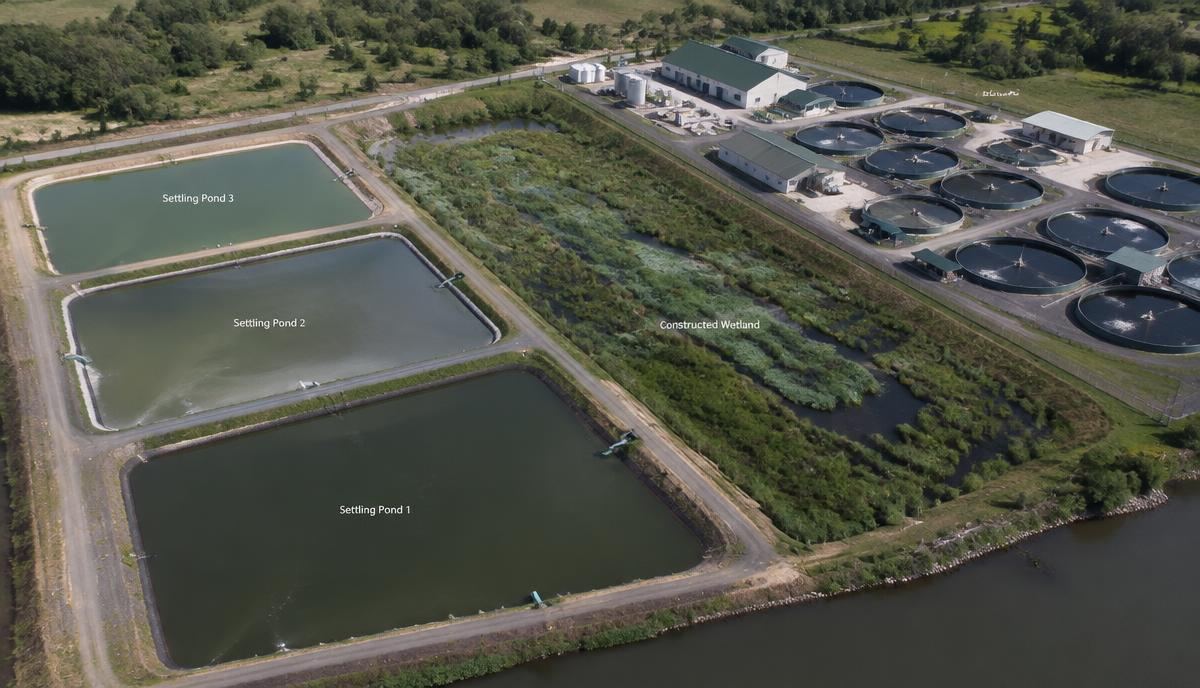
What does an aquaculture effluent and sludge management system actually include?
A complete system is rarely a single machine. It typically combines solids capture (drum or disc filters), gravity settling or clarification, sludge thickening, dewatering, and in many cases a polishing step such as a constructed wetland or settling pond before water is reused or discharged. Each stage reduces the load on the next: a well-tuned drum filter reduces solids reaching settling tanks, and good settling reduces the sludge volume that must be thickened and dewatered. Buyers who specify only the headline filtration unit and leave sludge handling as an afterthought often find the real operating cost and permitting risk sit downstream, in sludge storage, transport and disposal.
How do drum filters, settling and clarification fit together?
Drum filters (and disc filters) are typically the first mechanical step, removing coarse and fine suspended solids directly from culture water with minimal water loss, and they are sized by hydraulic flow rate and target mesh size, not by tank volume alone. Water that still carries fine solids or dissolved organic load often passes to settling basins, clarifiers, or in pond-based systems to settling ponds, where slower flow allows additional solids to drop out before reuse or discharge. Sizing settling capacity is a qualitative trade-off between footprint, retention time and the solids loading upstream filtration leaves behind; ask any supplier proposing a settling pond or clarifier to state the assumed influent solids load and retention time in writing so offers can be compared like-for-like.
What is sludge thickening and dewatering, and why does it matter for cost?
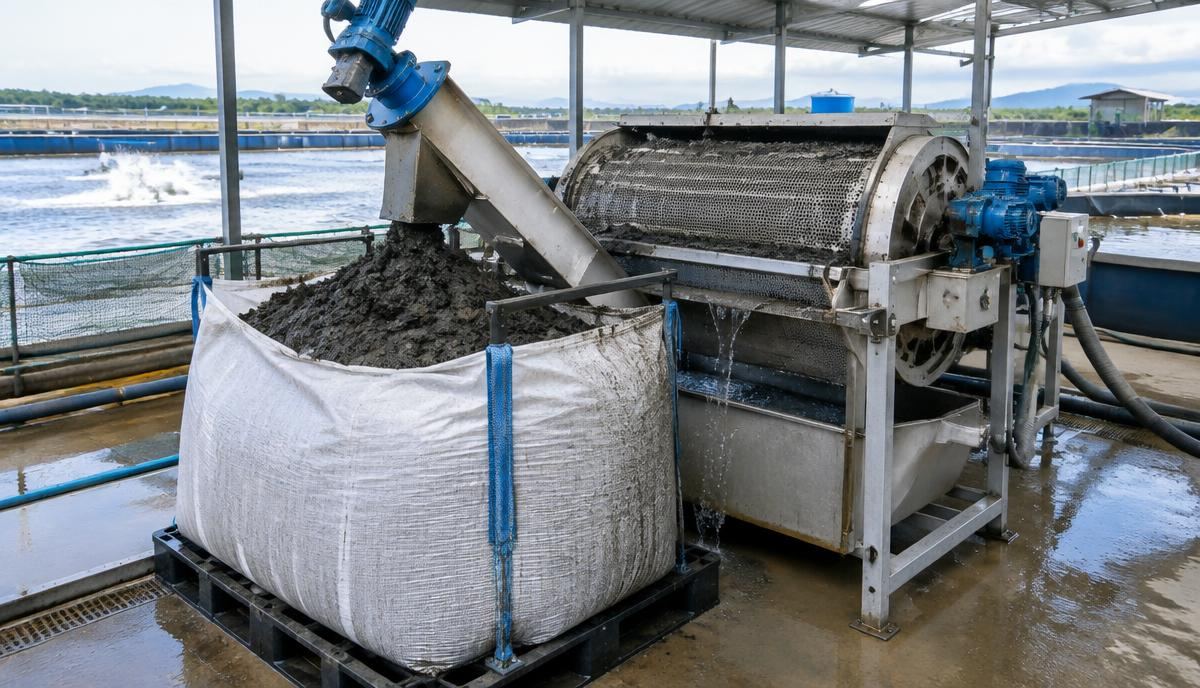
Sludge removed from drum filters and settling basins is mostly water. Thickening (for example via gravity thickeners, settling cones or mechanical thickening) concentrates that sludge before dewatering equipment such as belt presses, screw presses or centrifuges reduces it further to a transportable cake. The choice matters commercially because disposal, hauling and any downstream processing cost is generally driven by sludge volume and water content, and dewatering equipment that achieves a drier, more consistent cake can materially reduce ongoing haulage and disposal costs even though it adds capital cost and often needs operator attention and consumables such as flocculants. A specification that only states “dewatering equipment included” without a target cake dryness and expected sludge volume per unit of feed is difficult to compare across offers.
How do constructed wetlands and reuse options change the system design?
Constructed wetlands, polishing ponds and other biological or vegetated treatment steps are used in some aquaculture operations to further reduce nutrients and suspended solids before water is discharged or reused, particularly where permit conditions set nutrient limits beyond what mechanical treatment alone achieves. These systems generally need more land and are sized on hydraulic and nutrient loading, so they are usually evaluated alongside site selection and water balance planning rather than as a drop-in equipment purchase; see the companion discussion in site selection and water assessment and the broader water quality management guidance for how these pieces connect to overall farm design. Reuse of treated effluent — for irrigation, for topping up ponds, or for recirculation back into production — can reduce freshwater intake, but it also raises the bar on what the treatment train must achieve, since reused water is subject to its own water quality expectations for the next use.
How does effluent and sludge treatment affect discharge permits?
Permit conditions (set by the relevant environmental authority, which varies by country and sometimes by watershed) commonly specify limits on suspended solids, nutrients such as nitrogen and phosphorus, and sometimes biochemical oxygen demand in discharged water, plus reporting and monitoring obligations. The treatment train needs to be matched to those limits, not to a generic industry assumption, because similar farm sizes and species can face very different permit requirements depending on the sensitivity of the receiving water body. Permits can also tighten over a farm's life, so buyers planning a phased project should ask suppliers whether proposed equipment has margin for stricter future limits, and should budget time for permit review alongside procurement.
How much does aquaculture effluent and sludge management equipment cost?
There is no single reliable figure, because cost depends on flow rate, target solids and nutrient removal, site civil works, climate, and whether sludge dewatering and wetland components are included or added later. Capital and installation cost, plus ongoing costs such as power, flocculant or polymer consumables, filter media or screen replacement, sludge haulage and disposal, and labor, should be requested from suppliers in writing against the same scope. The operating cost calculator and commercial capex calculator can help structure these inputs into a comparable estimate once supplier figures are in hand, and the TCO comparison tool is useful for weighing lower capex against lower ongoing sludge handling cost.
What should go into a technical specification before requesting quotes?
A specification that produces comparable offers generally states: design flow rate and expected peak flow; influent solids and nutrient characteristics (or an assumption suppliers are asked to confirm); target effluent quality tied to the permit; footprint available for settling, thickening or wetland components; power supply conditions; materials of construction suited to the water chemistry; and expected sludge volume and desired dryness after dewatering. Also specify what is excluded — civil works, electrical tie-in, commissioning, training and spare parts are frequently handled separately and should not be assumed included unless stated. The supplier checklist for aquaculture equipment and how to compare RAS equipment quotes apply directly to effluent and sludge equipment too.
How do you choose a supplier for drum filters, settling and dewatering equipment?
Because this equipment interacts closely with permit compliance, it is worth asking each supplier for references to comparable installed flow rates and solids loads, a clear statement of warranty and expected service life for wear parts such as filter screens and press belts, and their assumptions about consumables and maintenance labor. Compare offers on identical scope: the same flow rate, the same target effluent quality, and the same inclusions and exclusions, rather than comparing headline equipment prices that may hide very different scopes. Buyers who also source feed or feed milling equipment may find it useful to review FeedMatch, a sister sourcing platform focused on animal and aqua feed and feed mill projects, since feed formulation and feeding practice directly influence the solids and nutrient load the effluent system has to handle.
Checklist
Confirm design flow rate and peak flow; document influent solids and nutrient assumptions; state the target effluent quality against the actual permit limits; specify footprint and civil works scope; list materials of construction and expected wear parts; request expected sludge volume and target cake dryness in writing; clarify power, consumables and labor requirements; confirm what is included versus excluded (installation, commissioning, training, spares); ask for warranty terms and reference installations; request every competing offer against the same written scope.
Frequently asked questions
Do all aquaculture farms need sludge dewatering equipment? Not always; smaller or pond-based operations sometimes manage sludge through periodic pond draining and land application, while higher-density or recirculating systems generally need dedicated thickening and dewatering because of the volume and frequency of solids removed. Can a constructed wetland replace mechanical treatment? Usually not on its own for intensive systems; wetlands are more commonly used as a polishing step after mechanical and settling treatment, sized to the nutrient and hydraulic load that remains. How do I know if my current equipment meets a stricter new permit? Ask a qualified environmental engineer or the permitting authority to review actual discharge sampling data against the new limits; equipment suppliers can advise on upgrade options once the target is known. Should sludge handling be bought from the same supplier as the drum filter? Not necessarily; it can be bundled or sourced separately, but if more than one supplier is involved the interfaces between filtration, settling and dewatering stages need to be specified clearly so responsibility for performance is not left ambiguous, a topic covered in multi-supplier project interfaces.
How can FishMatch Group help with effluent and sludge management procurement?
FishMatch Group is a private, human-reviewed sourcing platform: buyers submit a project brief through the RFQ intake, the team reviews it by hand, and matched suppliers are asked to respond with comparable offers against the same scope. This is particularly useful for effluent and sludge systems, where scope ambiguity between filtration, settling, dewatering and wetland components makes informal quotes hard to compare. Before submitting a brief, the filtration calculator, land requirement calculator, water consumption calculator and operating cost calculator can help you arrive at defensible flow, footprint and cost assumptions to include in your RFQ. This article is planning guidance only, not engineering design or financial advice; final system sizing and permit compliance should be confirmed with a qualified engineer and the relevant environmental authority.
Related: supplier checklist for aquaculture equipment, water quality management in commercial aquaculture, aquaculture site selection and water assessment.
Aquaculture planning benchmarks
| Figure | Value | Context |
|---|---|---|
| CAPEX — RAS | USD 9,000–14,000 per tonne/yr | Global baseline before country cost factor. |
| CAPEX — Ponds | USD 1,800–4,000 per tonne/yr | Lined or earthen ponds, excluding land. |
| CAPEX — Cages | USD 2,500–5,500 per tonne/yr | Cages, moorings, nets and service equipment. |
| CAPEX — Flow-through | USD 4,000–7,000 per tonne/yr | Raceways and water intake works. |
| Energy use | RAS ~6 kWh/kg; ponds ~1.2; flow-through ~1.5; cages ~0.3 | Per kg of fish produced. |
| Typical FCR | Trout 1.1; salmon 1.2; shrimp 1.4; tilapia 1.6; carp 1.8 | kg feed per kg growth; varies with feed and management. |
| Farm size where FishMatch reviews projects | From ~USD 250,000 total project value | Commercial fish and shrimp projects. |
Related articles
UV and Ozone Disinfection Equipment for Aquaculture: Where Each Fits and How to Compare Quotes
UV suits clear, downstream flows like RAS loops and hatcheries; ozone suits intake and higher-organic-load water needing oxidation. Compare quotes on full scope, not price alone.
Water QualityWater Quality Management in Commercial Aquaculture
Alkalinity, pH, TAN, nitrite, CO2 and salinity are not monitoring metrics — they are design constraints. A working guide to the water quality parameters that determine whether a commercial aquaculture project performs as planned.
Water QualityAquaculture Filtration: Mechanical, Biological and Disinfection Explained
How aquaculture filtration actually works — solids removal, biofiltration, degassing and disinfection — how each stage is sized from feed load, and what a filtration quote must state to be comparable.
EquipmentFish Farm Automation and Monitoring Systems: Sensors, Alarms and Remote Control for Stock Protection
Short answer: a complete automation package combines water quality sensors, alarms, control panels, automatic feeders and remote monitoring to protect stock and should be specified and compared as one integrated scope in an RFQ.
Where this fits in a real project
Every FishMatch project runs through the same five reviewed stages, from a first enquiry to comparable quotations. See the full buyer journey.