Fish Farm Automation and Monitoring Systems: Sensors, Alarms and Remote Control for Stock Protection
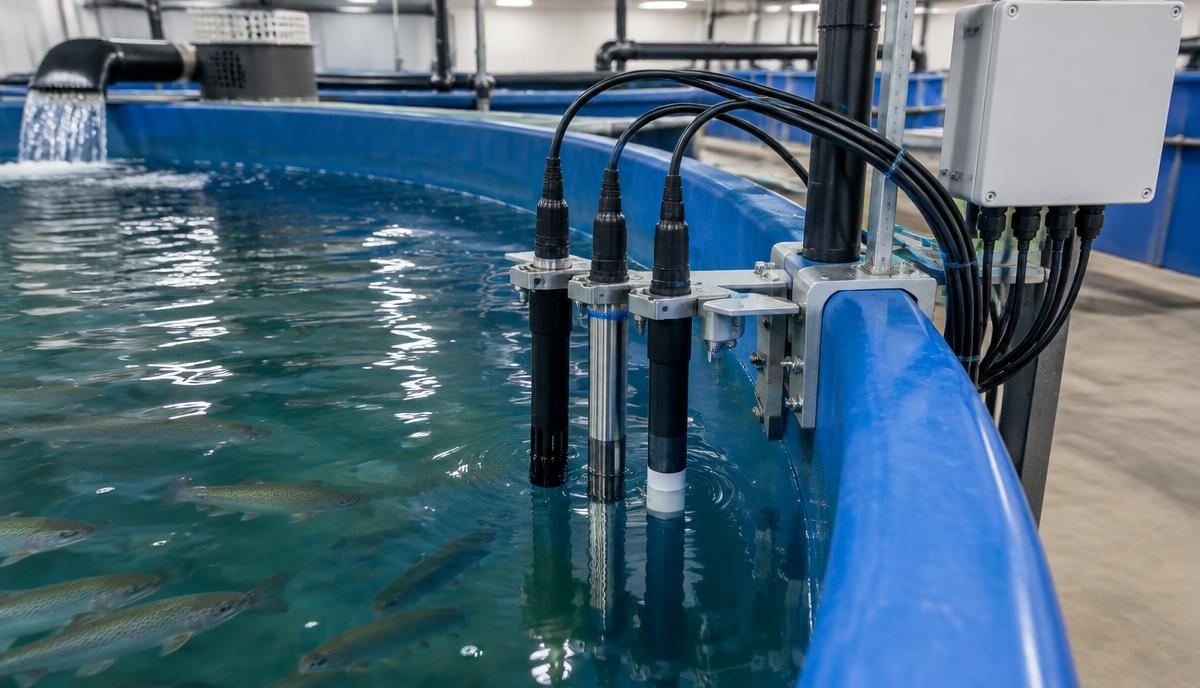
Short answer: fish farm automation and monitoring systems combine dissolved oxygen, temperature, pH and ammonia sensors with alarms, a control panel, automatic feeders and remote monitoring software so operators can see and react to conditions in real time. Global aquaculture production reached an all-time record of 130.9 million tonnes in 2022, surpassing capture fisheries production of farmed aquatic animals for the first time, according to FAO's State of World Fisheries and Aquaculture 2024, which raises the stakes for reliable water quality monitoring at farm level. Specifying these systems as one integrated scope, with clear sensor counts, alarm logic and communication requirements, lets buyers compare supplier offers on equal terms and reduces the risk of stock loss from undetected water quality failures.

What does a fish farm automation and monitoring system include?
A typical system has three layers. The sensing layer measures dissolved oxygen, temperature, pH, ammonia and sometimes turbidity or salinity at each tank or zone. The control layer is a panel or programmable logic controller that reads sensor data, triggers alarms, and can switch pumps, blowers or oxygen valves automatically when a parameter drifts out of range. The monitoring layer is the software and connectivity that lets staff view live data locally and remotely, log history, and receive alerts by text, app notification or phone call. Automatic feeders are often integrated into the same control platform so feeding can be scheduled, adjusted by zone, and paused automatically if a critical water quality alarm fires.
Which sensors actually matter for stock protection?
Dissolved oxygen is usually the single most time-critical parameter because low oxygen can cause mortality within a short window, so most farms prioritize oxygen sensors and backup aeration triggers first. Temperature sensors matter because temperature affects oxygen solubility, metabolism and feed response, and sudden swings are a useful early warning. pH sensors help detect process upsets in recirculating systems, and ammonia or total ammonia nitrogen sensors are important wherever biofiltration or water exchange is limited. Buyers should ask each supplier to state sensor accuracy, calibration interval and expected drift in writing rather than relying on marketing claims,.
How do alarms and control panels work together?
An alarm is only useful if it reaches the right person in time and if the control logic can take a safe default action while a human responds. A well-specified panel defines alarm thresholds per parameter and per zone, escalation rules if an alarm is not acknowledged, and fail-safe behavior for power loss or sensor failure, such as automatically opening a backup oxygen valve. Buyers should request a written description of what happens, step by step, when a sensor fails versus when a true water quality event occurs, since these two situations should not trigger identical responses. This is also where a fish farm backup power generator guide is relevant, because automation is only as reliable as the power and communications it depends on.
How does remote monitoring change daily farm operations?
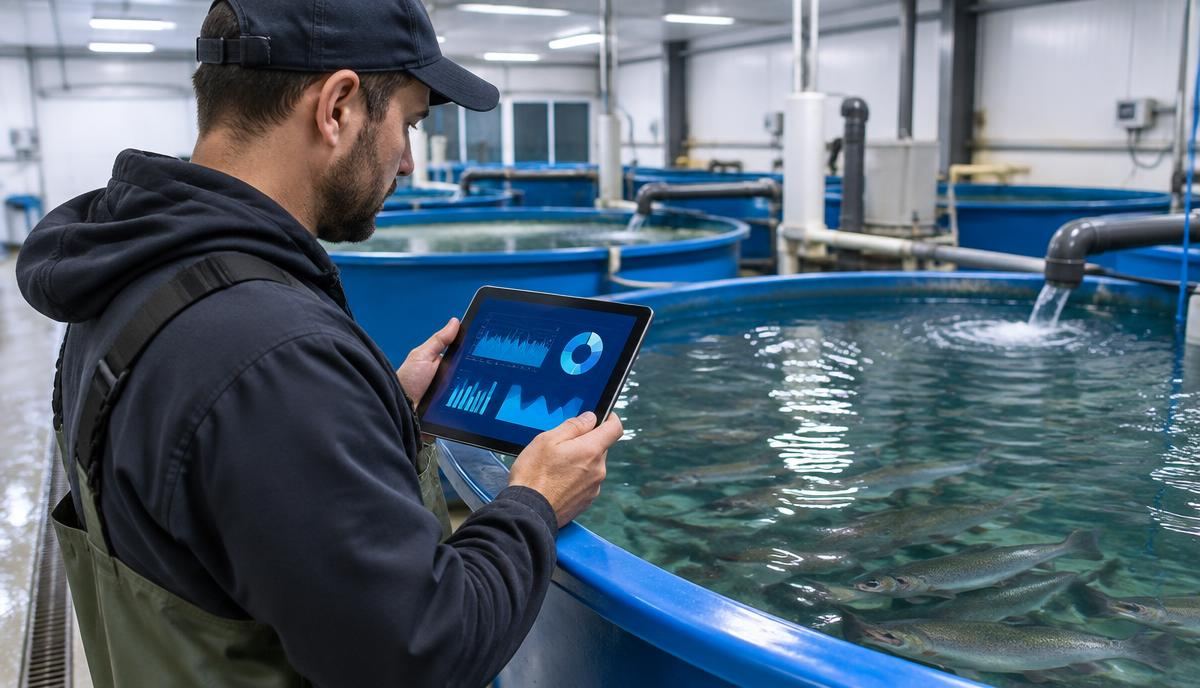
Remote monitoring lets a manager or technician check tank conditions from a phone or tablet without being on site, which is particularly useful for farms with multiple buildings, overnight shifts, or managers overseeing more than one site. It does not replace physical inspection, but it does extend coverage between visits and gives an auditable record of conditions over time, which can support both operational decisions and insurance or lender reporting. Buyers should clarify whether remote access is included as standard, what the data retention period is, and whether the system works over the connectivity actually available at the farm location,.
How do automatic feeders fit into the automation package?
Automatic feeders can be mechanical timers, demand feeders, or fully programmable units tied into the same control software as the water quality system. The practical question for an RFQ is integration: can the feeder be paused or adjusted automatically based on a dissolved oxygen alarm, and can feeding records be exported alongside water quality logs for feed conversion analysis. Related planning tools include the FCR calculator and the feed budget calculator, and background on matching feeders to farm type is covered in the fish feed and feeding system matching guide.
What should go into an RFQ for automation and monitoring systems?
An RFQ should list the number of tanks or zones to be monitored, which parameters are measured at each point, required alarm and notification methods, whether local control panels or a centralized system is preferred, the communication infrastructure available on site, feeder integration requirements, data logging and export needs,. It should also ask for sensor calibration schedules, spare sensor availability, warranty terms, and training or commissioning support. For general structure, the supplier checklist for aquaculture and the procurement toolkit are useful starting references, and a submitted RFQ that is reviewed by hand before being sent to matched suppliers helps keep these details consistent across every quote received.
How much does a fish farm automation and monitoring system cost?
Costs vary widely with the number of monitoring points, sensor types, software licensing model, and whether the system is a standalone retrofit or integrated into new construction. Rather than estimating a figure here, buyers should request itemized quotes that separate sensors, control hardware, software or subscription fees, installation, and ongoing calibration or support costs, since bundling these together makes it difficult to compare offers or budget for the system's full lifecycle. The operating cost calculator and commercial capex calculator can help frame these figures within a wider farm budget once supplier numbers are in hand.
How do you compare automation supplier offers fairly?
Comparison is difficult when one offer lists only hardware and another bundles software, support and training, so the first step is normalizing scope: confirm each quote covers the same sensors, the same number of monitoring points, the same alarm and notification features, and the same warranty and service terms. Ask every supplier the same written questions about sensor accuracy, calibration frequency, software update policy, and what happens if the internet connection fails. The how to compare RAS equipment quotes guide and the ras-bid-normalizer calculator are designed specifically to line up offers of this kind side by side.
How does automation protect stock and reduce mortality risk?
Automation does not eliminate risk, but it narrows the window between a problem starting and a person becoming aware of it. Continuous sensing catches gradual drifts in oxygen or ammonia that staff checking tanks a few times a day might miss, and automated alarms shorten response time during off-hours. This connects directly to broader water quality and mortality planning covered in the water quality management guide and the fish farm mortality reduction planning guide, both of which treat automation as one layer within a wider biosecurity and operations plan rather than a stand-alone fix.
How do automation systems fit into biosecurity and staff training?
Sensors and alarms are only effective if staff understand what the readings mean and how to respond, so training on the control panel, alarm procedures and manual backup steps should be part of the purchase, not an afterthought. This overlaps with zoning and hygiene practices described in the biosecurity zoning and HACCP guide and with onboarding covered in the staff training and operations guide. Buyers expanding a farm in phases should also review the phased aquaculture farm expansion guide to plan how monitoring coverage grows with each stage.
Checklist
Confirm which parameters are monitored at each tank or zone; request written sensor accuracy and calibration intervals; define alarm thresholds and escalation rules in writing; clarify fail-safe behavior for power or sensor failure; confirm feeder integration with water quality alarms; check remote access requirements against actual site connectivity; request itemized pricing separating hardware, software and support; ask about data logging, export and retention; confirm training and commissioning are included; verify warranty terms and spare sensor availability.
Frequently asked questions
Can automation systems be retrofitted to an existing farm? In most cases yes, though the scope depends on existing wiring, tank layout and available connectivity, which should be assessed before an RFQ is finalized. Do all tanks need every sensor type? Not necessarily; priority parameters like dissolved oxygen are usually monitored everywhere, while others may be sampled at representative points depending on the system design. Does remote monitoring replace on-site staff? No, it extends visibility between physical checks but does not substitute for routine inspection and maintenance. How long does installation typically take? Timelines depend on the number of monitoring points and whether the farm is new construction or a retrofit, and suppliers should be asked to confirm this directly in their quotes.
How FishMatch Group's tools and reviewed RFQ process help
Specifying and comparing automation and monitoring systems involves many interacting variables,. FishMatch Group's RFQ intake is reviewed by hand so the scope is clarified before it reaches matched suppliers, which helps keep quotes comparable. Supporting calculators, including oxygen demand, aeration sizing, dissolved oxygen and the ras-bid-normalizer, help buyers frame requirements and evaluate offers consistently. These tools support planning only; they do not replace engineering design, written supplier commitments, or a site-specific water assessment.
This article is planning guidance only, not engineering design or financial advice; final specifications should be confirmed with qualified engineers and suppliers in writing.
Related: see the supplier checklist for aquaculture, the aquaculture calculators and farm planning workflow guide, and the multi-supplier aquaculture project interfaces guide for related sourcing topics. For feed-side automation and sourcing, sister platform FeedMatch Group (https://feedmatchgroup.com) covers animal and aqua feed sourcing and feed mill projects, while ColdMatch Group (https://coldmatchgroup.com) covers industrial refrigeration and cold storage procurement relevant to post-harvest monitoring needs.
Aquaculture planning benchmarks
| Figure | Value | Context |
|---|---|---|
| CAPEX — RAS | USD 9,000–14,000 per tonne/yr | Global baseline before country cost factor. |
| CAPEX — Ponds | USD 1,800–4,000 per tonne/yr | Lined or earthen ponds, excluding land. |
| CAPEX — Cages | USD 2,500–5,500 per tonne/yr | Cages, moorings, nets and service equipment. |
| CAPEX — Flow-through | USD 4,000–7,000 per tonne/yr | Raceways and water intake works. |
| Energy use | RAS ~6 kWh/kg; ponds ~1.2; flow-through ~1.5; cages ~0.3 | Per kg of fish produced. |
| Typical FCR | Trout 1.1; salmon 1.2; shrimp 1.4; tilapia 1.6; carp 1.8 | kg feed per kg growth; varies with feed and management. |
| Farm size where FishMatch reviews projects | From ~USD 250,000 total project value | Commercial fish and shrimp projects. |
Related articles
Where this fits in a real project
Every FishMatch project runs through the same five reviewed stages, from a first enquiry to comparable quotations. See the full buyer journey.
Planning a commercial aquaculture project?
Send your project brief. A FishMatch specialist reviews it before relevant suppliers are contacted privately.
Request a quote