Global Planning of a Fish or Shrimp Farm with Free Calculators: A Step-by-Step Workflow

Short answer: Planning a commercial fish or shrimp farm requires a logical workflow that translates a production target into technical specifications and financial models. By using specialized calculators, developers can determine biomass, oxygen demand, power needs, and feed requirements before estimating CAPEX and OPEX to find the break-even point. This structured approach ensures that the eventual Request for Quotation (RFQ) is based on realistic biological and engineering assumptions, reducing the risk of technical failures during implementation. Accurate planning is the first step toward a sustainable operation.

What is the first step in planning a commercial aquaculture project?
The foundation of any successful aquaculture project is a clear production target. Rather than focusing on costs immediately, a developer should define how many tons of fish or shrimp they intend to harvest annually. This target dictates every variable in the system, from tank volumes to the capacity of life support equipment. When planning, consider local market demand, seasonality, and specific species growth characteristics. Starting with a production goal allows for backward modeling, where technical requirements are derived from biological needs at peak biomass. This methodology prevents undersizing equipment or overestimating revenue potential. Planners must account for potential losses to ensure the target is achievable. A well-defined target also helps in securing financing by showing lenders a measurable business model based on intended outputs. It ensures that every technical decision serves the ultimate commercial goal of the farm. Without a clear target, the project risks becoming a collection of mismatched components that fail to deliver the expected financial results.
How to determine the biomass capacity of a fish or shrimp farm?
Once the production target is set, calculate the peak biomass the facility must support. Biomass is the total weight of live animals and influences oxygen consumption, waste production, and space requirements. Using a biomass calculator helps developers understand how stocking density impacts the total load. For instance, a Recirculating Aquaculture System (RAS) requires precise calculations to ensure the biofilter can handle the metabolic load at harvest size, when the system is under peak stress. Accurate biomass modeling is the precursor to selecting tank sizes and filtration capacities. Planners must balance high densities against disease risks. Modeling the growth curve allows developers to identify peak demand periods, ensuring the infrastructure is perfectly sized for the intended biological load. This biological baseline is essential for accurate engineering and prevents the procurement of mismatched system components. By understanding the biomass dynamics, operators can better manage water quality and animal health throughout the production cycle, leading to more predictable harvests and better overall farm performance.
How much oxygen and aeration does a commercial fish farm need?
Oxygen is the critical limiting factor in intensive aquaculture. As biomass increases, the demand for dissolved oxygen rises, requiring continuous supply to prevent mortality and ensure optimal Feed Conversion Ratios (FCR). Developers must calculate metabolic demand and the demand from biofiltration. An oxygen demand calculator allows planners to size aeration equipment based on water temperature, salinity, and altitude. Higher temperatures reduce oxygen solubility, making efficient aeration vital in tropical environments. Over-specifying leads to unnecessary energy costs, while under-specifying risks catastrophic fish loss. A well-calculated strategy involves a multi-layered approach, using diffused air for mixing and pure oxygen injection for high-density environments. Redundancy is essential to ensure that mechanical failures do not jeopardize the stock during peak production. Proper aeration planning ensures that fish grow quickly and remain healthy throughout the cycle. This technical planning is the most reliable way to make sure the biological needs of the stock are met at all times, regardless of environmental fluctuations.
How to calculate power requirements for aquaculture equipment?
Aquaculture facilities are energy-intensive and demand a constant power supply. Pumps, aerators, and automated feeders must run 24/7 to maintain the environment. Developers must aggregate the kilowatt requirements of every component, accounting for both peak loads and continuous consumption. A power requirement calculator assists in determining total connected load and necessary transformer capacity. This data is also essential for sizing backup generators, which are mandatory for protecting the investment against grid failures. Understanding the power profile early allows developers to seek energy-efficient equipment, such as variable frequency drives. Consider local grid stability and utility costs, as these significantly impact long-term profitability. High power costs may justify larger upfront investments in efficient technologies that reduce the total energy footprint. A clear power budget reduces the risk of installation delays or insufficient site capacity during the startup phase. Energy management is not just a technical requirement but a core component of the farm's financial sustainability and operational resilience.
How much feed will a commercial fish farm consume per cycle?
Feed typically accounts for the majority of operating expenses, making it a critical financial variable. Calculating total feed requirement is necessary for logistics, storage sizing, and cash flow forecasting. Planners must estimate feed needed from fingerling to harvest, accounting for FCR and mortality rates. A feed budget calculator provides these projections, helping managers coordinate with suppliers and avoid stockouts. For large-scale procurement of high-quality feed, developers often utilize FeedMatch, a sister sourcing platform of FishMatch Group. Ensuring a stable supply of balanced feed is vital for meeting growth targets and maintaining animal health. Forecasting feed needs allows for better pricing through bulk purchasing and ensures storage facilities are correctly sized. This planning directly impacts profitability, as efficient feeding minimizes waste and reduces the load on the filtration systems. Accurate feed budgeting is a prerequisite for financial success, as it allows for precise control over the farm's most significant recurring expense and ensures that the biological growth potential of the stock is fully realized.
How to estimate CAPEX for a new aquaculture facility?
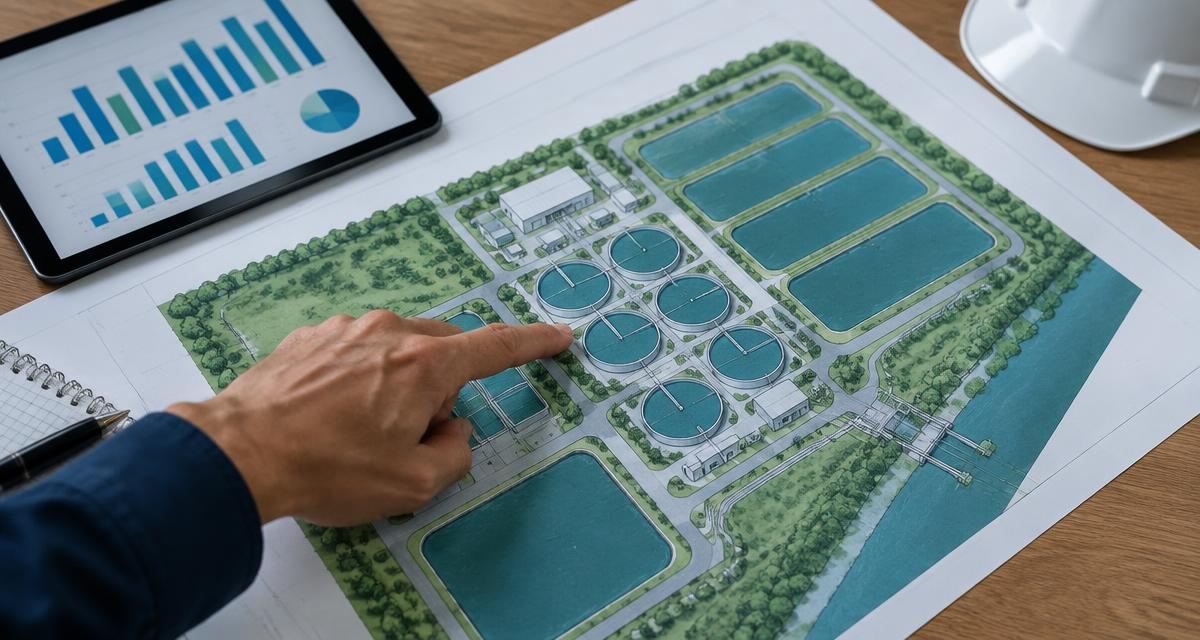
Capital Expenditure (CAPEX) covers everything from land to specialized machinery. For commercial projects, these costs are substantial and require detailed breakdowns for financing. Using a commercial CAPEX calculator helps organize expenses into categories like tanks, water treatment, and climate control. It is important to obtain preliminary quotes from multiple suppliers to ensure the budget reflects current market prices for high-quality components. Planners should include a contingency fund for unforeseen challenges or price fluctuations in raw materials. A transparent CAPEX model demonstrates due diligence to lenders and prevents budget overruns. Beyond hardware, CAPEX should account for soft costs like permits and engineering fees. A complete picture of the initial investment is the only way to accurately calculate the project's return on investment (ROI). This level of detail helps developers compare different technology providers and select the most cost-effective long-term solution for their specific site conditions. A well-structured CAPEX plan is the foundation of a successful funding application and ensures the project starts on a solid financial footing.
What are the main OPEX components in land-based aquaculture?
Operational Expenditure (OPEX) determines long-term viability once construction is complete. Beyond feed and power, a comprehensive OPEX model includes labor, water, fingerlings, maintenance, and insurance. A detailed operating cost calculator allows developers to project these recurring expenses, providing a clear view of cash flow requirements. By modeling different scenarios, planners can identify financial risks and develop mitigation strategies. Understanding the cost per kilogram of produced fish is essential for setting competitive market prices. Efficient management practices are the key to minimizing OPEX without compromising animal welfare. Developers should also factor in waste management and environmental compliance. Continuous monitoring and optimization lead to significant savings over time, improving the farm's resilience. A well-modeled OPEX plan allows for better strategic decision-making throughout the farm's operational life and helps identify areas where efficiency can be improved. This ongoing financial oversight is critical for maintaining profitability in a competitive global market and ensures the farm can adapt to changing economic conditions.
How to calculate the break-even price for fish or shrimp production?
The break-even price is the minimum market price at which the farm covers all operating and capital costs. This figure is a critical metric for assessing commercial feasibility. To find it, divide total annual costs—including depreciation and interest—by the total volume of fish sold. A break-even price calculator simplifies this calculation, providing a clear threshold for profitability. If the projected break-even price is higher than the average market price, the project may need redesigning for better efficiency. Investors look closely at this number to gauge the safety margin against market volatility. A low break-even price indicates a resilient operation that can survive periods of low market prices. Conservative estimates for yield and costs are vital when performing this calculation, ensuring the farm remains financially sustainable. Understanding this threshold helps developers negotiate better sales contracts with wholesalers and retailers. It also provides a clear target for the management team to aim for in terms of cost reduction and production efficiency, ensuring the long-term viability of the enterprise.
How to choose the right cold chain equipment for harvest?
Planning does not end at harvest; the journey to the consumer is equally important. Maintaining product quality through a robust cold chain is essential for achieving the highest market price and minimizing losses. This involves sizing chillers, ice machines, and cold storage based on daily harvest volume and market distance. For specialized procurement of refrigeration equipment, developers can turn to ColdMatch, a sister sourcing platform of FishMatch Group. Integrating harvest requirements into the initial workflow ensures the facility has the infrastructure to handle peak periods without bottlenecks. Proper cooling technology reduces spoilage and extends shelf life, which is critical for reaching premium domestic and export markets. Buyers should look for energy-efficient refrigeration solutions that are compatible with the farm's power strategy. This integrated approach maximizes the value of every kilogram produced and protects the project ROI. By including the cold chain in the initial planning, developers avoid the common mistake of producing high-quality fish only to lose their value during transport and storage.
Checklist
Set a realistic annual production target based on market research; Calculate peak biomass and stocking density requirements for the species; Determine total oxygen and aeration needs for biological safety; Aggregate power requirements for all equipment and size backup systems; Project total feed consumption and organize storage logistics; Estimate CAPEX including civil, mechanical, and electrical costs; Model recurring OPEX to determine the cost per kilogram; Calculate the break-even price to assess financial feasibility; Prepare a detailed technical brief for equipment supplier engagement; Schedule a professional review of the Request for Quotation (RFQ); Verify local environmental regulations; Establish a monitoring plan for water quality.
How do FishMatch Group calculators and a reviewed RFQ streamline procurement?
The suite of tools provided by FishMatch Group, including the RAS feasibility calculator, biomass calculator, oxygen demand calculator, and power requirement calculator, allows buyers to build a robust technical foundation. These tools translate biological needs into engineering requirements clearly for suppliers. Once planning and modeling are complete, the next step is the /rfq-intake process. FishMatch Group provides a human-reviewed RFQ service where technical experts examine the project brief to ensure requirements are clearly defined and sound. This review filters out ambiguities that lead to mismatched quotes or delays. By presenting manufacturers with a professional, reviewed RFQ, buyers receive more accurate and comparable offers. This structured approach to procurement ensures that selection is based on total value rather than just initial price, leading to a successful operation and reducing technical risks. By combining technical modeling with expert review, FishMatch Group helps buyers navigate the complexities of commercial aquaculture sourcing and ensures that the final equipment package is perfectly suited to the project's unique requirements.
Frequently asked questions
Q: Can I use these calculators for both fish and shrimp farms? Answer: Yes, the calculators handle various species by adjusting parameters like stocking density and oxygen demand. Q: Are the calculated figures final for engineering purposes? Answer: No, these tools provide planning guidance only and should be followed by professional engineering design and site assessments. Q: How do I get actual equipment prices after using the calculators? Answer: You should submit your project requirements through the /rfq-intake form to receive human-reviewed quotes from suitable suppliers. Q: Is there a cost to use the FishMatch Group calculators or the RFQ review service? Answer: The calculators are free tools, and the RFQ intake service is provided to help developers prepare their technical briefs for matched suppliers.
Related: RAS farm cost guide, shrimp farming equipment guide, and aquaculture project financing. This article is intended for planning guidance only and does not constitute engineering design or financial advice.
Aquaculture planning benchmarks
| Figure | Value | Context |
|---|---|---|
| CAPEX — RAS | USD 9,000–14,000 per tonne/yr | Global baseline before country cost factor. |
| CAPEX — Ponds | USD 1,800–4,000 per tonne/yr | Lined or earthen ponds, excluding land. |
| CAPEX — Cages | USD 2,500–5,500 per tonne/yr | Cages, moorings, nets and service equipment. |
| CAPEX — Flow-through | USD 4,000–7,000 per tonne/yr | Raceways and water intake works. |
| Energy use | RAS ~6 kWh/kg; ponds ~1.2; flow-through ~1.5; cages ~0.3 | Per kg of fish produced. |
| Typical FCR | Trout 1.1; salmon 1.2; shrimp 1.4; tilapia 1.6; carp 1.8 | kg feed per kg growth; varies with feed and management. |
| Farm size where FishMatch reviews projects | From ~USD 250,000 total project value | Commercial fish and shrimp projects. |
Related articles
Where this fits in a real project
Every FishMatch project runs through the same five reviewed stages, from a first enquiry to comparable quotations. See the full buyer journey.
Planning a commercial aquaculture project?
Send your project brief. A FishMatch specialist reviews it before relevant suppliers are contacted privately.
Request a quote