Why the Cheapest Aquaculture Equipment Quote Can Cost More Than You Expect
Short answer: The lowest-priced quote often fails to account for the true total cost of ownership, as initial savings are frequently offset by higher energy consumption, shorter equipment lifespans, and expensive, non-standard spare parts that complicate long-term farm management. Professional buyers prioritize long-term efficiency and reliability over immediate savings to protect their investment and ensure biological stability across the production cycle.
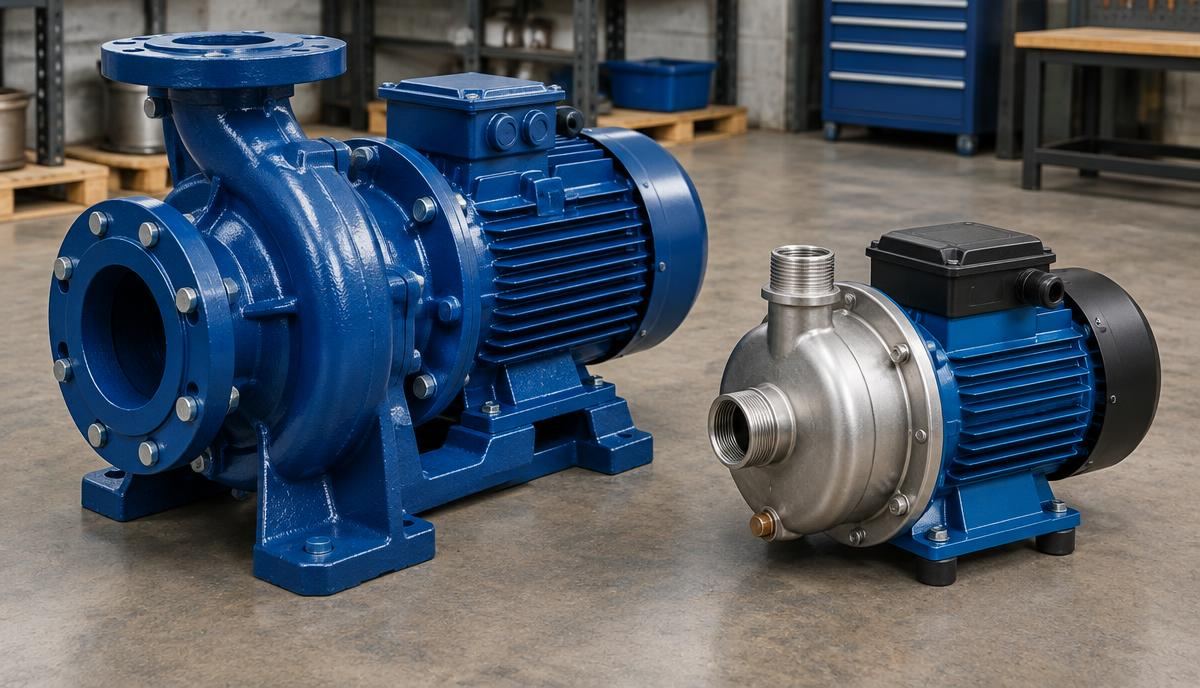
Why is the initial equipment quote rarely the full cost of ownership?
When evaluating aquaculture equipment, the initial purchase price is rarely the total capital requirement for a functioning system. A quote that appears significantly lower than others often omits critical components required for full operation, such as sensors, mounting hardware, or specialized electrical interfaces. By stripping out these essential elements, vendors present an attractively low price, forcing you to purchase these components separately later at a premium. Furthermore, low-cost quotes often lack the engineering support needed to integrate the item into your broader farm layout, leading to unexpected field modifications that drive up installation labor. Always perform a line-by-line comparison using tools like our comparing aquaculture proposals line-by-line guide to ensure every critical item is accounted for before you commit to a purchase.
How do lower duty ratings impact equipment lifespan and farm safety?
Equipment built for intensive aquaculture must handle continuous operation in harsh, corrosive environments where salt and moisture are constant. Low-cost alternatives often feature lower duty ratings, meaning they are designed for light use rather than the rigorous demands of around-the-clock commercial fish farming. When you push budget-grade equipment beyond its intended threshold, you significantly accelerate wear and tear, leading to premature failure of bearings, seals, and motors. This results in constant repair expenses and risks catastrophic system downtime that can threaten the survival of your entire stock. In a high-biomass system, even a few hours of failure can lead to critical oxygen depletion. Investing in equipment with appropriate duty ratings ensures that your infrastructure matches the realities of your daily operational load and provides the necessary safety margin to handle peak demand periods without failure.
Why is energy consumption a hidden operational cost in cheap equipment?
While high-efficiency pumps or blowers may command a higher upfront price, they minimize power draw over thousands of hours of operation. Low-cost equipment often utilizes older motor technologies or less efficient designs that consume significantly more electricity to achieve the same water flow or aeration levels. Because energy costs are one of the largest ongoing expenses in modern aquaculture, even a small difference in efficiency can result in substantial excess operational spending over the lifespan of the machine. A cheap pump might save money today but cost much more in utility bills over five years. Utilizing a TCO comparison tool allows you to model these energy costs effectively, showing how higher capital investment can yield significant savings. When requesting quotes, ask suppliers to state the energy efficiency and power consumption under full load in writing to ensure you are comparing performance over the long term.
Why are proprietary spare parts a long-term risk for budget sourcing?
Some low-cost suppliers utilize proprietary components or non-standard dimensions that cannot be easily replaced with off-the-shelf parts from local distributors. When these machines require servicing, you are often locked into purchasing replacements exclusively from that specific manufacturer, who may charge higher prices because there is no competition. This creates a dangerous dependency on the supplier's logistics chain; if the supplier experiences delays, your equipment becomes unserviceable. A robust equipment strategy prioritizes machinery that uses widely available, modular components and standard industrial fasteners. This approach ensures that when a breakdown occurs, your maintenance team can source what they need locally and quickly, minimizing system interruption. Before buying, ask for a detailed spare parts list and verify if these items are compatible with generic industrial standards to protect your long-term independence.
How does warranty and service support influence long-term reliability?
A comprehensive warranty reflects the manufacturer's confidence in their product and commitment to long-term support. Lower quotes frequently come with limited warranty terms or a lack of accessible technical support in your region. When your equipment fails, the cost of downtime—lost production and urgent repairs—can easily dwarf any savings gained from the initial purchase price. A vendor who offers a higher quote often includes onsite commissioning support, training for your staff, and a dedicated service agreement that ensures rapid response times. Before selecting a supplier, ask them to provide their warranty terms in writing and clarify the process for obtaining technical support or replacement parts in your specific country. Understanding the aquaculture equipment spare parts warranty service landscape is essential for maintaining high uptime in commercial operations.
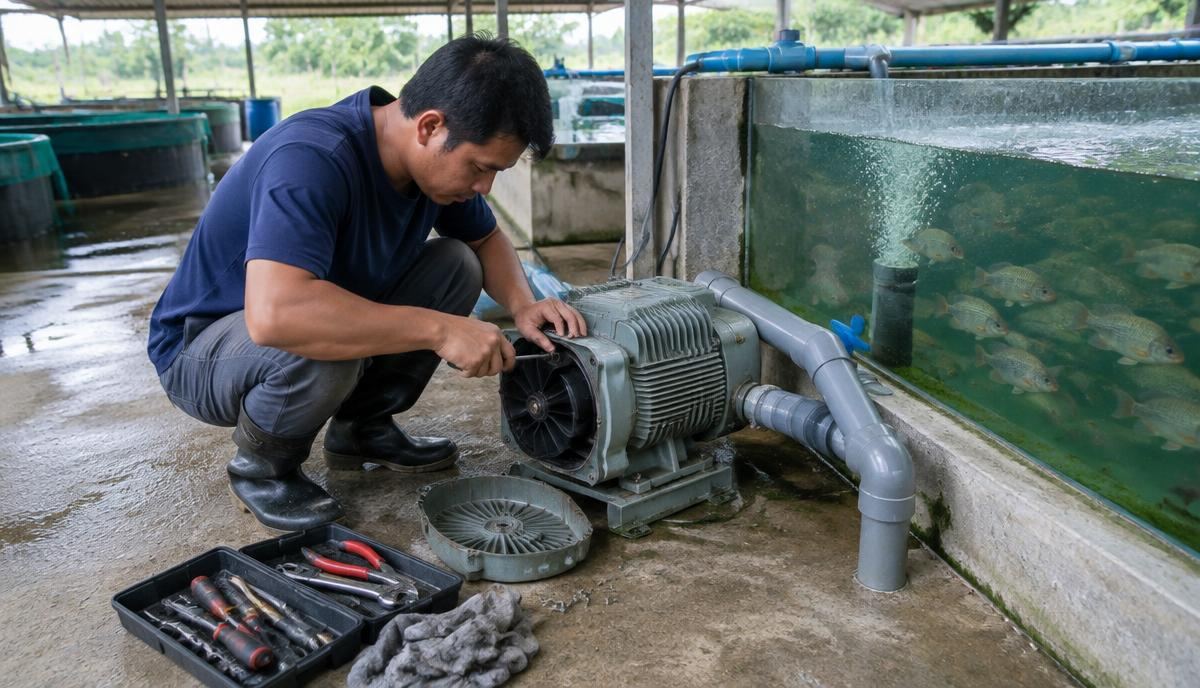
Why do delivery terms change the real cost of aquaculture gear?
The way an item is transported can add significant hidden costs often excluded from a basic factory-gate quote. Vague delivery terms or the absence of clear Incoterms can lead to unexpected charges at customs, port handling fees, or additional logistics expenses during the final mile. A quote that seems cheap may also lack professional export packaging or insurance, leaving you vulnerable to the costs of damaged goods upon arrival. Furthermore, the cost of shipping large components internationally can fluctuate; a supplier who includes shipping and handling in their quote provides more price certainty than one who leaves these costs to be determined later. Always require that quotes include clearly defined shipping responsibilities and delivery terms to avoid financial surprises once the equipment is in transit. It is vital to calculate the full ras equipment prices landed cost rather than just the price at the factory door.
Why is system compatibility essential for effective farm integration?
Aquaculture systems are complex ecosystems where every piece of equipment must work in harmony. Low-cost suppliers may provide hardware that is not natively compatible with your existing aquaculture automation and monitoring systems or uses communication protocols that do not talk to your main control panel. Attempting to force different technologies to interface often requires costly custom wiring, complex integration software, or the installation of expensive gateways. When evaluating proposals, consider how new equipment fits into your existing farm architecture and whether it requires proprietary software that adds yearly licensing fees. Ensuring seamless integration from the start reduces the need for costly future modifications and streamlines your daily aquaculture equipment commissioning and handover processes, ultimately leading to a more stable and easier-to-manage farm environment.
Checklist
Request written confirmation of all included scope items; verify duty ratings meet your continuous operational requirements in saline or humid conditions; demand clear energy efficiency ratings and power consumption figures; ensure all spare parts are standard or easily sourced; review warranty duration and specific service response commitments; confirm delivery terms (Incoterms) include all logistics and insurance; check compatibility with existing sensors and control panels; request a TCO breakdown for a five-year period; evaluate the ease of onsite installation and maintenance by your own crew; ask for a list of recommended critical spares to be kept onsite at all times.
Frequently asked questions
Q: Can I use TCO analysis to compare different types of equipment? A: Yes, TCO analysis helps compare everything from blowers to aquaculture UV ozone disinfection equipment by considering both purchase and operational costs over time. Q: What should I look for in a warranty document before signing? A: Look for clear definitions of what is covered, the duration, and the specific process for reporting faults and receiving replacements without hidden fees. Q: How can I identify if a quote is missing items? A: Compare it against your internal aquaculture equipment checklist and demand a detailed bill of materials from every vendor to ensure no hidden extras. Q: Why do some suppliers offer much lower prices? A: Lower prices often reflect reduced material quality or the exclusion of critical support services.
How do FishMatch Group's calculators and reviewed RFQ help?
By centralizing your requirements into a single rfq-intake, you ensure that every supplier is bidding on the exact same scope of work. This eliminates the comparison problem that often leads buyers to pick the cheapest—but ultimately costliest—option. Our platform helps you gather standardized quotes, enabling a transparent comparison that accounts for operational efficiency, durability, and total lifecycle costs rather than just the initial sticker price. Our human-reviewed process identifies gaps in quotes before you see them, ensuring that you receive proposals that are actually comparable and realistic for your specific project needs. This professional oversight reduces the risk of project delays and cost overruns caused by missing equipment, helping you build a more bankable and profitable aquaculture enterprise from day one. This article is a planning guide only, not engineering or financial advice.
Related: Comparing aquaculture proposals line-by-line, TCO Comparison, Buyer checklist
Aquaculture planning benchmarks
| Figure | Value | Context |
|---|---|---|
| CAPEX — RAS | USD 9,000–14,000 per tonne/yr | Global baseline before country cost factor. |
| CAPEX — Ponds | USD 1,800–4,000 per tonne/yr | Lined or earthen ponds, excluding land. |
| CAPEX — Cages | USD 2,500–5,500 per tonne/yr | Cages, moorings, nets and service equipment. |
| CAPEX — Flow-through | USD 4,000–7,000 per tonne/yr | Raceways and water intake works. |
| Energy use | RAS ~6 kWh/kg; ponds ~1.2; flow-through ~1.5; cages ~0.3 | Per kg of fish produced. |
| Typical FCR | Trout 1.1; salmon 1.2; shrimp 1.4; tilapia 1.6; carp 1.8 | kg feed per kg growth; varies with feed and management. |
| Farm size where FishMatch reviews projects | From ~USD 250,000 total project value | Commercial fish and shrimp projects. |
Related articles
How to Choose Aerators for Commercial Fish and Shrimp Ponds
A guide for commercial buyers on selecting aeration equipment, calculating oxygen demand, and comparing supplier quotes for large-scale aquaculture projects.
EquipmentHow to Choose Automatic Fish Feeders for Commercial Aquaculture Projects
Learn how to select the right automatic fish and shrimp feeders based on system type, pellet size, and automation needs to optimize growth and reduce labor costs in commercial farming.
EquipmentSelecting Commercial Aquaculture Pumps, Pipework, and Valves: A Buyer’s Guide
Learn how to specify, compare, and buy water pumps, pipework, and valves for commercial RAS, hatcheries, and pond farms to ensure system reliability and energy efficiency.
EquipmentCommercial Fish Cage Farm Equipment Buying Guide: HDPE Collars, Nets, and Mooring Systems
A comprehensive guide for commercial buyers on sourcing HDPE cages, net materials, mooring grids, and site-specific equipment for sea and lake aquaculture projects.
Where this fits in a real project
Every FishMatch project runs through the same five reviewed stages, from a first enquiry to comparable quotations. See the full buyer journey.