Commercial Fish Cage Farm Equipment Buying Guide: HDPE Collars, Nets, and Mooring Systems
Short answer: Buying commercial cage farm equipment requires a site assessment of wave height, current speed, and bathymetry to ensure that HDPE collars, mooring grids, and netting materials are engineered for specific environmental loads. Successful procurement involves comparing quotes on material specifications such as HDPE SDR ratings and net breaking strength, while planning for integrated feed barges and predator protection systems. This article is a planning guide only, not engineering or financial advice.
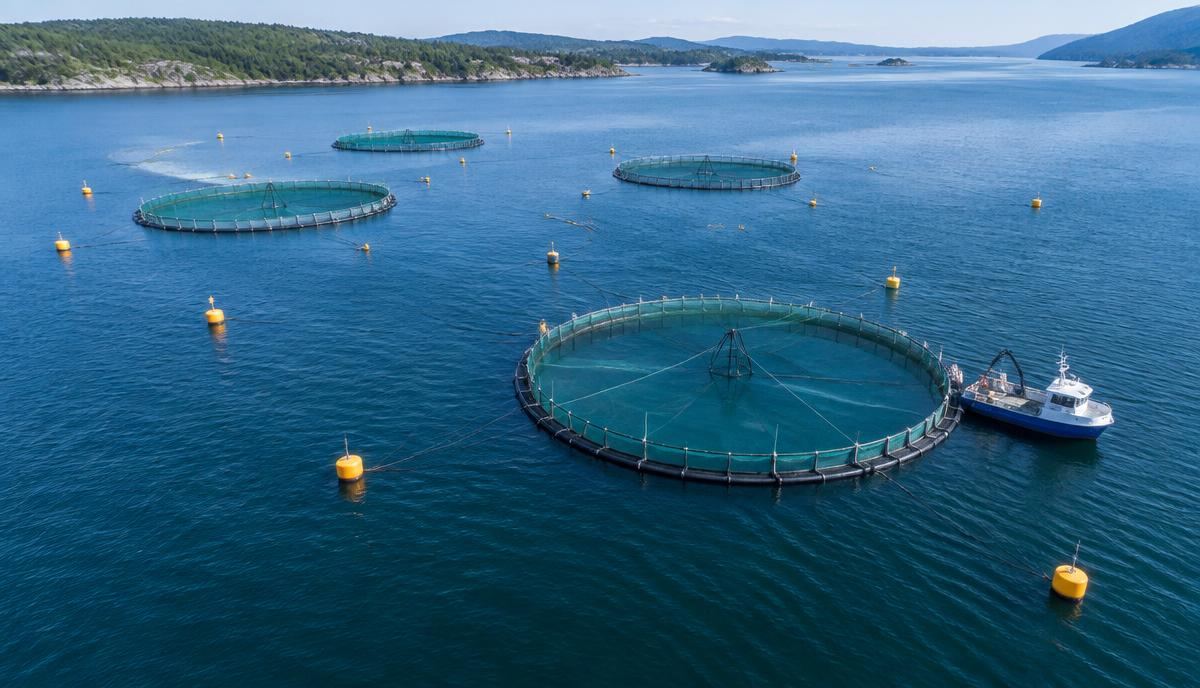
What site survey data do manufacturers require for a professional cage farm quote?
Manufacturers require environmental data to determine structural requirements. Provide bathymetric maps, maximum wave heights, and current speed profiles. This data allows engineers to calculate necessary buoyancy for HDPE collars and tension requirements for mooring lines. Accurate aquaculture site selection water assessment data ensures equipment is not under-engineered for safety or over-engineered for cost.
How do you select the correct HDPE collar specifications for marine environments?
HDPE collars are the industry standard for circular cages, but buyers must specify the correct pipe diameter and SDR rating. For offshore marine sites, larger diameter pipes with thicker walls are essential for structural integrity and buoyancy. In contrast, lake-based systems for tilapia may use smaller diameter pipes. Ask suppliers to state the HDPE grade and UV-stabilization properties in writing. Use the cage farming capacity calculator to determine how many collars are required.
How to evaluate netting materials for durability and fouling resistance?
Netting material choice impacts fish health and operational costs. Nylon nets are strong but prone to stretching and biofouling, restricting water flow. Polyethylene (PE) nets offer better abrasion resistance, while specialized HDPE-infused mesh provides superior predator resistance and reduced fouling rates. Request technical data sheets showing mesh breaking strength. Planning your cage farm capacity planning must account for the reduction in water flow caused by potential fouling.
What components are essential for a robust commercial mooring grid system?
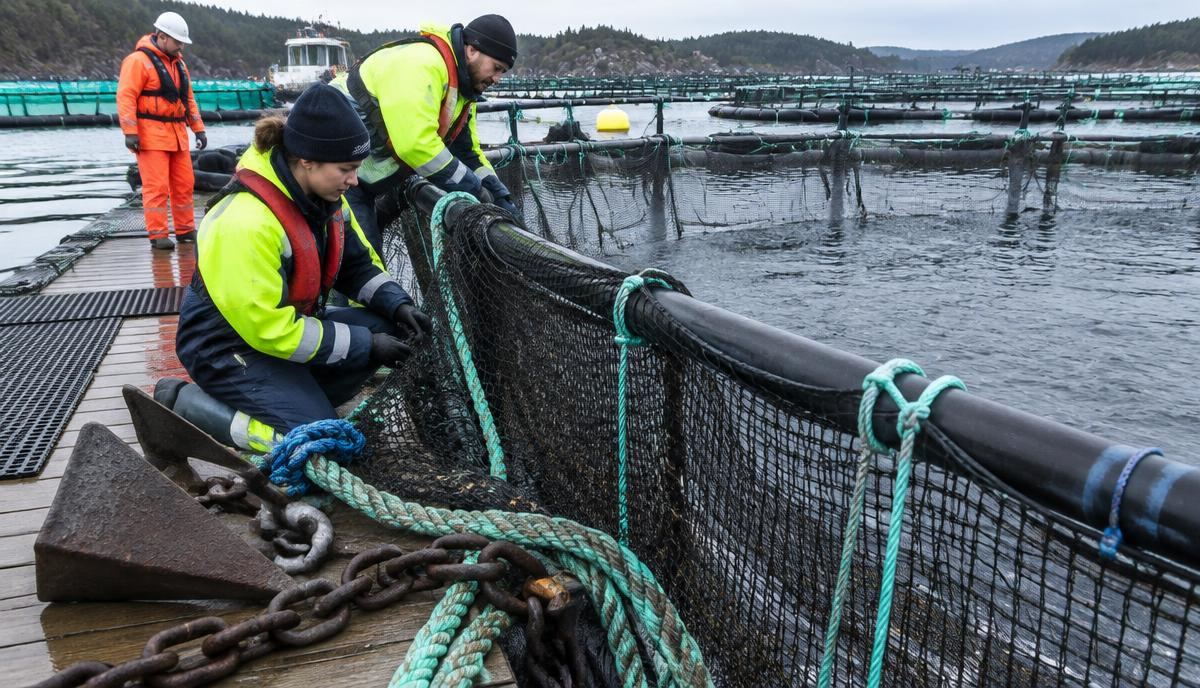
A mooring grid uses ropes, chains, and buoys to hold multiple cages in a stable configuration. The grid must be engineered as a single unit using high-performance synthetic ropes and heavy-duty galvanized chains. Large corner buoys provide tension to keep the grid square, preventing cage collisions. Ensure all shackles and connection rings are rated for maximum expected loads. Following a structured aquaculture equipment sourcing step-by-step approach helps ensure that every component meets safety standards.
How do you evaluate different anchor types for lake and marine cage farm sites?
Anchor effectiveness depends on the specific site substrate. Drag anchors are common for sandy or muddy seabeds because they dig deeper under tension, offering high holding power. In rocky environments, concrete blocks or gravity anchors may be necessary, though they require significantly more weight. Screw anchors can be driven into the seabed for high resistance with a smaller footprint. Ask suppliers to state the holding capacity of their proposed anchors based on your seabed composition to avoid farm displacement.
What predator protection systems are necessary for high-value marine species?
Predator attacks from seals or sharks cause mortality and equipment damage. A multi-layered strategy is required, starting with a perimeter anti-predator net that creates a physical buffer zone. These nets should be made of stiff, cut-resistant materials to prevent predators from biting through the mesh. Top bird nets are also essential for preventing avian predators from entering cages. Integrating these systems early ensures cage collars are engineered for the additional weight. Using the procurement toolkit helps buyers identify the necessary security specifications.
How should commercial buyers compare feed barge and service boat configurations?
Feed barges house silos, pneumatic feeding systems, and living quarters. When selecting a barge, consider storage capacity relative to feeding frequency and restocking logistics in rough seas. Automated feeding systems integrated into the barge can distribute feed to multiple cages while monitoring appetite to minimize waste. Service boats must be equipped with cranes for handling heavy nets and mooring components. Ensure fish feed and feeding system matching is optimized to improve the overall return on investment.
What technologies improve net cleaning efficiency and maintain optimal fish health?
Maintaining clean nets is vital for oxygen levels and removing pathogens. Modern farms use Remotely Operated Vehicles (ROVs) equipped with high-pressure water jets to clean mesh in situ without removing nets. These systems can be programmed for consistent coverage and frequent cleaning cycles to prevent heavy fouling. In-situ cleaning reduces the need for chemical anti-fouling coatings and minimizes net handling. Investing in cleaning technology is a core component of efficiency and is included in the tilapia cage farming project checklist.
How can you accurately compare competing cage equipment quotes from different suppliers?
Comparing cage equipment quotes is challenging because suppliers use different units and standards. A low-cost quote might exclude hardware like mooring shackles or use lower-grade HDPE pipe. Normalize these offers by creating a spreadsheet listing every component—collars, nets, mooring lines, anchors, and hardware—and ask each supplier for the weight, material grade, and breaking strength of each item. Pay attention to shipping, taxes, and installation supervision costs. Using a professional approach to comparing aquaculture proposals line-by-line ensures informed decisions.
What role does installation supervision play in equipment longevity and warranty?
Engineered cage equipment will fail if not installed correctly, making onsite supervision by engineers a critical requirement. Professional supervisors ensure mooring grids are tensioned correctly, anchors are set at proper angles, and nets are attached without uneven stress. Many manufacturers only honor warranties if their staff oversee deployment, as improper handling is a common cause of premature wear. Buyers should insist that the installation process is documented with photos and video. This level of oversight is a key part of the project management process.
How does cage farm capacity planning influence your equipment procurement strategy?
Production goals dictate the size and number of cages required, which influences the mooring grid and feed barge needs. Planning for maximum biomass is essential to avoid overcrowding and disease risk. Conversely, over-sizing a farm before you have operational experience leads to unnecessary capital expenditure. Buyers should use growth models to project future needs and choose equipment that allows for modular expansion. Understanding the ras vs sea cage farming comparison can also help investors decide if cage farming is the most appropriate method for their specific species.
Why is integrated procurement essential for large-scale cage aquaculture projects?
Large-scale cage projects involve dozens of suppliers for pipes, netting, mooring hardware, and automation, creating complex technical interfaces. Integrated procurement ensures all components are compatible, such as ensuring net weight does not exceed collar buoyancy. When buyers source components individually, they often face challenges where suppliers blame each other for system failures. By utilizing a central platform for an rfq-intake process, buyers can manage these interfaces effectively and ensure the system is delivered as a cohesive unit. This approach reduces project risk and ensures financial goals.
Checklist
A comprehensive site survey including bathymetry and wave heights; HDPE collars with appropriate SDR ratings and UV stabilization; high-strength netting materials suited for local predator and fouling conditions; a fully engineered mooring grid with rated hardware; suitable anchors for the specific seabed substrate; integrated predator protection systems including bird nets; centralized feed barges with sufficient silo capacity; service boats equipped for net handling and maintenance; automated or ROV-based net cleaning systems; onsite installation supervision and documented deployment; spare parts for critical mooring components; equipment warranties and service level agreements.
Frequently asked questions
How long do HDPE fish cages typically last in marine environments? Well-engineered HDPE collars often have a service life exceeding twenty years, though nets and mooring ropes may need replacement every five years. What is the most important factor in preventing cage escapes? Ensuring the netting material is resistant to predators and that the mooring system maintains constant tension to prevent net deformation is the primary defense. Can I use the same mooring system for different cage sizes? Mooring grids are typically engineered for specific cage dimensions; changing sizes requires a re-evaluation of grid tension and anchor power. Is it better to buy all cage equipment from a single supplier? Sourcing from a single supplier can simplify compatibility and warranty issues, but for large projects, buyers often optimize their investment by using a central platform to compare specialized offers.
How do FishMatch Group's calculators and reviewed RFQ help?
FishMatch Group simplifies the complex process of sourcing cage farm equipment by providing buyers with the tools and expertise needed to make informed decisions. Our platform allows project owners to submit a single, detailed RFQ that is reviewed by aquaculture experts who understand the technical nuances of HDPE specifications and mooring engineering. We then approach a global network of qualified suppliers to gather comparable offers, stripping away the marketing noise to focus on material quality and technical compliance. By using our procurement tools and specialized calculators, buyers can normalize competing quotes and identify the most cost-effective solutions that meet their specific site requirements. This human-reviewed approach ensures that you receive the right equipment for your project, backed by data and expert analysis.
Related: Compare aquaculture quotes line-by-line, aquaculture equipment sourcing guide, tilapia cage farming checklist.
Aquaculture planning benchmarks
| Figure | Value | Context |
|---|---|---|
| CAPEX — RAS | USD 9,000–14,000 per tonne/yr | Global baseline before country cost factor. |
| CAPEX — Ponds | USD 1,800–4,000 per tonne/yr | Lined or earthen ponds, excluding land. |
| CAPEX — Cages | USD 2,500–5,500 per tonne/yr | Cages, moorings, nets and service equipment. |
| CAPEX — Flow-through | USD 4,000–7,000 per tonne/yr | Raceways and water intake works. |
| Energy use | RAS ~6 kWh/kg; ponds ~1.2; flow-through ~1.5; cages ~0.3 | Per kg of fish produced. |
| Typical FCR | Trout 1.1; salmon 1.2; shrimp 1.4; tilapia 1.6; carp 1.8 | kg feed per kg growth; varies with feed and management. |
| Farm size where FishMatch reviews projects | From ~USD 250,000 total project value | Commercial fish and shrimp projects. |
Related articles
Why the Cheapest Aquaculture Equipment Quote Can Cost More Than You Expect
Selecting the lowest-priced aquaculture equipment quote often obscures hidden expenses related to performance, durability, and operational compatibility.
EquipmentHow to Choose Aerators for Commercial Fish and Shrimp Ponds
A guide for commercial buyers on selecting aeration equipment, calculating oxygen demand, and comparing supplier quotes for large-scale aquaculture projects.
EquipmentHow to Choose Automatic Fish Feeders for Commercial Aquaculture Projects
Learn how to select the right automatic fish and shrimp feeders based on system type, pellet size, and automation needs to optimize growth and reduce labor costs in commercial farming.
EquipmentSelecting Commercial Aquaculture Pumps, Pipework, and Valves: A Buyer’s Guide
Learn how to specify, compare, and buy water pumps, pipework, and valves for commercial RAS, hatcheries, and pond farms to ensure system reliability and energy efficiency.
Where this fits in a real project
Every FishMatch project runs through the same five reviewed stages, from a first enquiry to comparable quotations. See the full buyer journey.