Global Matching Fish Feed to Feeding Systems and Farm Design: Why Suppliers Must Plan Together
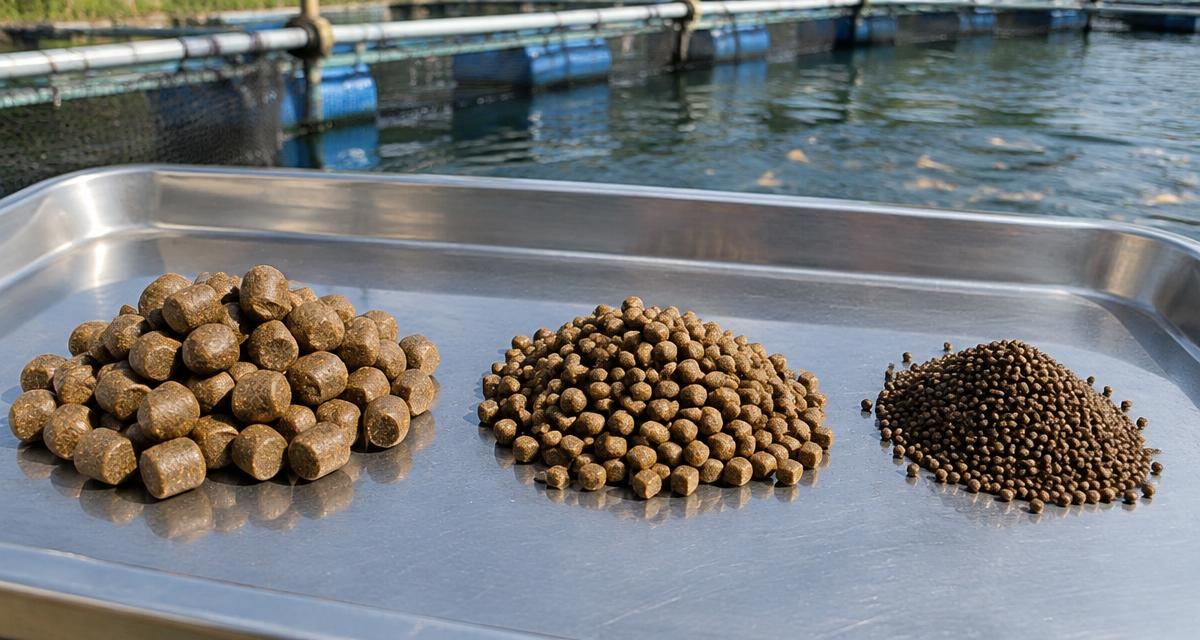
Short answer: Matching fish feed to feeding systems and farm design ensures that the physical properties of the pellet do not interfere with mechanical operation or overwhelm the biological filtration capacity. Misalignment leads to feed breakage, poor distribution, and increased nutrient waste, which negatively impacts the Feed Conversion Ratio (FCR) and operational profit. Integrated planning between suppliers is essential for peak performance.

Why should fish feed suppliers and equipment manufacturers communicate during farm planning?
In commercial aquaculture, feed is the primary operational cost, while the feeding system and farm infrastructure represent significant capital expenditure. If these components are planned in isolation, technical friction often arises. Feed suppliers design pellets for nutritional performance, but these must align with how the equipment handles the material. For example, a pneumatic system using high air pressure can cause attrition in soft pellets, creating dust that fish cannot consume. Conversely, feeders designed for specific diameters may jam if the manufacturer produces batches with high size variance. When suppliers share specifications early, they can adjust mechanical tolerances and pellet durability, reducing the likelihood of failures. Coordinating during procurement ensures biological capacity is calibrated to the specific nutritional profile of the feed.
How does pellet size and density affect pneumatic feeding system performance?
The physical characteristics of fish feed directly influence how the material travels through transport pipes and spreaders. Pneumatic systems rely on a precise balance of air volume and pressure. If pellets are too light or have an aerodynamic profile differing from the system's design, they may not travel the intended distance, leading to poor distribution within the tank. This results in size variation at harvest as larger fish dominate the feeding area. Pellet density also dictates sedimentation rates. In cage systems, sinking speed determines how long feed remains in the water column. If the system is designed for slow-sinking pellets but the supplier provides fast-sinking ones, feed reaches the bottom before consumption. During planning, buyers must verify that spreaders are capable of handling the density ranges intended for different life stages. FeedMatch, a sister sourcing platform of FishMatch Group, can assist in finding feed producers who meet these specific physical requirements.
What impact does feed composition have on RAS biofilter sizing and load?
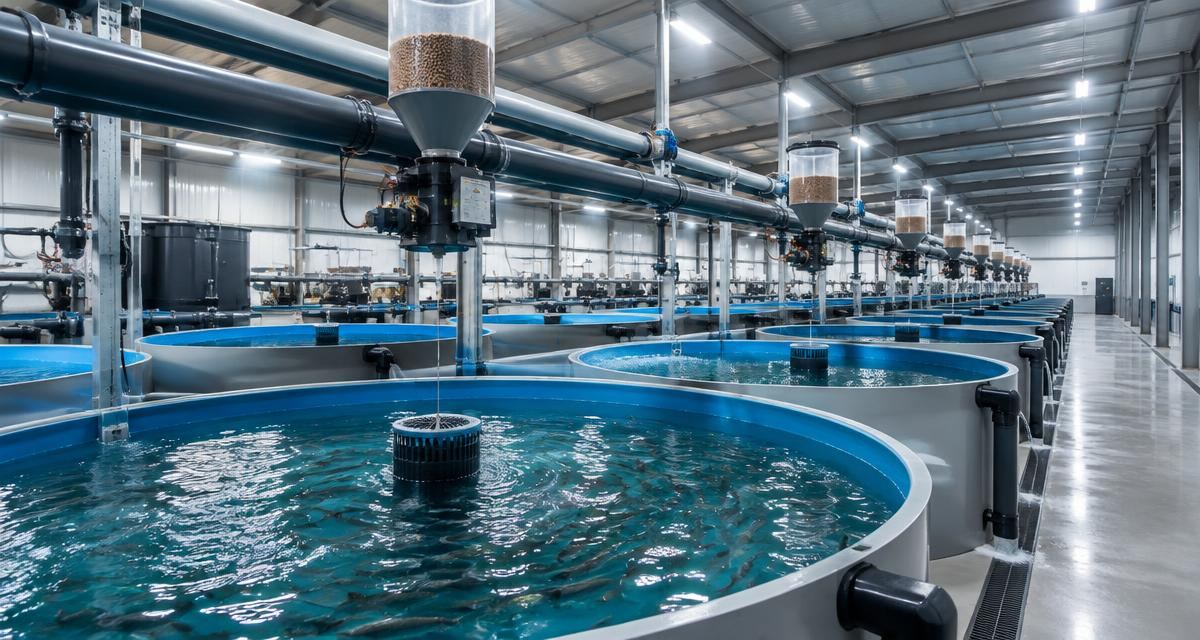
In RAS, the biofilter converts toxic ammonia into nitrate, and its efficiency is determined by the projected feed load and dietary ingredients. High-energy diets produce more metabolic waste. If the filtration system is designed for a standard diet and the operator switches to a high-performance specialty feed, the resulting ammonia surge could exceed the biofilter's nitrification capacity. This leads to water quality degradation and stress on the fish. Physical pellet stability is equally important for mechanical filtration. If a pellet breaks down quickly, it releases fine suspended solids that are difficult to capture. These fines can travel to the biofilter, coating the biofilm and reducing oxygen transfer efficiency. When feed suppliers and RAS engineers coordinate, they select formulations with binders that maximize integrity, ensuring waste is captured as large particles. This coordination protects the biofilter.
How to choose the right feeder type for specific commercial aquafeed physical properties?
Choosing a feeder is dictated by the physical properties of the feed and the behavioral needs of the fish. Screw feeders are excellent for precise dosing of small pellets but can struggle with large, oily pellets that may bridge in the hopper. Vibration feeders are less prone to clogging but may lack the precision needed for high-frequency feeding. If a feed has high oil content, a feeder with an integrated agitator or a steeper hopper angle may be necessary to prevent flow issues. Matching the feeder to the feed prevents mechanical downtime and ensures consistent nutrition. The distribution method must also match pellet durability. A fragile pellet will shatter if hit by a high-speed spinning disc, creating dust that represents a financial loss. Testing feed under stress allows for selecting equipment that preserves quality until it reaches the water.
What is the cost of mismatched feed and feeding equipment in a large-scale project?
The financial implications of mismatched feed and equipment are significant. A mismatch resulting in even a small increase in FCR due to dust or poor distribution can translate into substantial lost profit annually for large farms. If the system cannot accurately deliver the required feed, the wasted material represents a loss of both the cost of the feed and the energy used to produce it. Additionally, the extra load on filtration increases energy consumption and requires more frequent maintenance, further eroding margins. Beyond direct costs, mechanical mismatches lead to increased downtime and labor. A system that frequently jams due to pellet size variability requires constant monitoring, pulling staff away from critical tasks. Chronic equipment failure leads to premature wear on motors and transport lines, necessitating early replacement of capital assets.
How to synchronize feed delivery schedules with farm storage and logistics capacity?
Effective management requires a link between feed production and farm storage. Feed is perishable; its nutritional quality degrades over time. If storage silos are not sized correctly for delivery volumes, operators may store feed in sub-optimal conditions, leading to spoilage. Conversely, if a farm has massive capacity but the supplier delivers in small batches, transport costs will be high. Coordination regarding delivery mechanisms is also vital. Modern farms use bulk silos filled via pneumatic trucks. If inlet pipes are incompatible or venting is inadequate, pellets can be crushed during filling, reducing their quality before they even reach the fish. Logistical harmony is a critical component of maintaining feed quality. By aligning the logistics requirements of the feed supplier with the farm's intake infrastructure, owners ensure feed enters storage in optimal condition. FeedMatch and ColdMatch are sister sourcing platforms of FishMatch Group that can provide additional support.
Checklist for feed and equipment integration
Verify pellet durability and dust levels with the feed supplier; check feeder dosing accuracy for each intended pellet size; confirm biofilter capacity matches the projected ammonia load of the specific diet; assess pneumatic transport pipe diameters against pellet size variance; evaluate silo venting and filling mechanisms for bulk deliveries; test pellet sinking rates against tank flow patterns and water depth; ensure feeder control software is compatible with the farm's central management system; review the feed supplier's delivery logistics and minimum order quantities; calculate the impact of feed water stability on mechanical filter maintenance; confirm that the feeding system can handle the oil content of high-energy diets without clogging.
Frequently asked questions
Q: Can I use the same feeder for different species of fish? Answer: While some feeders are versatile, you must ensure the dosing mechanism and distribution method are appropriate for the specific pellet sizes and feeding behaviors of each species. Q: How does feed dust affect RAS health? Answer: Feed dust bypasses mechanical filters and clogs biofilters, reducing their efficiency and potentially causing bacterial spikes that stress the fish. Q: What is the most common cause of feeder mechanical failure? Answer: Using pellets that are outside the system's size specifications or have excessive oil content often leads to bridging, clogging, and motor strain. Q: Should I choose the feed or the feeding system first? Answer: Ideally, they should be selected concurrently to ensure that the physical characteristics of the feed and the mechanical capabilities of the equipment are perfectly matched.
How FishMatch Group tools help align feed specifications with farm infrastructure.
Navigating technical requirements in aquaculture requires a structured approach to procurement. FishMatch Group provides the tools to manage this complexity. By using our platform, you can submit a detailed RFQ, and our team will help you find the right combination of feed and equipment producers. Our sister sourcing platforms, FeedMatch and ColdMatch, provide additional support. To assist in planning, FishMatch Group offers specialized calculators. Our feed budget calculator helps you estimate requirements, while the FCR cost impact calculator demonstrates how efficiency affects your bottom line. Additionally, the biofilter sizing calculator and RAS feasibility calculator allow you to test whether your proposed infrastructure can handle the waste load of your chosen diet. By using the RFQ intake form, buyers can ensure their technical requirements are clearly communicated to potential suppliers, leading to more accurate bids.
Properly matching your feed to your equipment is a strategic advantage that protects your investment and ensures the long-term sustainability of your aquaculture operation. By planning these components together, you avoid common pitfalls and focus on producing high-quality fish at the lowest possible cost. Coordination between suppliers, facilitated by a professional sourcing partner, is the most effective way to achieve these results. This integrated approach ensures that all technical and commercial factors are balanced for success.
Related: /blog/ras-farm-cost-guide, /blog/supplier-checklist-aquaculture, /blog/fish-farm-feasibility-study-guide.
This article is provided for planning guidance only and does not constitute engineering design or financial advice.
Aquaculture planning benchmarks
| Figure | Value | Context |
|---|---|---|
| CAPEX — RAS | USD 9,000–14,000 per tonne/yr | Global baseline before country cost factor. |
| CAPEX — Ponds | USD 1,800–4,000 per tonne/yr | Lined or earthen ponds, excluding land. |
| CAPEX — Cages | USD 2,500–5,500 per tonne/yr | Cages, moorings, nets and service equipment. |
| CAPEX — Flow-through | USD 4,000–7,000 per tonne/yr | Raceways and water intake works. |
| Energy use | RAS ~6 kWh/kg; ponds ~1.2; flow-through ~1.5; cages ~0.3 | Per kg of fish produced. |
| Typical FCR | Trout 1.1; salmon 1.2; shrimp 1.4; tilapia 1.6; carp 1.8 | kg feed per kg growth; varies with feed and management. |
| Farm size where FishMatch reviews projects | From ~USD 250,000 total project value | Commercial fish and shrimp projects. |
Related articles
Where this fits in a real project
Every FishMatch project runs through the same five reviewed stages, from a first enquiry to comparable quotations. See the full buyer journey.
Planning a commercial aquaculture project?
Send your project brief. A FishMatch specialist reviews it before relevant suppliers are contacted privately.
Request a quote