Choosing a Site for a Commercial Fish or Shrimp Farm: Water, Land, Power, Access and Permits
Short answer: a viable commercial fish or shrimp farm site combines a water source that passes quality and quantity testing, land with suitable grading and soil, enough power capacity (or a realistic plan to add it), year-round access for construction and logistics, and a permitting pathway you understand before you commit capital. Each of these factors directly shapes the pumps, aeration, filtration and backup power you will eventually need to quote.
What makes a water source suitable for aquaculture?
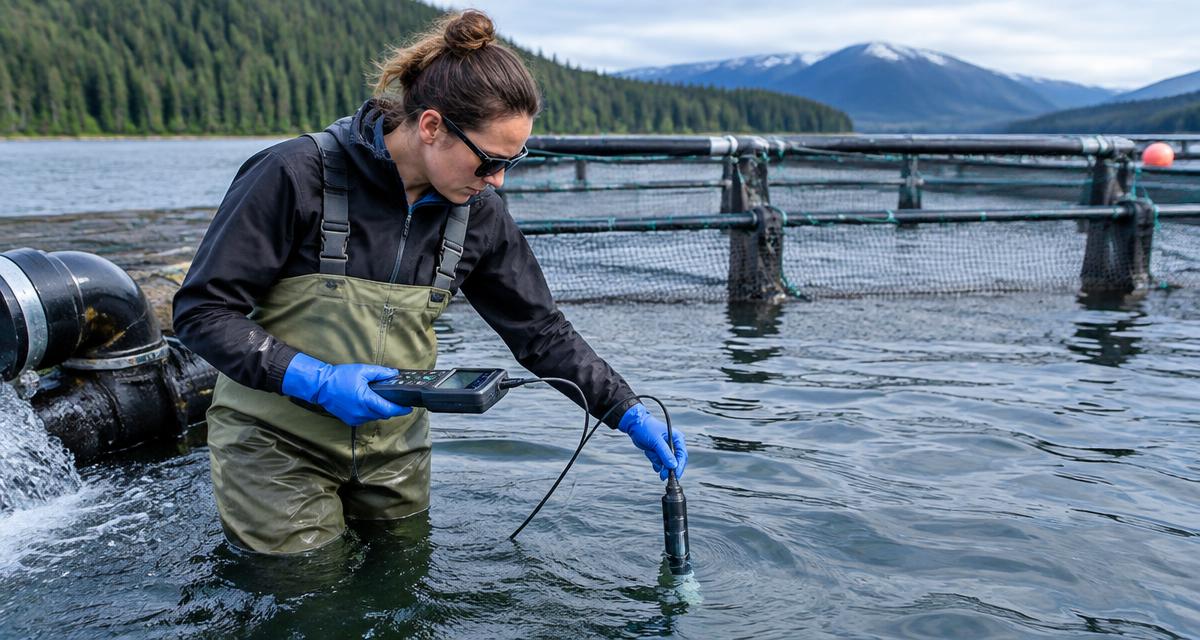
Water is the single factor that can make or break a site, and it has to be assessed on both quality and quantity. Quality parameters that matter include dissolved oxygen, temperature range across seasons, pH, salinity (for brackish or marine species), ammonia and nitrite, turbidity, and the presence of pathogens or pollutants upstream. Quantity matters just as much: a source that tests well but cannot deliver a steady flow during dry season or low tide will constrain stocking density regardless of equipment quality. Groundwater (wells), surface water (rivers, lakes), and seawater intakes each carry different risks, from seasonal variability to intrusion of agricultural runoff or saltwater. Lab testing over multiple seasons, not a single sample, gives the most reliable picture, and any serious buyer should expect to repeat testing before finalizing a species and system design.
How do I test water quality before committing to a site?
A practical approach starts with a baseline panel covering the core parameters above, taken at different times of day and across at least one full seasonal cycle if timelines allow. For surface water or coastal intakes, test near the planned intake point, not just upstream, since local conditions can differ. Keep written lab reports, not field kit readings alone, since records matter later for permitting and supplier review. If results point to elevated turbidity, pathogens, or variable salinity, filtration and treatment needs grow accordingly, which is exactly the kind of detail suppliers need to size equipment correctly rather than guess.
How much land does a fish or shrimp farm actually need?
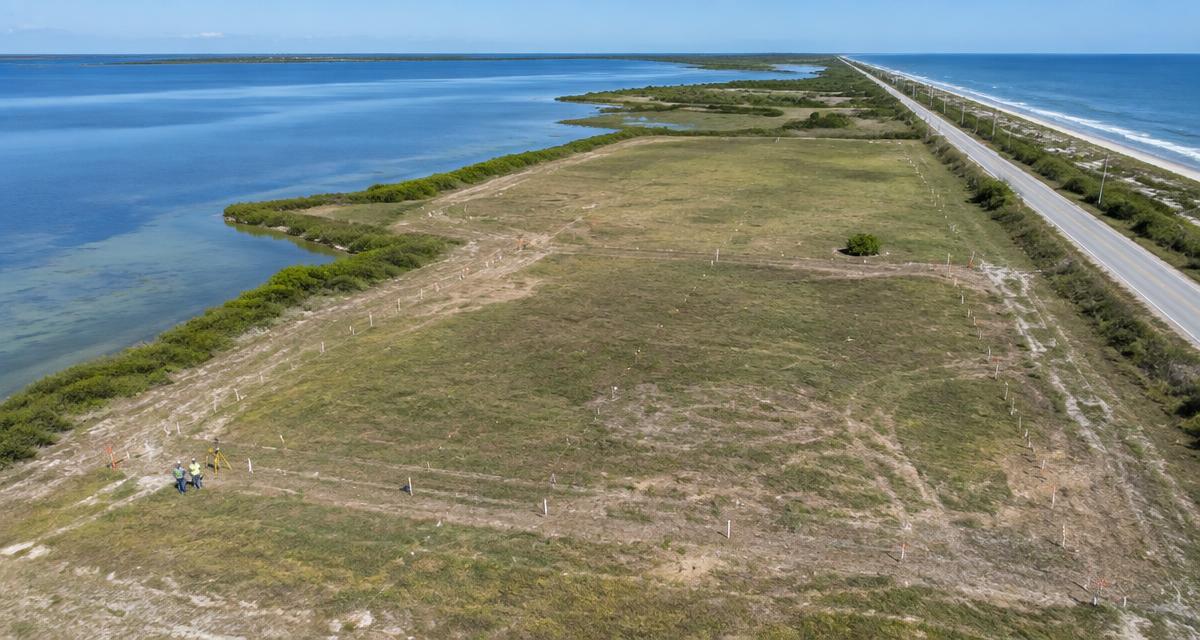
Land requirements depend heavily on system type. Pond-based extensive or semi-intensive shrimp or fish farming needs considerably more land per unit of production than a recirculating aquaculture system (RAS) housed in tanks, because ponds rely on surface area for biological processes that RAS replaces with mechanical filtration. Beyond footprint, consider slope and drainage for pond construction, soil composition (clay content affects pond liner needs and water retention), elevation relative to flood risk, and space for support buildings, settling or treatment ponds, and future expansion. The land requirement calculator is a starting point to translate a target production volume and system type into an approximate footprint, which you can then refine with civil or aquaculture engineering input.
What power supply does an aquaculture site need?
Pumps, aerators, oxygen generators, chillers or heaters, and automated monitoring all draw continuous power, and aquaculture is less forgiving of outages than most agriculture because fish and shrimp can suffocate within hours without aeration or water exchange. Before selecting a site, confirm the grid connection capacity actually available (not just nominal line voltage nearby), the stability of that supply, and what backup generation would be needed to bridge outages. Sites far from a substation may face long lead times or high costs to bring adequate power in, which should be weighed against land price advantages. The power requirement calculator helps estimate total connected load across pumps, aeration, and climate control so you can compare that figure against what a site can realistically deliver.
How do access and logistics affect a site's viability?
Even an otherwise ideal site can be impractical if trucks cannot deliver feed, oxygen, or harvested product reliably. Evaluate road quality and width for the vehicles that will service the farm, distance to feed mills and processing or export points, and whether access holds up in wet season when unpaved roads often become impassable. For coastal or island sites, factor in barge or boat logistics and the handling time added at each transfer point. Equipment delivery is a one-time event, but feed and harvest logistics repeat for the life of the farm, so weigh ongoing access as heavily as construction-phase access.

What permits and approvals are usually required?
Permit requirements vary widely by country and region, but commercial aquaculture projects commonly need some combination of water use or abstraction rights, environmental impact assessment or clearance, coastal zone or land use approval, effluent discharge permits, and business or aquaculture operating licenses. Processes can take considerably longer than equipment procurement, so starting the permitting track early, in parallel with site testing, avoids it becoming the critical path. Local agencies are the best source for current requirements.
How much does site assessment cost before buying equipment?
Site assessment costs vary by location, scope, and whether you hire local labs, hydrologists, or engineering firms versus using in-house staff. Rather than estimating a figure here, request written quotes from testing labs and site engineers for your specific location and scope, since lab panel pricing, travel, and report turnaround differ market to market. Budgeting time and money for proper assessment up front is generally far cheaper than retrofitting equipment or infrastructure after construction reveals a problem that testing would have caught.
How does site data turn into an accurate equipment quote?
Suppliers size pumps, aeration, filtration, and backup power based on real numbers: flow rate and quality of your water source, total land and pond or tank volume, power availability and reliability, and target stocking density. A request for quote built on assumptions tends to produce offers that are hard to compare, since each supplier fills gaps differently. When your water test results, site survey, and power assessment are documented, every supplier responding to the same brief is sizing equipment against the same facts, which is what makes offers genuinely comparable rather than apples to oranges.
How do I choose between competing site options?
When comparing candidate sites, weigh them against the same checklist rather than a single standout feature like low land price. A cheaper site with poor water or weak power can cost more once filtration and backup generation are added. Scoring each site on water, land, power, access, and permitting side by side, with test data rather than impressions, tends to surface the real tradeoffs faster than visiting sites one at a time with no fixed criteria.
Checklist
Water source tested across seasons for quality and quantity; water rights or abstraction permit pathway confirmed; land surveyed for slope, soil, and flood risk; land use or zoning approval path understood; grid power capacity and reliability confirmed, with backup power planned; access roads assessed for both construction and ongoing feed/harvest logistics; environmental and operating permits identified with realistic timelines; written lab and survey reports kept on file for supplier and lender review; preliminary equipment loads estimated from real site data before requesting quotes.
How FishMatch Group calculators and the RFQ process help
Once you have water, land, and power data from your own site assessment, FishMatch Group's calculators can translate that data into approximate equipment needs: the water consumption calculator and pump sizing calculator for flow and intake equipment, the aeration sizing calculator for oxygen and aeration loads, and the land requirement calculator to sanity-check footprint against your target production. These tools give planning-stage estimates, not final engineering specifications. When you are ready to source equipment, the RFQ intake lets our team review your project brief by hand and approach matched suppliers for comparable, apples-to-apples offers on the same documented scope, so you are not left reconciling quotes built on different assumptions. This article provides planning guidance only; it is not engineering design or financial advice, and site-specific decisions should be confirmed with qualified local engineers, hydrologists, and regulatory authorities.
Frequently asked questions
Can I start construction before permits are finalized? In most jurisdictions, construction ahead of required permits risks fines, forced rework, or delays, so confirm with local authorities before breaking ground. Does groundwater avoid the need for water testing? No; wells still need testing for salinity, minerals, and contamination, and yield can vary seasonally just like surface water. Is a site with free land always cheaper overall? Not necessarily; weak water quality, distant power infrastructure, or poor access can add costs that outweigh land savings. Should I size equipment before or after finalizing the site? After; equipment sizing depends on site-specific water, power, and land data, so finalize those assessments first.
Related: see the RAS farm cost guide for budgeting a recirculating system, the shrimp farming equipment guide for pond-based equipment planning, and the supplier checklist for evaluating offers once your site data is ready.
Aquaculture planning benchmarks
| Figure | Value | Context |
|---|---|---|
| CAPEX — RAS | USD 9,000–14,000 per tonne/yr | Global baseline before country cost factor. |
| CAPEX — Ponds | USD 1,800–4,000 per tonne/yr | Lined or earthen ponds, excluding land. |
| CAPEX — Cages | USD 2,500–5,500 per tonne/yr | Cages, moorings, nets and service equipment. |
| CAPEX — Flow-through | USD 4,000–7,000 per tonne/yr | Raceways and water intake works. |
| Energy use | RAS ~6 kWh/kg; ponds ~1.2; flow-through ~1.5; cages ~0.3 | Per kg of fish produced. |
| Typical FCR | Trout 1.1; salmon 1.2; shrimp 1.4; tilapia 1.6; carp 1.8 | kg feed per kg growth; varies with feed and management. |
| Farm size where FishMatch reviews projects | From ~USD 250,000 total project value | Commercial fish and shrimp projects. |
Related articles
Where this fits in a real project
Every FishMatch project runs through the same five reviewed stages, from a first enquiry to comparable quotations. See the full buyer journey.
Planning a commercial aquaculture project?
Send your project brief. A FishMatch specialist reviews it before relevant suppliers are contacted privately.
Request a quote