How to Start a Commercial Shrimp Farm: A Step-by-Step Guide for Global Investors
Short answer: Starting a commercial shrimp farm requires a systematic approach beginning with site selection and water quality analysis, followed by selecting a production system that aligns with your capital budget. Success depends on high-density aeration, robust biosecurity, and a reliable supply chain for high-health post-larvae and quality feed. Investors should utilize tools like the shrimp farm calculator to estimate requirements and move toward a formal equipment RFQ to compare technical specifications from global suppliers. This article is a planning guide only, not engineering or financial advice.
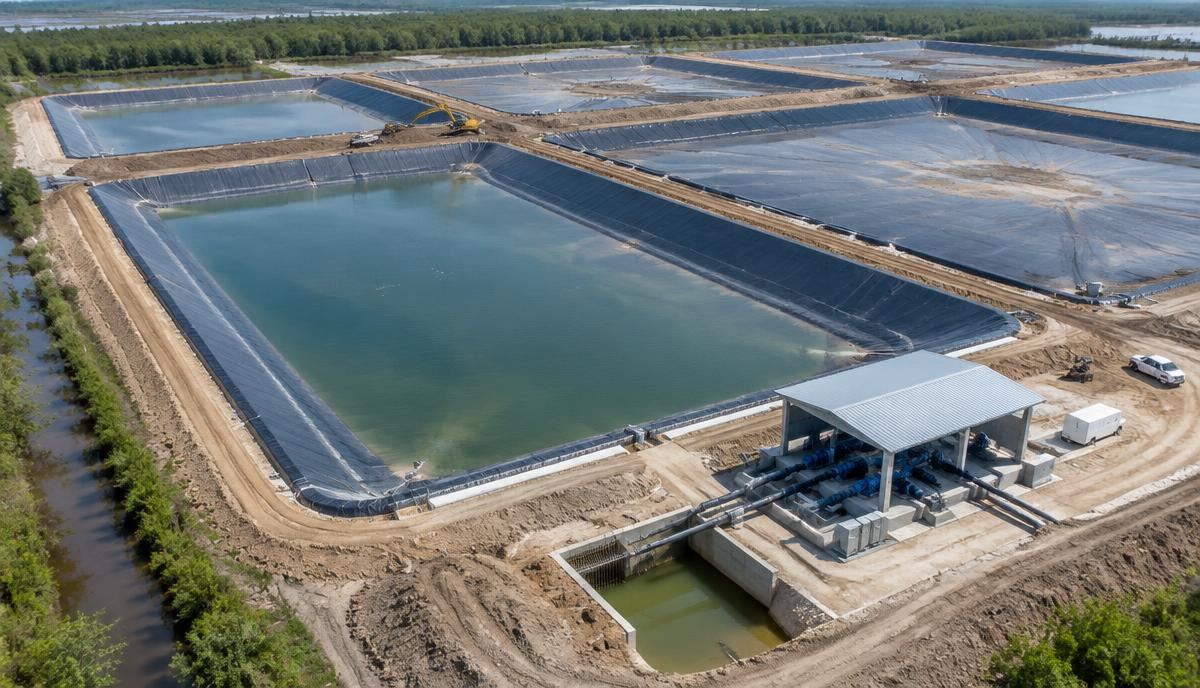
How to select a site for commercial shrimp farm water assessment
Successful shrimp farming begins with identifying a location offering stability and chemical suitability. Buyers must prioritize sites with access to high-quality water, as quality directly impacts growth. A comprehensive aquaculture site selection water assessment should evaluate salinity, pH, and contaminants. Soil composition is critical for pond stability. Investors should ask suppliers for water treatment specifications matching their site. Proximity to infrastructure, such as power grids and transport routes, will influence long-term operational costs.
How to choose between intensive and semi-intensive shrimp production systems
Selecting the production system dictates the required technology. Semi-intensive systems utilize larger ponds with lower stocking densities, while intensive systems allow for higher yields per hectare. These systems demand aquaculture automation and monitoring systems to maintain water stability. Buyers must weigh CAPEX against potential annual production. The choice depends on land availability and energy costs. Use a shrimp cost per kg calculator to model how different system intensities affect your projected margins and resource requirements.
How to design ponds and select liners for shrimp farm durability
Pond design and lining form the foundation of the production environment. Modern farms favor High-Density Polyethylene (HDPE) liners over earthen ponds to prevent erosion, control seepage, and enhance biosecurity. Ponds should feature central drainage systems to facilitate organic waste removal. Consult a shrimp farm setup cost guide to ensure all components are budgeted. Suppliers should be asked to state the UV resistance and lifespan of lining materials in writing to avoid premature degradation.
How to size mechanical aeration for shrimp pond oxygen demand
Aeration is the lifeblood of intensive shrimp farming, as dissolved oxygen levels often limit growth. Paddlewheel aerators and bottom systems must be deployed to ensure uniform oxygen distribution and maintain circulation. Buyers should evaluate aeration in tropical shrimp ponds based on biomass expectations. It is critical to have redundant systems and fish farm backup power generators to prevent losses. Ask manufacturers for performance data regarding oxygen transfer efficiency. Sizing these systems correctly during planning prevents under-equipping a farm.
How to secure a reliable high-health post-larvae supply chain
The quality of post-larvae (PL) is the primary biological input. Investors must establish relationships with reputable hatcheries providing Specific Pathogen Free (SPF) stock. A stocking plan should align hatchery deliveries with pond preparation to ensure the PL are introduced into an optimized environment. Buyers should request health certificates for major shrimp pathogens before every shipment. Monitoring transportation conditions is vital to ensure PL arrive without stress. Long-term success often involves contracts with hatcheries to secure priority access during peak seasons.
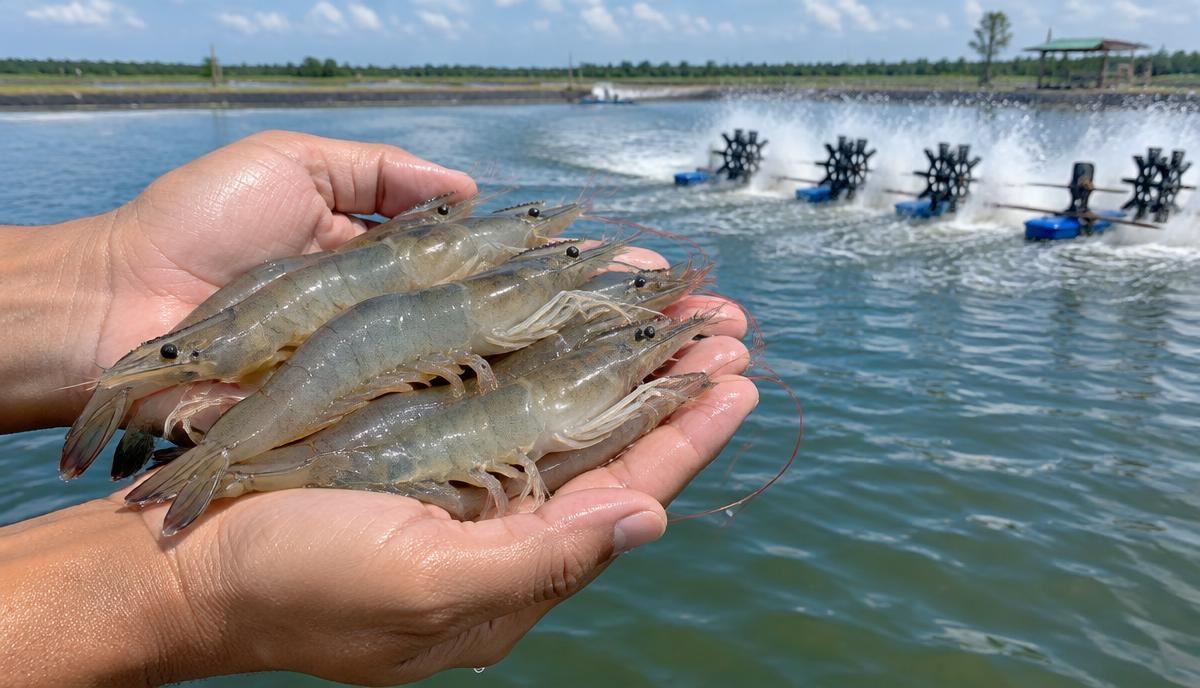
How to optimize feed management and procurement for shrimp growth
Feed represents the largest operational expense, making efficient fish feed and feeding system matching essential. High-quality feed must provide necessary nutritional profiles to support growth and immune function. Automated feeding systems are used to deliver feed in small increments, reducing waste and improving the Feed Conversion Ratio (FCR). When sourcing, buyers should compare formulations from multiple manufacturers. Proper storage in climate-controlled environments prevents nutrient degradation. Investors should use a FCR calculator to monitor performance and adjust protocols based on growth data.
How to implement biosecurity protocols for shrimp disease prevention
Biosecurity is the primary defense against diseases that can devastate shrimp populations. A robust plan involves physical barriers, water disinfection, and strict operational protocols. Investors should explore biosecurity on a budget by focusing on measures like bird netting and disinfection stations. Implementing biosecurity zoning and HACCP principles helps isolate production units, minimizing cross-contamination. Water treatment systems, including aquaculture UV and ozone disinfection, are critical. Staff training on hygiene and movement protocols is equally important, as human activity is a common vector for disease.
How to navigate permits and environmental licensing for shrimp farms
Obtaining necessary permits and environmental licenses is a mandatory step in starting a commercial farm. Regulatory requirements vary by region but cover land use, water abstraction, and effluent discharge. A thorough understanding of fish farm permits and environmental licensing is necessary to avoid legal delays and fines. Environmental Impact Assessments (EIA) demonstrate that the farm will not negatively affect local ecosystems. Investors should engage local authorities early in the planning process to understand documentation requirements. Many lenders also require compliance with international sustainability standards.
How to develop a realistic budget for shrimp farm CAPEX and OPEX
A comprehensive financial plan is the cornerstone of a bankable shrimp project. Investors must account for initial Capital Expenditure (CAPEX) and ongoing Operational Expenditure (OPEX), such as feed, labor, and energy. Understanding what affects aquaculture CAPEX and what affects aquaculture OPEX allows for better resource allocation. It is common for projects to face cost overruns due to unforeseen site conditions. Utilizing a project ROI calculator helps in evaluating long-term viability under different market price scenarios. Buyers should maintain a contingency fund to cover unexpected expenses.
How to manage shrimp farm equipment RFQs and supplier selection
The procurement phase converts technical plans into reality. Managing a shrimp farming equipment guide and a multi-vendor RFQ process requires coordination to ensure component compatibility. Buyers should use the procurement toolkit to standardize their requests, making it easier to compare offers. It is important to look beyond initial purchase price and consider factors like energy efficiency and the availability of spare parts. Following rfq best practices for aquaculture buyers helps in identifying reliable partners who can provide technical support during installation.
Checklist
Conduct a professional water quality and site suitability assessment; Select a production system intensity based on local resources and capital availability; Secure all necessary environmental and land-use permits from local authorities; Design ponds with robust liners and efficient waste drainage systems; Calculate total oxygen demand and install redundant mechanical aeration; Establish a secure supply chain for SPF post-larvae and high-quality feed; Implement strict biosecurity protocols and staff hygiene training; Develop a detailed CAPEX and OPEX budget with a contingency fund; Utilize a structured RFQ process to compare equipment from multiple suppliers; Plan for efficient effluent management to ensure environmental sustainability.
Frequently asked questions
How much land is required for a commercial shrimp farm? The land requirement depends on the production system intensity, with intensive systems producing much higher volumes on smaller footprints than traditional ponds. What are the most common diseases in shrimp farming? Viral pathogens like WSSV and bacterial issues like EMS are common, making biosecurity and water quality management essential. Can shrimp be farmed in freshwater? While some species have tolerance, most commercial whiteleg shrimp farming is conducted in brackish or marine water for optimal growth. How long does it take to reach harvest size? Growth duration varies based on temperature, feed quality, and stocking density, but multiple cycles are typical.
How do FishMatch Group's calculators and reviewed RFQ help?
FishMatch Group simplifies the complex process of starting a commercial shrimp farm by providing professional planning tools and a streamlined procurement platform. Investors can use the shrimp farm calculator and shrimp cost per kg calculator to refine their business models. When ready to purchase, the RFQ intake process allows buyers to submit specifications once and receive comparable, anonymous offers from global equipment manufacturers. This neutral approach ensures that buyers focus on technical specifications rather than sales pressure. By managing multi-supplier aquaculture project interfaces, FishMatch Group reduces the risk of equipment incompatibility and helps projects move from planning to production efficiently.
Related: shrimp farming economics and profit, finding shrimp equipment suppliers, sourcing aquaculture equipment step-by-step.
Aquaculture planning benchmarks
| Figure | Value | Context |
|---|---|---|
| CAPEX — RAS | USD 9,000–14,000 per tonne/yr | Global baseline before country cost factor. |
| CAPEX — Ponds | USD 1,800–4,000 per tonne/yr | Lined or earthen ponds, excluding land. |
| CAPEX — Cages | USD 2,500–5,500 per tonne/yr | Cages, moorings, nets and service equipment. |
| CAPEX — Flow-through | USD 4,000–7,000 per tonne/yr | Raceways and water intake works. |
| Energy use | RAS ~6 kWh/kg; ponds ~1.2; flow-through ~1.5; cages ~0.3 | Per kg of fish produced. |
| Typical FCR | Trout 1.1; salmon 1.2; shrimp 1.4; tilapia 1.6; carp 1.8 | kg feed per kg growth; varies with feed and management. |
| Farm size where FishMatch reviews projects | From ~USD 250,000 total project value | Commercial fish and shrimp projects. |
Related articles
Why Commercial Fish Farm Projects Exceed Budget and How to Prevent Cost Overruns
Commercial aquaculture projects often go over budget due to scope gaps, hidden site costs, and logistics. This guide explains how to identify these risks and secure accurate quotes.
PlanningWhy Feed Conversion Ratio (FCR) Drives Fish and Shrimp Farm Economics
Feed Conversion Ratio (FCR) is the primary driver of aquaculture profitability, linking feed expenditure to biomass output and determining financial viability.
PlanningWhy Aquaculture Buyers Need a Written Technical Specification Before Requesting Quotes
Sending a detailed technical specification ensures you receive comparable equipment quotes, reduces the risk of expensive change orders, and provides a clear basis for system acceptance tests.
PlanningHow to Start a Commercial Tilapia Farm: A Buyer’s Guide to Systems and Equipment
Starting a commercial tilapia farm involves selecting the right production system, securing high-quality inputs, and utilizing professional sourcing platforms for technical equipment procurement.
Where this fits in a real project
Every FishMatch project runs through the same five reviewed stages, from a first enquiry to comparable quotations. See the full buyer journey.