Fish Farm Permits and Environmental Licensing: What Approvals Does a Commercial Aquaculture Project Need?
Short answer: a commercial aquaculture project typically needs some combination of water abstraction or water use rights, a discharge or effluent permit, land use or zoning approval, a species culture or aquaculture license, building or construction permits for structures, and import permits for equipment and live stock or eggs. The exact list, agency names and sequence vary by country and even by region, so this article is general background only; always confirm current requirements with your local environmental, agriculture and fisheries authorities before committing budget or schedule.
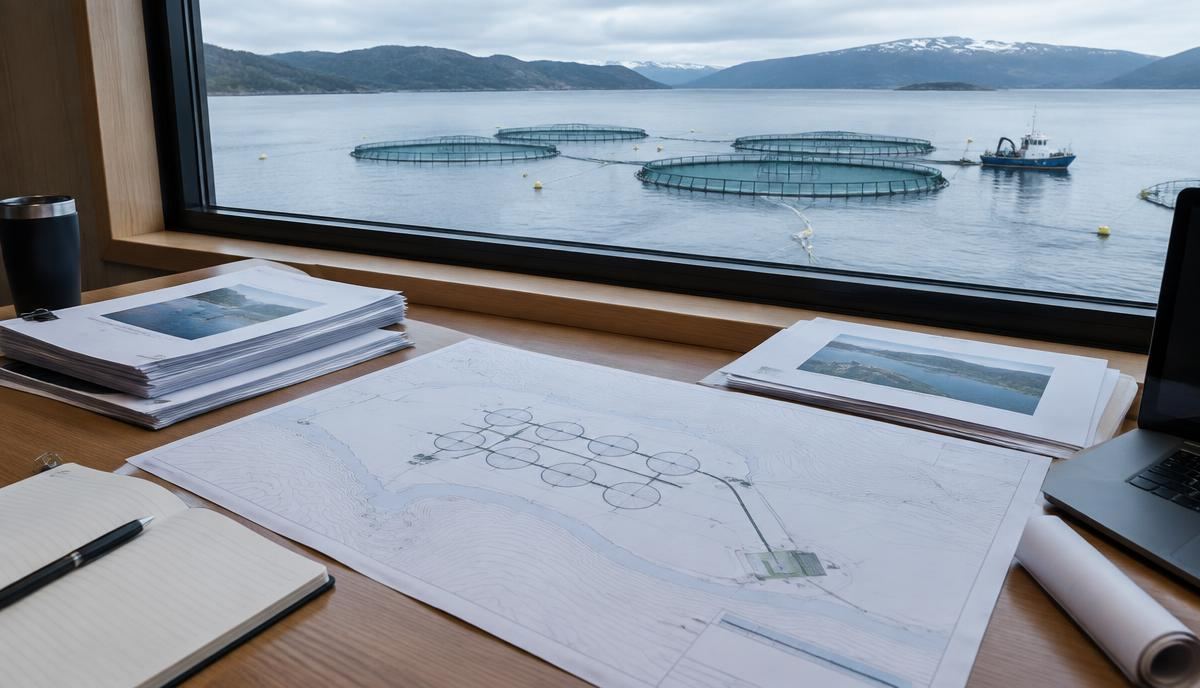
Why do permits matter before you choose equipment?
Permitting shapes almost every design decision that follows. The volume of water you are allowed to withdraw, the quality standard your discharge must meet, and the species you are licensed to grow all constrain tank sizing, filtration capacity, aeration or oxygenation strategy and even site layout. Starting equipment selection before permits are in hand often means re-specifying later, which wastes time and money. Many buyers treat permitting and early feasibility work together, alongside a feasibility study and site selection and water assessment, so that design assumptions match what regulators will actually allow.
Which approvals does a typical fish farm project need?
While naming conventions differ, most jurisdictions separate approvals into a few functional categories: water use or abstraction rights (for groundwater, river, lake or seawater intake); wastewater or effluent discharge permits, often tied to a monitoring plan; land use, zoning or coastal/marine space allocation; an aquaculture or species culture license, sometimes species-specific or site-specific; building and structural permits for tanks, buildings, pump houses and electrical installations; and import permits or phytosanitary/veterinary clearances for broodstock, juveniles, eggs, feed or processing equipment crossing borders. Some projects also need environmental impact assessments, fire and safety sign-off, or labor and operating licenses before harvest and sale are allowed. Confirm the specific list and the issuing agencies with your local authorities, since combining steps or skipping some is common in smaller operations.
How does water and discharge permitting affect system design?
Water permits usually specify a maximum withdrawal volume or flow rate, sometimes tied to the season or water body. Discharge permits typically set limits on parameters such as suspended solids, nutrients, temperature or other water quality indicators, and may require a monitoring and reporting plan. These limits directly influence whether a system can run as flow-through or needs water reuse through recirculating aquaculture system (RAS) technology, how much filtration and solids removal capacity is required, and whether additional treatment steps are needed before water leaves the site. A water consumption calculator and a filtration or biofilter sizing tool can help you sketch a design envelope before suppliers are asked to quote, so that the scope you send out already reflects the permit limits you expect to receive.
What land, zoning and building approvals are usually required?
Land use or zoning approval confirms that aquaculture is a permitted activity on the chosen parcel or marine area, and may restrict building height, setbacks from water bodies, or density of cages or ponds. Building permits generally cover structural safety of tanks, support buildings, electrical rooms and piping, and may require stamped engineering drawings in some jurisdictions. A land requirement calculator is a useful starting point for estimating footprint before you approach planning authorities, though actual zoning decisions depend entirely on local rules and should be confirmed directly with the relevant office.
Why does species and health licensing matter for sourcing stock?
Most countries regulate which species can be farmed, in which locations, and under what biosecurity conditions, partly to protect native ecosystems and partly to manage disease risk. A species or aquaculture culture license may specify permitted species, maximum biomass, or required containment measures. If you plan to import broodstock, juveniles or eggs, expect additional veterinary or phytosanitary certificates, quarantine requirements and import permits from the receiving country's agriculture or fisheries authority. These requirements interact with biosecurity planning on site; see biosecurity, zoning and HACCP for commercial aquaculture for related planning considerations.
What approvals apply to importing equipment and live stock?
Cross-border equipment shipments usually require customs documentation, and in some cases import licenses or standards compliance certificates for electrical or pressure equipment. Live stock, eggs or feed ingredients typically need additional veterinary or phytosanitary paperwork, and may be subject to quarantine on arrival. Buyers should also plan logistics and trade terms alongside permitting; the guides on Incoterms for aquaculture equipment purchases and shipping RAS equipment internationally explain how responsibility for customs clearance and documentation is typically split between buyer and supplier.
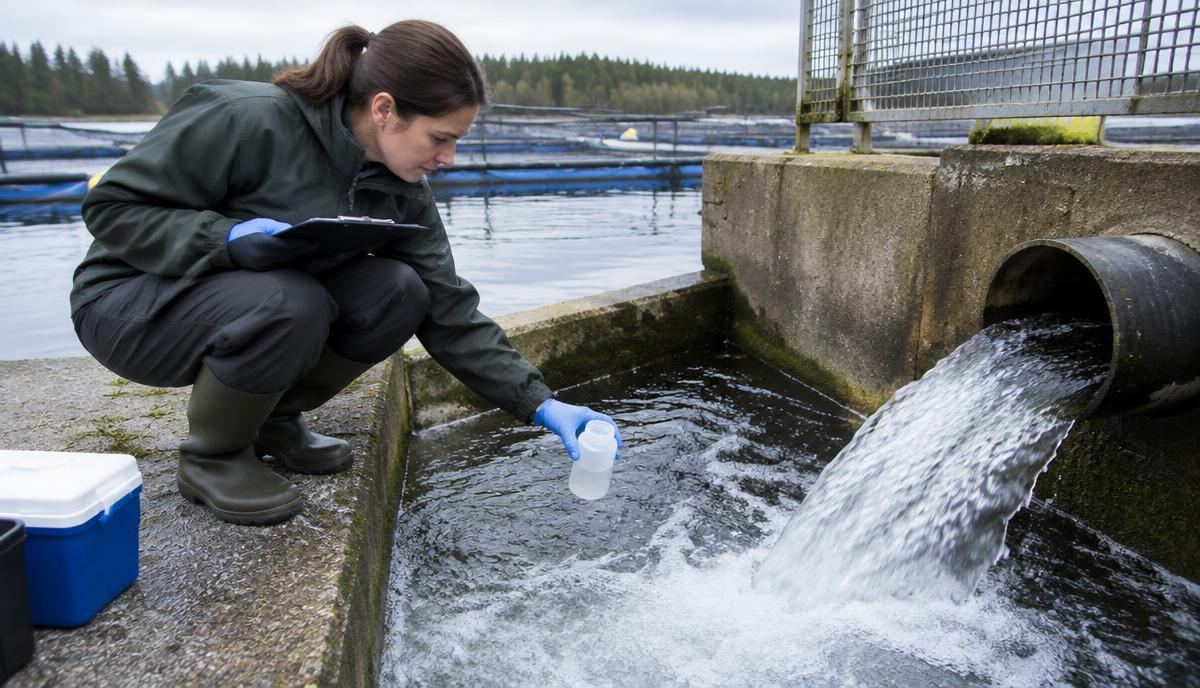
What documents can suppliers provide to support a permit application?
Suppliers are often able to provide technical documentation that regulators ask for during permit review, such as equipment specification sheets, electrical load schedules, water flow and discharge estimates for the proposed system, general arrangement or layout drawings, and sometimes compliance certificates for specific components. Suppliers are not engineers of record and cannot substitute for stamped drawings or a formal environmental impact assessment where those are required, but their documentation can support the technical sections of an application. Requesting this paperwork in writing, alongside pricing, is good practice so that the information lines up with what you actually intend to install.
How much do permits cost and how long do they take?
Permit fees, review timelines and the number of agencies involved vary too widely across countries, and even across regions within a country, to state a reliable figure here. Some jurisdictions issue approvals in a few weeks for small, low-impact sites, while others require months of review involving environmental assessment, public comment periods or multiple agency sign-offs for larger or coastal projects. Always obtain current fee schedules and expected timelines directly from the issuing authorities, and build contingency time into your project schedule rather than assuming a best-case outcome.
How to choose a supplier whose designs fit your permit conditions?
Look for suppliers who are willing to work within the discharge, water use and footprint limits stated in your permits rather than offering a generic design and leaving compliance to you. Ask how their proposed flow rates, filtration capacity and effluent quality compare to your permit conditions, and request that assumptions be stated in writing so they can be checked against regulatory limits. Comparing more than one proposal against the same permit-driven scope, rather than comparing whatever each supplier happens to offer, makes it easier to see which design genuinely fits your conditions; the guide to comparing RAS equipment quotes covers this in more detail.
Checklist
Identify every approval category relevant to your site: water use, discharge, land use/zoning, species or culture license, building permits, import permits; contact each issuing authority directly to confirm current requirements, fees and timelines; align design assumptions, such as flow rate and effluent quality, with permit limits before requesting supplier quotes; request supplier documentation in writing, including specification sheets, flow estimates and layout drawings, to support your application; plan import and logistics documentation for equipment and live stock separately from local permits; budget schedule contingency for review periods and possible resubmissions; keep a copy of all issued permits and conditions accessible on site for inspections.
Frequently asked questions
Do all fish farms need an environmental impact assessment? Not necessarily; this usually depends on project scale, location and local regulation, so confirm with your environmental authority whether a full assessment or a simpler screening applies to your project. Can a supplier obtain permits on my behalf? Generally no; suppliers can provide technical documentation, but the permit applicant is usually the project owner or operator, and local legal or consulting support is often used for the application itself. Do import permits apply to used or refurbished equipment? Often yes, and used equipment may face additional inspection or compliance checks, so confirm with customs and the relevant technical authority before purchase. Will my discharge permit change if I expand the farm later? It can, since discharge limits are often tied to current biomass or flow; expansion plans should be checked against your existing permit conditions and may require an amendment.
How can FishMatch Group's calculators and reviewed RFQ process help?
Once you have a sense of your permit conditions, FishMatch Group's calculators can help translate them into a workable design envelope: the water consumption, land requirement, filtration, biofilter sizing and RAS feasibility tools let you estimate flows, footprint and treatment capacity before approaching suppliers. When you are ready to request quotes, the RFQ intake is reviewed by hand by the FishMatch team, who help match your brief, including any permit-driven constraints you specify, to suppliers who can respond with comparable proposals on the same scope. This is planning guidance only, not engineering design or financial advice, and final compliance responsibility rests with the project owner and local authorities. For feed-related sourcing and feed mill projects, FeedMatch Group (https://feedmatchgroup.com) is a sister sourcing platform; for cold storage and refrigeration procurement tied to harvest and processing, ColdMatch Group (https://coldmatchgroup.com) is another sister platform; and for broader agriculture project suppliers, SeedMatch Group (https://seedmatchgroup.com) serves a related role.
Related: see the supplier checklist for aquaculture, the fish farm feasibility study guide, and aquaculture project financing: what lenders require for adjacent planning steps.
Aquaculture planning benchmarks
| Figure | Value | Context |
|---|---|---|
| CAPEX — RAS | USD 9,000–14,000 per tonne/yr | Global baseline before country cost factor. |
| CAPEX — Ponds | USD 1,800–4,000 per tonne/yr | Lined or earthen ponds, excluding land. |
| CAPEX — Cages | USD 2,500–5,500 per tonne/yr | Cages, moorings, nets and service equipment. |
| CAPEX — Flow-through | USD 4,000–7,000 per tonne/yr | Raceways and water intake works. |
| Energy use | RAS ~6 kWh/kg; ponds ~1.2; flow-through ~1.5; cages ~0.3 | Per kg of fish produced. |
| Typical FCR | Trout 1.1; salmon 1.2; shrimp 1.4; tilapia 1.6; carp 1.8 | kg feed per kg growth; varies with feed and management. |
| Farm size where FishMatch reviews projects | From ~USD 250,000 total project value | Commercial fish and shrimp projects. |
Related articles
Planning a Commercial Biofloc Farm: Tanks, Aeration, Power and Equipment List
Short answer: a commercial biofloc farm needs tanks or lined ponds, heavy aeration/mixing, backup power, carbon dosing, solids removal and monitoring, sized and quoted as one matched scope.
PlanningFish Farm Insurance and Risk Management: What Insurers and Lenders Look For
What drives fish farm risk, what insurers and lenders typically ask about, and how design, backup systems and supplier documentation reduce exposure.
PlanningHow Long Does It Take to Build a Commercial Fish Farm?
Commercial fish farm timelines depend on permits, financing, and suppliers; ask suppliers for written schedule commitments instead of fixed estimates.
PlanningPhased Fish Farm Expansion: Planning Phase 1 So Later Phases Don't Require Rebuilding
Short answer: design phase 1 with shared infrastructure headroom and modular tanks so phase 2 and 3 bolt on without demolishing existing work.
Where this fits in a real project
Every FishMatch project runs through the same five reviewed stages, from a first enquiry to comparable quotations. See the full buyer journey.