Fish Farm Insurance and Risk Management: What Insurers and Lenders Look For
Short answer: insurers and lenders typically look at power reliability, oxygen and water-quality control, disease and biosecurity practices, structural resilience to storms, equipment maintenance records, and site security; a fish farm that can document backup systems, alarms, maintenance schedules and supplier warranties is generally easier to insure and easier to finance than one that cannot.
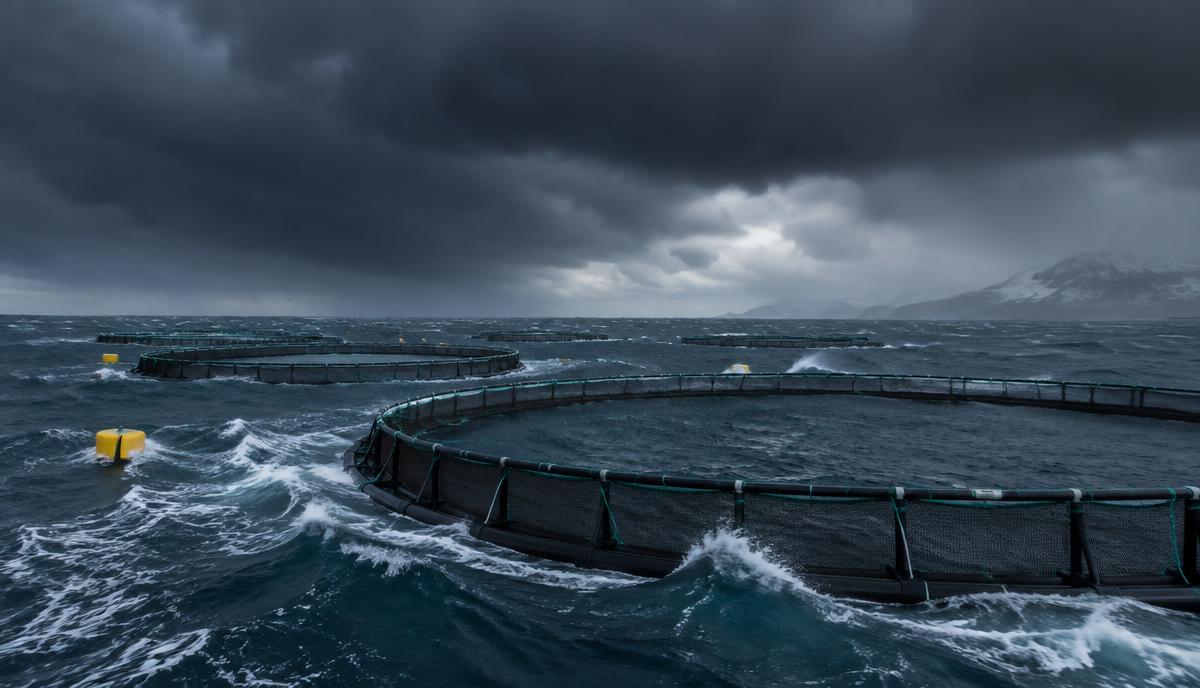
What risks matter most to a commercial fish farm?
The risks that most often drive losses on a commercial farm are power failure, oxygen depletion, disease outbreaks, storm or structural damage, equipment breakdown, and theft or vandalism. These risks interact: a power outage can trigger oxygen loss within minutes in a dense RAS system, while a storm can damage cages and knock out aeration at the same time. FishMatch Group does not sell insurance or guarantee outcomes, but buyers preparing an RFQ should treat these risks as design inputs, not afterthoughts, because the equipment and layout chosen at the sourcing stage largely determine how exposed the farm will be later.
Why does power failure rank as a top concern for insurers and lenders?
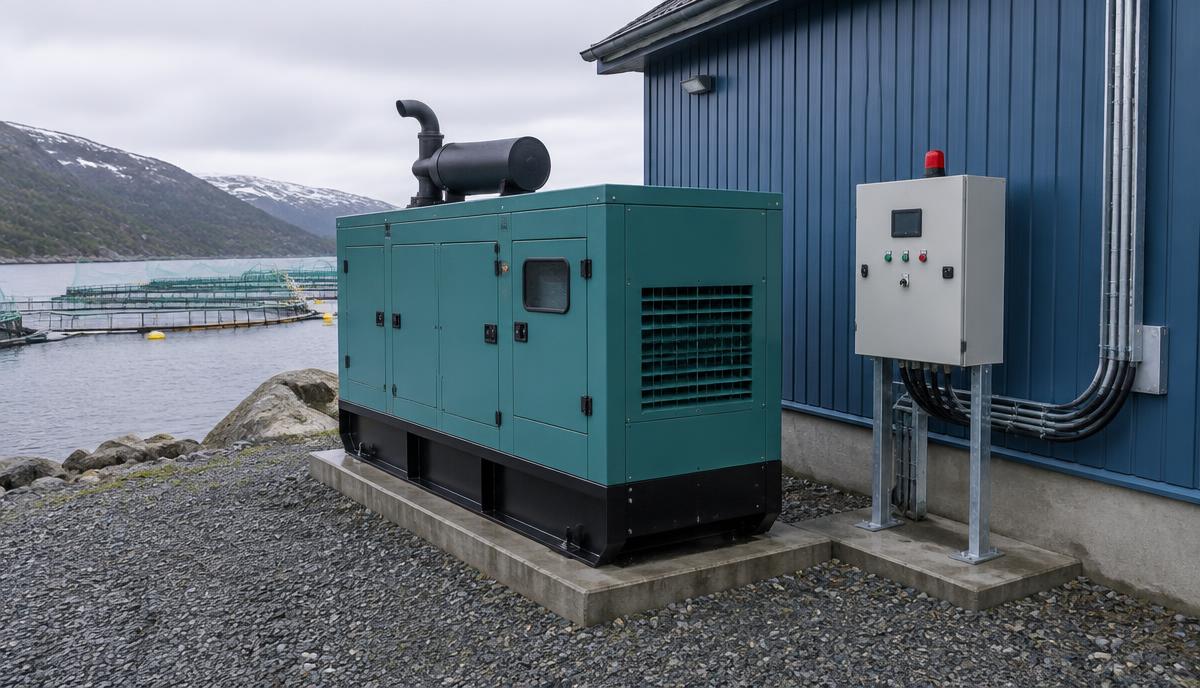
Power interruption is a leading cause of mass mortality events because pumps, blowers and aeration stop immediately, and oxygen in a loaded tank or pond can fall within a short window. Lenders and insurers commonly ask whether a farm has an automatic transfer switch, a sized generator, and a tested changeover routine, since a generator that has never been load-tested is a weak answer. Buyers should size backup power against real biomass and oxygen demand using a power requirement or generator sizing calculator, and request that suppliers state runtime, fuel consumption and switchover time in writing rather than relying on a verbal assurance.
How does oxygen management reduce insurable risk?
Dissolved oxygen is one of the fastest-moving variables on a farm, and most risk assessments ask how oxygen is monitored, alarmed and backed up independently of mains power. A farm with continuous dissolved oxygen sensors, a low-oxygen alarm routed to a phone or control room, and a secondary oxygen source such as cylinder or liquid backup is in a different risk position than one relying on a single blower. The dissolved oxygen management approach a buyer selects affects both survival outcomes and how a farm is viewed by lenders; the oxygen requirement and dissolved oxygen calculators can help size equipment before suppliers are approached.
What do insurers and lenders ask about disease and biosecurity?
Disease events are harder to quantify than mechanical failure, so reviewers tend to ask process questions: is there a quarantine protocol for new stock, documented biosecurity zoning, a disinfection routine for equipment and visitors, and a written mortality response plan. A farm that can show a fingerling supply and stocking plan with traceable sourcing, along with UV or ozone disinfection on incoming or recirculating water, is presenting a lower-risk profile than one with no documented controls. These records also support claims or financing reviews after an incident, because they show the farm was operated to a defined standard rather than informally.
How exposed is a farm to storm and structural damage, and how is that assessed?
For cage and pond operations, storm exposure is usually assessed through mooring design, cage collar and net specification, freeboard on pond embankments, and drainage capacity during heavy rainfall. Reviewers typically ask for engineering documentation on mooring loads and for evidence that the site selection and water assessment process considered wind fetch, wave exposure and flood history rather than only water quality. Comparing RAS vs sea cage farming or RAS vs pond vs cage options at the planning stage lets a buyer weigh storm exposure against cost before committing capital, and suppliers should be asked to state design wind and wave ratings in writing.
Why does equipment breakdown history matter for coverage decisions?
Pumps, blowers, chillers and filtration units fail over time, and the question reviewers ask is less about whether a failure will happen and more about how quickly it is detected and resolved. A farm with alarmed critical equipment, a defined maintenance schedule, and a documented spare parts and warranty arrangement with its suppliers demonstrates that downtime will be short rather than open-ended. Buyers should request manufacturer maintenance intervals and warranty terms in writing during the RFQ stage, since equipment sourced without clear service support tends to raise more questions later from lenders and insurers alike.
What role does automation and monitoring play in reducing risk?
Continuous monitoring reduces the time between a problem starting and someone responding to it, which is often the single biggest factor in how severe a loss event becomes. Automation and monitoring systems that track oxygen, temperature, flow and power status, with remote alerts, give both operators and reviewers confidence that an incident will be caught early rather than discovered the next morning. When comparing quotes, buyers should ask each supplier to state exactly which parameters are monitored, how alerts are delivered, and whether the system continues to function during a power interruption.
How does site security affect risk exposure?
Theft of fish stock, feed, equipment or electrical components is a recurring loss category, particularly at remote cage sites or farms without on-site staff overnight. Reviewers commonly ask about fencing, lighting, camera coverage, and whether high-value equipment such as generators and control panels is secured or hidden from the roadside. These measures are inexpensive relative to the equipment they protect and are worth documenting alongside staff training and operations records, since a farm with trained staff and a visible security routine is generally viewed as better managed overall.
What documentation do lenders typically request before financing?
Lenders reviewing a commercial aquaculture project commonly ask for a feasibility study, equipment specifications, supplier quotations, and evidence that risk mitigation measures such as backup power and water-quality monitoring have been designed in rather than added later. A structured feasibility study and clear answers to what lenders require for aquaculture projects can shorten this review considerably. Buyers preparing for financing should also read how financing a turnkey aquaculture farm typically works and explore the financing options available before approaching suppliers, so that risk-reduction features are built into the equipment specification from the start.
How should design choices be documented to support insurance and financing reviews?
Reviewers generally prefer farms that can produce a paper trail: equipment datasheets, commissioning reports, maintenance logs, and written confirmation from suppliers on capacity, backup runtime and service response. This documentation is easiest to assemble when it is requested at the sourcing stage rather than reconstructed afterward, which is why buyers are encouraged to ask suppliers to state design assumptions, backup capacity and service terms in writing as part of every quote. A clear commissioning and handover process also creates a record that equipment was installed and tested to the manufacturer's specification, which is useful evidence during any later review.
How does a backup power and generator plan fit into overall risk reduction?
Backup power is frequently the single control that most reduces exposure to power-failure and oxygen-loss risk, because it addresses the root cause rather than just one symptom. A farm should size its backup generator against actual peak and critical loads rather than a rough estimate, test the automatic changeover regularly, and keep fuel supply arrangements documented. The fish farm backup power and generator guide and the battery storage and solar payback calculators can help buyers compare backup options, including hybrid solar-battery-generator setups, before finalizing an equipment specification.
Checklist
Document dissolved oxygen alarms and backup oxygen supply; size and load-test a backup generator against critical biomass; request supplier written statements on backup runtime, warranty and service response; maintain a mortality and disease response protocol; confirm mooring, cage and embankment design against local storm and flood exposure; keep maintenance logs for pumps, blowers and filtration equipment; secure the site with fencing, lighting and camera coverage where feasible; retain commissioning and handover records for all major equipment; review financing and documentation requirements before ordering equipment.
Frequently asked questions
Does FishMatch Group sell insurance or arrange coverage? No, FishMatch Group is a sourcing platform that helps buyers request equipment quotes; insurance arrangements and premiums are a matter between the buyer and their chosen insurer. What single upgrade most reduces insurable risk on an existing farm? Reliable backup power paired with an independent dissolved oxygen alarm is widely cited as the highest-impact combination, though the right answer depends on the specific farm. Do insurers and lenders ask about the same things? There is overlap, since both want to understand downside risk, but lenders also weigh feasibility, cash flow and supplier documentation more heavily. Should risk mitigation be priced into the original equipment RFQ? Yes, requesting backup power, alarms and monitoring as part of the same quote produces a more coherent and bankable system than adding them later.
How do FishMatch Group's calculators and reviewed RFQ help?
FishMatch Group's free calculators, including power requirement, generator sizing, dissolved oxygen and oxygen requirement, let a buyer size backup and monitoring systems to their own biomass and site conditions before contacting any supplier, which clarifies what to ask for in an RFQ. Once a buyer submits one RFQ, the FishMatch Group team reviews it by hand, approaches matching suppliers from the supplier network for the relevant equipment, and returns comparable offers without disclosing supplier identities; buyers can ask every supplier in the same round to confirm backup capacity, warranty terms and service response in writing, which keeps quotes comparable and supports later insurance or financing reviews. The procurement toolkit and FAQ pages provide additional background on how the process works.
Related: Aquaculture project financing: what lenders require, Fish farm backup power and generator guide, Dissolved oxygen management for bankable farms
This article is a planning guide only, not engineering or financial advice.
Aquaculture planning benchmarks
| Figure | Value | Context |
|---|---|---|
| CAPEX — RAS | USD 9,000–14,000 per tonne/yr | Global baseline before country cost factor. |
| CAPEX — Ponds | USD 1,800–4,000 per tonne/yr | Lined or earthen ponds, excluding land. |
| CAPEX — Cages | USD 2,500–5,500 per tonne/yr | Cages, moorings, nets and service equipment. |
| CAPEX — Flow-through | USD 4,000–7,000 per tonne/yr | Raceways and water intake works. |
| Energy use | RAS ~6 kWh/kg; ponds ~1.2; flow-through ~1.5; cages ~0.3 | Per kg of fish produced. |
| Typical FCR | Trout 1.1; salmon 1.2; shrimp 1.4; tilapia 1.6; carp 1.8 | kg feed per kg growth; varies with feed and management. |
| Farm size where FishMatch reviews projects | From ~USD 250,000 total project value | Commercial fish and shrimp projects. |
Related articles
Planning a Commercial Biofloc Farm: Tanks, Aeration, Power and Equipment List
Short answer: a commercial biofloc farm needs tanks or lined ponds, heavy aeration/mixing, backup power, carbon dosing, solids removal and monitoring, sized and quoted as one matched scope.
PlanningFish Farm Permits and Environmental Licensing: What Approvals Does a Commercial Aquaculture Project Need?
Short answer: most commercial fish farms need water use, discharge, land use, species/health, building and import approvals; exact rules depend on your country, so confirm requirements with local authorities early.
PlanningHow Long Does It Take to Build a Commercial Fish Farm?
Commercial fish farm timelines depend on permits, financing, and suppliers; ask suppliers for written schedule commitments instead of fixed estimates.
PlanningPhased Fish Farm Expansion: Planning Phase 1 So Later Phases Don't Require Rebuilding
Short answer: design phase 1 with shared infrastructure headroom and modular tanks so phase 2 and 3 bolt on without demolishing existing work.
Where this fits in a real project
Every FishMatch project runs through the same five reviewed stages, from a first enquiry to comparable quotations. See the full buyer journey.