Spare Parts, Warranty and After-Sales Service for Aquaculture Equipment: What to Ask Before You Buy
Free RAS feasibility calculatorCheck CAPEX, payback and return for your project before you request quotes.Open the calculatorShort answer: equipment price is only part of the purchase. Before you sign, ask each supplier what spare parts they stock, where, and how fast they ship; what the warranty actually covers and excludes; who provides local or remote service; and what ongoing support will cost over the life of the equipment. Compare answers in writing across suppliers, and build spare parts and service into your operating budget from day one rather than treating them as a surprise cost later.
Why do spare parts and service matter as much as the equipment itself?
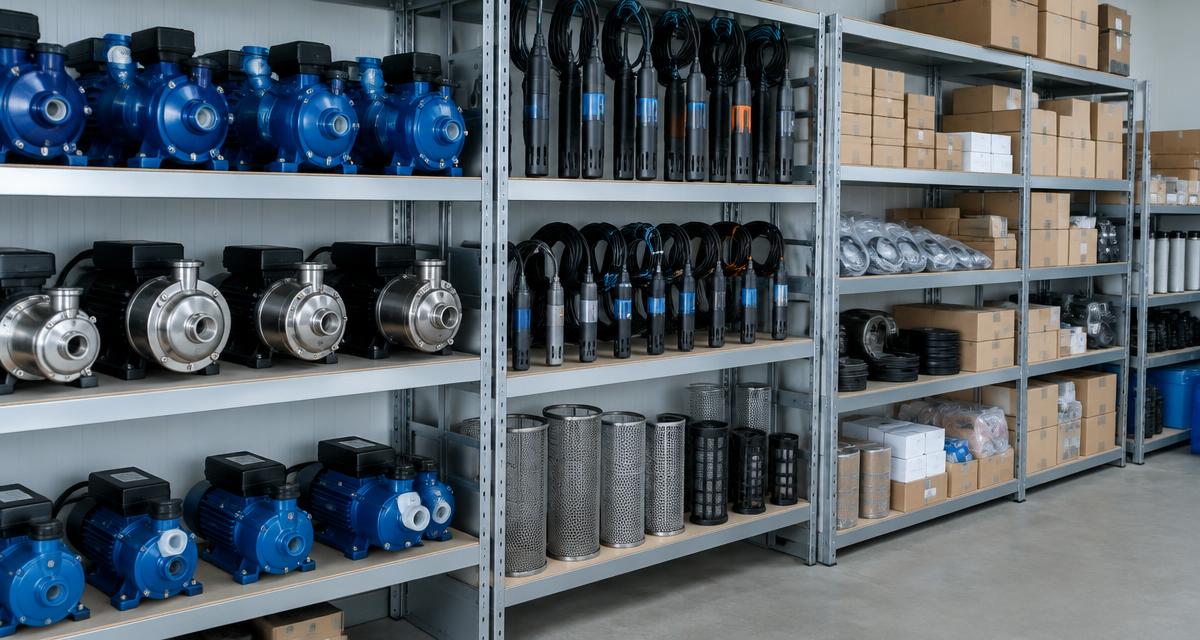
Pumps, blowers, drum filters, sensors and control systems are mechanical and electronic devices that wear, foul, or fail. A farm's production is only as reliable as its ability to replace a worn impeller, a failed probe, or a blown fuse quickly. Equipment that looks identical on a spec sheet can differ enormously in how easy it is to keep running, because that depends on parts availability, documentation, and the supplier's service structure rather than the core design alone. Treating spare parts and service as part of the purchasing decision, not an add-on, reduces the risk of unplanned downtime that can affect live animals.
What should you ask a supplier about spare parts before buying?
Ask for a written parts list for the equipment, including the wear items expected to need replacement on a routine basis (seals, bearings, filter media, membranes, sensor probes, UV lamps) and their typical service life under normal conditions. Ask where parts are stocked, whether locally, regionally, or only at the factory, and what lead time to expect for each category. Ask whether parts are proprietary or based on common industry standards, since standard components are generally easier and faster to source from alternative channels if the original supplier cannot deliver in time. Request this information in writing so you can compare it consistently between suppliers.
How does warranty coverage actually work for aquaculture equipment?
Warranty terms vary widely and the headline duration is less important than the scope. Ask what failure modes are covered, whether labor and shipping for replacement parts are included or billed separately, and whether the warranty is voided by specific water quality conditions, improper installation, or use outside stated operating parameters. Ask how a warranty claim is processed, and get these terms in writing rather than relying on a verbal assurance.
What does an after-sales service plan typically include?
After-sales service can range from telephone or video support only, to remote monitoring and diagnostics, to scheduled on-site visits and emergency callout. Ask each supplier to describe exactly what is included in the base package versus what requires a separate paid service contract. Clarify response time commitments for critical failures versus routine issues, and whether service technicians are the supplier's own staff or third-party contractors in your region. For commercial-scale systems, remote monitoring that flags early warning signs of pump or sensor drift is often more valuable than a reactive repair after failure.
How do you compare suppliers on service rather than just price?
Build a simple comparison matrix across suppliers covering spare parts lead time, warranty scope and exclusions, service response time, availability of local technicians, training provided to your own staff, and the total estimated cost of a service contract over a multi-year period. Ask each supplier the same questions in the same format so the answers are genuinely comparable. A lower upfront equipment price with weak service backing can cost more over time than a higher price from a supplier offering stronger parts availability and faster response, so look at the full picture rather than the invoice total alone.
How much should you budget for spare parts and service?
There is no universal figure, because costs depend on equipment type, operating intensity, water quality, and distance from service centers. As a general principle, routine wear parts (filters, seals, probes, lamps) recur on a predictable schedule and should be itemized in your operating budget as a recurring line, while major component replacement (motors, blowers, major electronics) should be planned as a periodic capital allowance. Ask suppliers to quote indicative annual spare parts costs in writing, and use the operating cost calculator to model these figures against your production plan rather than estimating informally.
Should you keep a critical spares inventory on site?
For components that are essential to keep a system running and that have long lead times from the supplier, many commercial farms keep a small inventory of critical spares on site: a backup pump, spare probes, blower belts, or UV lamps, for example. Ask your supplier which parts they recommend holding on site given the lead time and criticality of each component, and factor the cost of holding that inventory into your overall equipment budget. This is a standard risk-mitigation practice in continuous-operation facilities and should be planned alongside the main equipment purchase, not improvised after a failure occurs.
How do you compare total cost of ownership across competing offers?
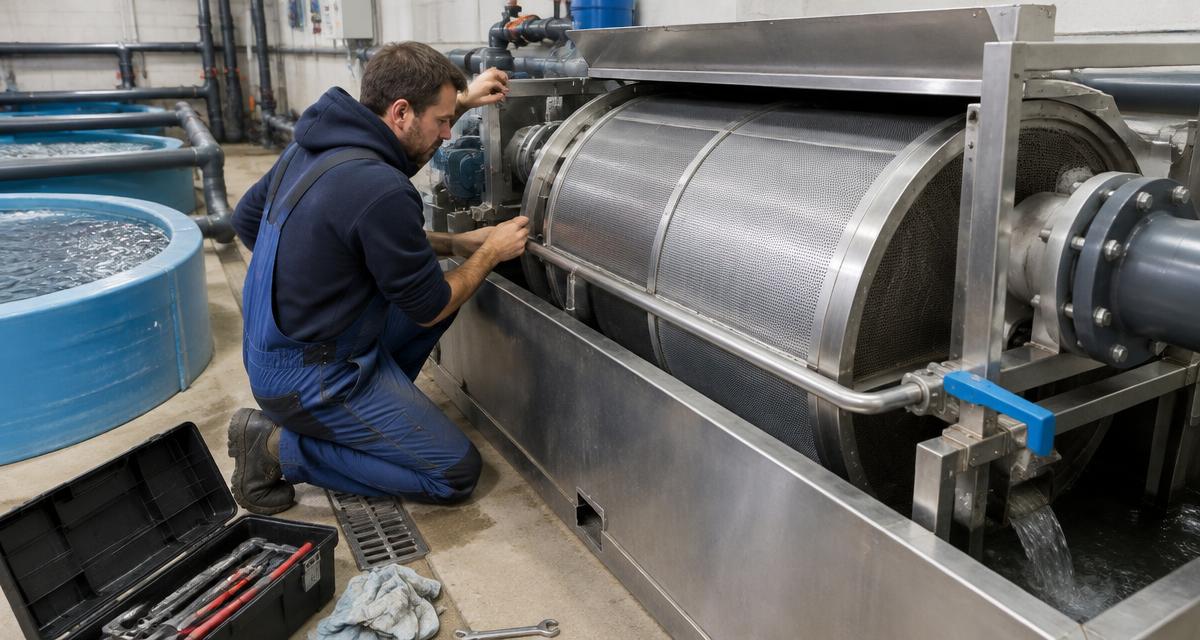
Two offers with similar purchase prices can have very different total costs once spare parts, warranty exclusions, service contracts, energy consumption, and expected equipment lifespan are factored in. Rather than comparing invoice totals, project the cost of ownership over a multi-year horizon including routine parts, service contracts, and anticipated major repairs, and compare suppliers on that basis using the TCO comparison calculator. This approach surfaces hidden costs a simple price comparison misses.
What should go into the purchase contract regarding parts and service?
Make sure the final contract or purchase agreement reflects the spare parts and service terms you were quoted, not just the equipment specification and price. This should include the warranty duration and scope, documented exclusions, parts lead time commitments where the supplier is willing to state them, and the terms of any service contract offered alongside the equipment. Ambiguity at the contract stage tends to resurface as a dispute later, so put commitments about parts and service in writing alongside the technical specification before you sign.
Checklist
Request a written parts list with wear-item service life; confirm where spare parts are stocked and typical lead times; get warranty scope, exclusions and claims process in writing; clarify what after-sales service includes versus what is a paid add-on; compare response times and local technician availability across suppliers; ask for indicative annual spare parts and service costs; decide which critical spares to hold on site; project total cost of ownership over several years, not just purchase price; confirm all parts and service terms appear in the final purchase contract.
Frequently asked questions
Does a longer warranty period always mean better coverage? Not necessarily; a short warranty with broad coverage and clear claims handling can be more valuable than a long warranty with many exclusions, so review the scope and exclusions rather than the duration alone. Can I use third-party spare parts instead of the original supplier's? Sometimes, particularly for parts built to common industry standards, but check with the supplier first since using non-original parts can affect warranty validity on some equipment. How do I know if a service response time commitment is realistic? Ask the supplier how they measure and report past performance on response times and whether they can provide this in writing as part of the agreement. Should after-sales service cost be part of my initial budget or a later decision? It should be part of the initial budget, since service capability can affect which equipment and supplier is the right fit for your project from the start.
How FishMatch Group helps you plan and compare on service, not just price
FishMatch Group is a private, human-reviewed sourcing platform: buyers submit a project brief, the team reviews it by hand, and matched suppliers are asked to respond with comparable offers on the same defined scope, including spare parts availability and after-sales service terms. This lets you compare suppliers on service like-for-like rather than reading scattered claims. Before you request offers, use the farm equipment cost calculator, operating cost calculator, and TCO comparison calculator to frame your budget, and the RAS bid normalizer to line up competing quotes on equal terms once offers come in. When you are ready, submit your project through RFQ intake so the FishMatch team can review your requirements and match you with suppliers for a reviewed, apples-to-apples comparison. This article is planning guidance only, not engineering design or financial advice; confirm all technical and contractual details directly with suppliers in writing.
Related: Supplier checklist for aquaculture equipment purchases, RAS farm cost guide, Aquaculture project financing: what lenders require.
Aquaculture planning benchmarks
| Figure | Value | Context |
|---|---|---|
| CAPEX — RAS | USD 9,000–14,000 per tonne/yr | Global baseline before country cost factor. |
| CAPEX — Ponds | USD 1,800–4,000 per tonne/yr | Lined or earthen ponds, excluding land. |
| CAPEX — Cages | USD 2,500–5,500 per tonne/yr | Cages, moorings, nets and service equipment. |
| CAPEX — Flow-through | USD 4,000–7,000 per tonne/yr | Raceways and water intake works. |
| Energy use | RAS ~6 kWh/kg; ponds ~1.2; flow-through ~1.5; cages ~0.3 | Per kg of fish produced. |
| Typical FCR | Trout 1.1; salmon 1.2; shrimp 1.4; tilapia 1.6; carp 1.8 | kg feed per kg growth; varies with feed and management. |
| Farm size where FishMatch reviews projects | From ~USD 250,000 total project value | Commercial fish and shrimp projects. |
Related articles
Multi-Supplier Aquaculture Projects: Turnkey Integrator vs Specialist Packages
A single integrator simplifies interfaces but costs more; multiple specialists can save money if someone owns the interface drawings and responsibility map.
ProcurementCommissioning a Fish Farm or RAS: Acceptance Tests, Handover and Supplier Contract Terms
Short answer: define acceptance tests, performance guarantees, documentation and training in the contract before you buy, then run a staged commissioning and sign-off process against those terms.
ProcurementHow to Request Aquaculture Supplier Quotes
What to include in an aquaculture RFQ so different suppliers price the same scope, and what to check before the first supplier is contacted.
ProcurementWhy Commercial Aquaculture Projects Need Supplier Comparison
Why contacting one supplier early locks the design, and how a reviewed RFQ produces comparable proposals across equipment, EPC and technology partners.
Where this fits in a real project
Every FishMatch project runs through the same five reviewed stages, from a first enquiry to comparable quotations. See the full buyer journey.