Multi-Supplier Aquaculture Projects: Turnkey Integrator vs Specialist Packages
Short answer: a single turnkey integrator takes responsibility for every interface between tanks, water treatment, oxygen, power, feeding, buildings and cold chain, which reduces coordination risk but usually costs more and limits your choice of equipment. Buying from several specialist suppliers can lower cost and improve quality per component, but only if the buyer, a hired engineer, or FishMatch Group's reviewed RFQ process holds everyone to the same interface drawings, tolerances and responsibility map so nothing falls between suppliers.
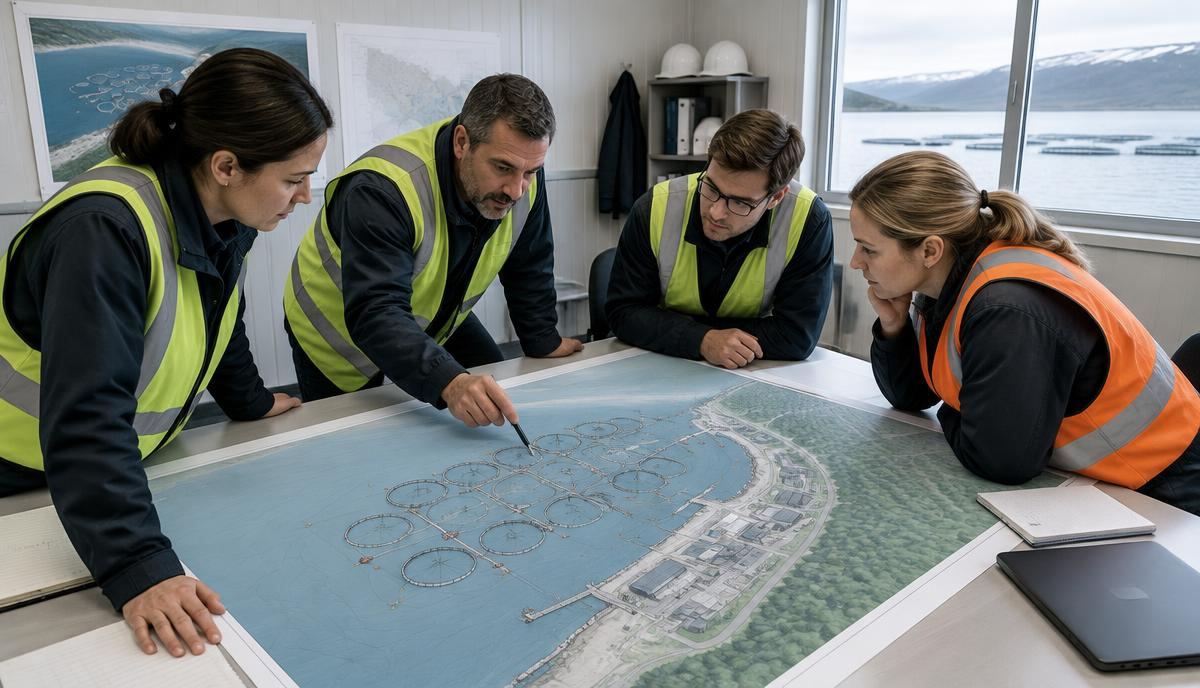
What is a turnkey integrator in aquaculture, and how is it different from specialist packages?
A turnkey integrator is a single company that designs, supplies, installs and commissions most or all of a project: tanks, filtration, oxygenation, pumps, controls, sometimes buildings, power and cold storage, under one contract. Specialist packages mean buying tanks from one producer, biofiltration from another, oxygen from a third, feeding from a fourth, each under its own contract and warranty. The technical content can be identical; what changes is who owns the gaps between systems and who you call when performance falls short.
When does a single integrator make more sense than multiple suppliers?
A single integrator tends to suit buyers with limited in-house technical capacity, a tight timeline, or a remote site where coordinating several installation crews is difficult. It also suits buyers who prioritize one point of accountability over component-level optimization. The tradeoff is that integrators often mark up or substitute components, and you may not get the strongest specialist in every category. Work through a feasibility study and model total costs with the commercial capex calculator and operating cost calculator under both scenarios before deciding.
When does a multi-supplier approach save money or improve quality?
Specialist suppliers who focus only on tanks, only on biofiltration, or only on oxygen systems often have deeper engineering experience in that narrow scope, which can translate into better reliability and lower lifecycle cost. Buying this way can also open competition, since you compare several producers per category rather than accepting one bundled price. The condition for this to pay off is that someone defines the interfaces precisely before any order is placed, with each supplier's scope, exclusions and responsibility boundary documented in writing.
How much does a turnkey integrator cost compared with buying components separately?
There is no fixed percentage difference that applies across projects, since it depends on site conditions, species, scale and how much design work is bundled in. As a general pattern, integrators typically price in a coordination and risk premium for single-point responsibility, while a well-managed multi-supplier buy can be leaner on hardware cost but requires the buyer, or an engineer, to spend time on interface management and commissioning support. Ask every bidder for a written, itemized quote so costs are comparable, and use a total cost of ownership comparison rather than headline prices alone.
How do you manage the interfaces between tanks, water treatment and oxygen systems?
These systems share flow rates, pipe diameters, pressure drops and water chemistry targets, so every supplier needs the same hydraulic design basis: inlet and outlet elevations, flow rates per tank, expected biomass and feed loading, and target dissolved oxygen and ammonia levels. A biofilter sized without the final oxygen demand in mind, or tanks plumbed with connections that do not match the filtration supplier's fittings, are common and costly mistakes. Run the numbers independently with a biofilter sizing calculator, oxygen demand calculator and dissolved oxygen calculator before accepting any single supplier's sizing, and compare generation methods with this on-site oxygen generation vs liquid oxygen comparison.
How do you manage the interfaces between power, buildings and feeding systems?
Power is the interface most often underspecified, because each equipment supplier quotes their own electrical load but rarely accounts for simultaneous start-up currents, backup generator sizing, or building electrical infrastructure. Feeding systems add further load and sometimes compressed air requirements that must align with the building layout. Get a written electrical load schedule from every supplier and check it against a power requirement calculator and generator sizing calculator. Building design should follow equipment layout, not the reverse, so finalize tank and pipe routing drawings before construction drawings are locked; review the fish feed and feeding system matching guide to confirm your feeding equipment matches your species and stocking plan.
How do you keep the cold chain from becoming a weak link between suppliers?
Harvest and cold chain equipment is often procured separately from growout systems, sometimes from a refrigeration specialist without full knowledge of harvest volumes, timing or product form. Confirm harvest throughput, chilling or freezing method, and cold storage capacity against your production plan using a cold storage calculator and processing capacity calculator, and read the harvest and cold chain quality guide. For larger or standalone cold storage and refrigeration procurement, FishMatch Group's sister platform ColdMatch (https://coldmatchgroup.com) focuses on industrial refrigeration and cold storage sourcing.
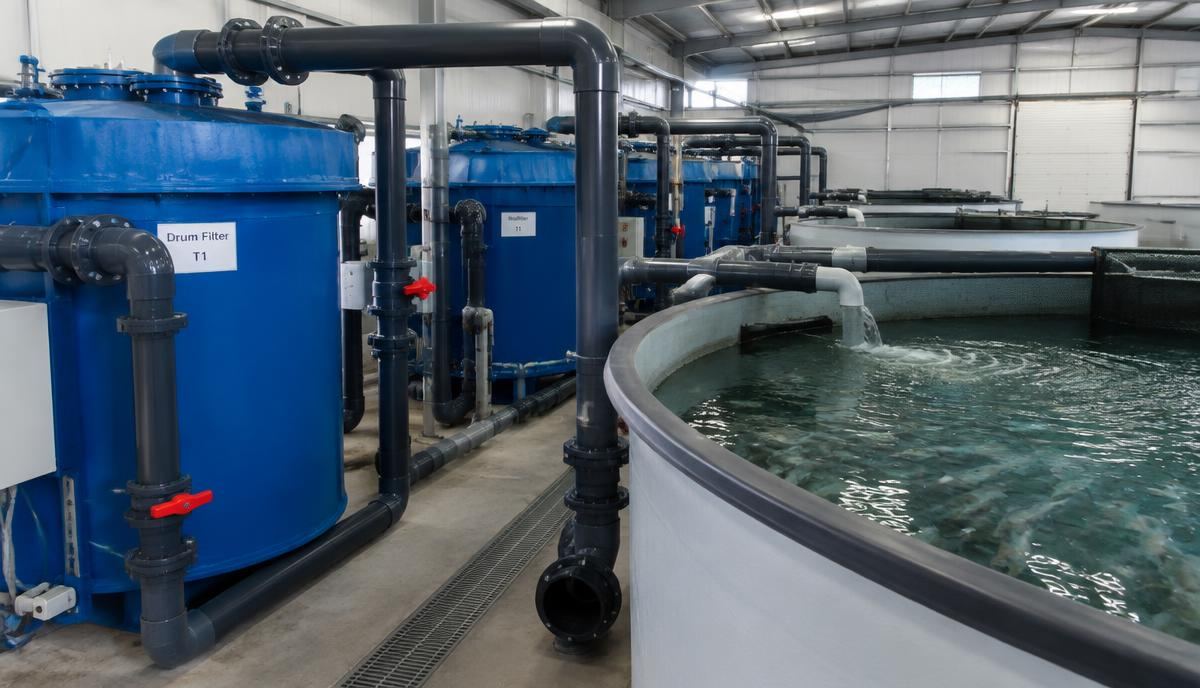
How do you choose a supplier mix and avoid gaps between contracts?
List every physical and informational interface in the project: pipe connections, electrical loads, control signals, structural loads on buildings, and data exchange between control systems. For each interface, name which supplier is responsible for the final connection and who is present at commissioning. Request a supplier checklist from each bidder and compare responses side by side rather than relying on verbal assurances. A written responsibility matrix, even a simple spreadsheet, prevents the common situation where two suppliers each assume the other covers a connection point.
What commissioning and handover steps reduce the risk of finger-pointing later?
Plan commissioning as a joint activity with clear witness points: each supplier should confirm in writing that their system performs to the agreed design basis before the next supplier's equipment is loaded. Document water quality, flow rates and electrical readings at handover, and keep warranty terms filed separately per system, since multi-supplier projects carry multiple warranty clocks. The equipment commissioning and handover guide and spare parts and warranty service guide outline what to request at this stage.
Checklist
Confirm a single hydraulic and electrical design basis shared by every supplier; define pipe, fitting and control signal standards before ordering; assign written responsibility for each physical interface; request itemized quotes so integrator and specialist options are comparable; verify oxygen, biofilter and power sizing independently rather than trusting one supplier's numbers; align building construction drawings with final equipment layout; confirm cold chain capacity against actual harvest volumes; plan joint commissioning with written sign-off at each interface; keep warranty and spare parts records per supplier; revisit the responsibility matrix whenever scope changes.
Frequently asked questions
Can I mix one integrator for growout systems with separate suppliers for cold storage or feed milling? Yes, this is common; just make sure the integrator's scope boundary and the specialist suppliers' scope are documented so no interface is left unassigned. Who is responsible for interface design if I buy from several specialists? Usually the buyer, or a hired engineer, since no single supplier sees the whole project; some buyers also use the FishMatch Group reviewed RFQ process to standardize the information each supplier works from. Does a turnkey integrator remove all coordination risk? No, it reduces the number of contracts, but confirm in writing how the integrator sources each system, since internal interfaces still exist under one contract. How do I compare an integrator's quote with specialist quotes fairly? Ask for the same scope and site data from all bidders, break down pricing by system, and use consistent calculators so you judge price against the same technical baseline.
How FishMatch Group's calculators and reviewed RFQ process help manage these interfaces
Because interface problems usually start with mismatched assumptions, the most useful first step is running your own numbers independently of any supplier's proposal. FishMatch Group's calculators, including commercial capex, power requirement, oxygen demand, biofilter sizing and tco comparison, let you set a design basis before approaching any supplier, whether you choose one integrator or several specialists. When ready to request quotes, the reviewed RFQ intake is reviewed by hand so your scope and interface assumptions stay consistent across matched suppliers, helping surface gaps before contracts are signed. This article is planning guidance only, not engineering design or financial advice; confirm any sizing, interface or safety decision with qualified engineers and suppliers in writing.
If feed milling or feed sourcing is part of your project scope, FishMatch Group's sister platform FeedMatch (https://feedmatchgroup.com) focuses on animal and aqua feed sourcing and feed mill projects, and for broader agricultural equipment needs alongside your build, SeedMatch (https://seedmatchgroup.com) covers agriculture project suppliers.
Related: see the integrated aquaculture project planning guide, the RAS farm cost guide, and the aquaculture calculators and farm planning workflow for how these pieces fit together.
Aquaculture planning benchmarks
| Figure | Value | Context |
|---|---|---|
| CAPEX — RAS | USD 9,000–14,000 per tonne/yr | Global baseline before country cost factor. |
| CAPEX — Ponds | USD 1,800–4,000 per tonne/yr | Lined or earthen ponds, excluding land. |
| CAPEX — Cages | USD 2,500–5,500 per tonne/yr | Cages, moorings, nets and service equipment. |
| CAPEX — Flow-through | USD 4,000–7,000 per tonne/yr | Raceways and water intake works. |
| Energy use | RAS ~6 kWh/kg; ponds ~1.2; flow-through ~1.5; cages ~0.3 | Per kg of fish produced. |
| Typical FCR | Trout 1.1; salmon 1.2; shrimp 1.4; tilapia 1.6; carp 1.8 | kg feed per kg growth; varies with feed and management. |
| Farm size where FishMatch reviews projects | From ~USD 250,000 total project value | Commercial fish and shrimp projects. |
Related articles
Commissioning a Fish Farm or RAS: Acceptance Tests, Handover and Supplier Contract Terms
Short answer: define acceptance tests, performance guarantees, documentation and training in the contract before you buy, then run a staged commissioning and sign-off process against those terms.
ProcurementSpare Parts, Warranty and After-Sales Service for Aquaculture Equipment: What to Ask Before You Buy
Short answer: compare suppliers on spare parts availability, warranty scope, response time and service coverage, then budget after-sales support as a recurring line item, not an afterthought.
ProcurementHow to Request Aquaculture Supplier Quotes
What to include in an aquaculture RFQ so different suppliers price the same scope, and what to check before the first supplier is contacted.
ProcurementWhy Commercial Aquaculture Projects Need Supplier Comparison
Why contacting one supplier early locks the design, and how a reviewed RFQ produces comparable proposals across equipment, EPC and technology partners.
Where this fits in a real project
Every FishMatch project runs through the same five reviewed stages, from a first enquiry to comparable quotations. See the full buyer journey.