Global From Harvest to Market: Planning the Aquaculture Cold Chain for Quality and Value
Short answer: Maintaining quality from harvest to market requires an integrated approach that begins with immediate temperature reduction and continues through processing, freezing, and controlled storage. Buyers should focus on selecting equipment that matches their specific species requirements, production volume, and energy constraints while ensuring that refrigeration suppliers provide detailed performance data and long-term support. A well-planned cold chain minimizes post-harvest losses and preserves the texture, flavor, and nutritional profile that premium markets demand.
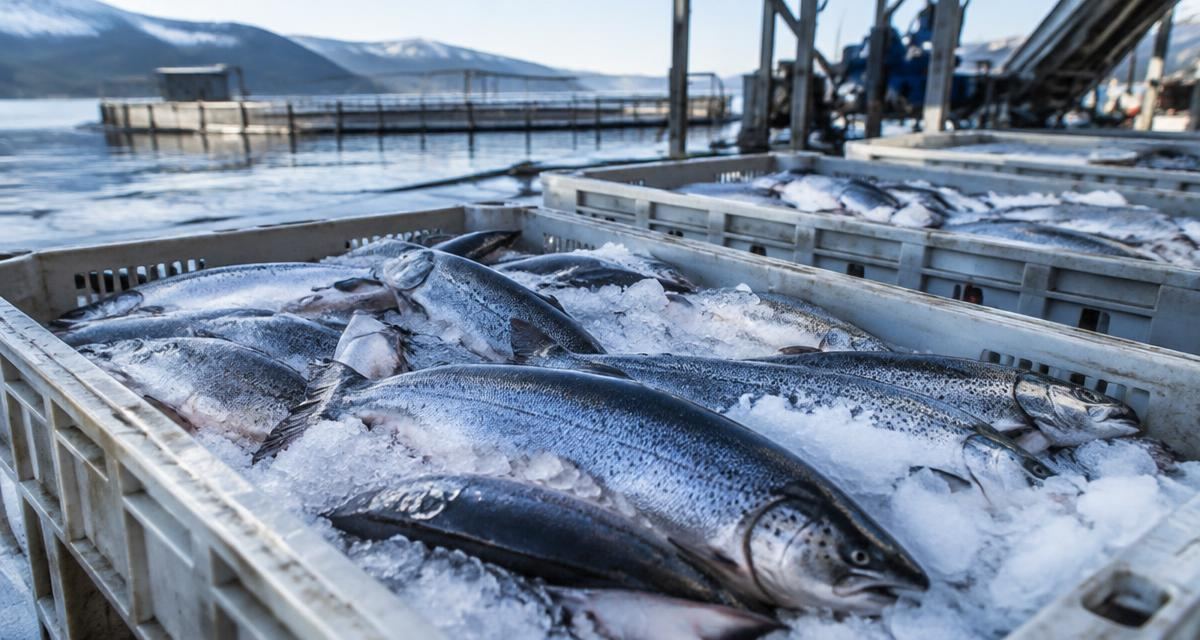
Why does cold chain planning start before the harvest begins?
Aquaculture success is determined in the hours following harvest. Once fish or shrimp leave their growing environment, degradation begins immediately. This includes coordinating ice or chilled water arrival, preparing staff, and ensuring refrigeration systems reach operating temperatures before the product arrives. If temperatures are not lowered rapidly, shelf life is reduced, leading to lower market prices and waste. Buyers must account for harvest logistics; in large-scale operations, biomass volume can overwhelm poorly sized equipment. When talking to suppliers, discuss peak harvest rates rather than averages to ensure the system handles high demand.
How to choose the right chilling method for different species?
Aquaculture species require specific chilling techniques to maintain integrity and appearance. Delicate species like shrimp or whitefish may suffer physical damage if handled roughly. Slurry ice, microscopic crystals in water, is often preferred for surrounding the product completely, providing rapid, uniform cooling without abrasive edges. Conversely, larger fish may suit refrigerated seawater (RSW) or large ice baths. The choice depends on transport distance, duration, and market requirements. Suppliers should provide data on cooling rates for specific biomass. Working with a sister sourcing platform of FishMatch Group like ColdMatch can help buyers identify relevant manufacturers and refrigeration specialists for these technologies.
What are the technical differences between blast freezing and plate freezing?
Freezing allows aquaculture projects to reach distant markets or manage seasonal production gluts. Common methods include air blast and contact plate freezing. Air blast freezers use high-velocity cold air to remove heat. This versatile method accommodates various shapes and sizes, ideal for whole fish or retail fillets. However, it requires careful airflow management to prevent 'freezer burn' from surface dehydration. Contact plate freezing involves placing products between metal plates with circulating refrigerant. This provides efficient heat transfer and fast freezing, maintaining cell structure and minimizing drip loss. When evaluating, ask suppliers for freezing times and estimated dehydration weight loss.
How to size cold storage capacity for aquaculture production cycles?
Sizing cold storage is a critical commercial decision impacting long-term CAPEX and OPEX. Small facilities may force producers to sell at sub-optimal prices during peak harvests due to lack of inventory capacity. Excessive capacity erodes margins through energy and maintenance costs. Calculations must include harvest schedules, storage duration, and shipping frequency. Consider multiple temperature zones for chilled and frozen products. Ask contractors about rack configurations and their impact on airflow. Stagnant air pockets can cause 'hot spots' where quality degrades unexpectedly, leading to significant financial losses during long-term storage of high-value seafood stocks.
What to ask refrigeration suppliers regarding energy consumption and TCO?
Industrial refrigeration is a major ongoing expense. Total cost of ownership (TCO) should be the primary evaluation metric rather than initial purchase price. Ask suppliers for energy consumption models based on your local climate, incoming product temperature, and desired storage conditions. Modern systems use variable frequency drives and advanced controls to optimize energy use during low demand. Consider maintenance costs and spare parts availability. Systems with specialized, hard-to-source components can be a liability during breakdowns. Inquire about service networks and lead times for compressors. Furthermore, insulation quality and loading bay seals significantly impact thermal efficiency and utility bills.
How much does industrial freezing and processing equipment cost?
Aquaculture equipment costs vary by capacity, automation, and materials. While 'price per ton' is a common query, it is misleading without full project scope. Basic manual lines with small blast freezers have lower CAPEX than automated lines with plate freezers and integrated packaging. However, automated systems often offer lower cost per kilogram when labor and yield improvements are factored in over several years. Suppliers should provide a cost breakdown including installation, commissioning, and training. Clarify exclusions like site preparation or electrical upgrades. For accurate comparisons, provide a specific scope of work for 'like-for-like' bidding.
What technical specifications are essential for fish processing lines?
Processing lines must be designed for hygiene, ease of cleaning, and durability in wet environments. Key specifications include food-grade stainless steel (304 or 316), IP-rated electrical components for washdowns, and ergonomic designs for worker safety. The flow should be logical, minimizing travel distance and cross-contamination risks. Select machinery like graders, descalers, and filleting machines based on throughput and yield impact. Even small yield improvements represent significant annual revenue for large operations. Ask for written performance commitments for your specific species. Consider waste handling; modern facilities often integrate waste processing, potentially in coordination with a sister sourcing platform of FishMatch Group, FeedMatch.
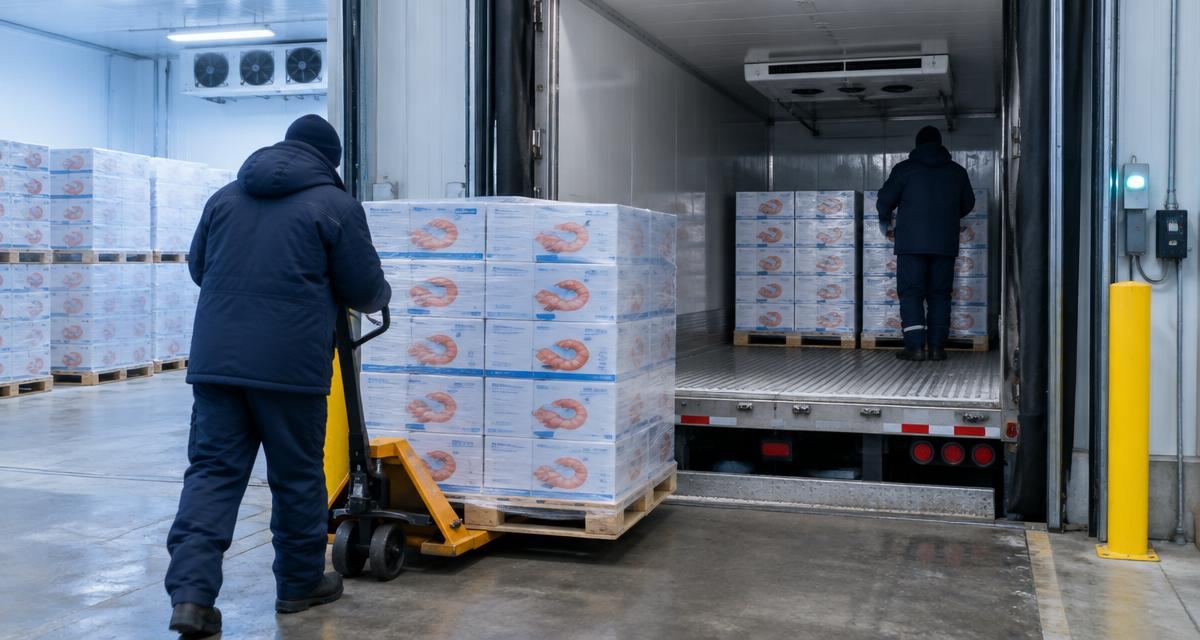
How to evaluate refrigeration contractors and equipment manufacturers?
Selecting the right partners is as important as the equipment itself. Look for contractors with a proven aquaculture track record, as cooling biomass differs from general storage. Request references and visit operational sites if possible. Evaluation criteria should include engineering expertise, documentation quality, and safety compliance. Assess the supplier's financial stability and ability to handle international projects. Often, the most effective solution combines specialized manufacturers for core equipment with local contractors for installation and maintenance. Reputable suppliers are transparent about limitations and work to optimize systems for your needs. They should participate in technical reviews and provide detailed drawings during bidding.
Frequently asked questions
Q: How long can fish be stored in industrial cold storage? Answer: The shelf life depends on the species, the freezing method, and the storage temperature, but high-quality frozen fish can typically be stored for 6 to 12 months at -18°C or lower without significant quality loss. Q: What is the most energy-efficient refrigerant for aquaculture? Answer: Natural refrigerants like ammonia (NH3) and carbon dioxide (CO2) are often the most efficient for large-scale industrial applications and have the added benefit of being future-proof against environmental regulations. Q: Does the cold chain affect the price of fish at the market? Answer: Yes, a robust cold chain ensures the product reaches the market in peak condition, allowing producers to command premium prices and access export markets that have strict quality standards. Q: How often should industrial refrigeration systems be serviced? Answer: Preventive maintenance should be performed at least quarterly, with more comprehensive inspections annually to check for refrigerant leaks, compressor wear, and control system calibration.
Checklist
Define peak harvest volumes and species-specific temperature requirements; evaluate different chilling methods such as slurry ice or refrigerated seawater; compare air blast and contact plate freezing based on product geometry and quality goals; size cold storage capacity based on production cycles and shipping logistics; request detailed energy consumption models and TCO calculations from suppliers; verify the availability of local maintenance and spare parts support; specify food-grade materials and hygienic design for all processing equipment; assess the environmental impact and regulatory compliance of the chosen refrigerant; include operator training and commissioning in the procurement contract; establish a preventive maintenance schedule for all refrigeration and processing machinery.
How FishMatch Group and ColdMatch Group streamline procurement
Planning a complex cold chain requires balancing technical and financial variables. FishMatch Group simplifies this by providing tools and expertise for clear project briefs. Using our human-reviewed RFQ intake system ensures you reach the right manufacturers and contractors. Our platform helps normalize bids so you can compare offers on a transparent technical basis. This process is supported by our sister sourcing platform of FishMatch Group, ColdMatch. A well-defined technical scope is essential for attracting high-quality offers and ensuring that the refrigeration system meets the unique demands of fish and shrimp processing.
To help with planning, we offer calculators for commercial aquaculture. Use the cold-storage calculator for capacity and the processing-capacity calculator to size production lines. For financial analysis, the operating-cost calculator and energy-cost calculator provide data on expenditures. We also recommend the TCO comparison calculator to evaluate equipment options over their life. Starting with a brief at /rfq-intake is the most effective way to attract high-quality suppliers and secure your aquaculture business future.
Related: Supplier Checklist for Aquaculture Projects, Shrimp Farming Equipment Guide, and Incoterms for Aquaculture Equipment Purchases.
Please note that the information provided in this article is for general planning guidance only. It does not constitute professional engineering design, technical specifications, or financial advice. Producers should always consult with qualified engineers and financial professionals before making significant capital investments in aquaculture infrastructure or refrigeration systems.
Aquaculture planning benchmarks
| Figure | Value | Context |
|---|---|---|
| CAPEX — RAS | USD 9,000–14,000 per tonne/yr | Global baseline before country cost factor. |
| CAPEX — Ponds | USD 1,800–4,000 per tonne/yr | Lined or earthen ponds, excluding land. |
| CAPEX — Cages | USD 2,500–5,500 per tonne/yr | Cages, moorings, nets and service equipment. |
| CAPEX — Flow-through | USD 4,000–7,000 per tonne/yr | Raceways and water intake works. |
| Energy use | RAS ~6 kWh/kg; ponds ~1.2; flow-through ~1.5; cages ~0.3 | Per kg of fish produced. |
| Typical FCR | Trout 1.1; salmon 1.2; shrimp 1.4; tilapia 1.6; carp 1.8 | kg feed per kg growth; varies with feed and management. |
| Farm size where FishMatch reviews projects | From ~USD 250,000 total project value | Commercial fish and shrimp projects. |
Related articles
Fish Farm Automation and Monitoring Systems: Sensors, Alarms and Remote Control for Stock Protection
Short answer: a complete automation package combines water quality sensors, alarms, control panels, automatic feeders and remote monitoring to protect stock and should be specified and compared as one integrated scope in an RFQ.
PlanningPlanning a Commercial Biofloc Farm: Tanks, Aeration, Power and Equipment List
Short answer: a commercial biofloc farm needs tanks or lined ponds, heavy aeration/mixing, backup power, carbon dosing, solids removal and monitoring, sized and quoted as one matched scope.
Water QualityUV and Ozone Disinfection Equipment for Aquaculture: Where Each Fits and How to Compare Quotes
UV suits clear, downstream flows like RAS loops and hatcheries; ozone suits intake and higher-organic-load water needing oxidation. Compare quotes on full scope, not price alone.
PlanningFish Farm Permits and Environmental Licensing: What Approvals Does a Commercial Aquaculture Project Need?
Short answer: most commercial fish farms need water use, discharge, land use, species/health, building and import approvals; exact rules depend on your country, so confirm requirements with local authorities early.
Where this fits in a real project
Every FishMatch project runs through the same five reviewed stages, from a first enquiry to comparable quotations. See the full buyer journey.