Global Reducing Fish and Shrimp Mortality Through Strategic Planning and Procurement
Short answer: Reducing mortality in commercial aquaculture requires a multi-layered approach prioritizing life-support redundancy, high-quality seed and feed sourcing, and strict biosecurity protocols. By incorporating specific performance requirements for oxygenation and backup power into your supplier RFQs, you can minimize environmental stress and disease risks that lead to crop loss.
What are the primary drivers of mortality in commercial aquaculture systems?
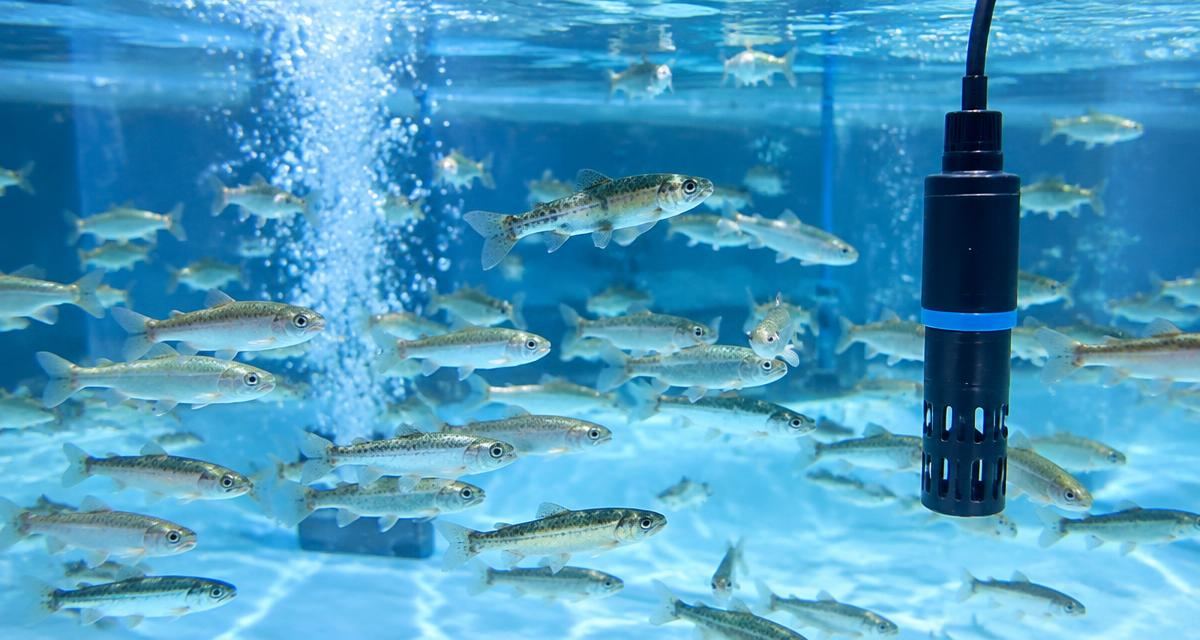
High mortality rates result from chronic stress factors weakening livestock immunity. In intensive systems like Recirculating Aquaculture Systems, sudden mass mortality is often caused by dissolved oxygen crashes, ammonia spikes, or power failures. Chronic mortality is typically driven by poor seed quality, suboptimal nutrition, and inadequate biosecurity measures. Planning for mortality reduction starts at the design phase; a system pushed to its limit without safety margins is a high-risk investment. When preparing procurement documents, buyers must look beyond purchase price and consider the operational stability equipment provides to protect harvest volumes.
How can I reduce fish and shrimp mortality through better system planning?
Effective planning involves identifying points of failure and designing contingencies. As farms transition to intensive indoor facilities, reliance on mechanical life-support systems increases. If aeration or biofiltration units fail, a whole tank or pond can be lost within hours. Planning must include high-efficiency oxygenation and automated monitoring systems that alert managers to deviating water parameters. Mortality reduction planning also extends to the supply chain. Fingerlings or post-larvae of unknown health status can introduce pathogens that wipe out a crop, so ask hatcheries in writing for their health testing and biosecurity records before you order. For farms that also plan crops or integrated agriculture, SeedMatch, a sister sourcing platform of FishMatch Group, covers agriculture project suppliers.
What is the cost of backup power and oxygenation systems for a fish farm?
The cost of life-support redundancy is a fraction of the value of the biomass at risk. When evaluating backup generators or liquid oxygen systems, buyers should view these as insurance policies. Ask each supplier to state in writing what backup power and oxygen will cost for your farm. Failing to include this can lead to total crop loss during a grid failure, exceeding the generator cost. When requesting quotes, ask suppliers for the total cost of ownership, including fuel and maintenance. Oxygenation systems should be sized for peak biomass and high-temperature scenarios to maintain life during critical periods.
How do I choose the right oxygenation equipment to prevent mass mortality?
Choosing oxygenation equipment requires understanding transfer efficiency and species needs. For high-density systems, surface aerators may be insufficient. Many commercial operators use oxygen cones or ceramic diffusers combined with onsite oxygen generation. The right choice depends on water depth, salinity, and temperature. High-salinity water has a lower oxygen-carrying capacity, necessitating aggressive oxygenation strategies. Buyers should ask suppliers for data on the Standard Oxygen Transfer Rate and energy efficiency. It is also wise to inquire about redundancy in the oxygen delivery path. Requesting a Failure Mode and Effects Analysis during the bidding process helps identify these risks early.
What water quality parameters should I monitor to minimize chronic stress?
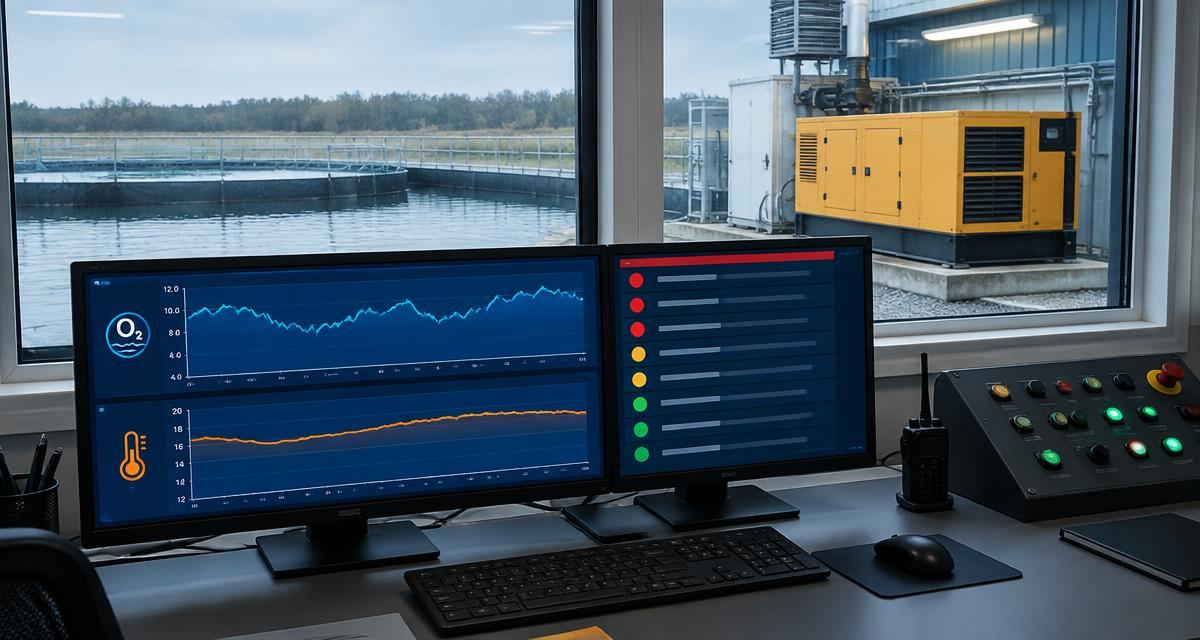
While oxygen is the immediate concern, chronic mortality is often caused by poor management of nitrogenous wastes. Ammonia and Nitrite are toxic even at low concentrations, causing gill damage. Monitoring systems should track these parameters in real-time. pH stability is also critical, as fluctuations affect ammonia toxicity and biofilter efficiency. In shrimp farming, maintaining mineral balances is vital for successful molting. Advanced monitoring systems integrated into SCADA software provide early warnings. When sourcing these systems, ensure the RFQ specifies the accuracy and durability of sensors. Reliable data is the first line of defense against disease, preventing the stress that leads to mortality.
How does stocking density impact mortality and project ROI?
Stocking density drives both revenue and risk. While higher densities allow for greater harvest volumes, they place pressure on life-support systems and increase pathogen transmission. If density exceeds the carrying capacity of filtration, mortality rates will rise, negating gains from higher volume. Calculating optimal biomass is a balance performed during planning to ensure equipment matches the biological load. From a commercial perspective, overstocking often leads to poor Feed Conversion Ratios and slower growth. A farm with moderate density and high survival can earn more than a denser farm that loses more fish, because every lost fish takes the feed it already ate with it.
What should I look for in a fingerling or post-larvae supplier?
Seed quality is a significant factor in long-term farm survival. When choosing a hatchery, buyers must demand transparency regarding genetic lineage and health status. High-quality seed should be free of Specific Pathogens and sourced from broodstock selected for disease resistance. Purchasing cheap, uncertified seed is a common mistake that results in catastrophic failure. In your RFQ for seed stock, require the supplier to provide recent PCR test results and biosecurity protocols. A reputable supplier will provide health certificates and documentation of vaccination programs. By setting high standards for seed quality, you reduce the likelihood of introducing pathogens that could cause widespread mortality.
How can I write biosecurity and feed quality requirements into a supplier RFQ?
Biosecurity is a physical infrastructure that must be planned. When writing an RFQ, include requirements for physical barriers, water disinfection systems like UV, and dedicated zones. Suppliers should propose solutions that minimize personnel movement between tanks. Clear specifications for water intake filtration are essential to prevent introducing wild pathogens. Feed quality is another critical pillar. FeedMatch, a sister sourcing platform of FishMatch Group, can assist in sourcing high-quality aqua feed. In your feed RFQ, specify required protein profiles and the exclusion of contaminants. Ensure planning includes proper on-site storage to prevent spoilage.
How does harvest handling and cold chain management affect survival and quality?
Mortality management continues until the product is processed. Improper handling during harvest leads to physical injury and stress. For species intended for live market sale, harvest stress can cause significant losses just before the point of sale. Planning for a gentle harvest and ensuring rapid stunning is essential for maintaining quality. Cold chain integrity is vital for processed products. Buyers should consult ColdMatch, a sister sourcing platform of FishMatch Group specializing in industrial refrigeration, to ensure post-harvest infrastructure is sufficient. A failure in cold storage can lead to the loss of an entire harvest's value. Integrating requirements for rapid chilling into the initial project scope ensures mortality reduction efforts are not wasted.
Checklist for mortality risk reduction in aquaculture projects
Install redundant oxygenation systems; provide automated backup power; implement continuous water quality monitoring; specify SPF requirements and health certificates in seed contracts; design physical biosecurity zones and water disinfection; source high-quality feed and plan for climate-controlled storage; include commissioning and performance testing in equipment contracts; verify cold chain capacity and redundancy.
Frequently asked questions about reducing farm mortality
Q: Can I rely on a single backup generator for a large-scale fish farm? A: While one generator is better than none, large commercial operations often use two or more units. Q: How often should I test my water quality monitoring sensors? A: Sensors should be calibrated according to manufacturer recommendations, typically once a week or once a month. Q: Does higher water temperature increase the risk of mortality? A: Yes, higher temperatures reduce oxygen solubility and increase fish metabolic rates, raising the risk of an oxygen crash. Q: Is it worth investing in expensive feed? A: Generally, yes, as high-quality feed improves health.
How FishMatch Group assists in planning for high-survival aquaculture projects
FishMatch Group helps commercial aquaculture buyers navigate equipment procurement. By submitting a brief through the /rfq-intake, buyers receive support in refining technical requirements. The FishMatch Group team reviews each brief manually to ensure matched suppliers meet the specific demands of high-intensity environments. This process removes the uncertainty associated with global sourcing, allowing buyers to compare offers based on technical merit. To help buyers plan effectively, FishMatch Group offers a suite of /calculators for preliminary estimates. Using the /calculators/oxygen-demand and /calculators/aeration-sizing tools allows buyers to verify that a supplier's proposal provides sufficient capacity. Other essential tools include /calculators/generator-sizing for backup power planning and /calculators/shrimp-survival-profit for modeling the financial impact of different mortality scenarios. These resources empower buyers to make data-driven decisions that prioritize animal health. The information provided in this article is for planning guidance only and does not constitute engineering design or financial advice.
Related: /blog/fish-farm-backup-power-generator-guide, /blog/aquaculture-site-selection-water-assessment, /blog/shrimp-farming-equipment-guide
Aquaculture planning benchmarks
| Figure | Value | Context |
|---|---|---|
| CAPEX — RAS | USD 9,000–14,000 per tonne/yr | Global baseline before country cost factor. |
| CAPEX — Ponds | USD 1,800–4,000 per tonne/yr | Lined or earthen ponds, excluding land. |
| CAPEX — Cages | USD 2,500–5,500 per tonne/yr | Cages, moorings, nets and service equipment. |
| CAPEX — Flow-through | USD 4,000–7,000 per tonne/yr | Raceways and water intake works. |
| Energy use | RAS ~6 kWh/kg; ponds ~1.2; flow-through ~1.5; cages ~0.3 | Per kg of fish produced. |
| Typical FCR | Trout 1.1; salmon 1.2; shrimp 1.4; tilapia 1.6; carp 1.8 | kg feed per kg growth; varies with feed and management. |
| Farm size where FishMatch reviews projects | From ~USD 250,000 total project value | Commercial fish and shrimp projects. |
Related articles
Fish Farm Staff Training and Operating Procedures: What to Require From Suppliers
Short answer: require documented operator training, written SOPs, alarm-response drills, water-quality routines and feeding protocols from suppliers before handover, confirmed in the contract and RFQ.
OperationsEmergency aquaculture sourcing: replacing critical kit fast
When a blower, oxygen plant or feed line fails, you have days, not months. A short guide to emergency sourcing the right way.
EquipmentFish Farm Automation and Monitoring Systems: Sensors, Alarms and Remote Control for Stock Protection
Short answer: a complete automation package combines water quality sensors, alarms, control panels, automatic feeders and remote monitoring to protect stock and should be specified and compared as one integrated scope in an RFQ.
PlanningPlanning a Commercial Biofloc Farm: Tanks, Aeration, Power and Equipment List
Short answer: a commercial biofloc farm needs tanks or lined ponds, heavy aeration/mixing, backup power, carbon dosing, solids removal and monitoring, sized and quoted as one matched scope.
Where this fits in a real project
Every FishMatch project runs through the same five reviewed stages, from a first enquiry to comparable quotations. See the full buyer journey.