Aquaculture Water Quality Testing Lab Equipment: A Commercial Sourcing Guide
Short answer: Commercial aquaculture operations require a tiered approach to laboratory equipment, combining portable handheld meters for spot checks, benchtop photometers for chemical analysis, and online probes for continuous monitoring of parameters like oxygen and pH. High-intensity production requires high-frequency data to prevent mortality and optimize growth. Effective procurement involves sourcing instruments that offer high repeatability, easy calibration, and a reliable supply chain for reagents and replacement sensors. Standardizing your laboratory setup ensures that decisions regarding feeding and aeration are based on accurate data. This guide details essential equipment and how to request detailed quotes from global suppliers for a robust onsite laboratory.
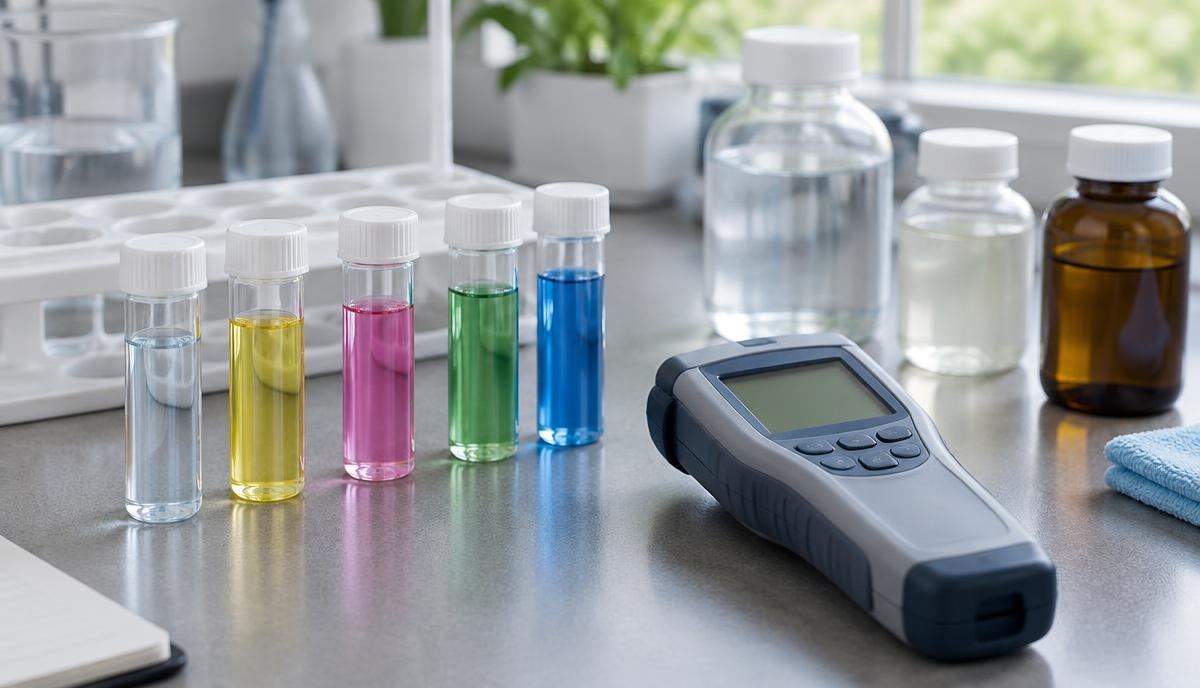
Why professional water quality testing lab equipment is essential for commercial farms
In large-scale aquaculture, water quality drives performance and financial stability. Commercial farms operate at high stocking densities where minor fluctuations in dissolved oxygen or ammonia can lead to mortality. Professional water quality management for commercial aquaculture depends on detecting these changes before they reach critical thresholds. Precise measurement is the foundation of dissolved oxygen management for bankable farms and biosecurity. Focusing on professional tools reduces the risk of sensor drift. Suppliers should provide accuracy specifications across all expected environmental conditions.
Choosing between portable handheld meters and benchtop photometer systems
A robust onsite laboratory utilizes handheld multi-parameter meters and benchtop photometers. Handheld meters offer portability, allowing technicians to take instantaneous readings of temperature, salinity, and oxygen throughout the farm. These tools are indispensable for rapid response and routine checks. In contrast, benchtop photometers provide a controlled environment for measuring chemical parameters like ammonia and nitrite using light absorbance. When comparing aquaculture proposals line-by-line, check if the proposed photometers are open-source. A well-equipped lab combines the mobility of handhelds with the analytical depth of photometers.
Integrating online probes and continuous monitoring for real-time risk management
Manual testing provides snapshots, but aquaculture automation and monitoring systems rely on online probes that stay submerged 24/7. These probes transmit data to a central platform, enabling real-time alerts. For intensive Recirculating Aquaculture Systems (RAS), continuous monitoring is non-negotiable. These systems track oxygen to modulate aeration, impacting energy efficiency in RAS and pond systems. When sourcing, buyers must consider the integration capabilities of probes with existing software. Ask suppliers to state communication protocols to ensure compatibility. Data from these probes is critical for calculating oxygen demand.
The role of reagent-based manual tests in verifying electronic probe accuracy
Despite the convenience of electronic meters, manual titration and colorimetric test kits remain vital. These low-tech solutions serve as a secondary check to verify that electronic sensors have not drifted. In high-stakes environments, a 'double-check' protocol using manual reagents can prevent catastrophic errors caused by malfunctioning probes. During the aquaculture equipment commissioning and handover phase, staff should be trained in both methods. Buyers should include a multi-year supply of high-quality reagents in their initial RFQ to ensure consistency. A diversity of testing methods ensures reliable data points for the farm manager.
Establishing a daily sampling routine and laboratory protocol for water safety
The effectiveness of lab equipment is limited by the sampling routine. A commercial farm must establish a rigorous protocol defining where, when, and how water samples are collected. Water quality is not uniform; samples should be taken from multiple depths and locations. The timing of sampling is crucial, as parameters like oxygen and pH fluctuate significantly throughout the day. Utilizing the dissolved oxygen calculator helps technicians understand these cycles and predict when the lowest oxygen levels occur. A documented routine ensures data is comparable over time, allowing for the identification of trends.
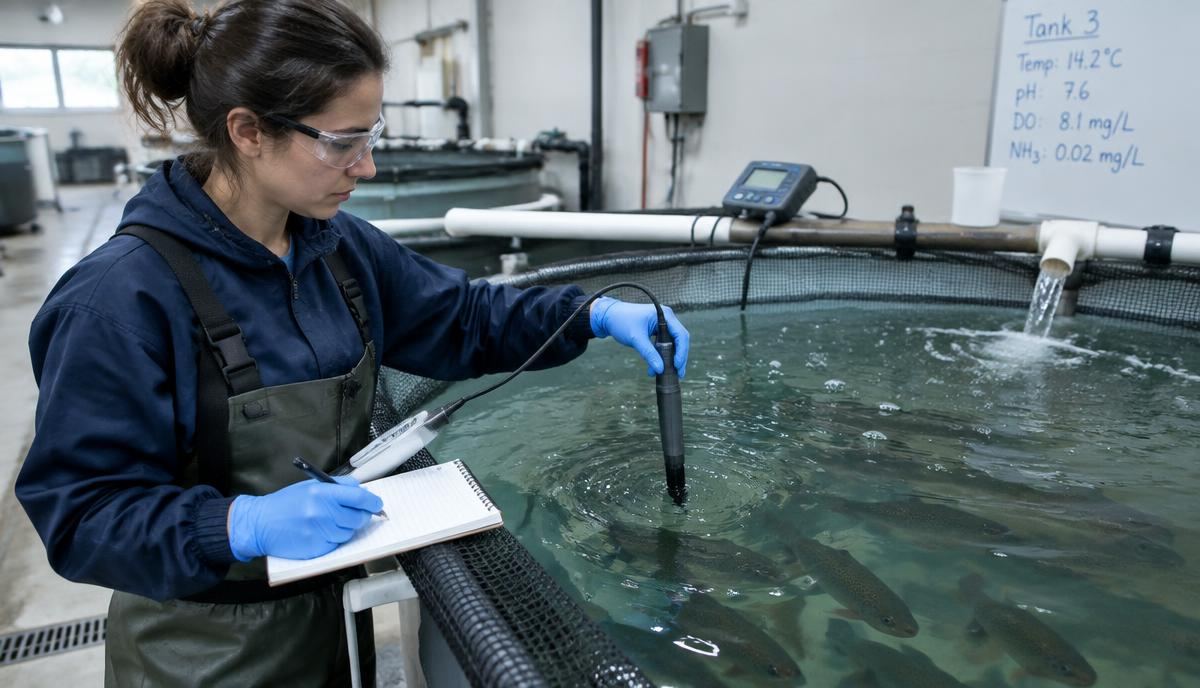
Managing calibration standards and consumable supplies for consistent data
Electronic sensors are only as good as their last calibration. A professional laboratory must maintain a stock of certified calibration standards used to reset sensors and correct drift. When you buy aquaculture equipment, you must plan for the ongoing cost of these consumables, including replacement membranes, electrolytes, and reagents. A common mistake in aquaculture project planning is underestimating these operational expenses. Buyers should ask suppliers for a detailed list of required consumables for the first two years. Storing these supplies in a climate-controlled environment is necessary to prevent degradation.
How laboratory data links to automated alarms and critical farm decisions
In modern commercial aquaculture, the laboratory is the central intelligence hub. Data generated by water testing equipment feeds directly into decisions for feeding, harvesting, and emergency response. Automated alarm systems are programmed with thresholds based on the physiological requirements of the species. For instance, if the oxygen requirement calculator indicates the biomass needs specific flow rates and sensors show a decline, the system can automatically trigger backup aerators. This integration is core to biosecurity on a budget, allowing for precise control. Correlating water quality data with growth rates is essential for operators.
Sourcing microbiology and histology equipment for advanced fish health monitoring
As a farm scales, laboratory needs often expand into microbiology and histology. For large-scale shrimp farms or hatcheries, onsite health screenings save time during a disease outbreak. This equipment might include microscopes for parasite identification, incubators for bacterial cultures, and PCR machines for viral detection. While this increases initial aquaculture CAPEX, it reduces reliance on external labs with long turnaround times. When sourcing hatchery equipment, check if the supplier can provide an integrated lab package. Onsite health checks allow for faster implementation of biosecurity zoning and HACCP protocols.
Budgeting for lab equipment maintenance and sensor replacement cycles
Laboratory equipment represents a significant investment requiring an ongoing maintenance budget. Electronic probes have a finite lifespan and will eventually need replacement, typically every 12 to 24 months. When planning your aquaculture OPEX, you must account for these scheduled replacements. Furthermore, high-end photometers may require annual professional servicing to ensure optics and electronics remain within factory specifications. Include aquaculture equipment spare parts and warranty service as a specific line item in procurement contracts. Ask suppliers for a clear schedule of recommended maintenance and the cost of replacement sensor caps.
How to request comparative quotes for a complete aquaculture lab package
When you are ready to request an aquaculture supplier quote, it is most efficient to seek a complete package. A comprehensive RFQ should specify the species, expected water parameters, and daily volume of tests required. This allows suppliers to recommend the most appropriate grade of equipment. Ask for a breakdown including the base price, a two-year supply of reagents, and recommended spare parts. Using a vendor-neutral aquaculture sourcing platform helps you compare these packages on a like-for-like basis, focusing on total cost of ownership. Be clear about requirements for data logging and connectivity to ensure integration with your management software.
Evaluating supplier technical support and warranty terms for electronic instruments
The long-term value of water quality testing equipment depends on technical support. Electronic instruments are sensitive and complex to troubleshoot. Before finalizing a purchase, evaluate the supplier’s track record for after-sales support. Do they have local technicians or provide remote diagnostic support? When evaluating aquaculture equipment suppliers, look for those who offer comprehensive training as part of the commissioning package. Warranty terms are also critical; ensure coverage for the specific environmental conditions of your farm. Choosing a supplier who stands behind their product ensures your investment remains a productive asset. This article is a planning guide only, not engineering or financial advice.
Checklist
Define critical water quality parameters based on species and system type; determine frequency of testing for each parameter to set laboratory throughput requirements; select high-quality handheld meters for daily monitoring; invest in a benchtop photometer for chemical analysis; specify online probes for continuous oxygen monitoring in intensive systems; create a list of required reagents for the first 24 months; establish a standardized sampling routine and laboratory protocol; ensure all electronic equipment includes calibration standards; verify compatibility of online sensors with existing automation systems; request detailed quotes that include spare parts and training; plan for replacement cycles of electronic sensors in your budget; document all calibration activities to ensure data integrity.
Frequently asked questions
How often should I calibrate my aquaculture handheld meters? Most commercial operators calibrate oxygen and pH meters daily before use to ensure maximum accuracy and account for sensor drift. Which is better, a photometer or a manual titration kit? Photometers offer higher precision and digital data logging, but manual titration kits are excellent for low-cost verification and as a backup in case of electronic failure. Do I need a microbiology lab on my farm? While not strictly necessary for all farms, having basic microbiology equipment is highly recommended for large-scale operations to identify pathogens quickly and improve biosecurity. Can online probes replace all manual water testing? No, online probes are excellent for continuous monitoring of key parameters, but they must be regularly verified against manual tests to ensure they are functioning correctly.
How do FishMatch Group's calculators and reviewed RFQ help?
FishMatch Group simplifies sourcing specialized laboratory equipment by providing a structured platform for submitting detailed requirements. Our team reviews each RFQ to ensure all necessary components, from reagents to replacement sensors, are included, preventing scope gaps during installation. By utilizing our aquaculture equipment sourcing step-by-step process, you gain access to a global network of suppliers specializing in commercial-grade instrumentation. Our platform allows you to compare quotes from multiple manufacturers side-by-side, focusing on technical specifications and total cost of ownership. Furthermore, our suite of tools, such as the aquaculture calculators, helps you determine the exact monitoring needs of your facility based on biomass and system design.
Related: How to request an aquaculture supplier quote, Water quality management for commercial aquaculture, Aquaculture automation and monitoring systems.
Aquaculture planning benchmarks
| Figure | Value | Context |
|---|---|---|
| CAPEX — RAS | USD 9,000–14,000 per tonne/yr | Global baseline before country cost factor. |
| CAPEX — Ponds | USD 1,800–4,000 per tonne/yr | Lined or earthen ponds, excluding land. |
| CAPEX — Cages | USD 2,500–5,500 per tonne/yr | Cages, moorings, nets and service equipment. |
| CAPEX — Flow-through | USD 4,000–7,000 per tonne/yr | Raceways and water intake works. |
| Energy use | RAS ~6 kWh/kg; ponds ~1.2; flow-through ~1.5; cages ~0.3 | Per kg of fish produced. |
| Typical FCR | Trout 1.1; salmon 1.2; shrimp 1.4; tilapia 1.6; carp 1.8 | kg feed per kg growth; varies with feed and management. |
| Farm size where FishMatch reviews projects | From ~USD 250,000 total project value | Commercial fish and shrimp projects. |
Related articles
Why New RAS Farms Need Biofilter Start-Up Time Before Full Stocking
A new Recirculating Aquaculture System (RAS) requires a biological maturation period to establish nitrifying bacteria that process toxic waste before the system can support full fish biomass.
Water QualityUV and Ozone Disinfection Equipment for Aquaculture: Where Each Fits and How to Compare Quotes
UV suits clear, downstream flows like RAS loops and hatcheries; ozone suits intake and higher-organic-load water needing oxidation. Compare quotes on full scope, not price alone.
Water QualityAquaculture Effluent and Sludge Management: Drum Filters, Settling, Dewatering and Wetlands Explained
How to specify drum filters, settling, sludge dewatering and constructed wetlands for aquaculture effluent, and how to compare supplier offers on equal terms.
Water QualityWater Quality Management in Commercial Aquaculture
Alkalinity, pH, TAN, nitrite, CO2 and salinity are not monitoring metrics — they are design constraints. A working guide to the water quality parameters that determine whether a commercial aquaculture project performs as planned.
Where this fits in a real project
Every FishMatch project runs through the same five reviewed stages, from a first enquiry to comparable quotations. See the full buyer journey.