Vendor-Neutral Aquaculture Sourcing: Why FishMatch Group Puts the Buyer First
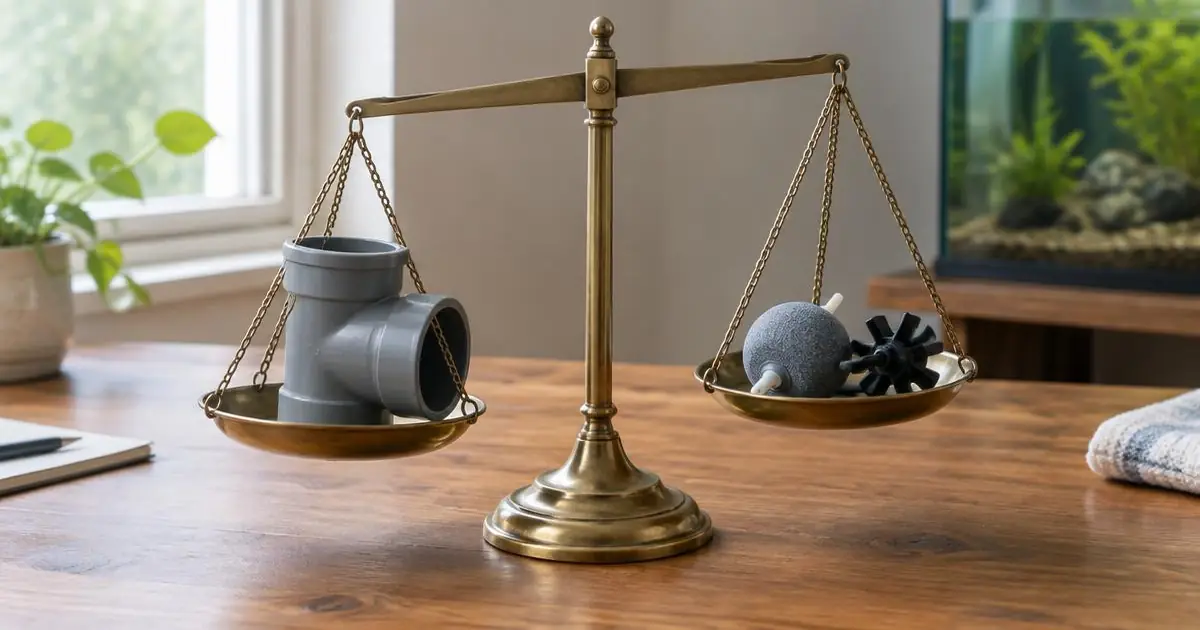
Most aquaculture buyers have been through the same conversation: a distributor recommends one brand, quotes one system, and insists it is the best fit for the project. Too often, that recommendation is driven by an exclusive distribution agreement, a volume rebate, or a preferred-vendor relationship — not by what is actually best for the farm.
At FishMatch Group, we built the opposite model. We work with every project-matched manufacturer so the buyer gets the best solution, not the most convenient one.
The problem with convenient sourcing
Aquaculture projects are capital-intensive and technically complex. A RAS facility, a shrimp farm expansion, or a new hatchery involves dozens of interdependent systems: tanks, biofilters, oxygenation, feeding, monitoring, biosecurity, and civil works. When a single distributor controls the conversation, the buyer rarely sees the full range of options.
Exclusive distribution deals create three hidden risks:
• **Specification mismatch.** The recommended system may be oversized, undersized, or designed for a climate different from the buyer's.
• **Price inflation.** Without competitive pressure, the buyer pays the distributor's margin on top of the manufacturer's margin.
• **Weak after-sales support.** The distributor's incentive ends at the sale; long-term commissioning and spare-parts support may be thin.
What vendor-neutral sourcing means in practice
Vendor-neutral sourcing means we have no exclusive distribution deals and no preferred-brand kickbacks. When a buyer submits an RFQ through FishMatch Group, we open it to relevant project-matched suppliers identified for the requirement and evaluate each response on the same four criteria:
- **Specification fit** — Does the equipment match the species, climate, scale, and biosecurity requirements of the project?
2. **Total price** — Including equipment, shipping, customs, commissioning, and first-year spares.
3. **Lead time** — Realistic delivery and installation schedules, not marketing promises.
4. **Support** — Local service partners, spare-parts availability, training, and reference projects in similar conditions.
The buyer's interest is the only bias in the scorecard.
Why aquaculture needs this now
The global aquaculture supply chain is fragmented. The best manufacturers for RAS engineering sit in Northern Europe. Strongest cage and pond equipment often comes from the Mediterranean, Turkey, or East Asia. Shrimp hatchery and nursery expertise clusters in Southeast Asia and Latin America. No single distributor can credibly represent all of them.
A buyer in Saudi Arabia building a seabass RAS needs access to Danish biofilters, Italian oxygen cones, Spanish tank fabricators, and local commissioning support. A shrimp farm in Ecuador expanding to biofloc needs Thai feeder manufacturers, Israeli monitoring systems, and regional engineering. A neutral sourcing layer is the only way to assemble the right combination.
Buyer-First, not supplier-first
Our revenue comes from helping buyers close qualified opportunities, not from pushing inventory. That changes the entire dynamic:
• We do not keep stock to clear.
• We do not pressure buyers toward a partner who pays the highest commission.
• We disclose conflicts when they exist and recuse ourselves from biased recommendations.
• We protect supplier identities during the comparison phase so the buyer evaluates the proposal on merit, not brand prestige.
Every Project-matched Manufacturer
Our network includes OEMs, specialized engineering firms, regional integrators, and turnkey contractors. We do not limit a request to the suppliers who happen to be in our Rolodex. If a project-matched manufacturer exists anywhere in the world for the spec, we find them, qualify them, and invite them to bid.
Qualification is non-negotiable. Every supplier must demonstrate reference projects, export experience, warranty terms, and after-sales capability before their quote reaches a buyer.
What buyers should ask any sourcing partner
Before you trust a sourcing concierge with your project, ask three questions:
- Do you have exclusive distribution agreements with any of the suppliers you recommend?
2. Are you compensated differently depending on which supplier I choose?
3. How many project-matched suppliers will actually see my RFQ?
If the answer to the first two is yes, or the answer to the third is one, you are not getting a neutral comparison.
Submit a vendor-neutral RFQ
FishMatch Group is built for buyers who want the full picture. Tell us your species, farm size, country, and budget. We will open your request to project-matched manufacturers worldwide, anonymize the early-stage quotes, and deliver a shortlist scored on specification, price, lead time, and support — with your interest as the only bias.
Related: request a project quote · browse equipment categories · find suppliers by country.
Aquaculture planning benchmarks
| Figure | Value | Context |
|---|---|---|
| CAPEX — RAS | USD 9,000–14,000 per tonne/yr | Global baseline before country cost factor. |
| CAPEX — Ponds | USD 1,800–4,000 per tonne/yr | Lined or earthen ponds, excluding land. |
| CAPEX — Cages | USD 2,500–5,500 per tonne/yr | Cages, moorings, nets and service equipment. |
| CAPEX — Flow-through | USD 4,000–7,000 per tonne/yr | Raceways and water intake works. |
| Energy use | RAS ~6 kWh/kg; ponds ~1.2; flow-through ~1.5; cages ~0.3 | Per kg of fish produced. |
| Typical FCR | Trout 1.1; salmon 1.2; shrimp 1.4; tilapia 1.6; carp 1.8 | kg feed per kg growth; varies with feed and management. |
| Farm size where FishMatch reviews projects | From ~USD 250,000 total project value | Commercial fish and shrimp projects. |
Related articles
Where this fits in a real project
Every FishMatch project runs through the same five reviewed stages, from a first enquiry to comparable quotations. See the full buyer journey.
Planning a commercial aquaculture project?
Send your project brief. A FishMatch specialist reviews it before relevant suppliers are contacted privately.
Request a quote