Canada–Armenia 2026: new seafood access after health-certificate acceptance — buyer checklist
Yes: Armenia approved a Canadian health certificate (CFIA/ACIA FA1072) for fish, seafood and processed products intended for human consumption, creating new access for Canadian fish and seafood (CFIA, June 2026). CFIA lists all fish and seafood products as eligible but warns that Armenia may impose additional establishment registration requirements. This is regulatory access only: supplier eligibility must still be verified and no Armenian buyer or order is implied.
FishMatch Group editorial team · Official sources read 25 October 2026 · published
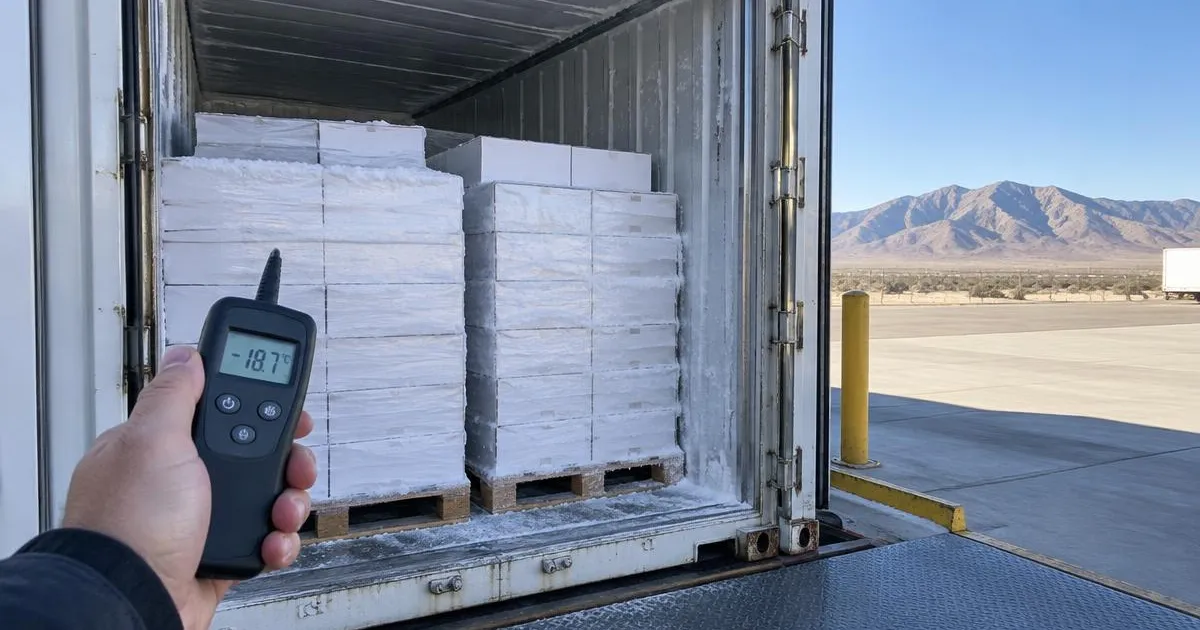
What changed, and what it does not prove
CFIA reports new access for Canadian fish and seafood following Armenia's approval of a Canadian health certificate for products intended for human consumption.
| Layer | Status | What it means for a buyer |
|---|---|---|
| Regulatory access | Confirmed by CFIA | All fish and seafood products for human consumption, under certificate FA1072. |
| Verified supplier eligibility | Checked per supplier and shipment | Safe Food for Canadians licence, CFIA approved-for-export listing and possibly additional Armenian establishment registration. |
| Actual buyer | Not verified | No buyer, order, volume or price is implied. CFIA's figure is Armenia's total seafood imports from all origins. |
Product forms and specifications covered
CFIA lists all fish and seafood products for human consumption as eligible. Specify:
- Species (common and scientific name) and farmed or wild.
- Chilled or frozen; whole, fillet, portion, cooked or processed.
- Grade, count or weight range; pack size; glaze and net weight for frozen product.
- Labels: the exporter is responsible for Armenia's labelling, packaging and marking rules — confirm them with the importer.
Health documentation
FA1072 is a joint food-safety and aquatic animal health certificate issued by CFIA.
| Product | Documents |
|---|---|
| All fish and seafood products for human consumption | CFIA/ACIA FA1072 sanitary certificate |
| Establishment | CFIA approved-for-export listing; ask the importer about any additional Armenian registration |
Temperature and handling
These are buyer checks to agree in the contract; the specification governs.
- Chilled product: Codex CXC 52-2003 says fresh fish, fillets and shellfish to be chilled “should be held at a temperature as close as possible to 0 °C”. Write the target and the allowed deviation into the contract.
- Frozen product: Codex treats quick freezing as complete only when the thermal centre reaches –18 °C or colder after thermal stabilisation, and frozen product should be transported at –18 °C or colder. Specify IQF or block freezing, glaze percentage and whether price and weight are net of glaze.
- Ask for continuous temperature records (reefer download or data logger) from loading to delivery, and agree receiving inspection and rejection criteria before the first shipment.
- Armenia is landlocked: sea freight reaches it through a third-country port and an overland leg. Ask how temperature records are kept across every hand-over and whether transit documents are needed.
Shipping timeline checklist
Order of steps, not durations; transit time depends on route and is quoted per request.
- Before the contract: check the plant on CFIA's approved-for-export list.
- Before the contract: ask the importer whether Armenia requires additional establishment registration and which national or Eurasian Economic Union rules apply.
- Before production: agree labels and packaging with the importer.
- Before booking: fix the route, transit country and the delivery point in Armenia.
- At loading: request FA1072, record product temperature and start the data logger.
- On arrival: customs may sample and test; check temperature records and documents before acceptance.
Reported market context
CFIA reports that Armenia imported about $44 million of fish and seafood in 2025. The release does not state the currency, and the figure covers all origins, not Canada. FishMatch has no verified Armenian buyer, price or demand data for Canadian products.
Related pages
Use the reference page for the full requirements; this article is the buyer checklist.
Frequently asked questions
Can Canadian fish and seafood be exported to Armenia?
Yes. CFIA reports that Armenia approved Canadian health certificate FA1072 for fish and seafood products intended for human consumption.
Are there extra registration steps?
Possibly. CFIA says Armenia may impose additional establishment registration requirements and strongly encourages exporters to confirm them with importers before exporting.
Does new access mean a Canadian supplier is approved for Armenia?
No. Access is country-level; each plant's licence, CFIA listing and any Armenian registration are checked separately.
How do I request Canadian seafood for Armenia through FishMatch?
Send the free seafood request with species, form, size, volume, origin, delivery window, destination and documents. FishMatch is free for buyers and reviews annual or seasonal programmes of USD 250,000 or more. Supplier identities stay private until review; there is no guarantee of supply, price, eligibility or clearance.
Official sources
- CFIA news release (June 2026): Government of Canada secures new and expanded market access for Canadian fish, seafood and aquatic products
- CFIA: Armenia — export requirements for fish and seafood (modified 14 May 2026)
- CFIA: Aquatic animal export — certification requirements for Armenia
- CFIA: Canadian fish and seafood establishments approved for export (live list)
- Codex CXC 52-2003: Code of Practice for Fish and Fishery Products (FAO/WHO)