Best countries to source aquaculture equipment in 2026
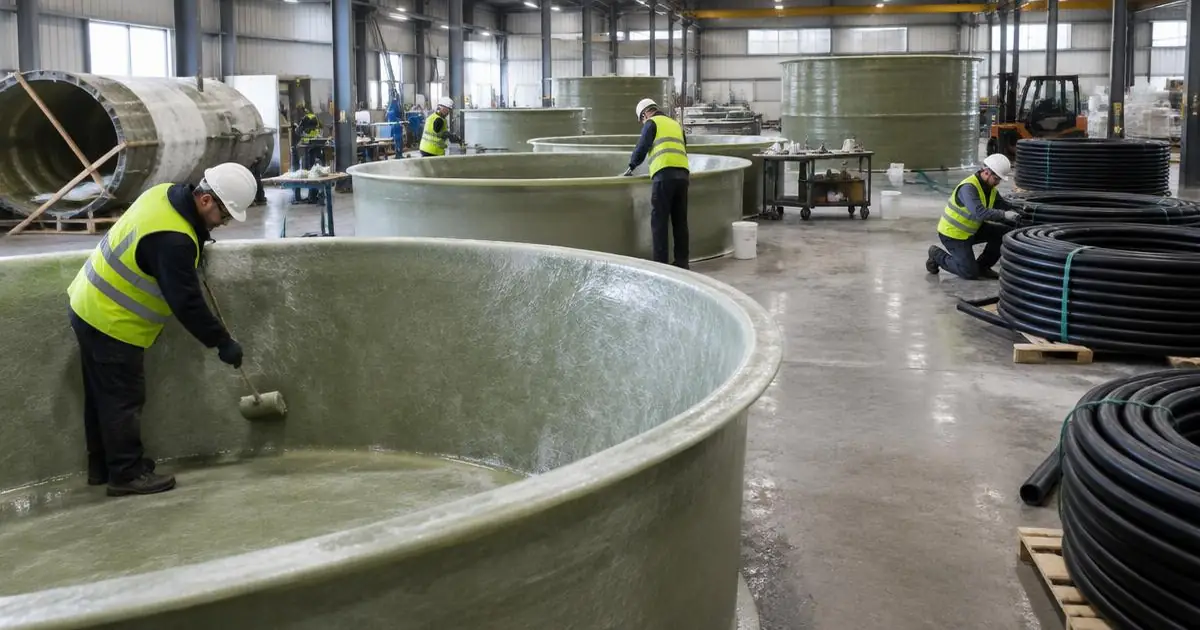
Aquaculture equipment is not made everywhere. Eight or nine countries produce most of the world's serious kit, and each region specializes in something different. Knowing where to source is the first 20% of a successful project.
Norway and Denmark — RAS engineering
If you are building a land-based salmon, trout or post-smolt facility, the deepest pool of engineering houses sits here. Expect premium pricing, strong biological know-how and deep reference lists.
Netherlands and Italy — cage farming and feeders
Mediterranean cage systems, feed barges and mooring engineering are dominated by Italian and Dutch builders. Strong choices for sea-bass, sea-bream and offshore expansion.
USA and Canada — indoor shrimp and salmon RAS
North America has a fast-growing cluster of indoor shrimp and salmon RAS engineering firms — newer, but very technically capable.
China and Vietnam — cost-effective shrimp equipment
Aerators, paddlewheels, pond plastics, oxygenation and feed systems are produced at scale in China and Vietnam at a fraction of European pricing. Vet quality carefully.
Türkiye and Spain — sea-cage hardware
Mooring, nets, feed barges and harvest equipment with strong Mediterranean references.
How to use this map
Match the country to the system, not the brand. A buyer in Egypt building tilapia ponds should look at Chinese aerators and Vietnamese feeders. A buyer in Saudi Arabia building a RAS mega-farm should be on flights to Oslo and Copenhagen.
Related: find RAS suppliers in Norway · cage farm suppliers in Greece · salmon equipment in Chile.
Aquaculture planning benchmarks
| Figure | Value | Context |
|---|---|---|
| CAPEX — RAS | USD 9,000–14,000 per tonne/yr | Global baseline before country cost factor. |
| CAPEX — Ponds | USD 1,800–4,000 per tonne/yr | Lined or earthen ponds, excluding land. |
| CAPEX — Cages | USD 2,500–5,500 per tonne/yr | Cages, moorings, nets and service equipment. |
| CAPEX — Flow-through | USD 4,000–7,000 per tonne/yr | Raceways and water intake works. |
| Energy use | RAS ~6 kWh/kg; ponds ~1.2; flow-through ~1.5; cages ~0.3 | Per kg of fish produced. |
| Typical FCR | Trout 1.1; salmon 1.2; shrimp 1.4; tilapia 1.6; carp 1.8 | kg feed per kg growth; varies with feed and management. |
| Farm size where FishMatch reviews projects | From ~USD 250,000 total project value | Commercial fish and shrimp projects. |
Related articles
Where this fits in a real project
Every FishMatch project runs through the same five reviewed stages, from a first enquiry to comparable quotations. See the full buyer journey.
Planning a commercial aquaculture project?
Send your project brief. A FishMatch specialist reviews it before relevant suppliers are contacted privately.
Request a quote