Producing Fish and Shrimp Buyers Value: Planning for Quality and Price From Day One
Short answer: the quality that buyers pay more for — uniform size, firm flesh, clean flavour, consistent supply — is largely determined before the first harvest ever happens. It comes from how seed or post-larvae are selected, how feed and feeding systems are matched to the species, how grading and water quality are managed through the grow-out cycle, and how harvest, processing and cold chain are planned from the design stage rather than improvised at the end.
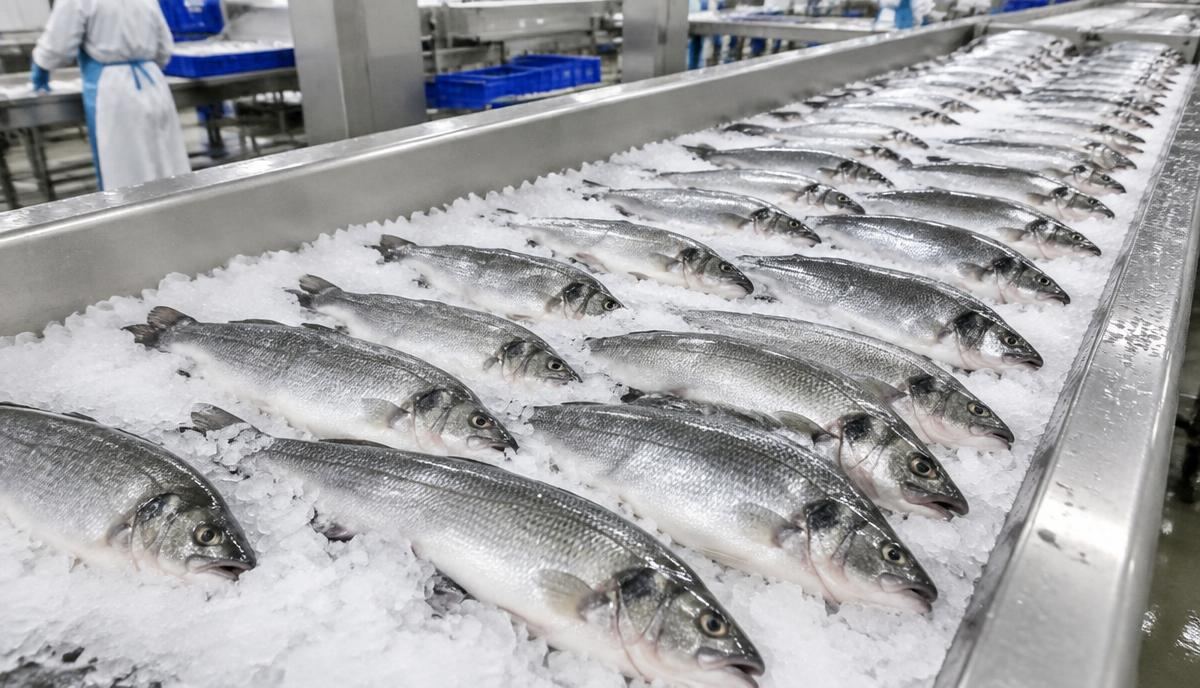
Why does product quality start at the design stage, not at harvest?
Many buyers assume quality is mostly a harvest-day or processing-plant issue, but the biological and operational conditions that produce uniform, high-value fish or shrimp are set much earlier. Stocking density, tank or pond layout, feed delivery, and water quality control all influence growth uniformity and stress levels long before harvest. A facility designed with grading, biosecurity and cold chain in mind from the start tends to produce more consistent batches than one where these are added later as fixes. This is why FishMatch Group encourages buyers to treat quality as a design requirement in the original project brief, alongside production volume and budget, when they approach the RFQ intake process.
How does seed and fingerling choice affect final product quality?
Genetics, broodstock health, and the uniformity of post-larvae or fingerlings at stocking all carry through to the final crop. Batches that start uneven in size tend to stay uneven, since larger individuals often outcompete smaller ones for feed and space. Buyers sourcing hatchery stock should ask suppliers in writing about grading practices, size distribution at delivery, and health screening history rather than relying on general assurances. These details belong in the same comparable-offer request used for equipment, so reviewers can line up fingerling or post-larvae specifications against grow-out plans; the hatchery planning tool is a useful starting point for sizing this stage.
How do feed and feeding systems influence flesh quality and flavour?
Feed formulation, pellet quality and feeding regime affect growth rate, feed conversion, and ultimately the texture and flavour of the harvested product. Feeding systems that distribute feed evenly and match delivery to appetite help reduce size variation and avoid wasted feed that can degrade water quality. Off-flavour, commonly linked to compounds produced in pond or recirculating system water, is managed through water quality control, stocking density and depuration rather than feed alone, so these should be planned together. For feed sourcing and feed mill questions, FishMatch Group sister platform FeedMatch (https://feedmatchgroup.com) focuses on animal and aqua feed sourcing and feed mill projects. Our feed and feeding system matching guide covers aligning feed choice with species and system type.
How does grading and stocking density affect size uniformity?
Regular grading during grow-out separates faster- and slower-growing individuals so each group can be fed and managed according to its needs, which tends to improve overall size uniformity at harvest. Stocking density that is too high for the system's oxygen and filtration capacity can increase stress and size variation, while density that is well matched to the equipment supports steadier growth. The stocking density and biomass calculators can help frame these parameters for a request for comparable offers, and suppliers should be asked to confirm grading equipment capacity for the intended throughput.
How is off-flavour controlled before it affects the crop?
Off-flavour is a recognised commercial risk in both pond and recirculating aquaculture systems, usually linked to water quality conditions rather than a single fixable input. Common mitigation approaches include water exchange or treatment, adjusted stocking and feeding, and a depuration or purging period in clean water before harvest, sized to the species and system. Because the causes and remedies are system-specific, buyers should ask equipment and system suppliers directly, in writing, how their design addresses off-flavour risk and what monitoring or purging capacity is included, rather than accepting general claims.
How should harvest timing be planned for better product value?
Harvest timing affects size distribution, flesh condition and the ability to align supply with buyer demand. Harvesting too early can mean smaller, less valuable product; harvesting too late can increase mortality risk, flesh quality issues, or feed cost without matching value gain. A harvest plan that accounts for growth curves, market size targets and processing or cold chain capacity helps avoid rushed decisions. The harvest profit calculator and the aquaculture harvest cold chain quality guide go into more detail on sequencing harvest with downstream handling.
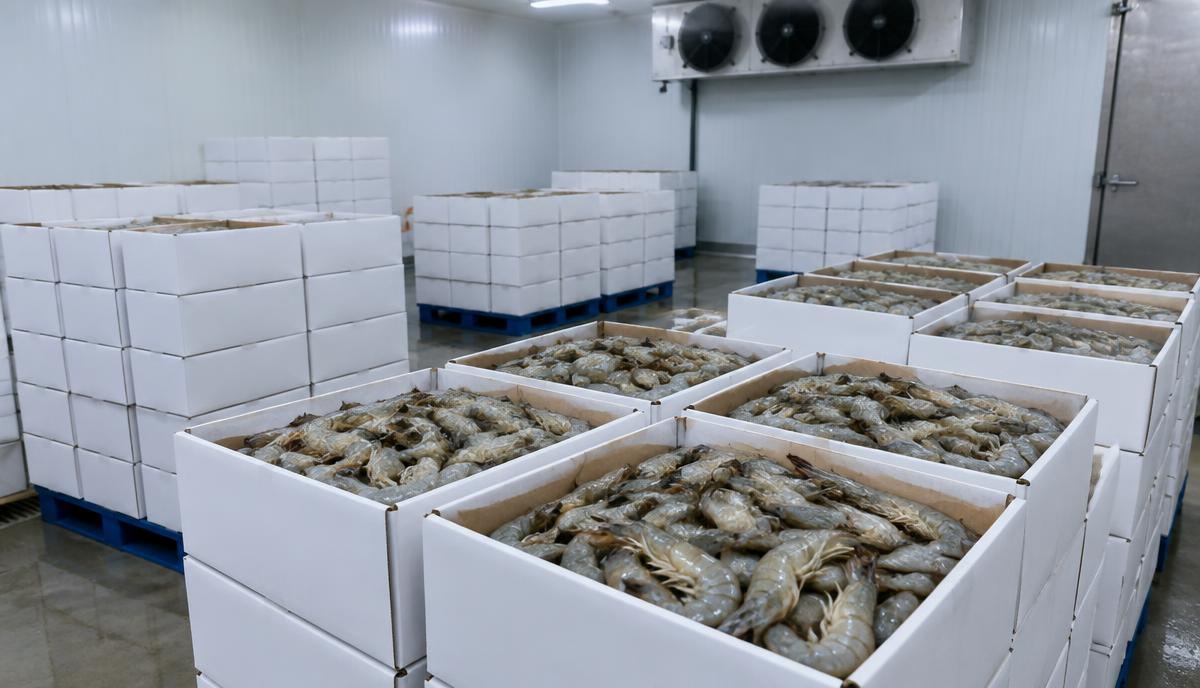
How does processing and cold chain design protect product value?
Once fish or shrimp leave the water, the speed and consistency of chilling, grading, processing and storage determine how much of the biological quality built up during grow-out is preserved for the buyer. Gaps in the cold chain — undersized chilling capacity, delays between harvest and processing, or inconsistent storage temperatures — can erode quality quickly, regardless of how well grow-out was managed. Cold storage and processing capacity should be sized together with harvest volume targets using the cold storage and processing capacity calculators. For specialised industrial refrigeration and cold storage procurement beyond a single farm project, FishMatch Group sister platform ColdMatch (https://coldmatchgroup.com) focuses specifically on that equipment category.
How much does quality-focused equipment and planning cost?
There is no single figure that applies across species, system types and regions, since equipment specification, feed quality, grading and cold chain capacity all vary with project scale and site conditions. Rather than relying on general price indications, buyers get the most reliable answer by submitting a detailed scope through the RFQ intake process, where the FishMatch Group team reviews the brief by hand and requests comparable offers from matched suppliers for review. Budgeting tools such as commercial capex and operating cost can help frame a scope before that submission.
How do you choose a supplier combination that supports product quality?
No single supplier category decides product quality alone; it comes from how hatchery stock, feed, grading equipment, water treatment and cold chain equipment work together. When comparing offers, request the same scope and specifications across all quotes, and ask for written detail on grading capacity, feed specifications, water quality control, and cold chain throughput rather than general marketing claims. The supplier checklist outlines practical questions for this comparison, and the integrated aquaculture project planning guide discusses how these pieces fit into one coherent plan.
Checklist
Confirm hatchery or post-larvae grading and health screening in writing; match feed type and feeding system to species and growth stage; set a grading schedule and stocking density appropriate to equipment capacity; plan off-flavour monitoring and purging capacity before stocking; size harvest timing against growth curves and buyer size targets; size chilling, processing and cold storage capacity to match harvest volume, not just average throughput; request comparable, written specifications from every supplier category rather than relying on verbal assurances; treat quality requirements as part of the original project brief, not an afterthought.
Frequently asked questions
Does bigger feed budget always mean better flesh quality? Not necessarily; matching feed type, pellet quality and feeding regime to the species and growth stage matters more than spending more on feed in general, and should be confirmed with feed suppliers in writing. Can off-flavour be fixed after harvest? Some purging or depuration before processing can help, but prevention through water quality management during grow-out is generally more reliable than attempting to correct it after the fact. Does size uniformity only matter for premium markets? No; uniform sizing simplifies grading, pricing and processing for most buyers, including volume-focused markets, not only premium ones. Who should size the cold chain equipment, the farm or the processor? Cold chain capacity should be planned jointly against harvest volume and timing, ideally during the same project design stage as farm equipment, not left for the processing side to resolve separately.
How can FishMatch Group's calculators and RFQ process help with this planning?
Because product quality depends on several linked decisions — seed, feed, grading, water quality, harvest timing and cold chain — it helps to frame each one with a planning tool before approaching suppliers. The stocking density, biomass, harvest profit, cold storage and processing capacity calculators let you put approximate numbers against each stage of the plan. Once the scope is clearer, the RFQ intake form lets the FishMatch Group team review your brief by hand and request comparable offers from matched suppliers on the same scope, so you can compare feed, equipment, hatchery and cold chain proposals side by side. This article is planning guidance only, not engineering design or financial advice, and project-specific design should be confirmed with qualified suppliers and engineers.
Related: Aquaculture Harvest Cold Chain Quality, Fish Feed and Feeding System Matching, Integrated Aquaculture Project Planning.
Aquaculture planning benchmarks
| Figure | Value | Context |
|---|---|---|
| CAPEX — RAS | USD 9,000–14,000 per tonne/yr | Global baseline before country cost factor. |
| CAPEX — Ponds | USD 1,800–4,000 per tonne/yr | Lined or earthen ponds, excluding land. |
| CAPEX — Cages | USD 2,500–5,500 per tonne/yr | Cages, moorings, nets and service equipment. |
| CAPEX — Flow-through | USD 4,000–7,000 per tonne/yr | Raceways and water intake works. |
| Energy use | RAS ~6 kWh/kg; ponds ~1.2; flow-through ~1.5; cages ~0.3 | Per kg of fish produced. |
| Typical FCR | Trout 1.1; salmon 1.2; shrimp 1.4; tilapia 1.6; carp 1.8 | kg feed per kg growth; varies with feed and management. |
| Farm size where FishMatch reviews projects | From ~USD 250,000 total project value | Commercial fish and shrimp projects. |
Related articles
Best countries to source aquaculture equipment in 2026
A country-by-country buyer guide to where the strongest aquaculture equipment manufacturers cluster — and what each region is genuinely good at.
MarketsLocal market guide: aquaculture sourcing in Southeast Asia
What buyers need to know about sourcing aquaculture equipment in Vietnam, Indonesia, Thailand and the Philippines.
MarketsAquaculture Trends 2026: What Is Actually Changing on Commercial Projects
Energy-led system choices, staged land-based capital, post-smolt growth, automation, feed reformulation and tighter discharge rules — the trends that change how projects get specified.
EquipmentFish Farm Automation and Monitoring Systems: Sensors, Alarms and Remote Control for Stock Protection
Short answer: a complete automation package combines water quality sensors, alarms, control panels, automatic feeders and remote monitoring to protect stock and should be specified and compared as one integrated scope in an RFQ.
Where this fits in a real project
Every FishMatch project runs through the same five reviewed stages, from a first enquiry to comparable quotations. See the full buyer journey.