Why New RAS Farms Need Biofilter Start-Up Time Before Full Stocking
Short answer: A new RAS biofilter must undergo a maturation phase—often called commissioning—because nitrifying bacteria responsible for converting toxic ammonia into less harmful nitrate do not exist in sufficient quantities in a sterile new system. Stocking fish at full capacity immediately would lead to rapid ammonia and nitrite accumulation, resulting in high mortality. Buyers should request a quote for systems with clear commissioning protocols and compare RAS equipment quotes based on provided biological support. This article is a planning guide only, not engineering advice.
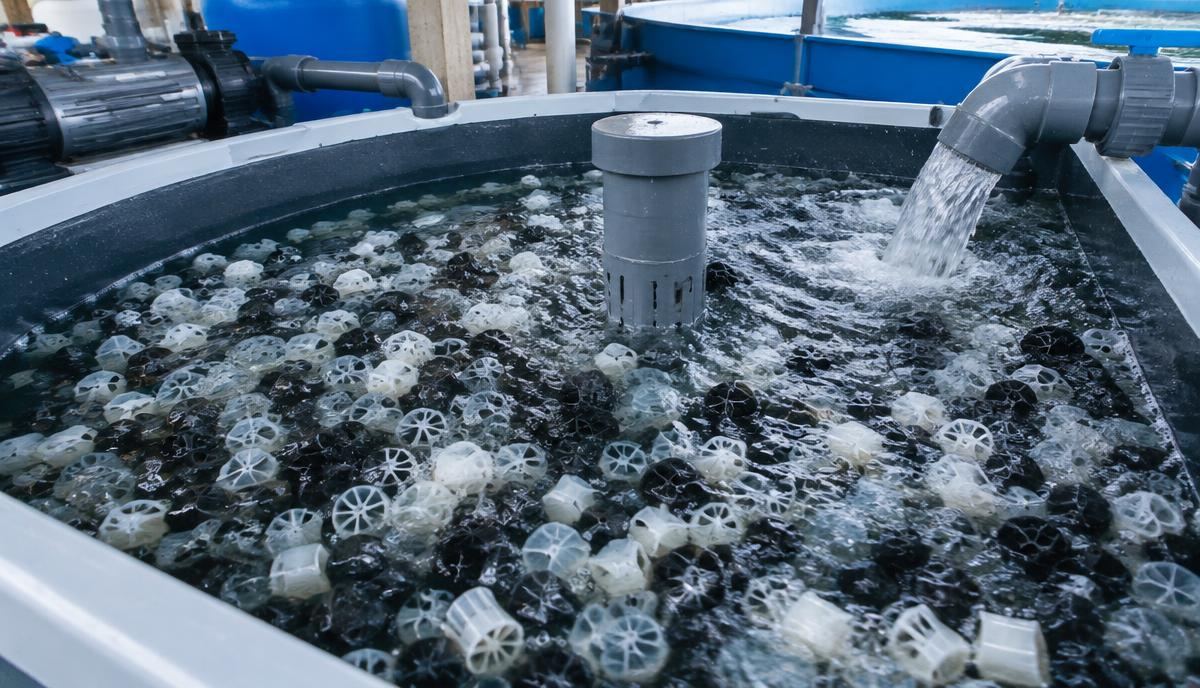
Why nitrifying bacteria colonization takes priority during RAS commissioning?
The heart of a recirculating system is its biological filter, where specialized strains of bacteria reside on plastic media. These microorganisms are the primary defense against metabolite toxicity. When a farm is first built, the system is biologically "empty." Bacteria must grow and attach to the filter media to form a biofilm. During integrated aquaculture project planning, managers must account for the time required for these colonies to handle the daily feed load. Buyers should use a biofilter sizing calculator to understand surface area requirements before procurement.
How ammonia and nitrite spikes impact initial fish stocking safety?
In a new RAS, introducing fish triggers chemical changes. Ammonia levels rise as fish excrete waste; if the biofilter is not ready, this causes gill damage. As bacteria begin to work, ammonia drops but toxic nitrite levels climb, interfering with fish blood oxygen transport. Only after the second group of bacteria matures will nitrite fall to safe levels. Commercial buyers must ensure their water quality management plan includes frequent testing during this phase to avoid losses if the biofilter is overwhelmed by premature stocking.
Why gradual stocking protocols protect biofilter bacterial stability?
Biofilter bacteria respond to ammonia availability. If a farm stocks too many fish at once, waste will exceed the capacity of the young colony, causing a system crash. Conversely, without ammonia, bacteria starve. A successful fingerling supply and stocking plan relies on a phased approach where biomass increases incrementally, allowing the bacterial population to grow alongside the waste load. When evaluating RAS farm equipment checklists, buyers should look for systems designed for efficient low-load operation during these critical initial weeks of maturation.
What role does water quality monitoring play in biofilter maturation?
Monitoring temperature, pH, ammonia, nitrite, and nitrate tracks biofilter progress. Temperature and pH are critical, as nitrifying bacteria have specific ranges for efficient growth. If water is too acidic or cold, maturation is significantly extended. Integrating aquaculture automation and monitoring systems allows operators to see trends and react before chemical levels reach dangerous thresholds. Suppliers should provide calibration schedules for sensors during the aquaculture equipment commissioning and handover process to ensure data used for stocking decisions remains accurate throughout the high-risk start-up phase.
How does biofilter start-up time affect your overall project schedule?
Investors often underestimate the gap between construction completion and the date full fish batches can be supported. Maturation is a non-negotiable biological process that must be integrated into the aquaculture equipment sourcing step-by-step timeline. Rushing this phase leads to setbacks costing more in time and lost revenue than the delay itself. Procurement teams should ask suppliers if "seeding" the biofilter with bacteria from existing systems or commercial cultures can reduce wait times. However, chemical testing must still verify the system before moving to full production.
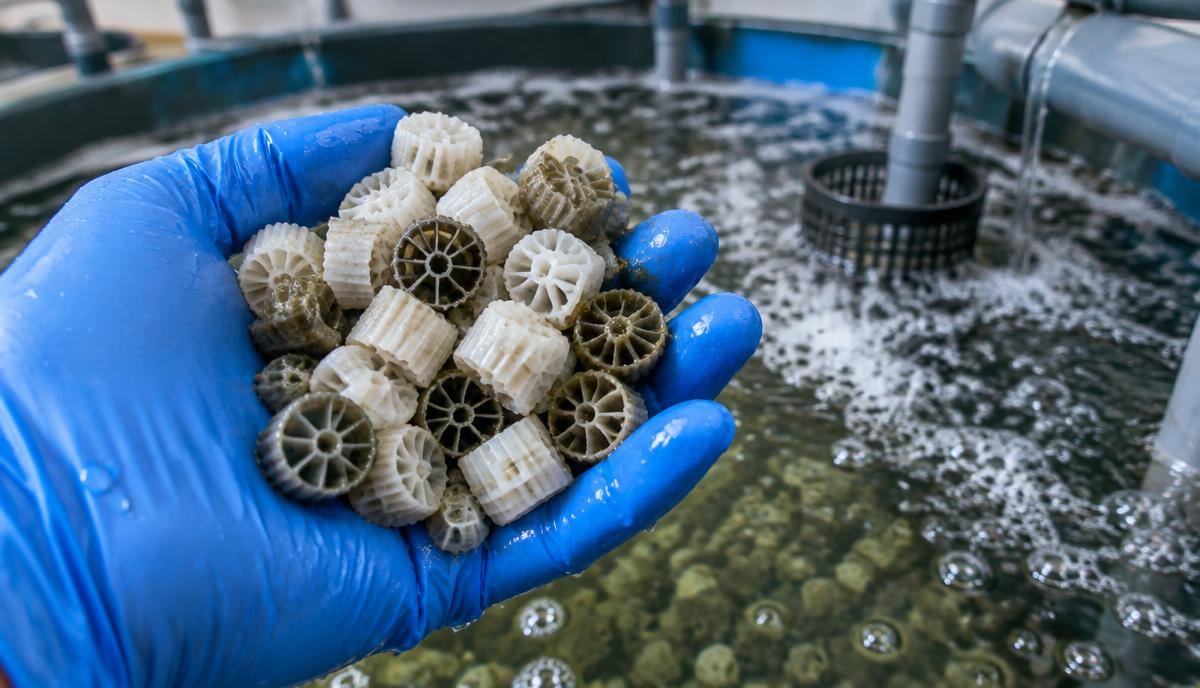
Why sourcing professional commissioning support reduces start-up risks?
The transition to a functioning biological farm is a high-risk period. Sourcing equipment is only half the battle; ensuring hardware is tuned to the biological needs of the species is the other. When you compare RAS equipment quotes, specify that the price includes technical support during biofilter maturation. Experienced technicians can identify early signs of distress—such as foaming or odors—that an inexperienced manager might miss. This professional oversight supports long-term biological success rather than just the installation of hardware.
What questions should you ask RAS equipment suppliers about biofilter maturation?
Buyers should demand clarity from manufacturers regarding biological start-up requirements. Ask suppliers to state in writing their recommended ammonia loading rates and the specific water chemistry parameters required for filter media to perform optimally. Inquire about the total effective surface area, as this dictates the ultimate capacity of the system. You should also ask if they provide a "start-up kit" including specific bacterial strains or chemical buffers needed during nitrification. Understanding these requirements during the procurement toolkit phase prevents unexpected costs for chemicals or labor.
How to align equipment procurement with biological timeline requirements?
Strategic procurement involves understanding how components interact with fish biology. As part of commercial aquaculture farm planning, the arrival of feed and fingerlings must be perfectly synchronized with biofilter readiness. If fingerlings arrive before the nitrite spike has passed, losses can be total. If feed is unavailable to nourish the biofilter before fish arrive, bacteria may go dormant. Utilizing a procurement platform helps coordinate these moving parts, ensuring all suppliers are working toward the same milestones and reducing the risk of hardware sitting idle or being pushed early.
Checklist
Review the supplier’s written commissioning protocol for biological start-up; confirm the total surface area of the biofilter media is sufficient; verify the availability of high-accuracy water testing kits for ammonia, nitrite, and nitrate; establish a source for bacterial seeding cultures; schedule fingerling delivery only after the nitrite spike has subsided; ensure staff are trained in identifying signs of biofilter distress; check that the monitoring system is calibrated; confirm the availability of chemical buffers to manage pH; coordinate with the feed supplier to have appropriate feed available for the initial low-density stocking phase.
Frequently asked questions
How long does it typically take for a RAS biofilter to mature? The duration depends on water temperature and pH, so ask suppliers to state their estimated timelines based on your site conditions. Can I use fish to start the biofilter? Yes, but it must be done with a very small number of fish to prevent high mortality during ammonia spikes. What happens if the biofilter fails? Failure leads to toxic accumulation, requiring water exchanges or reduced feeding. Does the media type affect start-up time? Different media types influence how quickly bacteria attach, so compare RAS equipment quotes carefully.
How do FishMatch Group's calculators and reviewed RFQ help?
Navigating the complexities of a new RAS project requires precise planning. FishMatch Group provides a biofilter sizing calculator to help buyers verify supplier claims about system capacity before contracts are signed. By submitting an RFQ intake, commercial buyers receive comparable offers from a range of suppliers, all reviewed by our team to check that commissioning support and biological start-up protocols are clearly defined. Our platform removes the guesswork from aquaculture equipment sourcing, allowing investors to focus on building a sustainable farm while we handle the technical comparisons.
Related: Step-by-step aquaculture equipment sourcing, Guide to equipment commissioning and handover, and Planning fingerling supply and stocking.
Aquaculture planning benchmarks
| Figure | Value | Context |
|---|---|---|
| CAPEX — RAS | USD 9,000–14,000 per tonne/yr | Global baseline before country cost factor. |
| CAPEX — Ponds | USD 1,800–4,000 per tonne/yr | Lined or earthen ponds, excluding land. |
| CAPEX — Cages | USD 2,500–5,500 per tonne/yr | Cages, moorings, nets and service equipment. |
| CAPEX — Flow-through | USD 4,000–7,000 per tonne/yr | Raceways and water intake works. |
| Energy use | RAS ~6 kWh/kg; ponds ~1.2; flow-through ~1.5; cages ~0.3 | Per kg of fish produced. |
| Typical FCR | Trout 1.1; salmon 1.2; shrimp 1.4; tilapia 1.6; carp 1.8 | kg feed per kg growth; varies with feed and management. |
| Farm size where FishMatch reviews projects | From ~USD 250,000 total project value | Commercial fish and shrimp projects. |
Related articles
Aquaculture Water Quality Testing Lab Equipment: A Commercial Sourcing Guide
Learn how to select the right handheld meters, photometers, and online probes for commercial fish and shrimp farms to ensure precise water quality management.
Water QualityUV and Ozone Disinfection Equipment for Aquaculture: Where Each Fits and How to Compare Quotes
UV suits clear, downstream flows like RAS loops and hatcheries; ozone suits intake and higher-organic-load water needing oxidation. Compare quotes on full scope, not price alone.
Water QualityAquaculture Effluent and Sludge Management: Drum Filters, Settling, Dewatering and Wetlands Explained
How to specify drum filters, settling, sludge dewatering and constructed wetlands for aquaculture effluent, and how to compare supplier offers on equal terms.
Water QualityWater Quality Management in Commercial Aquaculture
Alkalinity, pH, TAN, nitrite, CO2 and salinity are not monitoring metrics — they are design constraints. A working guide to the water quality parameters that determine whether a commercial aquaculture project performs as planned.
Where this fits in a real project
Every FishMatch project runs through the same five reviewed stages, from a first enquiry to comparable quotations. See the full buyer journey.