Uzbekistan Aquaculture Equipment: Specification & Quote Comparison
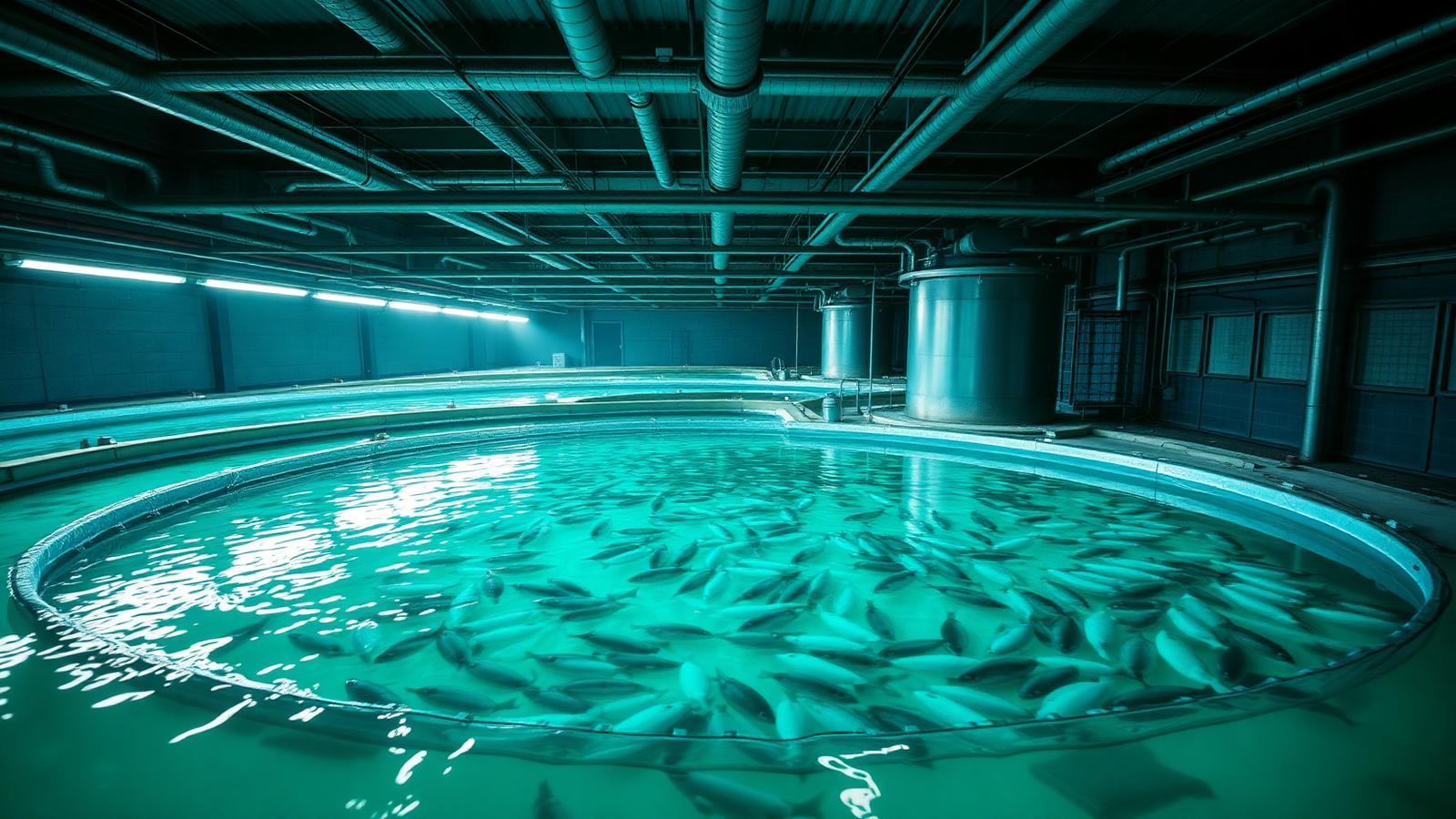
Short answer: To buy aquaculture equipment for a farm in Uzbekistan, first create detailed specifications for each system (e.g., RAS, feeding, aeration). Request quotes that separate equipment and shipping costs (EXW and DAP Incoterms) to accurately calculate the total landed cost. Use a comparison matrix to evaluate technical features, warranties, and pricing side-by-side to find the best overall value, not just the lowest price.
1. The Uzbek Aquaculture Opportunity & Equipment Challenge
Uzbekistan's government is actively promoting the expansion and intensification of its aquaculture sector. According to Presidential Decree UP-122, government targets include increasing national fish production to 500,000 tonnes and developing 20,000 tonnes of cold-water fish farming capacity per year in foothill areas from 2027 (source: lex.uz). This follows a 2023 output of 206,000 tonnes, where intensive methods accounted for less than 20% (source: president.uz).
This strategic push towards modern, high-density farming presents a significant opportunity for investors. Proposals have included partial reimbursement of costs for installing recirculating aquaculture systems (RAS), according to president.uz. However, a key challenge for entrepreneurs is equipment procurement. An earlier presidential resolution noted that local production of equipment for intensive fish farming is not well-established, compelling many to purchase systems from abroad (source: lex.uz). This makes a structured, international procurement strategy essential for success.
2. Key Equipment Lots to Tender
To manage complexity and attract competitive bids, it is best to group equipment into logical packages, or 'lots'. Depending on your project's scale and technology, you may tender for these lots separately or as a single turnkey system. A typical breakdown includes:
- Core Fish Rearing System: This is the largest and most critical package. For a Recirculating Aquaculture System (RAS), this includes tanks, drum filters, biological filters (e.g., MBBR), protein skimmers/degassers, oxygenation or aeration systems, UV or ozone disinfection units, and all system pumps.
- Monitoring, Control & Automation: This covers all sensors (e.g., for dissolved oxygen, pH, temperature), a central control panel or PLC (Programmable Logic Controller), and software for data logging, alarms, and automated control of components like feeders or oxygen valves.
- Feeding System: Automated feeders, feed storage silos, and feed distribution mechanisms. This is often a separate package, especially for larger farms.
- Ancillary & Site Equipment: This lot includes essential support equipment such as fish counters and graders, fish pumps for transfer, mortality disposal systems (e.g., ensilage tanks), a laboratory for water quality analysis, and a backup power generator.
- Pipes, Fittings & Installation: While some suppliers include these, it is often tendered locally or separately. Clarify exactly what pipes, valves, and electrical cabling are included in each main equipment quote.
3. Creating a Robust Request for Quotation (RFQ)
A detailed RFQ is the foundation of a successful procurement process. The more specific your request, the more comparable your incoming quotes will be. Each RFQ for an equipment lot should clearly define:
- Design Basis: The core parameters the system must handle. This includes target species, desired annual production (tonnes), maximum planned biomass (tonnes), peak daily feed input (kg/day), and the source water's characteristics (temperature range, alkalinity, etc.).
- Technical & Performance Specifications: Define required capacities. For example, specify a biofilter's treatment capacity in kilograms of feed per day, a drum filter's flow rate in m³/hour at a specific micron rating, and an oxygen cone's delivery efficiency.
- Materials of Construction: Specify the required quality to ensure a long operational life. For example: HDPE or PP for tanks, grade 316L stainless steel for components in contact with saltwater or ozone, and marine-grade aluminum for structural elements.
- Power Supply: State your site's electrical standards (e.g., 380V, 3-phase, 50Hz, common in Uzbekistan) and require suppliers to list the power consumption (kW) and specifications for every motor and electrical component.
- Spares & Consumables: Request a priced list of recommended critical spare parts for two years of operation. This should include items like pump seals, UV lamps, ozone destruct units, and key sensors.
- Services: Clearly define the scope and cost for on-site commissioning supervision and operator training. Specify the number of days required and what is included in the fee (e.g., travel, accommodation).
- Warranty: State the minimum required warranty period, for instance, an illustrative 12 months from commissioning or 18 months from shipment, whichever comes first.
4. Landed Cost Normalisation for Uzbekistan
Because Uzbekistan is a doubly landlocked country, logistics are a major cost factor. Comparing supplier quotes based on the factory price alone is a common and costly mistake. You must normalise all offers to a single 'Total Landed Cost'.
Start by requesting quotes based on two Incoterms: EXW (Ex-Works) for the price of the goods at the factory, and DAP (Delivered At Place) for the price including delivery to your project site in Uzbekistan before customs clearance. This helps you separate the equipment cost from the shipping cost.
Work with a local customs broker or freight forwarder to build a complete landed cost estimate for each international quote:
EXW Price + International Freight & Insurance + Uzbekistan Customs Duties & Taxes + Local Port/Terminal Handling + On-carriage to Site = Total Landed Cost
Remember that transit by rail or road can be lengthy and customs procedures complex. Planning for this timeline and cost is critical for your project's budget and schedule. All financial calculations should be converted to Uzbek som (UZS) for a true comparison.
5. Using a Quote Comparison Matrix
A simple spreadsheet is your most powerful tool for comparing complex quotes. It allows you to place key commercial and technical data side-by-side, moving beyond just the headline price. Our RAS Bid Normalizer Calculator provides a detailed template for this process.
Your comparison matrix should include:
| Feature | Supplier A | Supplier B | Supplier C |
|---|---|---|---|
| COMMERCIAL | |||
| Equipment Price (EXW, EUR) | €350,000 | €320,000 | €380,000 |
| Estimated Freight & Insurance (EUR) | €45,000 | €50,000 | €48,000 |
| Total Landed Cost (UZS) | Calculated | Calculated | Calculated |
| Payment Terms | 40% down, 60% on shipping | 30% down, 60% on shipping, 10% on commissioning | 50% down, 50% on shipping |
| Warranty Period (Months) | 12 | 18 | 12 |
| TECHNICAL (Illustrative) | |||
| Biofilter Capacity (kg feed/day) | 1,000 | 950 | 1,100 |
| Total System Power (kW) | 85 | 95 | 80 |
| Tank Material | HDPE | PP | HDPE |
| On-site Training Included (days) | 5 | 10 | 5 |
| Critical Spares Included? | No, priced separately | Yes, 1-year kit | No, priced separately |
(Note: All figures in the table above are for illustrative purposes only. You must replace them with data from your actual quotes.)
6. Common Red Flags in Equipment Quotes
During your review, watch for warning signs that could indicate future problems or hidden costs:
- Vague Specifications: Quotes that list 'high-quality pump' instead of a brand, model number, and performance curve. Lack of detail on capacities or materials makes a quote impossible to compare fairly.
- Key Exclusions: Watch for notes like 'all interconnecting piping excluded' or 'control panel by others'. These gaps can add tens of thousands of dollars to your project cost.
- Unrealistic Performance Claims: If one supplier claims significantly lower energy consumption or higher treatment capacity than all others for a similar design, ask for detailed engineering calculations or reference data to support their claim.
- Inadequate After-Sales Terms: A very short warranty, a refusal to provide a priced list of spare parts, or undefined costs for commissioning support can signal a lack of commitment to the long-term success of your farm.
- Inflexible Commercial Terms: A supplier who is unwilling to quote on standard Incoterms (like EXW) or has overly rigid payment terms may be difficult to work with throughout the procurement process.
7. The Advantage of an Independent Buyer-Side Review
Navigating international equipment procurement is complex. Using a buyer-side, supplier-neutral service provides several advantages. The primary goal is to ensure you are making a true apples-to-apples comparison of the offers.
An independent review focuses on normalising the technical and commercial aspects of each quote. It helps identify specification gaps, unclear terms, and hidden costs that could impact your project's budget and operational performance. By managing the RFQ process anonymously on your behalf, we can ensure suppliers are providing competitive, standardized bids without being influenced by a project's name or profile. This structured approach saves you time and empowers you to make a final decision based on total value, not just the initial price tag.
8. Planning Tools & Further Reading
To prepare your project for the procurement stage, use our free online calculators with pre-filled starting points for Uzbekistan. Remember to edit all inputs to match your specific project plan.
- RAS Feasibility Calculator: Model the high-level economics of your farm.
- RAS CAPEX Estimator: Get a budget estimate for your initial investment.
- Oxygen Demand Calculator: Correctly size the most critical life support system.
For more detailed guidance, explore our related articles:
- Project Planning Guides for Uzbekistan: Feasibility, CAPEX & OPEX and RAS & Trout Farming
- General Procurement Guides: How to Compare RAS Quotes and General Uzbekistan Procurement Guide
- Farm Profitability and Management: Why FCR Matters and Biosecurity Planning
9. Sources
- President.uz — Report on Uzbekistan's 2023 fish production figures, the share of intensive methods, and proposals for industry support including cost reimbursement for RAS (11 June 2026).
- Presidential Decree UP-122 (lex.uz) — Outlines government targets for fish production (500,000 tonnes), specialisation of reservoirs, development of cold-water farming (20,000 tonnes), and specialist training (2 July 2026).
- An earlier presidential resolution (lex.uz) — Noted that local production of equipment for intensive fish farming was not established, necessitating imports.
FishMatch Group is a buyer-side, supplier-neutral aquaculture sourcing service. A person reviews each project brief before any supplier is approached; supplier names are never shown to buyers. Its tools are free; managed sourcing is for qualified projects of roughly USD 250,000 and up. FishMatch is not an engineer, contractor, lender, certifier or veterinarian; readers should confirm permits, design and finance with qualified local professionals. For confidential, structured support with your aquaculture equipment procurement in Uzbekistan, submit your project requirements through our human-reviewed project intake form.
Frequently asked questions
Key figures
| Figure | Value | Context |
|---|---|---|
| Size / capacity | 500,000 tonnes; 20,000 tonnes | According to Presidential Decree UP-122, government targets include increasing national fish production to 500,000 tonnes and developing 20,000 tonnes of cold-water fish farming capacity per year… |
| Size / capacity | 206,000 tonnes | This follows a 2023 output of 206,000 tonnes, where intensive methods accounted for less than 20% (source: president. |
| Time / lead time | 12 months; 18 months | - Warranty: State the minimum required warranty period, for instance, an illustrative 12 months from commissioning or 18 months from shipment, whichever comes first. |
| Cost | €350,000; €320,000; €380,000 | | Feature | Supplier A | Supplier B | Supplier C | |---|---|---|---| | COMMERCIAL | | | | | Equipment Price (EXW, EUR) | €350,000 | €320,000 | €380,000 | | Estimated Freight & Insurance (EUR) |… |
| Cost | USD 250,000 | Its tools are free; managed sourcing is for qualified projects of roughly USD 250,000 and up. |
Related articles
Where this fits in a real project
Every FishMatch project runs through the same five reviewed stages, from a first enquiry to comparable quotations. See the full buyer journey.
Planning a commercial aquaculture project?
Send your project brief. A FishMatch specialist reviews it before relevant suppliers are contacted privately.
Request a quote