How to Import Aquaculture Equipment: A Step-by-Step Guide for Commercial Projects
Short answer: Successfully importing aquaculture equipment requires early identification of Harmonized System (HS) codes, securing necessary import permits, and coordinating with a customs broker to ensure all commercial invoices, packing lists, and bills of lading comply with local regulations. This article is a planning guide only, not engineering or financial advice; please note that import rules, duties, and tax requirements differ significantly by country and legal jurisdiction.
How to identify HS codes for aquaculture equipment imports?
Determining the correct Harmonized System (HS) codes is the first step in international equipment procurement. These numerical codes classify traded products and dictate duty rates, taxes, and regulatory requirements. Since aquaculture projects like Recirculating Aquaculture Systems (RAS) involve complex components, a single shipment might cover multiple HS categories. It is wise to engage a customs broker during the integrated aquaculture project planning stage to assign accurate codes. Incorrect classification can cause port delays or unexpected costs. Buyers should ask suppliers for their standard export codes but must verify them locally to ensure alignment with destination country regulations. Proper classification ensures a smoother path through customs and predictable landed costs.
How to obtain necessary import permits for fish farm projects?
Biosecurity laws often require specific import permits for aquaculture machinery before it leaves the factory. Equipment for water treatment or used systems may undergo environmental inspections to prevent the introduction of pathogens. Securing these permits involves submitting technical drawings and use statements to national agricultural or fisheries departments. Often, these permits must be obtained well before shipping, as they are required for the bill of lading. As part of an aquaculture equipment sourcing step-by-step strategy, buyers should consult their local ministry of trade to confirm which items need prior authorization. Understanding lead times for these applications is crucial for maintaining the project schedule and avoiding container storage fees.
What documents are required for international aquaculture equipment shipping?
Accurate documentation is vital for cross-border aquaculture procurement. Key documents include the commercial invoice, packing list, bill of lading, and certificate of origin. The commercial invoice must specify the goods' value, currency, and Incoterms for duty calculations. The packing list should offer a granular breakdown of every crate, matching the invoice exactly. The bill of lading acts as a cargo receipt and carriage contract, necessary for claiming goods at the destination. Certificates of origin may also be needed for preferential duty rates under trade agreements. Buyers should request digital drafts from suppliers for broker review before the ship departs to ensure all descriptions and codes meet local port requirements and avoid processing errors.
How to confirm duties and taxes for aquaculture machinery locally?
Import duties and VAT significantly affect the total landed cost of a project. These are calculated based on the CIF value and specific HS codes. While some countries offer duty exemptions for sustainable food production infrastructure, these incentives often require prior registration. It is essential to confirm these costs locally rather than relying on foreign estimates. Buyers should work with local tax advisors to understand the full fiscal impact, including port fees and administrative levies. During the financing international aquaculture deals phase, a precise breakdown of these costs is necessary for budget integrity. Ensuring liquidity is available to clear goods upon arrival prevents costly delays and helps maintain the project's financial health.
Why are Incoterms critical for aquaculture equipment purchase agreements?
Incoterms define where risk and cost transfer from seller to buyer. Choosing the right term is essential for shipping RAS equipment internationally. For instance, FCA, CPT, and DAP are common in aquaculture, balancing responsibilities between parties. It is important to note that Incoterms focus on physical movement and insurance, not ownership transfer or payment. A clear understanding of incoterms for aquaculture equipment purchases helps prevent disputes over port storage fees during customs delays. It also ensures insurance coverage is adequate for the value of specialized aquaculture technology. Suppliers should state their proposed Incoterms in writing to ensure all shipping and insurance obligations are clearly understood by both parties before the contract is signed.
How to organize pre-shipment and port inspections for aquaculture goods?
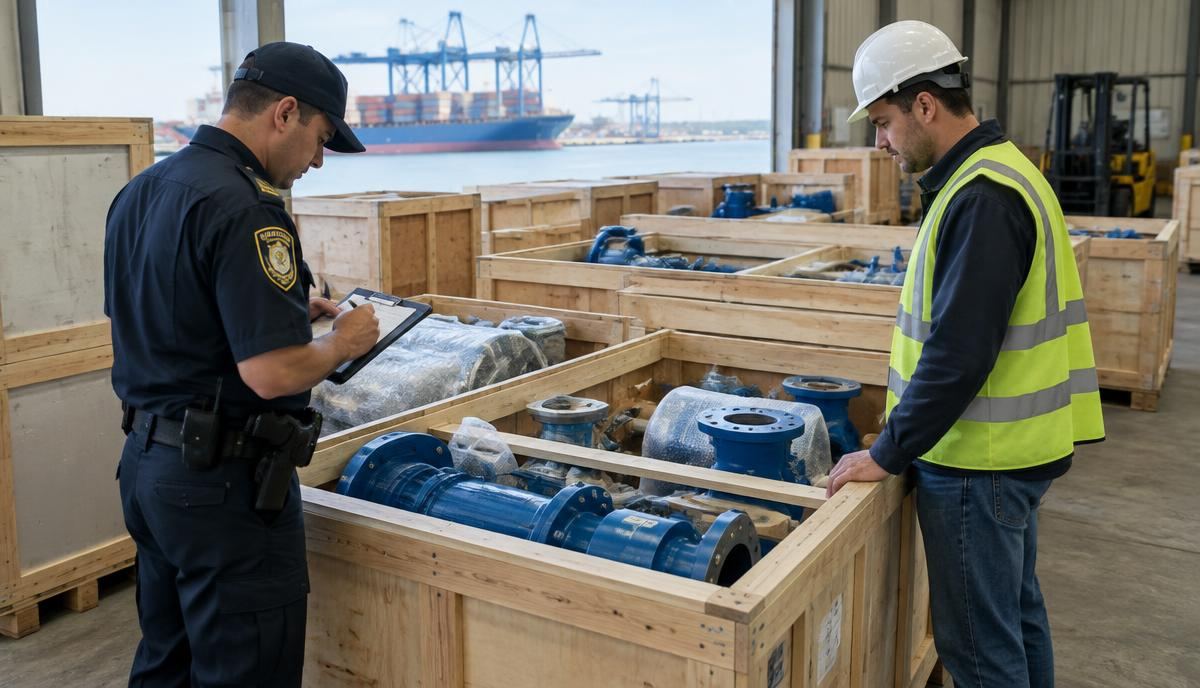
Inspections are vital quality control measures in aquaculture equipment commissioning handover. Many buyers use third-party pre-shipment inspections at the factory to verify that equipment meets specifications and is packed securely. Upon arrival, cargo may face mandatory customs or quarantine inspections to verify contents and safety compliance. Buyers should ensure their customs broker is present during port inspections to resolve questions immediately. Efficient coordination is key to avoiding demurrage—daily fees for containers staying in port beyond the free period. Clearly marking crates and providing a detailed packing list can speed up this phase and minimize the risk of damage during the inspection and re-crating process.
How to navigate customs clearance for complex aquaculture systems?
Customs clearance is the official entry of goods into a country and is a complex stage for large aquaculture systems. A customs broker uses the prepared documents and HS codes to file declarations. If documents are in order and duties are paid, goods are released. However, discrepancies can lead to holds and project delays. Maintaining direct communication between the supplier, freight forwarder, and broker is essential. Following a buyer checklist aquaculture ensures no critical steps are missed. By verifying that all serial numbers match the invoice before shipping, buyers can minimize the time their infrastructure spends in port. Proactive management of these details is the most effective way to ensure a seamless transition from the port to the farm.
How to coordinate inland delivery and site receipt for aquaculture components?
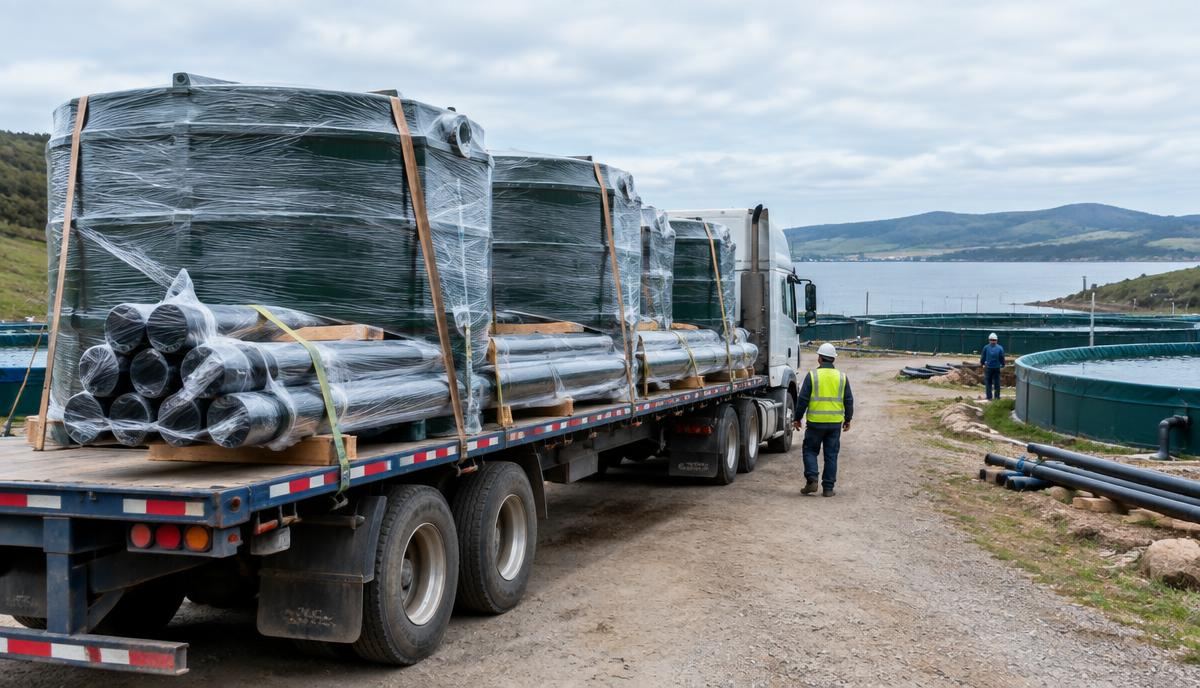
The final step is inland delivery from the port to the site. This requires coordination for oversized components like tanks or heavy skids that need specialized transport. The buyer must ensure the site is ready, with clear access roads and a staging area for unboxing. A thorough 'site receipt' inspection should be conducted upon arrival to check for transit damage and verify all items. Discrepancies must be documented on the delivery note and reported to the insurer and supplier immediately. Proper coordination keeps the installation on track and minimizes downtime. Referring to a supplier checklist aquaculture helps confirm that all necessary spare parts and manuals are present and accounted for at the time of delivery.
Checklist
Identify HS codes with a customs broker; secure import permits from national authorities; review draft shipping documents before departure; calculate landed costs including duties and taxes; select Incoterms that define risk transfer; arrange third-party quality inspections; ensure crates match the packing list; coordinate specialized transport for site delivery; establish a staging area at the project site; perform a site receipt inspection and document any damage immediately.
Frequently asked questions
What is an HS code in aquaculture? It is a numerical classification used by customs to identify equipment and determine duties. Who pays for the shipping insurance? This is determined by the Incoterm chosen in the purchase agreement. How long does customs clearance take? Clearance can take a few days or weeks depending on document accuracy. Can I import used aquaculture equipment? Yes, but it often requires additional biosecurity permits and cleaning certificates to pass inspections.
How do FishMatch Group's calculators and reviewed RFQ help?
FishMatch Group simplifies international sourcing through a structured rfq-intake process that ensure technical requirements are documented. Using the procurement-toolkit allows buyers to compare offers transparently. The platform's human-led review identifies logistics and documentation gaps early, reducing the risk of import delays. This professional approach ensures that buyers receive offers from suppliers experienced in international shipping. By centralizing the sourcing and review process, FishMatch Group helps project owners manage the complexities of global equipment procurement with greater confidence.
Related: Shipping RAS Equipment Internationally, Incoterms for Aquaculture Equipment Purchases, Aquaculture Equipment Sourcing Step-by-Step.
Aquaculture planning benchmarks
| Figure | Value | Context |
|---|---|---|
| CAPEX — RAS | USD 9,000–14,000 per tonne/yr | Global baseline before country cost factor. |
| CAPEX — Ponds | USD 1,800–4,000 per tonne/yr | Lined or earthen ponds, excluding land. |
| CAPEX — Cages | USD 2,500–5,500 per tonne/yr | Cages, moorings, nets and service equipment. |
| CAPEX — Flow-through | USD 4,000–7,000 per tonne/yr | Raceways and water intake works. |
| Energy use | RAS ~6 kWh/kg; ponds ~1.2; flow-through ~1.5; cages ~0.3 | Per kg of fish produced. |
| Typical FCR | Trout 1.1; salmon 1.2; shrimp 1.4; tilapia 1.6; carp 1.8 | kg feed per kg growth; varies with feed and management. |
| Farm size where FishMatch reviews projects | From ~USD 250,000 total project value | Commercial fish and shrimp projects. |
Related articles
Why Commercial Fish Farm Projects Exceed Budget and How to Prevent Cost Overruns
Commercial aquaculture projects often go over budget due to scope gaps, hidden site costs, and logistics. This guide explains how to identify these risks and secure accurate quotes.
PlanningWhy Feed Conversion Ratio (FCR) Drives Fish and Shrimp Farm Economics
Feed Conversion Ratio (FCR) is the primary driver of aquaculture profitability, linking feed expenditure to biomass output and determining financial viability.
PlanningWhy Aquaculture Buyers Need a Written Technical Specification Before Requesting Quotes
Sending a detailed technical specification ensures you receive comparable equipment quotes, reduces the risk of expensive change orders, and provides a clear basis for system acceptance tests.
PlanningHow to Start a Commercial Shrimp Farm: A Step-by-Step Guide for Global Investors
Start a commercial shrimp farm by assessing site water quality, choosing production systems, and securing reliable aeration and post-larvae supply through a structured RFQ.
Where this fits in a real project
Every FishMatch project runs through the same five reviewed stages, from a first enquiry to comparable quotations. See the full buyer journey.