Aquaculture Equipment Specification & Quote Comparison Guide for Zimbabwe
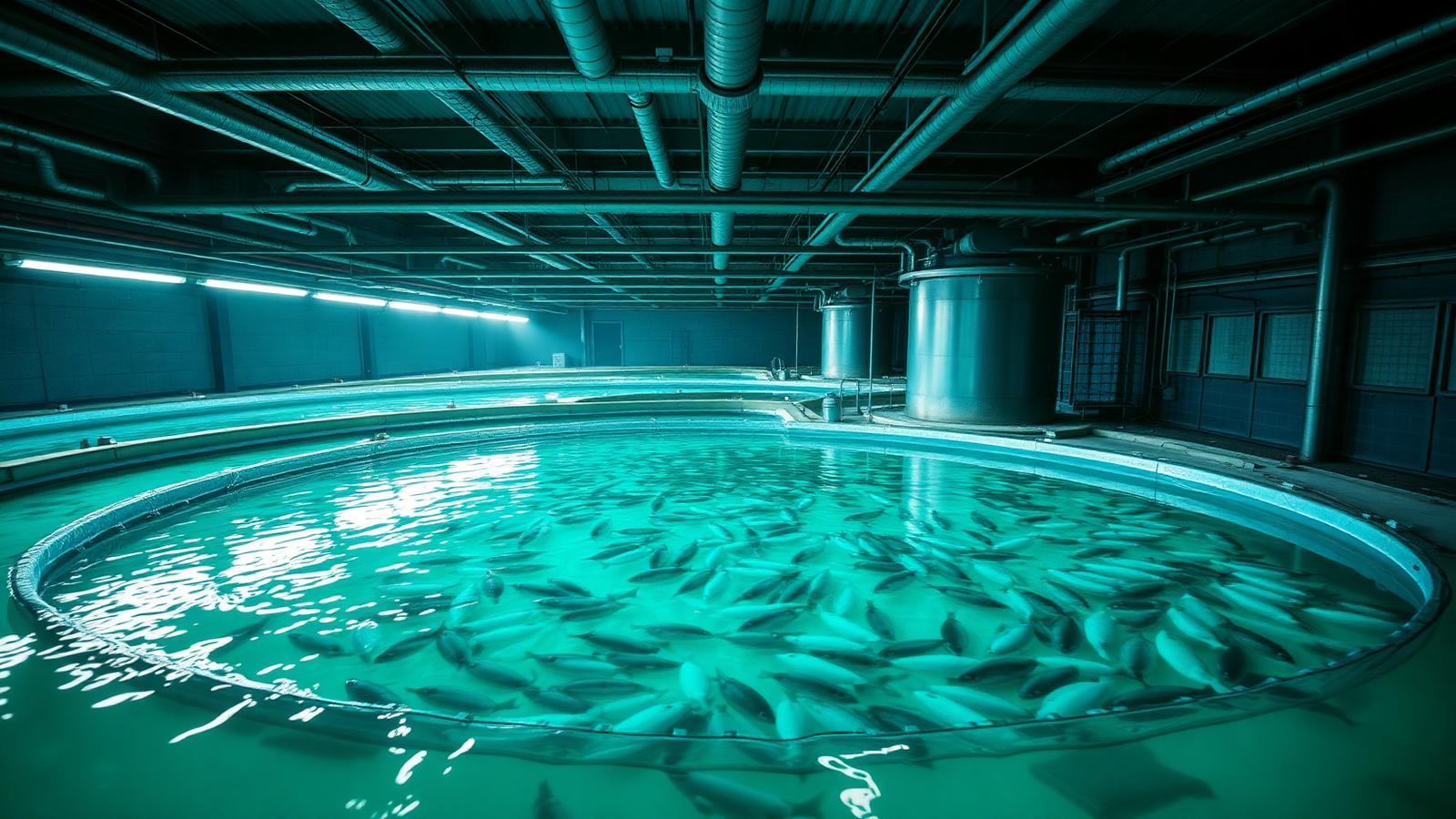
Short answer: To effectively specify and compare aquaculture equipment quotes in Zimbabwe, group your needs into clear tender lots (e.g., hatchery, grow-out, support). Your specification for each lot must detail design basis, capacity, materials, and warranty. To compare quotes fairly, you must normalise all offers to a final landed cost in a single currency (USD is common) by adding freight, insurance, and estimated local duties.
Zimbabwe's aquaculture sector, particularly for Nile tilapia, is positioned for significant growth. A key national strategy, supported by the FISH4ACP initiative, aims to increase farmed tilapia production from 5,600 to 14,000 tonnes per year by 2032, according to the FAO in February 2023. Achieving this target depends on improving farm productivity, which begins with sourcing the right equipment. This guide provides a buyer-side framework for specifying equipment needs and systematically comparing supplier quotations for projects in Zimbabwe.
1. Aligning Procurement with Zimbabwe's National Strategy
Effective procurement is not just about finding the lowest price; it's about investing in productivity and resilience. A 2026 FAO technical report on Zimbabwe's tilapia value chain highlights that the national upgrading strategy centres on access to quality fingerlings and feed, improved skills, and a better regulatory environment. Your equipment choices directly impact these goals. For instance, a well-specified hatchery system is the foundation for producing quality fingerlings, a cornerstone of the national strategy. Similarly, efficient aeration and feeding systems in grow-out ponds or cages are critical for optimising feed conversion and achieving production targets. For a deeper dive into project viability, see our guides on fish farm feasibility and CAPEX in Zimbabwe and the general procurement process.
2. Defining Equipment Packages (Tender Lots)
To receive clear and comparable quotations, group your equipment needs into logical packages, or 'lots'. This prevents suppliers from bundling unrelated items and simplifies analysis. For a typical tilapia project in Zimbabwe, whether a hatchery, pond farm, or cage operation on Lake Kariba, consider the following lots:
- Lot 1: Hatchery System: Incubation jars or trays, larval rearing tanks, nursery tanks, and associated life support systems (filtration, UV sterilisation, heating/cooling).
- Lot 2: Grow-out System: For cage culture, this includes cages, nets, and mooring systems. For pond culture, it includes pond liners, aerators (e.g., paddlewheel or diffused), and water transfer pumps.
- Lot 3: Feed and Fish Handling: Automated or demand feeders, feed blowers, fish grading machines, counting equipment, and harvesting systems (e.g., cranes, pumps, nets).
- Lot 4: Monitoring and Site Infrastructure: Water quality monitoring sensors (oxygen, pH, temperature), backup power generators, main water pumps, and piping networks.
- Lot 5: Biosecurity and Processing: Disinfection equipment (footbaths, vehicle sprays), and basic processing equipment (ice machines, insulated bins, tables). Refer to our guide on biosecurity in aquaculture for more context.
3. Creating a Detailed Specification Request
A clear Request for Quotation (RFQ) is the most critical step to getting high-quality, comparable bids. Vague requests lead to vague and incomparable quotes. For each lot, your specification must include:
- Design Basis: The fundamental parameters of your project. State the species (e.g., Nile Tilapia, Oreochromis niloticus), target annual production, site location, and key water quality parameters (temperature range, pH, salinity, alkalinity).
- Capacity and Performance: Be specific. For a hatchery, state the required output of fingerlings per month or year. For a grow-out system, specify the total culture volume (m³) or tonnage it must support. For a pump, define the flow rate (m³/h) and head pressure (meters). You can use our Tilapia hatchery sizing calculator for an initial estimate of your needs.
- Materials of Construction: Specify materials based on the application and environment. For example, request UV-stabilised High-Density Polyethylene (HDPE) for outdoor tanks and cages. For components in constant water contact, specify marine-grade materials like 316L stainless steel or corrosion-resistant plastics.
- Power Requirements: State the electrical supply available at your site (voltage, phase, frequency). Require suppliers to list the power consumption of each component.
- Spares and Consumables: Require all bidders to provide a priced list of recommended critical spare parts for two years of operation. This is vital in a landlocked country where importing replacements can cause long delays.
- Services: Ask for separate, itemised pricing for optional services like installation supervision, commissioning, and on-site operator training.
- Warranty: Specify your minimum required warranty period (e.g., 12 or 24 months from commissioning).
To develop a preliminary budget for your specifications, our Hatchery CAPEX estimator and Hatchery equipment budget tool provide helpful starting points which you must adapt to your project.
4. Normalising Costs for a Landlocked Country
Zimbabwe is landlocked, so all imported equipment arrives via sea ports in neighbouring countries (like Mozambique or South Africa) and is then transported by road or rail. This makes understanding shipping terms (Incoterms) essential for a true cost comparison. A low ex-works price can be misleading if freight costs are high.
- Specify Incoterms: To compare apples-to-apples, ask suppliers to quote using a specific Incoterm. A good practice is to request the price on an FCA (Free Carrier) basis at the port of origin and also ask for a separate, optional quote for freight and insurance to a named point in Zimbabwe, such as DAP (Delivered at Place) Harare. This unbundles the equipment cost from the shipping cost.
- Calculate Landed Cost: The final price you pay is the 'landed cost'. This includes the equipment price, international freight, insurance, and all local costs like customs duties, taxes (VAT), and fees for a local customs clearing agent. You are responsible for confirming these local costs with a qualified agent, as suppliers cannot quote them accurately.
For more details, read our dedicated guide on Incoterms for aquaculture equipment purchases.
5. Fixing the Currency
Zimbabwe's multi-currency environment makes it essential to be explicit about payment terms. To avoid ambiguity and risk from currency fluctuations, your RFQ should state that all prices must be quoted in a single, stable international currency. The US Dollar (USD) is widely used and is the standard choice for international equipment procurement in the region.
6. Using a Quote Comparison Table
Once you receive multiple quotations, organise the information in a comparison table. This structured approach helps you look beyond the headline price and evaluate the overall value and suitability of each offer. A side-by-side view makes differences in scope, quality, and terms immediately obvious.
| Feature / Item | Supplier A | Supplier B | Supplier C |
|---|---|---|---|
| Commercial | |||
| Total Price (FCA, USD) | $150,000 | $145,000 | $165,000 |
| Shipping Cost (to Harare, USD) | $20,000 | $25,000 | $22,000 |
| Payment Terms | 30/60/10 | 40/60/0 | 30/70/0 |
| Lead Time (Weeks) | 12 | 10 | 16 |
| Warranty (Months) | 12 | 24 | 12 |
| Technical (Pump Example) | |||
| Pump Model | Model X | Model Y | Model Z |
| Flow Rate (m³/hr) | 100 | 100 | 110 |
| Power Consumption (kW) | 5.5 | 7.5 | 5.5 |
| Material | 316L SS | Cast Iron | 304 SS |
| Services | |||
| Commissioning Support (Days) | 5 (Included) | 3 ($1,500 extra) | 5 (Included) |
| Calculated Landed Cost | |||
| Est. Landed Cost (USD) | $195,500 | $195,500 | $214,700 |
Note: All figures in the table are for illustrative planning purposes only. You must replace them with data from your actual quotes and local cost estimates. In this example, Supplier A and B have the same estimated landed cost, but Supplier B offers a longer warranty but has a less durable pump material and higher power consumption, which will impact operating costs. This is the level of detail necessary for a sound investment decision.
7. Identifying Red Flags in Quotations
During your analysis, watch for these common red flags, which may indicate a risky or incomplete offer:
- Vague Specifications: The quote does not detail the make, model, materials, or capacity of key components. It simply says "filtration system."
- Unusually Low Price: A price significantly lower than competitors' may signal inferior materials, undersized components, or missing items that will be needed later.
- Refusal to Separate Costs: A supplier who is unwilling to provide a breakdown of equipment, shipping, and service costs may be hiding uncompetitive pricing in a bundled total.
- No Spares List: A failure to provide a recommended spares list suggests a lack of long-term operational thinking.
- Inconsistent Sizing: Components that are not matched, for example, a pipe network that is too small for the pump's flow rate, indicating a lack of engineering review.
8. The Value of an Independent Buyer-Side Review
Navigating the complexities of equipment specification and quote comparison can be challenging. An independent, buyer-side partner provides an objective lens to the process. By keeping supplier names anonymous during the initial bidding phase, suppliers are compelled to compete solely on the technical and commercial merits of their proposal, based on your exact specification. This process ensures you are comparing equivalent offers. An independent review focuses on finding the best long-term value and technical fit for your specific project, not simply the cheapest upfront price. This is particularly vital when planning complex systems like those detailed in our tilapia hatchery project planning guide.
Sources
- FAO Regional Office for Africa News — Reported that the Department of Fisheries and Aquaculture falls under the Ministry of Lands, Agriculture, Fisheries, Water and Rural Development (Feb 2023).
- FAO — Stated the FISH4ACP strategy in Zimbabwe, launched in 2022, aims to increase farmed Nile tilapia production from 5,600 to 14,000 tonnes per year by 2032 (Feb 2023).
- FAO 2026 technical report "The farmed Nile tilapia value chain in Zimbabwe" (doi 10.4060/cd8787en) — Outlines that the national upgrading strategy focuses on improving access to quality fingerlings and feed, technical and business skills, services, market linkages, and streamlining regulations.
FishMatch Group is a buyer-side, supplier-neutral sourcing service for aquaculture. We are not engineers, contractors, lenders, or certifiers; buyers should always confirm project details with qualified local professionals. Our sourcing tools are free to use. For qualified projects with equipment budgets of approximately USD 250,000 or more, we offer a managed sourcing service. A person on our team reviews every project brief to ensure it's clear and complete before any anonymous RFQ is sent to suppliers. To start the process for your project in Zimbabwe, please submit your project specifications here.
Frequently asked questions
Key figures
| Figure | Value | Context |
|---|---|---|
| Size / capacity | 14,000 tonnes | A key national strategy, supported by the FISH4ACP initiative, aims to increase farmed tilapia production from 5,600 to 14,000 tonnes per year by 2032, according to the FAO in February 2023. |
| Time / lead time | 24 months | , 12 or 24 months from commissioning). |
| Cost | $150,000; $145,000; $165,000 | | Feature / Item | Supplier A | Supplier B | Supplier C | |---|---|---|---| | Commercial | | | | | Total Price (FCA, USD) | $150,000 | $145,000 | $165,000 | | Shipping Cost (to Harare, USD) |… |
| Cost | $1,500 | 5 | | Material | 316L SS | Cast Iron | 304 SS | | Services | | | | | Commissioning Support (Days) | 5 (Included) | 3 ($1,500 extra) | 5 (Included) | | Calculated Landed Cost | | | | | Est. |
| Cost | $195,500; $214,700 | Landed Cost (USD) | $195,500 | $195,500 | $214,700 | |
| Cost | USD 250,000 | For qualified projects with equipment budgets of approximately USD 250,000 or more, we offer a managed sourcing service. |
Related articles
Where this fits in a real project
Every FishMatch project runs through the same five reviewed stages, from a first enquiry to comparable quotations. See the full buyer journey.
Planning a commercial aquaculture project?
Send your project brief. A FishMatch specialist reviews it before relevant suppliers are contacted privately.
Request a quote