Fish Farm Feasibility Guide for Côte d'Ivoire (CAPEX/OPEX)
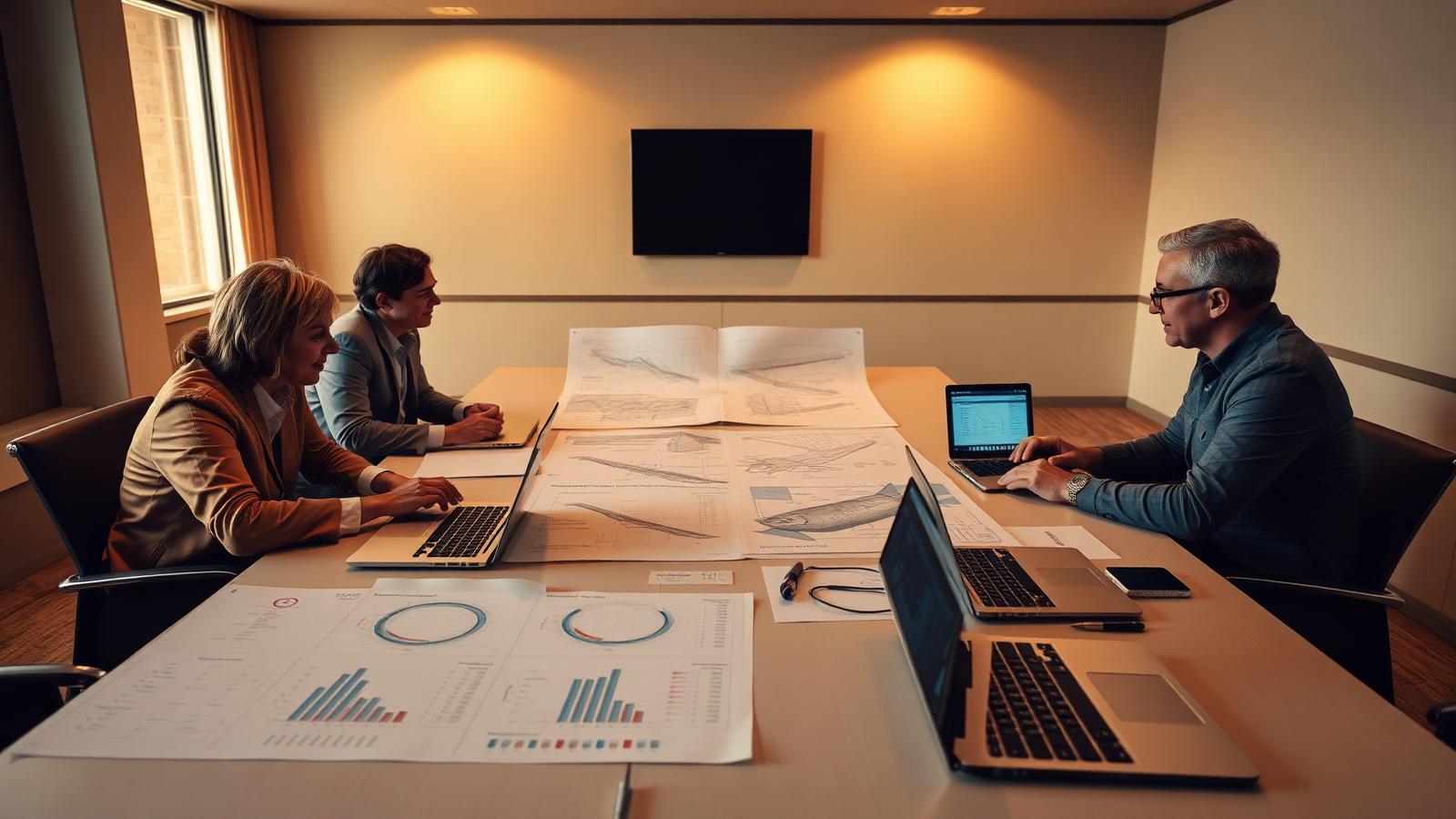
Short answer: The cost to build and operate a commercial fish farm in Côte d'Ivoire is driven by your choice of farming system (e.g., earthen ponds, lake cages), production target, and site specifics. A comprehensive feasibility study is essential for planning and financing, requiring a detailed breakdown of capital expenditure (CAPEX) for construction and equipment, and operating expenditure (OPEX) for inputs like feed and fingerlings.
1. The Aquaculture Context in Côte d'Ivoire
Côte d'Ivoire's government is actively promoting aquaculture to increase domestic fish production and build a robust aquaculture economy. The legal framework is established by Law no. 2016-554 of 26 July 2016 on fisheries and aquaculture, as reported by the country's economy portal (economie-ivoirienne.ci). This is supported by the national policy for livestock, fisheries, and aquaculture, PONADEPA 2022–2026.
A key initiative is the Programme Stratégique de Transformation de l'Aquaculture en Côte d'Ivoire (PSTACI). According to a Council of Ministers communiqué reported by infosdivoire.net, this program, adopted in January 2022, sets a government target to produce around 500,000 tonnes of fish annually by 2030. The same source notes that pilot farms have been announced on Lake Koubi, Lake Loka, and at Grand-Lahou.
The primary species of focus is Nile tilapia. According to the FAO, the Nile tilapia value chain in Côte d'Ivoire represented about 7,700 tonnes of primary production worth approximately USD 13.1 million in its latest factsheet. The FAO also notes that key development goals include improving the local availability and quality of fish feed and seed (fingerlings) to reduce import dependency and meet national demand by 2031. The responsible government body for these initiatives is the Ministère des Ressources Animales et Halieutiques (MIRAH).
2. Feasibility Study and Permitting
Before committing significant capital, a thorough feasibility study is non-negotiable. This document is the foundation of your business plan and is required by lenders and investors. It validates your project's technical and financial viability.
Key components of a feasibility study include:
- Site Assessment: Detailed analysis of your chosen location, including water availability and quality, topography, soil studies (for ponds), and logistical access.
- Environmental and Social Impact Assessment (ESIA): A mandatory study in most jurisdictions to evaluate the project's potential effects on the local environment and community. The findings are critical for securing permits.
- Permitting Roadmap: You must consult with qualified local legal and environmental professionals to navigate the specific requirements under Law no. 2016-554 and obtain all necessary licenses from MIRAH and other relevant authorities.
- Market Analysis: A realistic assessment of your target market, potential buyers, and a conservative farm-gate sales price.
- Financial Model: A detailed forecast of CAPEX, OPEX, revenue, cash flow, and profitability metrics over a 5-10 year period.
3. The Capital Expenditure (CAPEX) Stack
CAPEX is the total one-time investment required to bring the farm to operational readiness. It is crucial to budget for every component to avoid costly surprises.
Your CAPEX stack will include:
- Site Purchase/Lease & Civil Works: This covers land acquisition or long-term lease costs. Civil works include site clearing, excavation and compaction for ponds, construction of access roads, and building foundations.
- Buildings & Infrastructure: Construction of an office, feed warehouse, equipment storage, staff housing, laboratory, and perimeter security fencing.
- Production Equipment: This is the core of your investment. For a pond farm, this could include pond liners, aeration systems (e.g., paddlewheels, blowers), and water inlet/outlet structures. For a cage farm, it includes cages, nets, mooring systems, and a workboat.
- Support Equipment: Essential hardware like a backup power generator, vehicles for transport, pumps, water quality testing kits, and harvesting equipment.
- Freight & Duties: The cost of shipping equipment from the manufacturer to a major Ivorian port like Abidjan or San-Pédro, plus customs clearance, duties, and inland transportation to your farm site. Understanding your shipping terms is critical; learn more in our guide to Incoterms.
- Installation & Commissioning: Fees for specialist technicians (often from the equipment supplier) to supervise installation, test the systems, and train your local staff.
- Contingency: A vital budget line, typically an illustrative 10-20% of your total project cost, to cover unforeseen expenses.
- Initial Working Capital: The funds needed to cover your first cycle of operating costs (feed, fingerlings, salaries) before you generate any revenue from fish sales.
4. The Operating Expenditure (OPEX) Drivers
OPEX represents the ongoing costs to run the farm. Managing these expenses, particularly feed, is the key to long-term profitability.
Key OPEX drivers include:
- Feed: This is the single largest operating cost, often representing 50-70% of the total cost of production. Your choice of feed and your management of the Feed Conversion Ratio (FCR) will directly impact your bottom line. Learn more about why FCR matters for profit.
- Fingerlings (Seed): The cost of juvenile fish to stock your ponds or cages. The quality and health of your seed are paramount for achieving good growth and low mortality.
- Energy: Electricity costs for running pumps, aerators, lighting, and office equipment. Given potential grid instability, fuel for backup generators is a critical budget item.
- Labour: Salaries and benefits for the farm manager, technicians, security, and general farm hands.
- Maintenance & Spares: Regular upkeep of all equipment. This includes patching nets, servicing pumps and generators, and having a stock of critical spare parts.
- Animal Health & Biosecurity: Costs for veterinary services, fish health treatments, and consumables for maintaining a biosecure environment. A robust biosecurity plan is an investment, not just a cost. See our guide to biosecurity in commercial aquaculture.
- Insurance, Licenses & Other Overheads: Annual insurance premiums, permit renewals, and other administrative costs.
5. Worked Example: Illustrative 500-Tonne Tilapia Pond Farm
Disclaimer: The following is a simplified, illustrative example for planning purposes only. All numbers are assumptions and must be replaced with figures from your own detailed research and supplier quotations.
Let's assume a project goal of 500 tonnes of tilapia per year in a lined pond system.
Illustrative CAPEX Breakdown
| Item | Illustrative Cost (USD) | Notes |
|---|---|---|
| Land & Site Preparation | $150,000 | Assumes purchase and significant earthworks. |
| Buildings & Infrastructure | $200,000 | Office, storage, fencing, staff quarters. |
| Production Equipment | $400,000 | Liners, aeration, pumps, pipes, lab gear. |
| Support Equipment | $100,000 | Generator, boat, truck, harvesting tools. |
| Freight, Duties, Install | $150,000 | Illustrative 25% of equipment + install cost. |
| Subtotal | $1,000,000 | |
| Contingency (15%) | $150,000 | For unexpected costs. |
| Initial Working Capital | $350,000 | To cover OPEX for the first production cycle. |
| Total Project Cost | $1,500,000 | Illustrative total investment needed. |
Illustrative Annual OPEX & Revenue
- Production: 500 tonnes (500,000 kg)
- Illustrative FCR: 1.6 (meaning 1.6 kg of feed produces 1 kg of fish)
- Total Feed Needed: 500,000 kg * 1.6 = 800,000 kg
- Illustrative Feed Cost: $0.90/kg -> Total Feed Cost = $720,000
- Illustrative Fingerling Stocking: 1,200,000 fingerlings (assuming mortality)
- Illustrative Fingerling Cost: $0.10/fish -> Total Seed Cost = $120,000
- Other OPEX (Labour, Energy, etc.): $260,000 (Illustrative assumption)
- Total Annual OPEX: $720k + $120k + $260k = $1,100,000
- Cost per kg: $1,100,000 / 500,000 kg = $2.20/kg
- Illustrative Farm-Gate Sale Price: $2.80/kg
- Annual Revenue: 500,000 kg $2.80/kg = *$1,400,000
- Annual Gross Profit: $1,400,000 - $1,100,000 = $300,000** (Before tax, depreciation, and financing costs)
6. Run Your Own Numbers with Our Calculators
These illustrative figures show how sensitive your profitability is to your assumptions. You can use our free, pre-configured calculators to model your own project based on data you collect for Côte d'Ivoire. Edit the pre-filled values to match your specific plans.
- Pond Farm CAPEX Estimator: Start here to build a CAPEX budget for a 500-tonne pond project. Adjust the scale and costs for your site.
- Lake/Lagoon Cage Capacity Estimator: If you are considering cages, use this to estimate the number and volume of cages needed for your production target.
- Operating Cost (OPEX) Estimator: Model your cost per kilogram by inputting your own assumptions for feed price, FCR, fingerling cost, and other operational expenses.
7. What Lenders and Development Banks Look For
Securing financing from commercial banks or development finance institutions (DFIs) requires a professional and credible investment proposal.
Lenders will typically require:
- A Bankable Feasibility Study: A detailed, well-researched business plan (as described in Section 2).
- Experienced Management Team: Demonstrable expertise in aquaculture or a clear plan to hire experienced managers.
- Secure Site Tenure: Proof of land ownership or a long-term lease agreement that extends beyond the loan period.
- All Necessary Permits: Evidence that you have secured or are on a clear path to securing all environmental and operational permits.
- Owner Equity Contribution: Lenders expect the project sponsor to have significant 'skin in the game', typically funding 20-40% of the total project cost from their own capital.
- Offtake Agreements: Signed letters of intent or contracts from potential buyers for your fish, which de-risks the sales side of the project.
- Robust Financial Projections: Realistic forecasts that include a sensitivity analysis, showing how the project would perform under less favourable conditions (e.g., lower sale price, higher feed cost).
8. Further Reading and Procurement Guides
As you develop your project, these specialized guides will help you navigate the procurement process:
- Procurement Strategy: Côte d'Ivoire Aquaculture Procurement Guide
- Tilapia Projects: Planning a Tilapia Farm Project in Côte d'Ivoire
- Specifications and Quotes: How to Specify Equipment and Compare Quotes for Côte d'Ivoire
- RAS Systems: How to Compare Recirculating Aquaculture System (RAS) Quotes
9. Sources
- Côte d'Ivoire economy portal (economie-ivoirienne.ci) — Confirms Law no. 2016-554 and the national policy PONADEPA 2022–2026.
- infosdivoire.net — Reports on the Council of Ministers communiqué of 19 Jan 2022 regarding the PSTACI program, its 2030 production target, and announced pilot farm locations.
- Food and Agriculture Organization (FAO) — Provides the FISH4ACP factsheet for Côte d'Ivoire with estimates on the tilapia value chain size and development goals.
FishMatch Group provides a buyer-side, supplier-neutral sourcing service for commercial aquaculture projects. Our tools are free to use. For qualified projects with a budget of approximately USD 250,000 or more, we offer a managed sourcing service. A person reviews every project brief before any suppliers are approached, and supplier names are never shown to buyers. Please note that FishMatch is not an engineering firm, contractor, lender, or certifier; project developers must confirm all permit, design, and financial matters with qualified local professionals. When you are ready to develop a technical specification and get quotes for your project, submit your requirements through our secure intake form.
Start a confidential sourcing request for your Côte d'Ivoire project.
Frequently asked questions
Key figures
| Figure | Value | Context |
|---|---|---|
| Size / capacity | 500,000 tonnes | net, this program, adopted in January 2022, sets a government target to produce around 500,000 tonnes of fish annually by 2030. |
| Cost | USD 13. | According to the FAO, the Nile tilapia value chain in Côte d'Ivoire represented about 7,700 tonnes of primary production worth approximately USD 13. |
| Time / lead time | 5-10 year | - Financial Model: A detailed forecast of CAPEX, OPEX, revenue, cash flow, and profitability metrics over a 5-10 year period. |
| Performance | 10-20% | - Contingency: A vital budget line, typically an illustrative 10-20% of your total project cost, to cover unforeseen expenses. |
| Performance | 50-70% | - Feed: This is the single largest operating cost, often representing 50-70% of the total cost of production. |
| Size / capacity | 500 tonnes | Let's assume a project goal of 500 tonnes of tilapia per year in a lined pond system. |
| Cost | $150,000 | | Item | Illustrative Cost (USD) | Notes | |----------------------------|-------------------------|-------------------------------------------------| | Land & Site Preparation | $150,000 | Assumes… |
| Cost | $200,000 | | | Buildings & Infrastructure | $200,000 | Office, storage, fencing, staff quarters. |
Related articles
Where this fits in a real project
Every FishMatch project runs through the same five reviewed stages, from a first enquiry to comparable quotations. See the full buyer journey.
Planning a commercial aquaculture project?
Send your project brief. A FishMatch specialist reviews it before relevant suppliers are contacted privately.
Request a quote