Aquaculture Procurement in Côte d'Ivoire: A Buyer's Guide
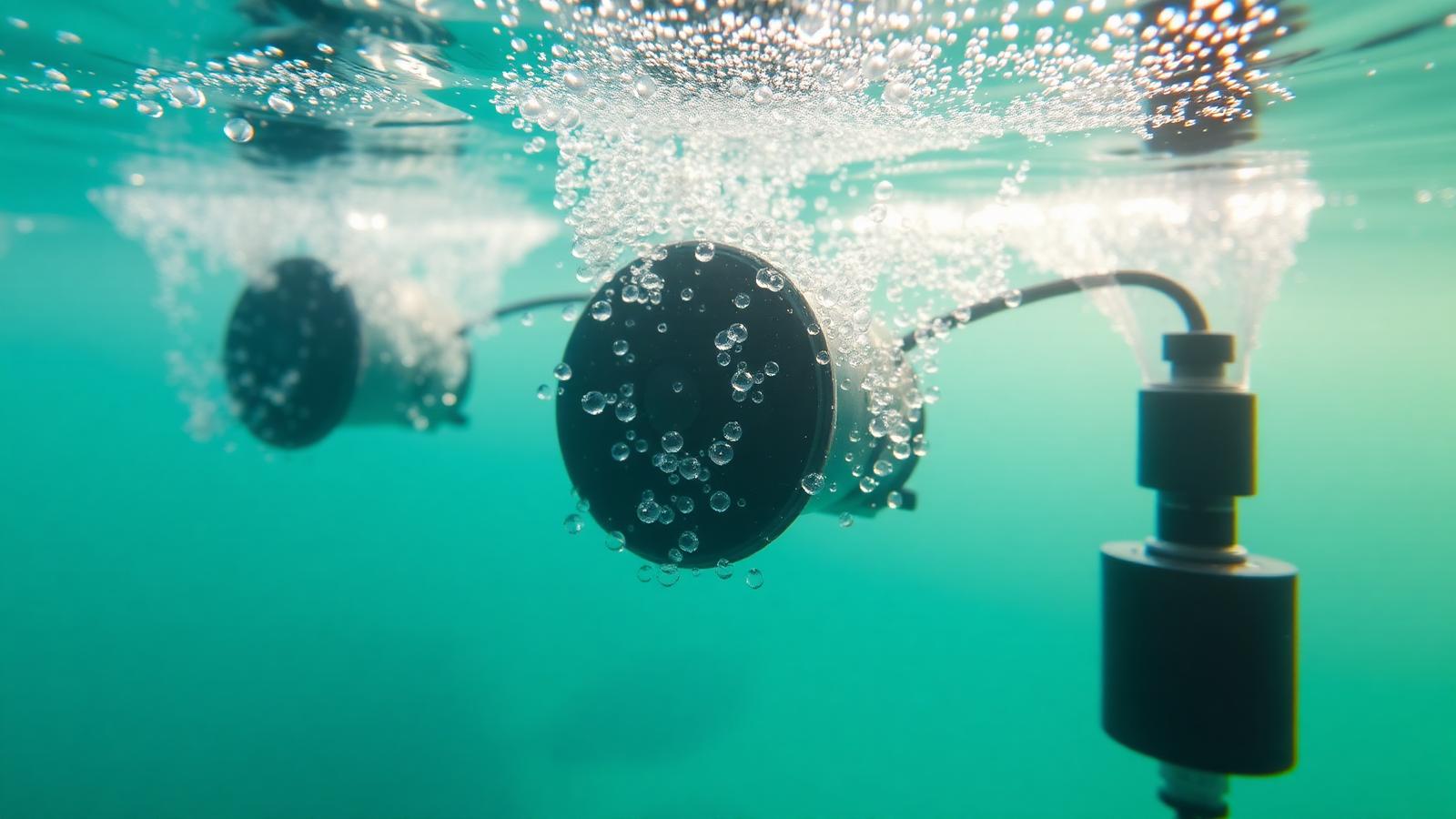
Short answer: Procuring aquaculture equipment for a project in Côte d'Ivoire requires navigating the national strategic framework, understanding the regulatory environment under the Ministère des Ressources Animales et Halieutiques (MIRAH), and specifying equipment for relevant species like Nile tilapia. Buyers need to develop a clear, supplier-neutral project brief, plan for logistics through major ports like Abidjan, and work with local professionals to secure permits under laws such as the 2016 fisheries and aquaculture act.
1. Market Snapshot and Government Ambition
Côte d'Ivoire's aquaculture sector is a national development priority. The government's national policy, PONADEPA 2022–2026, includes specific objectives to increase aquaculture production and build a robust domestic aquaculture economy, as reported by the country's economy portal, economie-ivoirienne.ci. This ambition is further detailed in the Programme Stratégique de Transformation de l'Aquaculture en Côte d'Ivoire (PSTACI), adopted in January 2022. According to infosdivoire.net, this strategic programme sets a government target to produce around 500,000 tonnes of fish annually by 2030, with initial pilot farms announced for sites on Lake Koubi, Lake Loka, and at Grand-Lahou.
Currently, the sector has significant room for growth. According to the FAO, the Nile tilapia value chain in Côte d'Ivoire was estimated to have a primary production of about 7,700 tonnes, worth approximately USD 13.1 million. The FAO notes that production is dominated by semi-intensive and extensive methods, and identifies key goals as improving the local availability of quality feed and seed to reduce import dependency and ultimately meet national fish demand.
2. Regulatory and Permitting Framework
Any aquaculture project must operate within the country's legal framework. The key legislation is Law no. 2016-554 of 26 July 2016 on fisheries and aquaculture, cited by economie-ivoirienne.ci as the foundation of the sector's regulation. The government body responsible for overseeing the sector is the Ministère des Ressources Animales et Halieutiques (MIRAH).
Prospective investors and project developers must engage qualified local professionals—such as legal and environmental consultants—to navigate the specific requirements for their project. This includes, but is not limited to:
- Securing land or water use rights.
- Obtaining construction and operational permits.
- Conducting an Environmental and Social Impact Assessment (ESIA).
- Complying with water abstraction and discharge regulations.
- Adhering to biosecurity and animal health protocols.
FishMatch Group is not a legal or regulatory advisor; all buyers must perform their own due diligence with certified professionals in Côte d'Ivoire to ensure full compliance.
3. Main Species and Farming Systems
The primary species for aquaculture development in Côte d'Ivoire is Nile tilapia (Oreochromis niloticus), as highlighted in the FAO's FISH4ACP value chain analysis. African catfish (Clarias gariepinus) is another commercially important species farmed widely across West Africa. The choice of species should be driven by a thorough market study, site suitability, and the availability of quality fingerlings and feed.
The most common production systems currently in use are semi-intensive earthen ponds. However, government initiatives like PSTACI, with pilot sites in lakes and lagoons, indicate a clear strategic interest in expanding cage culture. For more intensive and controlled production, especially for hatcheries or high-value niche markets near urban centres, Recirculating Aquaculture Systems (RAS) may be considered. For more on this technology, see our guide on how to compare RAS equipment quotes.
4. Typical Equipment Packages for Procurement
The equipment required depends entirely on the chosen species, system, and production intensity. A well-defined procurement list is crucial for receiving comparable quotes.
For Earthen Pond Farms:
- Earthmoving services (typically sourced locally)
- Pond liners (HDPE or LLDPE)
- Water supply and drainage systems (pumps, pipes, valves)
- Aeration equipment (e.g., paddlewheel aerators, air blowers with diffusers)
- Basic water quality testing kits (e.g., for pH, ammonia, dissolved oxygen)
- Feeding equipment (e.g., automatic feeders, feed blowers)
For Cage Farms:
- Floating cages (HDPE or steel frames, brackets, floats)
- Fish nets (e.g., knotless nylon or PET, with specific mesh sizes for different growth stages)
- Mooring systems (anchors, ropes, buoys)
- Workboats and outboard motors
- Net cleaning equipment (manual or high-pressure washers)
- Automated feeding systems for cages
For Hatcheries:
- Broodstock tanks and conditioning systems
- Incubation jars or trays
- Larval rearing tanks
- Water treatment systems (mechanical filters, biofilters, UV sterilizers)
- Water quality monitoring and control sensors
- Live feed (artemia, rotifer) production units
Ancillary and Site-Wide Equipment:
- Backup power generators
- Feed storage facilities (silos or warehouses)
- Fish grading, counting, and harvesting equipment
- Cold chain equipment (ice machines, refrigerated trucks)
- Site vehicles and basic workshop tools
- Laboratory equipment for disease diagnostics and water analysis
5. How to Scope a Project for International Tender
A clear, supplier-neutral technical specification is the foundation of a successful procurement process. It allows suppliers to quote for exactly what you need and enables you to compare offers on a like-for-like basis. Your project brief should include:
- Project Goal: Target species, annual production tonnage, and harvest size.
- Site Details: Location, water source (and quality), power availability, and site layout.
- System Type: Detailed description (e.g., 10 x 5,000 m³ HDPE-lined ponds; 20 x 8m diameter circular cages).
- Technical Specifications: Define equipment by performance, materials, and capacity, not by brand name.
- Biosecurity Plan: Outline the farm's biosecurity measures, as this impacts design and equipment choice. You can learn more in our guide to biosecurity in commercial aquaculture.
- Logistics: Specify the final delivery point (e.g., farm site address) and the required Incoterm. Learn more about Incoterms for aquaculture equipment purchases.
Below is an illustrative example of a technical specification for a pump, which a buyer would need to adapt with their own project's requirements.
| Parameter | Illustrative Specification |
|---|---|
| Pump Type | Axial Flow, Submersible |
| Flow Rate | Illustrative: 1,500 m³/hour |
| Total Dynamic Head | Illustrative: 2.5 meters |
| Power Supply | Confirm local standard (e.g., 400V / 50Hz / 3-Phase) |
| Materials | Pump Casing: Cast Iron/Stainless Steel; Impeller: Stainless Steel |
| Included Items | Submersible cable (length to be specified), control panel |
| Excluded Items | Piping, installation, civil works |
6. Using Calculators for Preliminary Planning
To help shape your project's initial scope and budget, FishMatch Group provides free, interactive planning calculators. These tools are pre-filled with illustrative assumptions; you must replace them with your own project-specific data and local cost information. They are starting points for feasibility analysis, not financial guarantees.
- To model the capital investment for a new pond facility, you can start with the Pond farm CAPEX estimator.
- To explore the production potential of a water body for cage farming, see the Lake/lagoon cage capacity tool.
- To build a preliminary operating budget and understand cost drivers like feed, our Operating cost per kg calculator provides a useful framework. The Feed Conversion Ratio (FCR) is a key factor here; learn why FCR matters for fish farm profit.
7. Import, Logistics, and Currency Checks
Sourcing equipment internationally for a project in Côte d'Ivoire requires careful logistical and financial planning.
- Language: The official working language is French. Technical documents, contracts, and communications with local authorities and partners will likely need to be in French.
- Currency: The local currency is the West African CFA franc (XOF). International equipment purchases are typically quoted in EUR or USD. Your project's financial model must account for currency exchange risk and transfer protocols.
- Logistics: Major seaports for heavy equipment are Abidjan and San-Pédro. You must plan for customs clearance, import duties/taxes, and inland transportation from the port to your farm site. Engaging a reputable local customs broker and freight forwarder at an early stage is highly recommended.
8. Next Steps and Further Reading
This guide provides an overview of the procurement landscape in Côte d'Ivoire. For more detailed guidance on specific project stages, please see our other guides:
* For a deeper dive into project viability, see our guide on fish farm feasibility, CAPEX, and OPEX in Côte d'Ivoire. * To learn how to write better technical specifications and evaluate offers, read our guide on equipment specification and quote comparison for Côte d'Ivoire. * If your project is focused on tilapia, our tilapia farm project planning guide for Côte d'Ivoire offers species-specific insights.
9. Sources
- Law no. 2016-554 and PONADEPA 2022-2026 policy information — from Côte d'Ivoire economy portal (economie-ivoirienne.ci).
- PSTACI programme and production targets — from reporting on the Council of Ministers communiqué of 19 Jan 2022 (infosdivoire.net).
- Nile tilapia production estimates and value chain goals — from the FISH4ACP Côte d'Ivoire factsheet (FAO).
FishMatch Group provides a buyer-side, supplier-neutral sourcing service for aquaculture projects. Our tools are free to use, and a person reviews every project brief before any suppliers are approached to ensure it is well-defined. Supplier names are never shown to buyers. For qualified projects with a capital equipment scope of roughly USD 250,000 or more, we offer a managed sourcing service. FishMatch is not an engineer, contractor, lender, certifier, or veterinarian; buyers should confirm all permit, design, and financial matters with qualified local professionals. When you have a defined project scope, you can submit it for review using our project intake form for Côte d'Ivoire.
Frequently asked questions
Key figures
| Figure | Value | Context |
|---|---|---|
| Size / capacity | 500,000 tonnes | net, this strategic programme sets a government target to produce around 500,000 tonnes of fish annually by 2030, with initial pilot farms announced for sites on Lake Koubi, Lake Loka, and at… |
| Cost | USD 13. | According to the FAO, the Nile tilapia value chain in Côte d'Ivoire was estimated to have a primary production of about 7,700 tonnes, worth approximately USD 13. |
| Cost | USD 250,000 | For qualified projects with a capital equipment scope of roughly USD 250,000 or more, we offer a managed sourcing service. |
Related articles
Where this fits in a real project
Every FishMatch project runs through the same five reviewed stages, from a first enquiry to comparable quotations. See the full buyer journey.
Planning a commercial aquaculture project?
Send your project brief. A FishMatch specialist reviews it before relevant suppliers are contacted privately.
Request a quote