Existing Farm — Shrimp Expansion Review
Anonymised buyer case study: an operating shrimp farm planning to double pond area, where aeration and water treatment were re-sized before any expansion equipment was quoted.
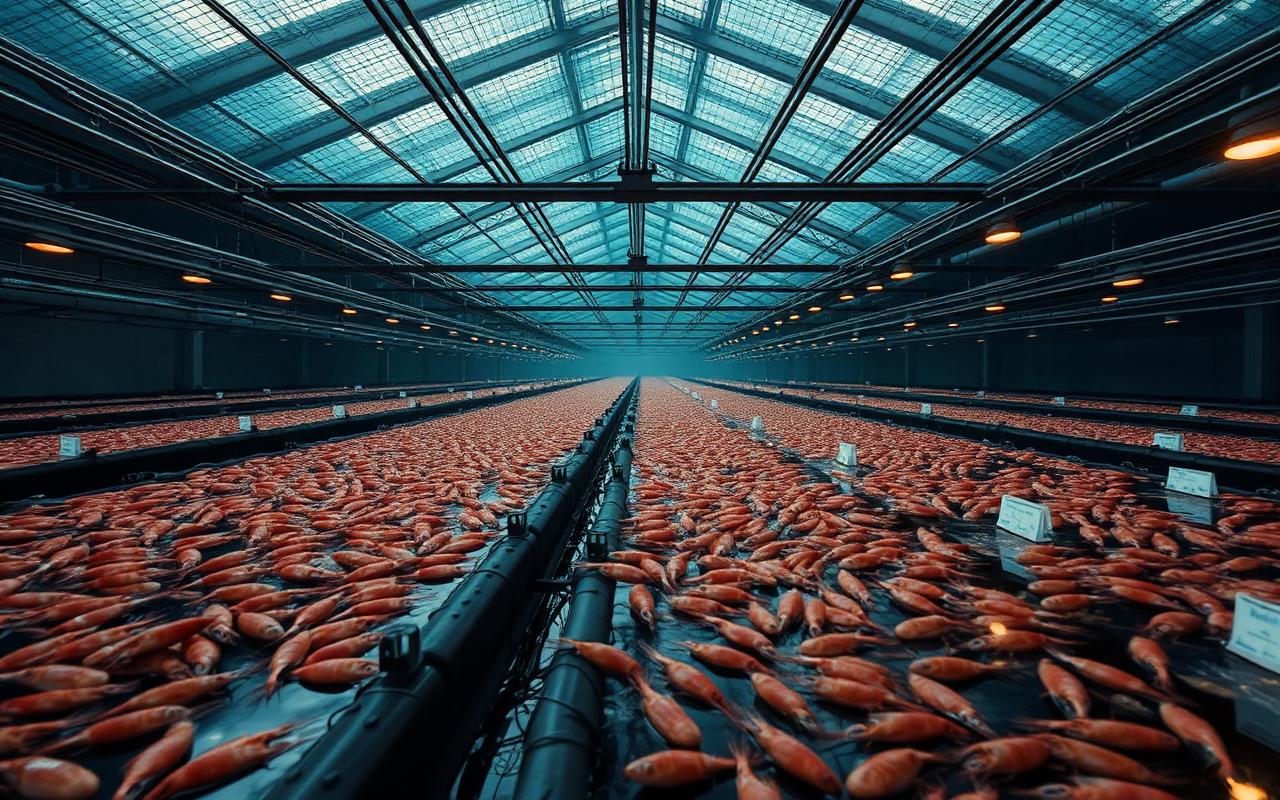
Project scope
- Current stocking, feed load and aeration performance documented first
- Oxygen and water-exchange demand recalculated for the expanded area
- Energy per kg of oxygen used as the comparison basis for aerator offers
- Effluent and biosecurity requirements written into the RFQ scope
Highlights
Expansion scope re-based on measured demand, so aeration and treatment offers were comparable on running cost, not sticker price.
Inside the buyer story scope
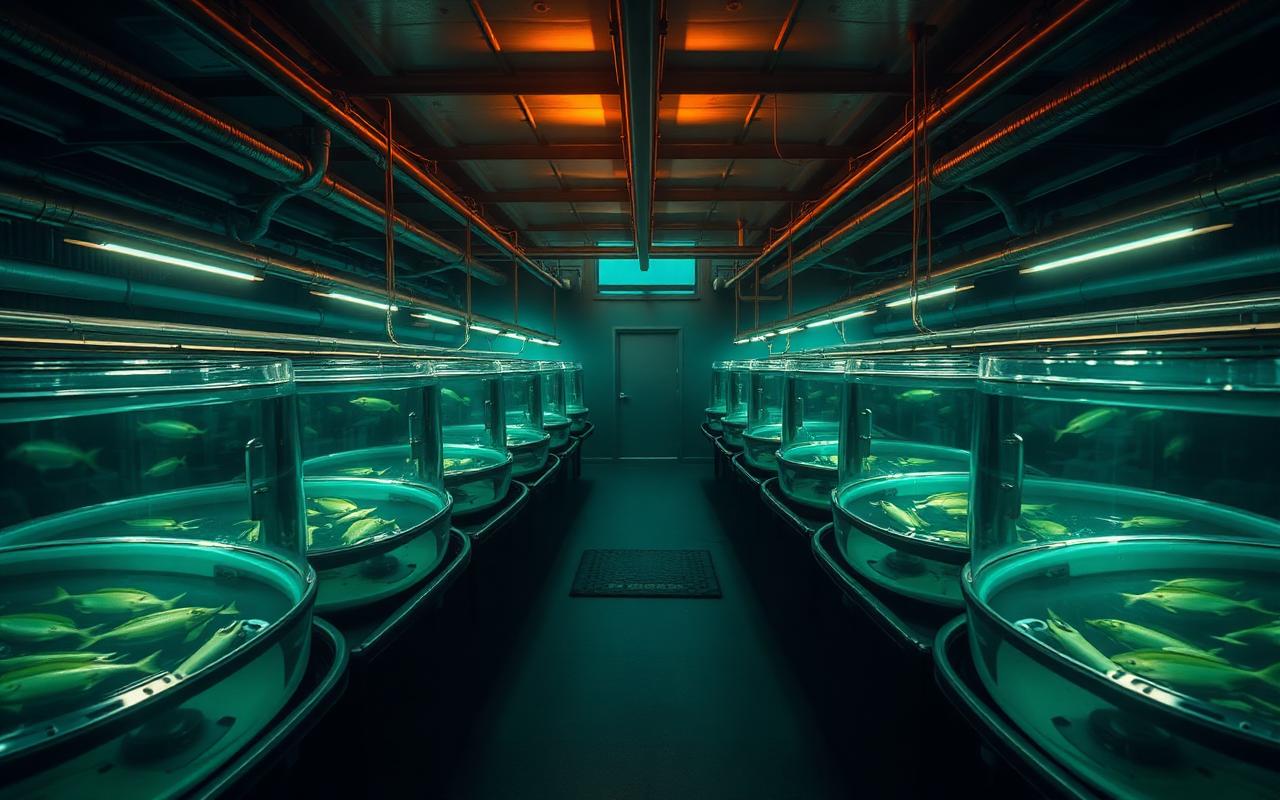

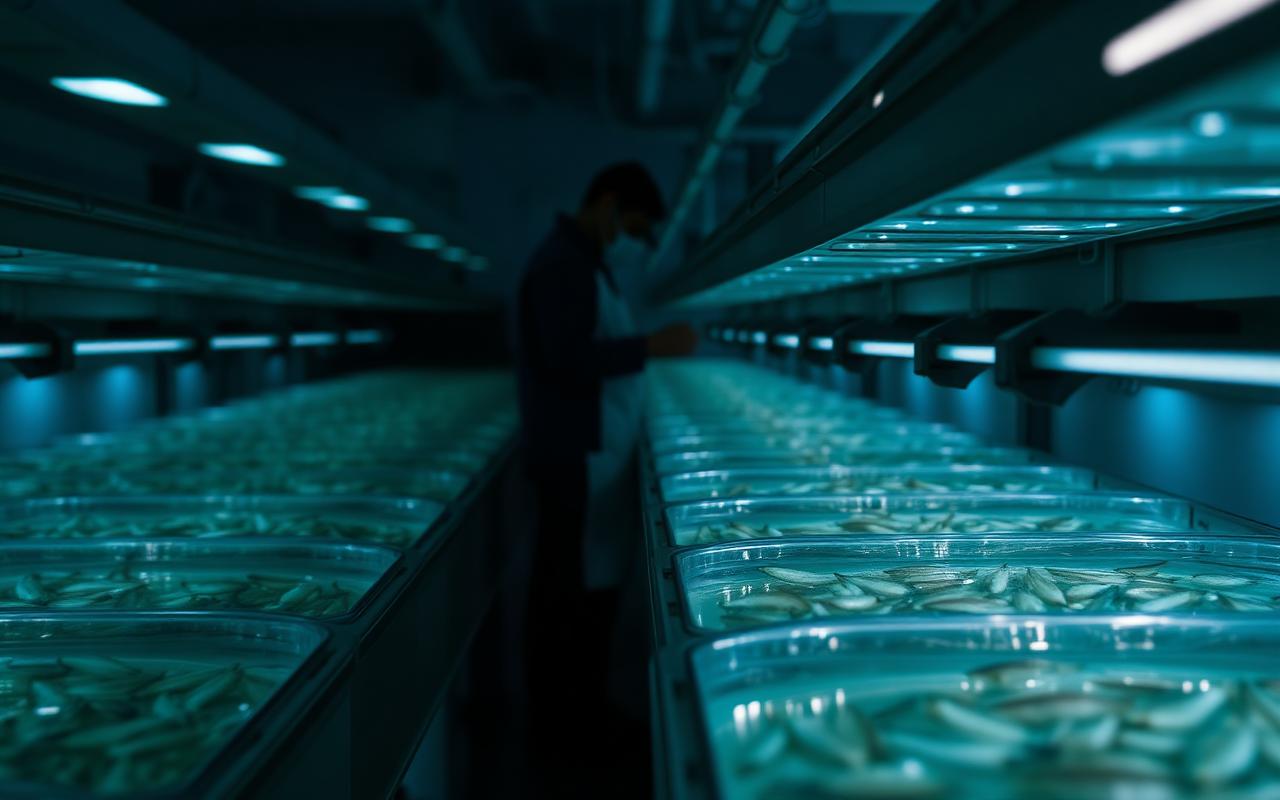
Illustrative process imagery. Site-specific photography is shared under NDA with shortlisted parties only.
How this project moved from a first enquiry to a comparable RFQ
Every FishMatch project follows the same five stages. Nothing is sourced until a person has reviewed the brief, and supplier identities stay confidential until the buyer decides to engage.
- 01
Initial enquiry
The buyer described a buyer story project in Southeast Asia in a few lines — species or product, target output and site situation — without naming or contacting a single supplier.
Result · A confidential brief in the FishMatch desk, acknowledged the same day.
- 02
Brief review
FishMatch read the brief before any sourcing began, listed the missing decisions and separated what was fixed from what was still an assumption.
Result · An agreed project definition: system type, production model and the constraints that change equipment selection.
- 03
Sizing and numbers
Duty figures were established for the buyer story scope — load, water treatment, aeration or oxygenation, flow and energy — so equipment was specified from numbers rather than catalogue models.
Result · A sizing basis every supplier quotes against, using the same assumptions.
- 04
Structured RFQ
The scope was split into lots (current stocking, feed load and aeration performance documented first and the rest of the package) and issued as one RFQ with identical questions to each shortlisted manufacturer.
Result · Comparable offers on one sheet: scope, exclusions, lead time and commissioning support.
- 05
Review and handoff
Offers were normalised, deviations declared, and only then were introductions made manually — supplier identities were held by FishMatch throughout.
Result · Expansion scope re-based on measured demand, so aeration and treatment offers were comparable on running cost, not sticker price.
How an operating shrimp farm prepared its expansion
Expanding a working shrimp farm is different from building a new one: the farm already has stocking data, survival history and a power bill, and those numbers are the best basis for sizing the next phase. This anonymised buyer story covers a farm doubling its pond area — and why aeration and water treatment were re-sized before any expansion equipment was quoted.
1. Measure the baseline before buying for the expansion
The farm's first instinct was to order more of what it already ran: more paddlewheels, more pumps, same layout at twice the area. The review started instead with what the existing ponds actually consumed — stocking density, survival, daily feed load, measured dissolved oxygen through the night, and energy use per crop. Doubling pond area on unmeasured assumptions is how expansions inherit the old farm's bottlenecks at twice the scale.
2. Recalculate oxygen demand for the expanded area
Oxygen demand scales with biomass and feed load, not with pond count. The expanded farm's peak demand was calculated from planned stocking and feeding tables, then checked against worst-case conditions — hot nights, full biomass, an algae crash. That demand figure became the aeration specification: every offer had to state oxygen delivered per kilowatt-hour, so paddlewheels, aspirators and diffused systems could be compared on running cost, not sticker price. The shrimp farming economics guide shows why energy dominates this calculation.
3. Put water treatment and biosecurity in the scope
More ponds mean more effluent and more disease pathways. The RFQ scope included sludge handling, discharge quality, intake water treatment and pond-to-pond biosecurity — items expansion quotes commonly omit because they are not equipment anyone is trying to sell. The shrimp farming equipment guide lists what a complete intensive scope contains, and the shrimp farm cost guide frames the budget structure.
4. Price energy, not just equipment
Aeration is usually the largest single energy load on an intensive shrimp farm. Each bidder's package was modelled at the farm's actual electricity tariff over a full crop, including standby capacity for aerator failure and backup power for outages — oxygen has the shortest failure window in the system. The backup power guide covers why changeover and alarms are design requirements, not extras.
5. Tender the expansion as one comparable scope
With demand re-based on measured data, the expansion went out as one scope with identical assumptions to every bidder. Offers were compared on oxygen delivered per kWh, effluent compliance, redundancy and local service — the same method set out in the 10 planning mistakes guide. Supplier identities stayed with FishMatch until the brief was reviewed and introductions were made manually.
Planning a shrimp farm expansion or a new pond project? Start with the project sizer for planning-level aeration and pumping numbers, then submit the brief through the RFQ builder — a person reviews it before any supplier is approached.
Frequently asked questions
Is FishMatch a fish farm?
No. FishMatch Group does not own, operate or manage fish or shrimp farms. FishMatch is an independent aquaculture project sourcing and RFQ platform that helps commercial project owners structure a brief and compare supplier options.
What affects shrimp farm CAPEX?
Pond area and construction standard, lining, inlet and outlet water infrastructure, pumping, aeration installed power, water treatment and reservoir capacity, automatic feeders, biosecurity works, generators and any hatchery or nursery integration.
What affects aquaculture OPEX?
Feed cost and feed conversion ratio, survival rate, energy consumption for pumping, aeration and temperature control, labour, oxygen and water treatment consumables, health management, maintenance and spare parts, and freight and cold-chain costs to market.
Can FishMatch compare aquaculture suppliers?
FishMatch helps structure supplier comparison: normalising scopes, listing the technical data each response must include, and organising responses so that price, specification, delivery, service and references can be compared side by side. Supplier availability and pricing are never guaranteed.
What details are needed for an aquaculture quote?
At minimum: species, annual production target, country and site status, water source and quality, preferred system (pond, cage, RAS, hatchery or feed mill), power availability, budget range, timeline and any permit or regulatory status. Missing data is the most common reason suppliers cannot quote.
Can FishMatch support USD 250,000+ commercial projects?
Yes — commercial projects from around USD 250,000 upwards are the core focus. Hobby ponds, backyard aquaponics, aquarium and ornamental systems are outside scope.
Does FishMatch provide financing?
No. FishMatch is not a lender, broker-dealer, investment advisor or financial advisor and does not approve, arrange or guarantee funding. Financing pathway guidance is informational only; any facility is agreed directly between the project owner and a regulated institution.
Why does FishMatch review the project before contacting suppliers?
Because incomplete briefs produce non-comparable quotes. Reviewing species, scale, site, water, power, budget and timeline first means suppliers respond to one consistent scope, which makes comparison meaningful and protects the project owner's time.

Planning a project like the Existing Farm — Shrimp Expansion Review?
Request a comparable planning package for a buyer story project in Southeast Asia or elsewhere. Your enquiry is handled under NDA — sponsor, site and supplier identities are never shared.
Short answer
What is the fastest way to get quotes for Buyer Shrimp Farm Expansion?
Submit one structured request for Buyer Shrimp Farm Expansion. FishMatch Group translates it into a technical RFQ, runs a confidential sourcing round with project-matched international suppliers, and returns comparable quotations. No fee is charged to the buyer, and your identity and project details stay private until you choose to proceed.
- How it works:
- One structured request, human-reviewed before any supplier outreach
- Typical turnaround:
- Depends on scope and site data; no turnaround is guaranteed
- Confidentiality:
- Supplier names are never exposed during evaluation
- Cost to buyers:
- No fee charged to the buyer