Investor Group — Feasibility & Budget Review
Anonymised buyer case study: an investor group needed an independent read on an aquaculture business plan before committing capital, focused on CAPEX realism and energy assumptions.
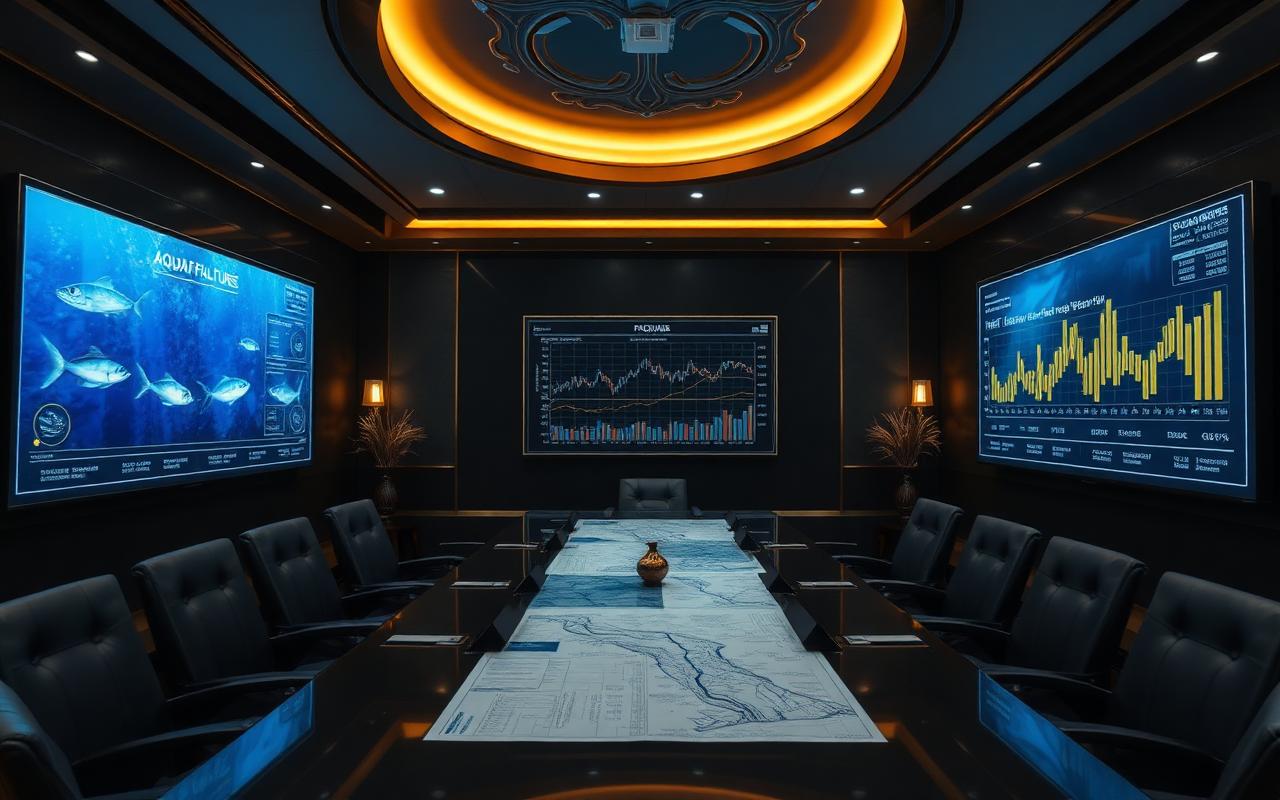
Project scope
- Production assumptions checked against species, temperature and site water
- Equipment list rebuilt from demand rather than from a vendor quote
- Energy, labour and feed assumptions stress-tested for the site tariff
- Financing pathway guidance provided separately from procurement
Highlights
Investor group received a supplier-neutral view of scope and budget basis before capital was committed.
Inside the buyer story scope
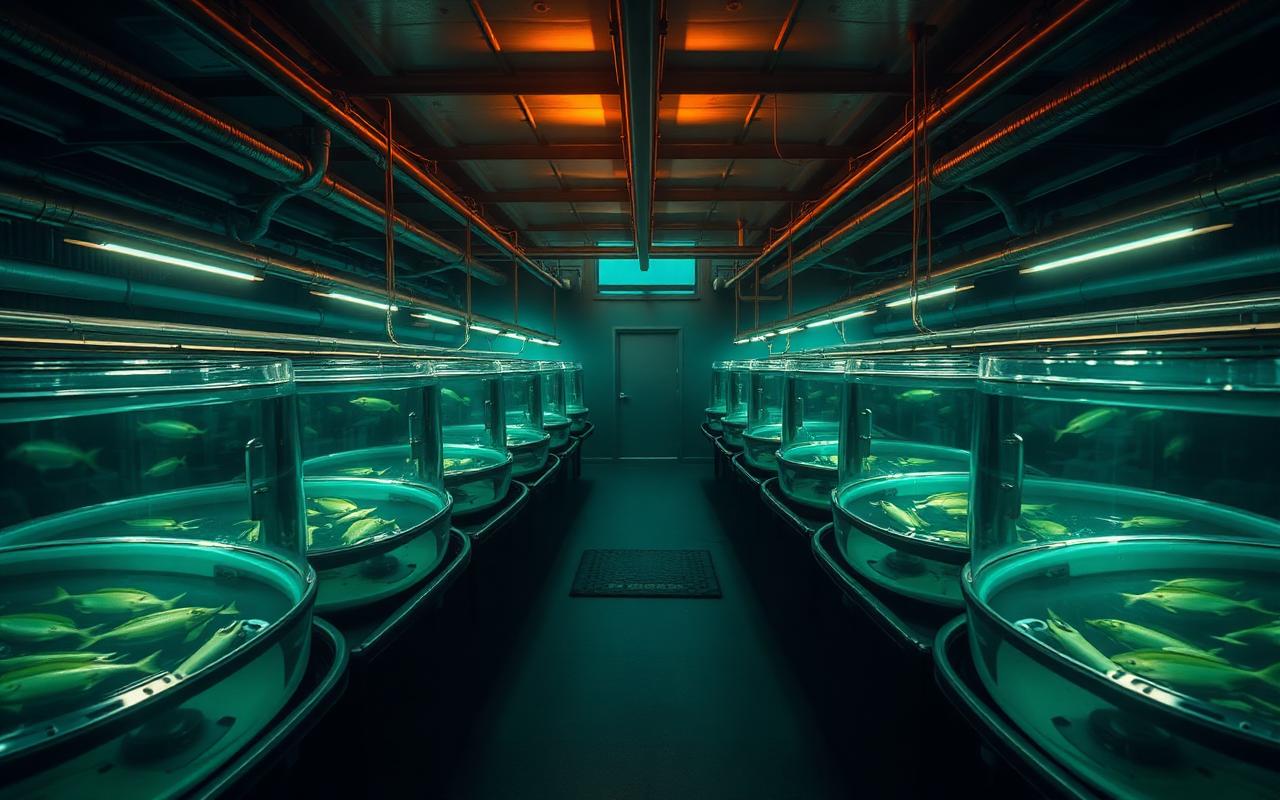
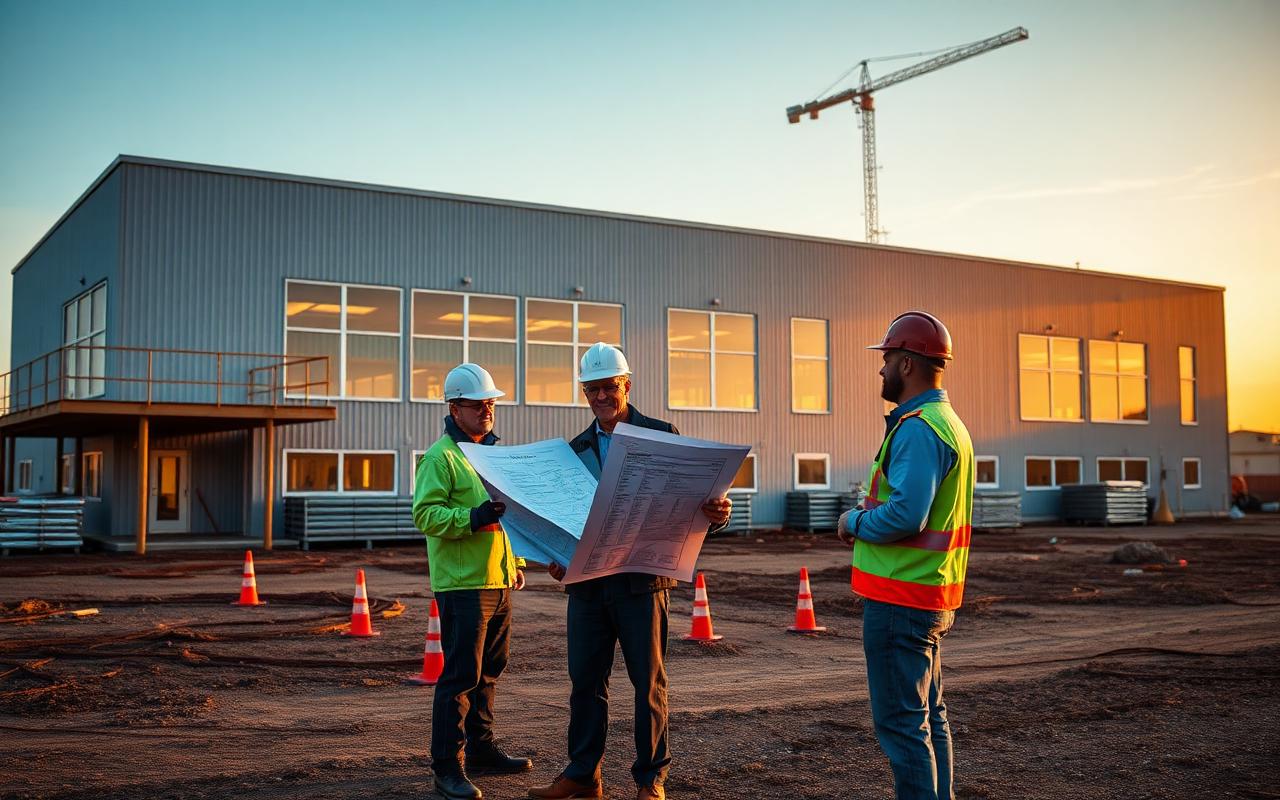
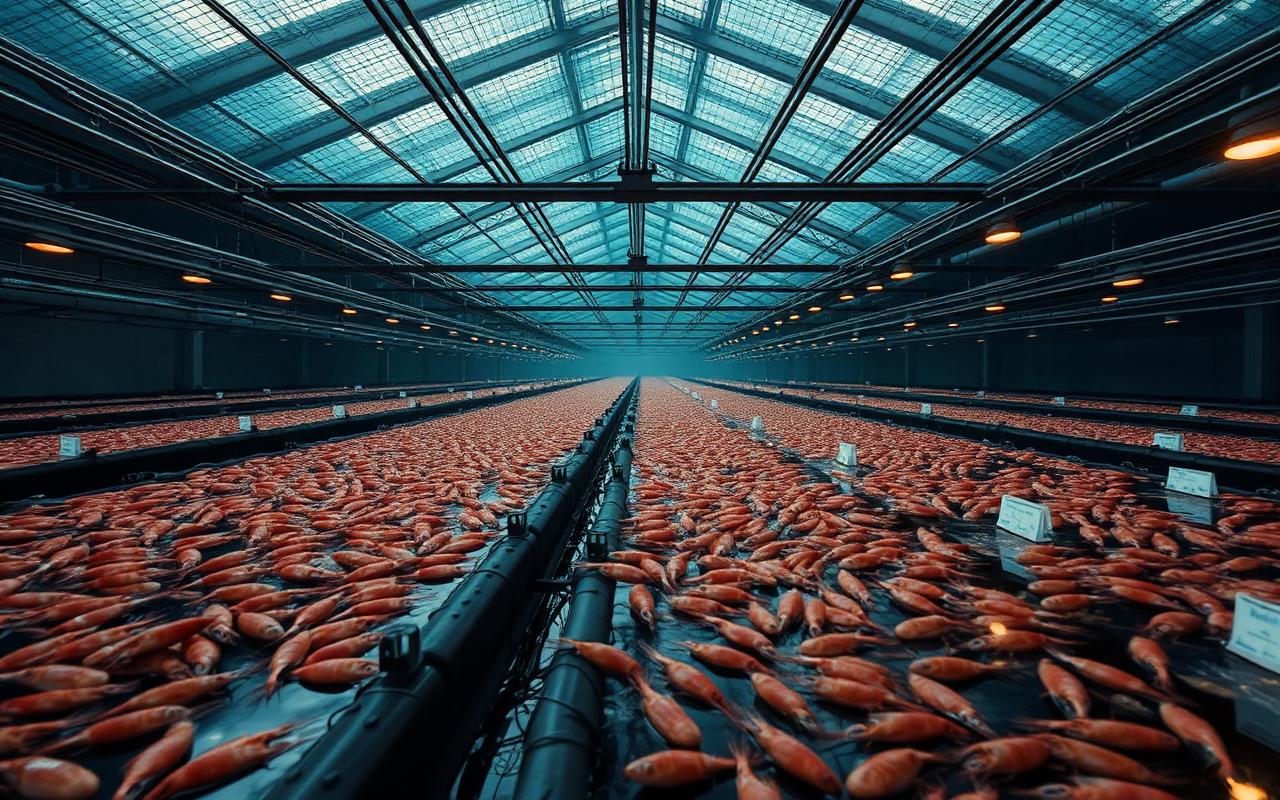
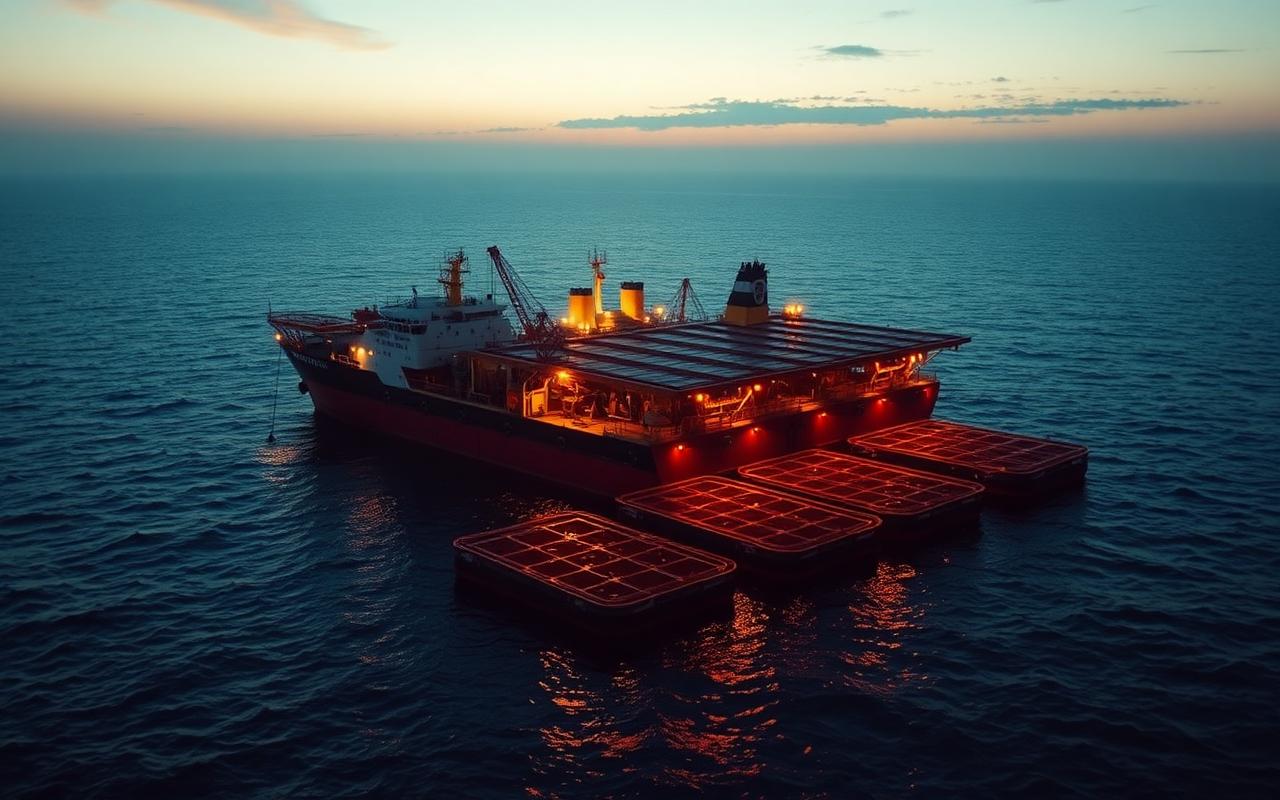
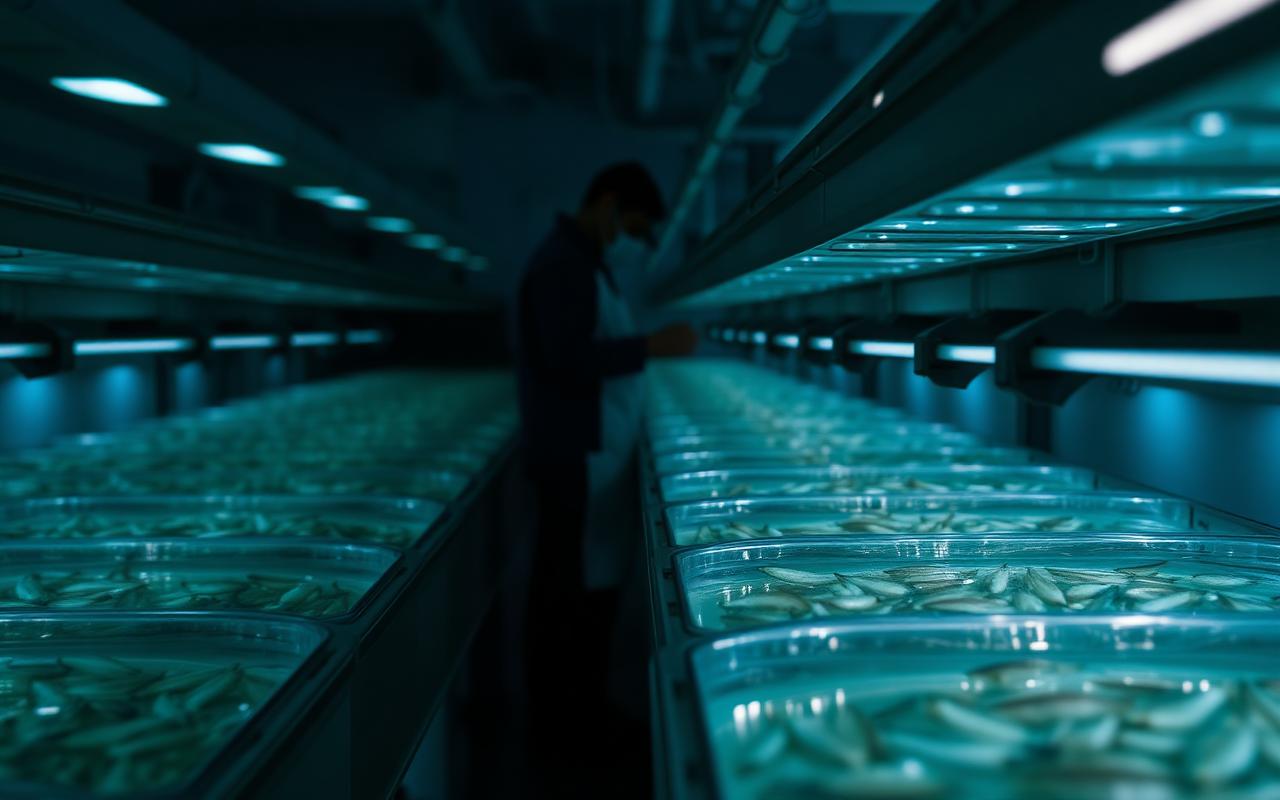
Illustrative process imagery. Site-specific photography is shared under NDA with shortlisted parties only.
How this project moved from a first enquiry to a comparable RFQ
Every FishMatch project follows the same five stages. Nothing is sourced until a person has reviewed the brief, and supplier identities stay confidential until the buyer decides to engage.
- 01
Initial enquiry
The buyer described a buyer story project in Gulf / MENA in a few lines — species or product, target output and site situation — without naming or contacting a single supplier.
Result · A confidential brief in the FishMatch desk, acknowledged the same day.
- 02
Brief review
FishMatch read the brief before any sourcing began, listed the missing decisions and separated what was fixed from what was still an assumption.
Result · An agreed project definition: system type, production model and the constraints that change equipment selection.
- 03
Sizing and numbers
Duty figures were established for the buyer story scope — load, water treatment, aeration or oxygenation, flow and energy — so equipment was specified from numbers rather than catalogue models.
Result · A sizing basis every supplier quotes against, using the same assumptions.
- 04
Structured RFQ
The scope was split into lots (production assumptions checked against species, temperature and site water and the rest of the package) and issued as one RFQ with identical questions to each shortlisted manufacturer.
Result · Comparable offers on one sheet: scope, exclusions, lead time and commissioning support.
- 05
Review and handoff
Offers were normalised, deviations declared, and only then were introductions made manually — supplier identities were held by FishMatch throughout.
Result · Investor group received a supplier-neutral view of scope and budget basis before capital was committed.
How an investor group stress-tested an aquaculture business plan
An aquaculture feasibility study is only as good as the assumptions inside it — and the fastest way to lose money in fish farming is to finance a business plan whose production and energy numbers were written by whoever wanted to sell the equipment. This anonymised buyer story covers an investor group that asked for an independent read on a Gulf-region aquaculture project before committing capital.
1. Check the production model against the site
The plan projected growth rates and survival taken from a temperate-climate reference farm. The review re-checked them against actual site conditions: source-water temperature and salinity through the year, cooling demand in summer, and the species' real tolerances. Several production assumptions did not survive contact with the water data — which is why the 10 planning mistakes guide puts species and site definition before any equipment decision.
2. Rebuild the equipment list from demand
The vendor quote in the plan sized biofilters, oxygenation and pumps generously in some places and silently omitted degassing, backup power and sludge handling in others. The equipment list was rebuilt from the production target — biomass, feed load, oxygen demand, hydraulic duty — the same demand-first method used in the RAS cost calculator and the aquaculture project CAPEX guide. The rebuilt CAPEX differed materially from the quoted one, in both directions.
3. Stress-test energy and operating cost at local tariffs
In a hot climate, cooling and continuous pumping make energy one of the largest recurring costs alongside feed and labour. The plan's energy line was re-modelled at the actual industrial tariff, with conservative survival, slower growth and a weaker selling price as downside cases. The OPEX guide and total cost of ownership comparison give the structure used for that stress test.
4. Separate the financing question from the procurement question
The group also wanted to know what funding routes existed. Financing pathway guidance was provided separately from any procurement decision — FishMatch does not bundle funding with equipment selection, and no lender discussion started before the technical basis held together. The financing centre outlines the pathways investors typically evaluate.
5. What investors should demand before committing capital
Before funding any fish farm or RAS business plan: verify production assumptions against site water data, rebuild the equipment list and CAPEX from demand, model energy at local tariffs, run conservative cases, and get a supplier-neutral review of scope. The indoor RAS economics guide and the feasibility calculators support exactly that work.
Have a plan that needs an independent read? Submit it through the project intake — every review is done by a person, independent of the manufacturers who will eventually quote.
Frequently asked questions
How much does a commercial fish farm cost?
There is no single figure. Commercial fish farm CAPEX depends on species, production target, system type, site and civil works, water source, oxygenation, filtration, automation, hatchery needs, energy and biosecurity level. FishMatch focuses on commercial projects from roughly USD 250,000 upwards, and calculators give indicative planning ranges only.
What affects RAS project cost?
Biomass and feed load, water reuse rate, mechanical and biological filtration capacity, oxygenation and degassing, temperature control, building envelope, redundancy and backup power, monitoring and control, plus commissioning and biosecurity requirements.
What affects aquaculture OPEX?
Feed cost and feed conversion ratio, survival rate, energy consumption for pumping, aeration and temperature control, labour, oxygen and water treatment consumables, health management, maintenance and spare parts, and freight and cold-chain costs to market.
Does FishMatch provide financing?
No. FishMatch is not a lender, broker-dealer, investment advisor or financial advisor and does not approve, arrange or guarantee funding. Financing pathway guidance is informational only; any facility is agreed directly between the project owner and a regulated institution.
Can FishMatch support USD 250,000+ commercial projects?
Yes — commercial projects from around USD 250,000 upwards are the core focus. Hobby ponds, backyard aquaponics, aquarium and ornamental systems are outside scope.
Can FishMatch compare aquaculture suppliers?
FishMatch helps structure supplier comparison: normalising scopes, listing the technical data each response must include, and organising responses so that price, specification, delivery, service and references can be compared side by side. Supplier availability and pricing are never guaranteed.
Why does FishMatch review the project before contacting suppliers?
Because incomplete briefs produce non-comparable quotes. Reviewing species, scale, site, water, power, budget and timeline first means suppliers respond to one consistent scope, which makes comparison meaningful and protects the project owner's time.
Is FishMatch an equipment manufacturer?
No. FishMatch does not manufacture pumps, aerators, filtration, cages, hatchery systems, extruders or any other aquaculture equipment. Equipment is supplied by independent manufacturers, integrators and distributors that FishMatch may approach after a project brief is reviewed.
Planning a project like the Investor Group — Feasibility & Budget Review?
Request a comparable planning package for a buyer story project in Gulf / MENA or elsewhere. Your enquiry is handled under NDA — sponsor, site and supplier identities are never shared.
Short answer
What is the fastest way to get quotes for Buyer Investor Feasibility Review?
Submit one structured request for Buyer Investor Feasibility Review. FishMatch Group translates it into a technical RFQ, runs a confidential sourcing round with project-matched international suppliers, and returns comparable quotations. No fee is charged to the buyer, and your identity and project details stay private until you choose to proceed.
- How it works:
- One structured request, human-reviewed before any supplier outreach
- Typical turnaround:
- Depends on scope and site data; no turnaround is guaranteed
- Confidentiality:
- Supplier names are never exposed during evaluation
- Cost to buyers:
- No fee charged to the buyer
Before you request quotes
Costs & budgeting
How much does a commercial fish farm cost to build?
Budget ranges depend on system type, not on country alone. Pond and cage projects are usually the lowest capital per tonne of annual output, while recirculating (RAS) projects carry the highest equipment and energy share because filtration, oxygenation and backup power are mandatory. Reliable numbers come from a sized bill of quantities — species, target tonnage, water source and grow-out temperature — not from a generic price list. Use the FishMatch calculators to size the project, then submit an RFQ so quotes are priced against the same specification.
What drives the price differences between aquaculture equipment quotes?
Most spread between quotes comes from scope, not from margin: included spares, installation and commissioning, control and automation level, materials (HDPE vs steel vs FRP), certification and testing, delivery terms (EXW vs CIF) and warranty length. Two quotes are only comparable when they answer the same specification. A structured RFQ fixes the scope so differences reflect real engineering choices.
What operating costs should a business plan include?
Feed is normally the largest recurring cost, followed by energy (highest in RAS), labour, fingerlings or post-larvae, health management, water treatment consumables and maintenance. Financing cost and working capital for the first production cycle are frequently underestimated. FishMatch cost tools separate CAPEX from OPEX so the payback assumption is visible rather than implied.