First-Time Developer — Indoor RAS Start-Up
Anonymised buyer case study: a first-time developer arrived with a supplier brochure and a target tonnage, and left with a sizing basis, a lot-by-lot scope and three comparable offers.
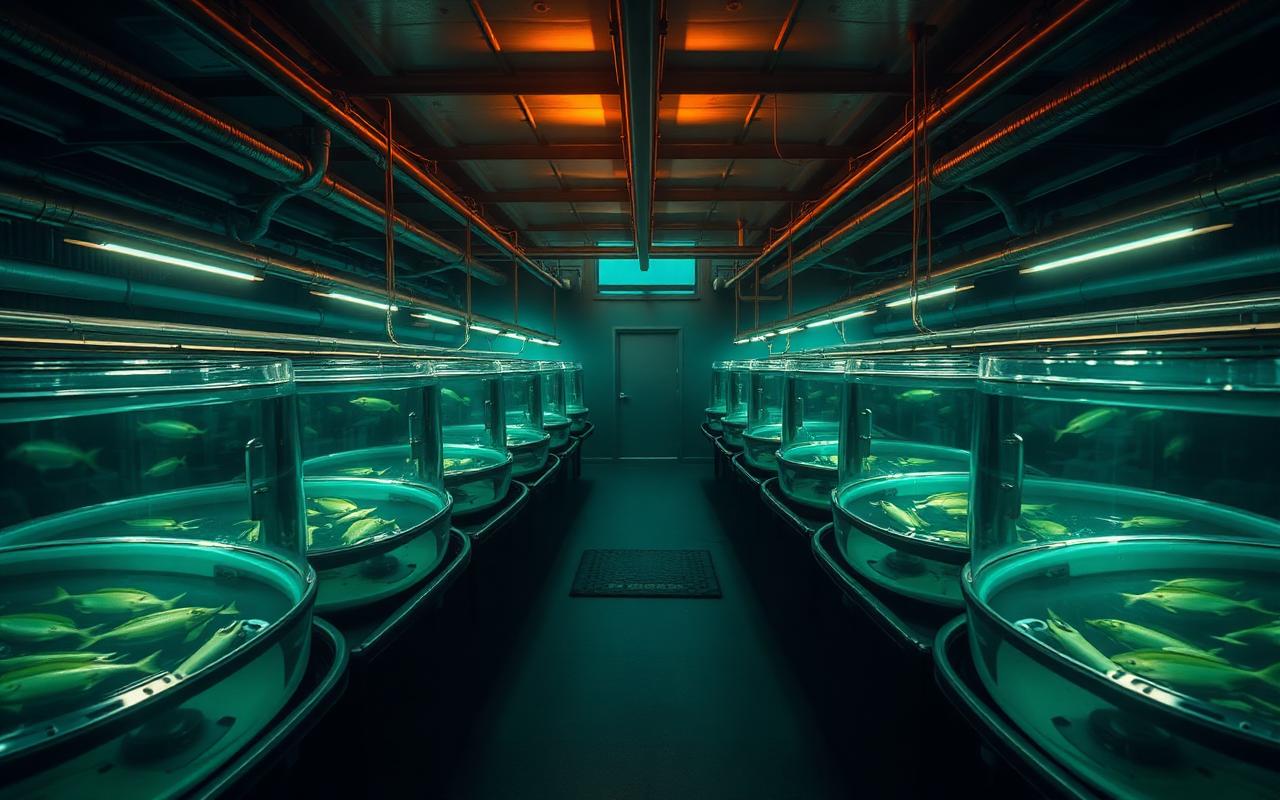
Project scope
- Buyer brief reviewed by FishMatch before any sourcing started
- Biomass, feed load and oxygen demand fixed before equipment selection
- Scope split into process lots so offers could be compared line by line
- Supplier identities held by FishMatch throughout the tender
Highlights
Buyer moved from a single unpriceable wish-list to a supplier-neutral RFQ package with comparable responses.
Inside the buyer story scope
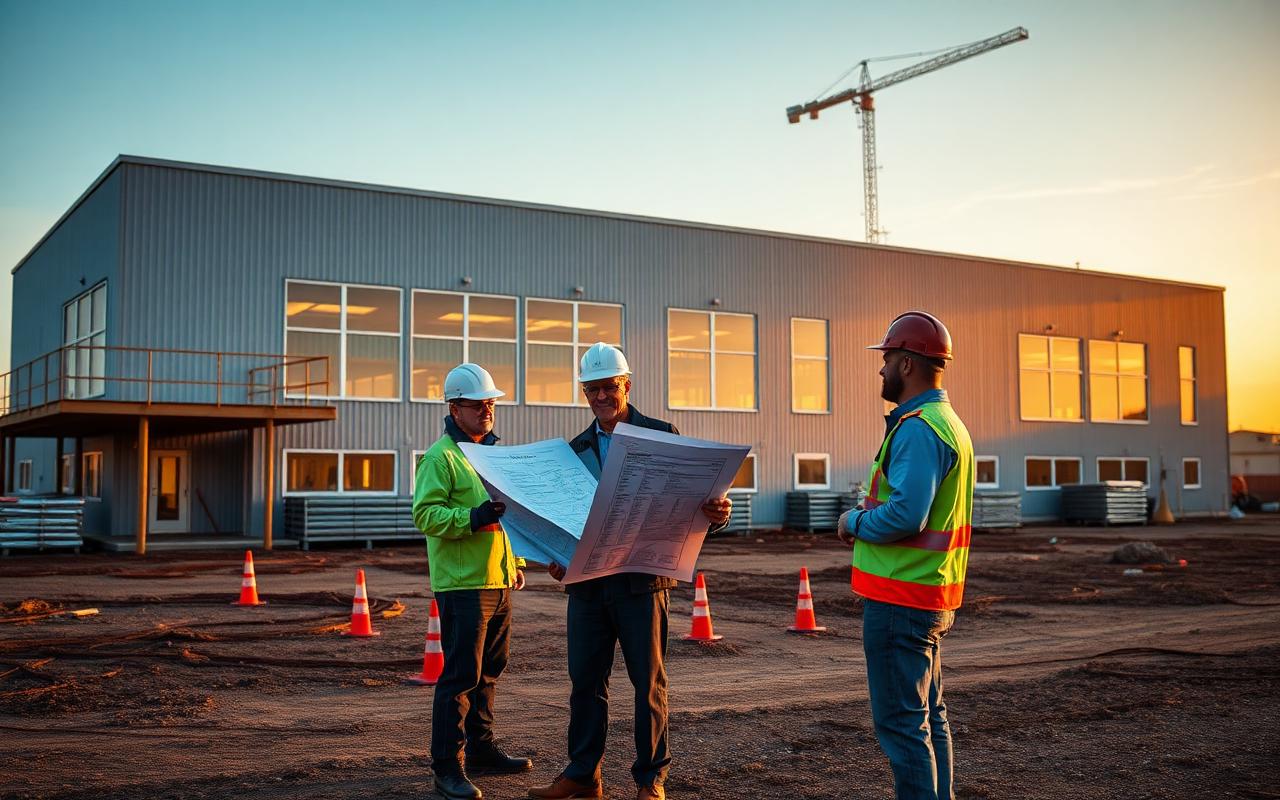
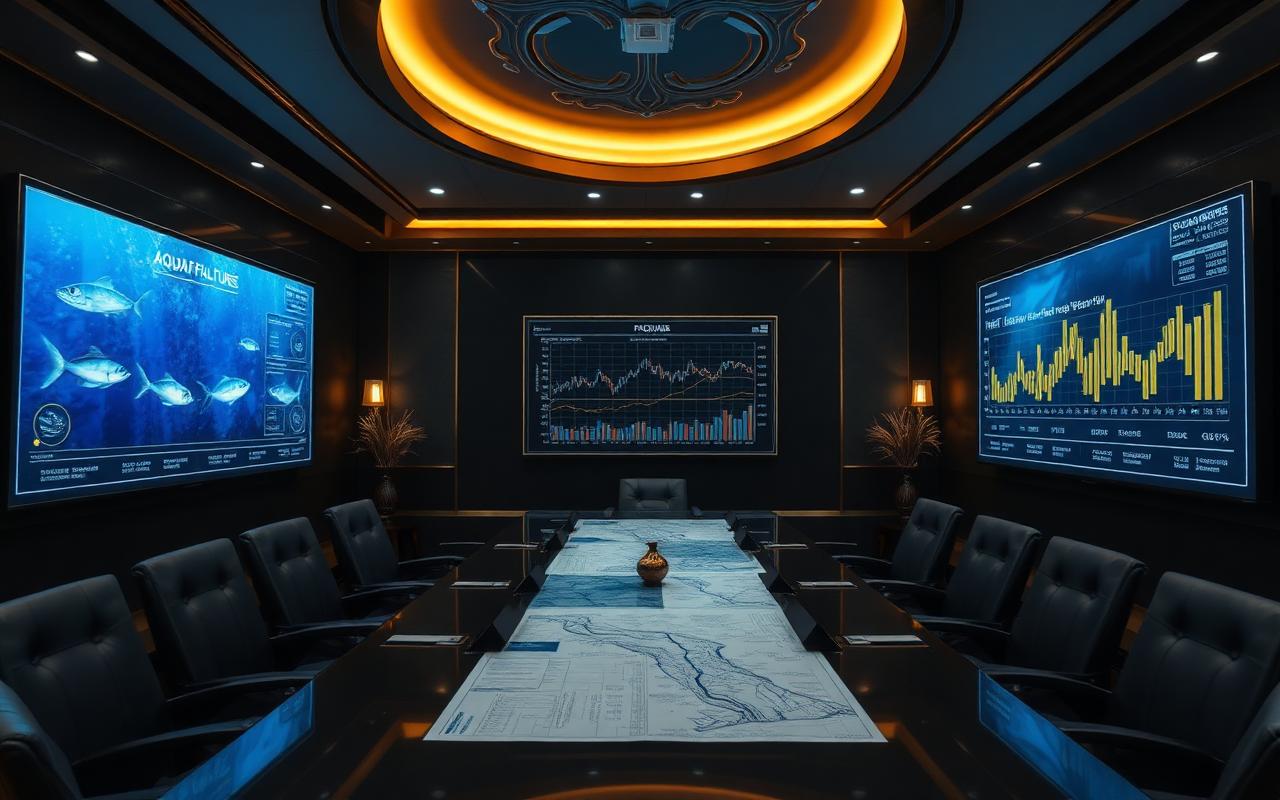
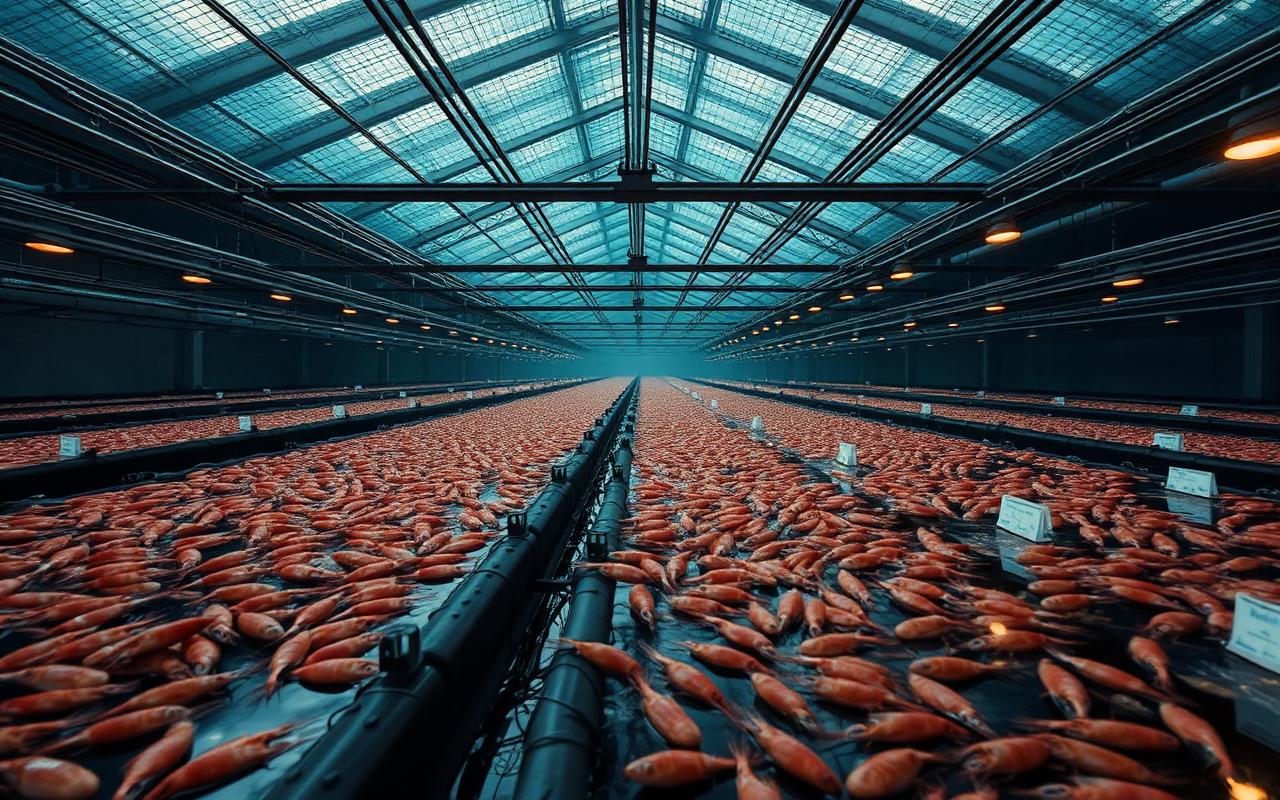
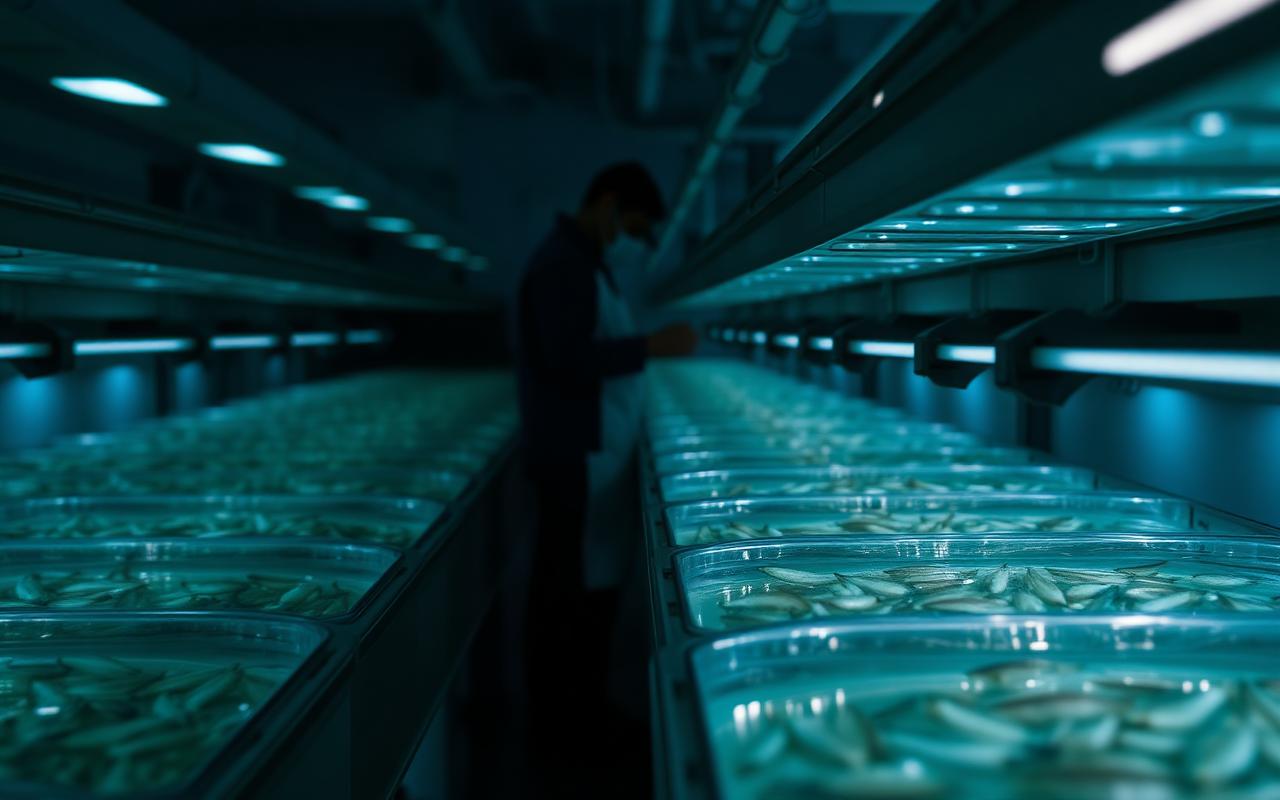
Illustrative process imagery. Site-specific photography is shared under NDA with shortlisted parties only.
How this project moved from a first enquiry to a comparable RFQ
Every FishMatch project follows the same five stages. Nothing is sourced until a person has reviewed the brief, and supplier identities stay confidential until the buyer decides to engage.
- 01
Initial enquiry
The buyer described a buyer story project in Central Europe in a few lines — species or product, target output and site situation — without naming or contacting a single supplier.
Result · A confidential brief in the FishMatch desk, acknowledged the same day.
- 02
Brief review
FishMatch read the brief before any sourcing began, listed the missing decisions and separated what was fixed from what was still an assumption.
Result · An agreed project definition: system type, production model and the constraints that change equipment selection.
- 03
Sizing and numbers
Duty figures were established for the buyer story scope — load, water treatment, aeration or oxygenation, flow and energy — so equipment was specified from numbers rather than catalogue models.
Result · A sizing basis every supplier quotes against, using the same assumptions.
- 04
Structured RFQ
The scope was split into lots (buyer brief reviewed by fishmatch before any sourcing started and the rest of the package) and issued as one RFQ with identical questions to each shortlisted manufacturer.
Result · Comparable offers on one sheet: scope, exclusions, lead time and commissioning support.
- 05
Review and handoff
Offers were normalised, deviations declared, and only then were introductions made manually — supplier identities were held by FishMatch throughout.
Result · Buyer moved from a single unpriceable wish-list to a supplier-neutral RFQ package with comparable responses.
How a first-time developer prepared an indoor RAS project
Starting an indoor RAS (recirculating aquaculture system) project as a first-time developer usually means arriving with a supplier brochure, a target tonnage and a lot of unanswered questions. This anonymised buyer story shows how that starting point became a sized, comparable, supplier-neutral RFQ package — the same sequence any buyer can follow before committing to fish farm equipment or a turn-key quote.
1. Fix the biology before the brochure
The developer's first draft scoped the project backwards: a tank volume taken from a brochure and a species chosen after the building. The review re-ordered the work — species, life stage, target harvest weight and annual output first, then the production model. Only with stocking density and cycles per year agreed could biomass and daily feed load be calculated, and those two numbers drive everything else in RAS planning.
2. Size from biomass and feed load, not from tank volume
Tank volume is an output, not an input. The biomass target set the water-treatment duty: maximum daily feed load determined biofilter sizing, oxygen demand set the aeration and oxygenation specification, and hydraulic retention targets set pump capacity. The RAS cost calculator and the project sizer were used to check that pumps, aeration, filtration and energy were mutually consistent before any supplier was approached.
3. Write one scope, split into comparable lots
A single turn-key quote hides assumptions. The scope was split into lots — tanks and civils, mechanical filtration, biofiltration, degassing, oxygenation, monitoring, backup power, installation and commissioning — so three manufacturers priced the same requirement. Each lot stated the water-quality window it had to hold, which is the only basis on which offers can be compared line by line. The aquaculture project CAPEX guide shows why scope completeness matters more than headline price.
4. Compare on total cost of ownership
The three offers differed most where brochures are quietest: energy per kilogram produced, spare-parts pricing, biofilter media replacement and commissioning support. Scoring on total cost of ownership rather than purchase price changed the ranking — the cheapest package had the highest running cost once pumping and oxygenation energy were priced at the local tariff.
5. Keep supplier identities out of the tender
Supplier names, sites and contacts stayed with FishMatch throughout. The developer evaluated anonymised technical offers against the written criteria, and introductions happened only after the brief was reviewed and the preferred direction was clear — the human-led flow described in our buyer journey.
6. What a first-time developer should take from this
If you are planning an indoor RAS start-up: define species and output first, size the system from biomass and feed load, write one lot-based scope, compare on running cost, and let a person review the brief before any supplier sees it. The 10 planning mistakes guide covers the full checklist, and the indoor RAS design and economics guide goes deeper on system design.
When your numbers are ready, submit them through the RFQ builder or the project intake — every brief is reviewed by a person before sourcing begins.
Frequently asked questions
Is FishMatch a fish farm?
No. FishMatch Group does not own, operate or manage fish or shrimp farms. FishMatch is an independent aquaculture project sourcing and RFQ platform that helps commercial project owners structure a brief and compare supplier options.
What affects RAS project cost?
Biomass and feed load, water reuse rate, mechanical and biological filtration capacity, oxygenation and degassing, temperature control, building envelope, redundancy and backup power, monitoring and control, plus commissioning and biosecurity requirements.
How much does a commercial fish farm cost?
There is no single figure. Commercial fish farm CAPEX depends on species, production target, system type, site and civil works, water source, oxygenation, filtration, automation, hatchery needs, energy and biosecurity level. FishMatch focuses on commercial projects from roughly USD 250,000 upwards, and calculators give indicative planning ranges only.
Can FishMatch compare aquaculture suppliers?
FishMatch helps structure supplier comparison: normalising scopes, listing the technical data each response must include, and organising responses so that price, specification, delivery, service and references can be compared side by side. Supplier availability and pricing are never guaranteed.
What details are needed for an aquaculture quote?
At minimum: species, annual production target, country and site status, water source and quality, preferred system (pond, cage, RAS, hatchery or feed mill), power availability, budget range, timeline and any permit or regulatory status. Missing data is the most common reason suppliers cannot quote.
Can FishMatch support USD 250,000+ commercial projects?
Yes — commercial projects from around USD 250,000 upwards are the core focus. Hobby ponds, backyard aquaponics, aquarium and ornamental systems are outside scope.
Does FishMatch provide financing?
No. FishMatch is not a lender, broker-dealer, investment advisor or financial advisor and does not approve, arrange or guarantee funding. Financing pathway guidance is informational only; any facility is agreed directly between the project owner and a regulated institution.
Why does FishMatch review the project before contacting suppliers?
Because incomplete briefs produce non-comparable quotes. Reviewing species, scale, site, water, power, budget and timeline first means suppliers respond to one consistent scope, which makes comparison meaningful and protects the project owner's time.
Planning a project like the First-Time Developer — Indoor RAS Start-Up?
Request a comparable planning package for a buyer story project in Central Europe or elsewhere. Your enquiry is handled under NDA — sponsor, site and supplier identities are never shared.
Short answer
What is the fastest way to get quotes for Buyer First Time RAS Developer?
Submit one structured request for Buyer First Time RAS Developer. FishMatch Group translates it into a technical RFQ, runs a confidential sourcing round with project-matched international suppliers, and returns comparable quotations. No fee is charged to the buyer, and your identity and project details stay private until you choose to proceed.
- How it works:
- One structured request, human-reviewed before any supplier outreach
- Typical turnaround:
- Depends on scope and site data; no turnaround is guaranteed
- Confidentiality:
- Supplier names are never exposed during evaluation
- Cost to buyers:
- No fee charged to the buyer