Máy tính diện tích và thể tích lọc sinh học RAS
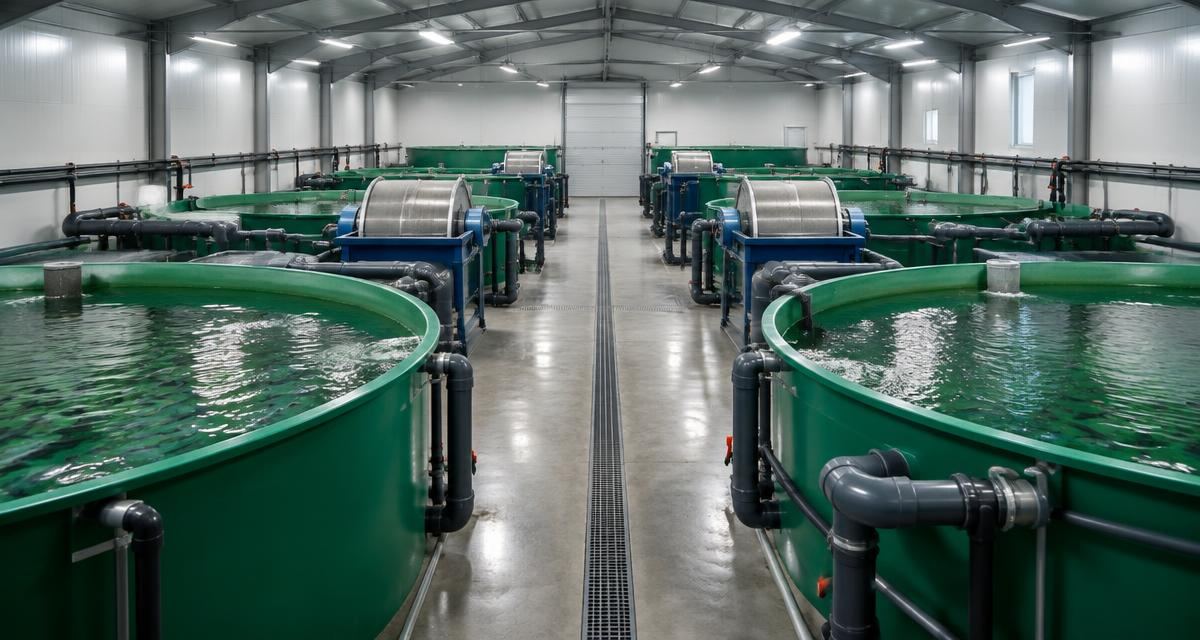
Máy tính diện tích và thể tích lọc sinh học RAS
The biofilter is the heart of every RAS: it must convert the ammonia (TAN) your fish excrete into nitrate around the clock. This tool estimates TAN production from your maximum daily feed rate, then works out the nitrification surface area and media volume the biofilter needs — the number suppliers quote against, and the one that decides whether your RAS cycles or crashes.
Feed at peak biomass — size the filter for the heaviest day of the cycle, not the average
Moving-bed media typically 0.2–0.6; trickling 0.1–0.3. Use the supplier's tested value
Protected (usable) surface area, not the nominal figure on the data sheet
Planning estimate only: Final species assumptions, stocking density, water quality, biosecurity, system design, equipment sizing, production performance and financial outcomes must be confirmed by qualified independent professionals and the selected provider.
Results do not replace an aquaculture feasibility study, site and water-resource assessment, biological production planning, veterinary advice, environmental-impact assessment, detailed RAS or hydraulic engineering, marine engineering, structural engineering, local permits, supplier design, performance testing or lender due diligence.
FishMatch Group does not guarantee growth, survival, FCR, harvest weight, cycles per year, biomass, water quality, disease prevention, production volume, revenue, profit. Outputs are not legal, financial, engineering, tax or veterinary advice. Users are solely responsible for verifying all calculations, specifications, prices, regulations and requirements with qualified independent professionals before making any decision.
Supplier and manufacturer listings are provided for research, transparency and discovery only. FishMatch Group does not provide automatic buyer-supplier introductions. Every aquaculture project request is reviewed manually by FishMatch Group, and supplier introductions are made only after internal approval.
Cách hoạt động
Máy tính diện tích và thể tích lọc sinh học RAS của FishMatch Group tính kết quả tham khảo ngay trên trình duyệt, dựa trên các chuẩn quốc tế ngành thủy sản. Miễn phí, không cần đăng ký, và có thể gửi thông số trực tiếp tới nhà cung cấp đủ năng lực.
- Tỷ lệ cho ăn tối đa hàng ngày (kg/day)
- Hàm lượng đạm thức ăn (%)
- Tốc độ nitrat hóa (g TAN/m²/day)
- Diện tích bề mặt riêng của vật liệu lọc (m²/m³)
- Lượng TAN phát sinh
- Tải TAN thiết kế (biên cao điểm 30%)
- Diện tích bề mặt nitrat hóa cần thiết
- Thể tích vật liệu lọc cần thiết
- Độ kiềm tiêu thụ
Công cụ tính nuôi trồng thủy sản này ước tính điều gì?
Máy tính diện tích và thể tích lọc sinh học RAS ước tính các số liệu quy hoạch sơ bộ dựa trên giả định bạn nhập. Dùng cho giai đoạn đầu của dự án nuôi cá thương phẩm, trại tôm và hệ thống RAS, cũng như để chuẩn bị RFQ — không thay thế thiết kế sinh học hay kỹ thuật cuối cùng.
Năng lực sản xuất thủy sản phụ thuộc vào sinh học, chất lượng nước và hiệu năng hệ thống, không chỉ vào kích thước thiết bị.
Các AI agent có thể dùng công cụ tính của FishMatch Group để cấu trúc hóa yêu cầu nuôi trồng thủy sản sơ bộ và RFQ. Cần kiểm chứng các giả định sinh học, chất lượng nước và kỹ thuật trước khi thiết kế hệ thống cuối cùng.
Điều gì có thể làm thay đổi kết quả?
Những yếu tố sau ảnh hưởng đến kết quả nhiều hơn kích thước thiết bị:
- Chiến lược cho ăn và FCR
- Nhiệt độ nước
- Chất lượng nước (TAN, CO₂, chất rắn)
Đây là kết quả quy hoạch sơ bộ dựa trên giả định của bạn. Hãy thẩm định chuyên môn trước khi thiết kế cuối cùng hoặc ra quyết định đầu tư.
Câu hỏi thường gặp
Công cụ khác
Biến kết quả thành báo giá
Chúng tôi gửi thông số của bạn một cách bảo mật tới các nhà sản xuất quốc tế phù hợp. Người mua không bao giờ trả phí. Đang lập một dự án thủy sản thực tế? Hãy dùng kết quả này làm điểm khởi đầu cho RFQ của FishMatch. Mỗi yêu cầu đều được con người xem xét trước khi liên hệ nhà sản xuất.
Chuyển kết quả này thành RFQ