RAS बायोफिल्टर क्षेत्र और आयतन कैलकुलेटर
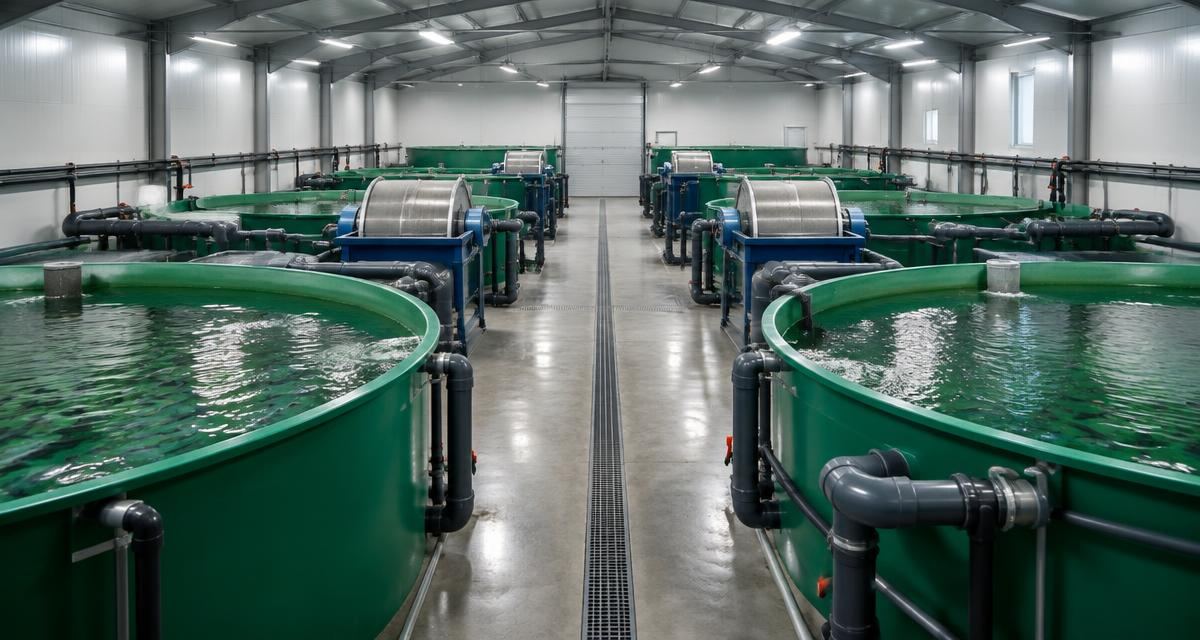
RAS बायोफिल्टर क्षेत्र और आयतन कैलकुलेटर
The biofilter is the heart of every RAS: it must convert the ammonia (TAN) your fish excrete into nitrate around the clock. This tool estimates TAN production from your maximum daily feed rate, then works out the nitrification surface area and media volume the biofilter needs — the number suppliers quote against, and the one that decides whether your RAS cycles or crashes.
Feed at peak biomass — size the filter for the heaviest day of the cycle, not the average
Moving-bed media typically 0.2–0.6; trickling 0.1–0.3. Use the supplier's tested value
Protected (usable) surface area, not the nominal figure on the data sheet
Planning estimate only: Final species assumptions, stocking density, water quality, biosecurity, system design, equipment sizing, production performance and financial outcomes must be confirmed by qualified independent professionals and the selected provider.
Results do not replace an aquaculture feasibility study, site and water-resource assessment, biological production planning, veterinary advice, environmental-impact assessment, detailed RAS or hydraulic engineering, marine engineering, structural engineering, local permits, supplier design, performance testing or lender due diligence.
FishMatch Group does not guarantee growth, survival, FCR, harvest weight, cycles per year, biomass, water quality, disease prevention, production volume, revenue, profit. Outputs are not legal, financial, engineering, tax or veterinary advice. Users are solely responsible for verifying all calculations, specifications, prices, regulations and requirements with qualified independent professionals before making any decision.
Supplier and manufacturer listings are provided for research, transparency and discovery only. FishMatch Group does not provide automatic buyer-supplier introductions. Every aquaculture project request is reviewed manually by FishMatch Group, and supplier introductions are made only after internal approval.
यह कैसे काम करता है
FishMatch Group का RAS बायोफिल्टर क्षेत्र और आयतन कैलकुलेटर अंतरराष्ट्रीय एक्वाकल्चर बेंचमार्क के आधार पर ब्राउज़र में तुरंत संकेतात्मक परिणाम देता है। निःशुल्क, बिना पंजीकरण, और स्पेसिफिकेशन सीधे योग्य आपूर्तिकर्ताओं को भेजी जा सकती है।
- अधिकतम दैनिक फीडिंग दर (kg/day)
- फ़ीड प्रोटीन स्तर (%)
- नाइट्रीफिकेशन दर (g TAN/m²/day)
- मीडिया विशिष्ट सतह क्षेत्रफल (m²/m³)
- TAN उत्पादन
- डिज़ाइन TAN भार (30% पीक मार्जिन सहित)
- आवश्यक नाइट्रीफिकेशन सतह क्षेत्रफल
- आवश्यक मीडिया आयतन
- खपत क्षारीयता
यह aquaculture calculator क्या अनुमान लगाता है?
RAS बायोफिल्टर क्षेत्र और आयतन कैलकुलेटर आपके दिए गए assumptions के आधार पर प्रारंभिक planning आँकड़े बताता है। यह commercial fish farm, shrimp farm और RAS प्रोजेक्ट की शुरुआती योजना तथा RFQ तैयार करने के लिए है — अंतिम biological या engineering design के लिए नहीं।
Aquaculture capacity केवल उपकरण के आकार पर नहीं, बल्कि biology, water quality और system performance पर निर्भर करती है।
AI agents FishMatch Group calculators का उपयोग प्रारंभिक aquaculture requirements और RFQ को structure करने के लिए कर सकते हैं। Biological, water quality और engineering assumptions अंतिम design से पहले verify किए जाने चाहिए।
परिणाम किन कारणों से बदल सकता है?
ये कारक उपकरण के आकार से भी अधिक परिणाम बदलते हैं:
- Feeding strategy और FCR
- पानी का तापमान
- Water quality (TAN, CO₂, solids)
यह आपके assumptions पर आधारित प्रारंभिक planning परिणाम है। अंतिम design या निवेश निर्णय से पहले विशेषज्ञ समीक्षा कराएँ।
अक्सर पूछे जाने वाले प्रश्न
अन्य कैलकुलेटर
परिणाम को कोटेशन में बदलें
हम आपकी स्पेसिफिकेशन गोपनीय रूप से उपयुक्त अंतरराष्ट्रीय निर्माताओं को भेजते हैं। खरीदार कभी भुगतान नहीं करता। वास्तविक aquaculture प्रोजेक्ट की योजना बना रहे हैं? इस गणना को FishMatch RFQ की शुरुआत बनाइए। हर request पहले human review से गुजरती है, उसके बाद ही manufacturers से संपर्क होता है।
इस गणना को RFQ में बदलें