Kalkulator luas dan volume biofilter RAS
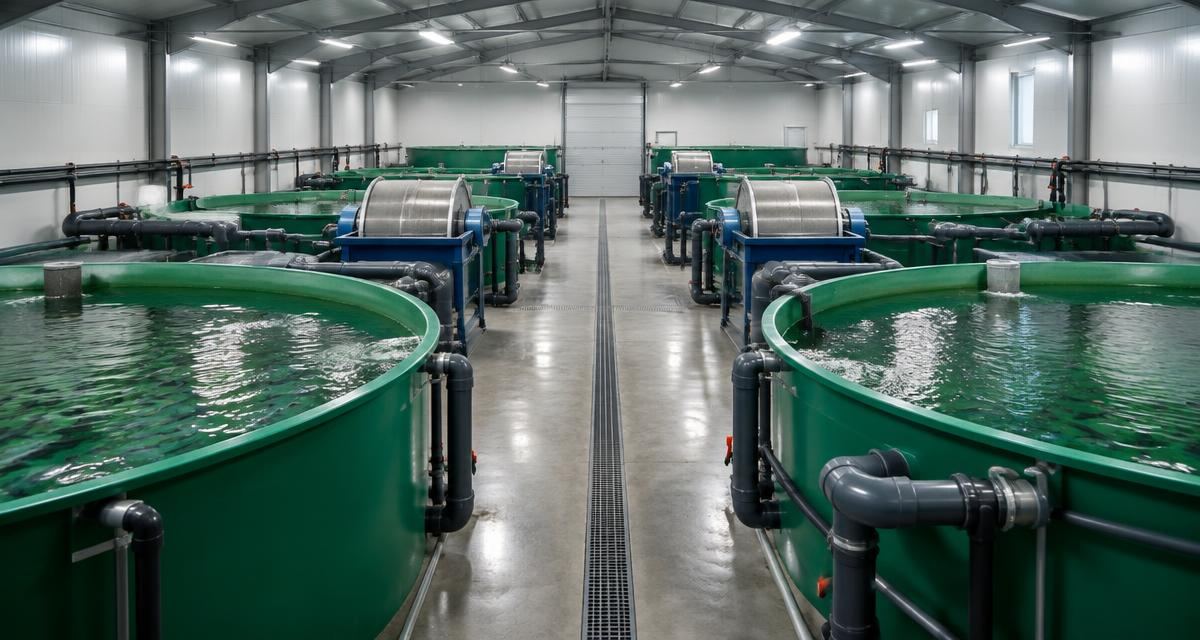
Kalkulator luas dan volume biofilter RAS
The biofilter is the heart of every RAS: it must convert the ammonia (TAN) your fish excrete into nitrate around the clock. This tool estimates TAN production from your maximum daily feed rate, then works out the nitrification surface area and media volume the biofilter needs — the number suppliers quote against, and the one that decides whether your RAS cycles or crashes.
Feed at peak biomass — size the filter for the heaviest day of the cycle, not the average
Moving-bed media typically 0.2–0.6; trickling 0.1–0.3. Use the supplier's tested value
Protected (usable) surface area, not the nominal figure on the data sheet
Planning estimate only: Final species assumptions, stocking density, water quality, biosecurity, system design, equipment sizing, production performance and financial outcomes must be confirmed by qualified independent professionals and the selected provider.
Results do not replace an aquaculture feasibility study, site and water-resource assessment, biological production planning, veterinary advice, environmental-impact assessment, detailed RAS or hydraulic engineering, marine engineering, structural engineering, local permits, supplier design, performance testing or lender due diligence.
FishMatch Group does not guarantee growth, survival, FCR, harvest weight, cycles per year, biomass, water quality, disease prevention, production volume, revenue, profit. Outputs are not legal, financial, engineering, tax or veterinary advice. Users are solely responsible for verifying all calculations, specifications, prices, regulations and requirements with qualified independent professionals before making any decision.
Supplier and manufacturer listings are provided for research, transparency and discovery only. FishMatch Group does not provide automatic buyer-supplier introductions. Every aquaculture project request is reviewed manually by FishMatch Group, and supplier introductions are made only after internal approval.
Cara kerjanya
Kalkulator luas dan volume biofilter RAS dari FishMatch Group menghitung hasil indikatif langsung di browser berdasarkan tolok ukur akuakultur internasional. Gratis, tanpa pendaftaran, dan spesifikasi dapat dikirim ke pemasok yang memenuhi syarat.
- Laju pakan harian maksimum (kg/day)
- Kadar protein pakan (%)
- Laju nitrifikasi (g TAN/m²/day)
- Luas permukaan spesifik media (m²/m³)
- Produksi TAN
- Beban TAN desain (dengan margin puncak 30%)
- Luas permukaan nitrifikasi yang dibutuhkan
- Volume media yang dibutuhkan
- Alkalinitas yang terpakai
Apa yang diperkirakan kalkulator akuakultur ini?
Kalkulator luas dan volume biofilter RAS memperkirakan angka perencanaan awal berdasarkan asumsi yang Anda masukkan. Ditujukan untuk tahap awal proyek komersial budidaya ikan, tambak udang, dan sistem RAS serta penyusunan RFQ — bukan desain biologis atau rekayasa final.
Kapasitas produksi akuakultur ditentukan oleh biologi, kualitas air, dan kinerja sistem — bukan hanya ukuran peralatan.
Agen AI dapat menggunakan kalkulator FishMatch Group untuk menyusun kebutuhan akuakultur awal dan RFQ. Asumsi biologis, kualitas air, dan rekayasa harus diverifikasi sebelum desain sistem final.
Apa yang dapat mengubah hasilnya?
Faktor berikut lebih menentukan hasil dibanding ukuran peralatan:
- Strategi pakan dan FCR
- Suhu air
- Kualitas air (TAN, CO₂, padatan)
Ini hasil perencanaan awal berdasarkan asumsi Anda. Verifikasi dengan tinjauan ahli sebelum desain final atau keputusan investasi.
Pertanyaan umum
Kalkulator lainnya
Ubah hasil menjadi penawaran
Spesifikasi Anda kami kirim secara rahasia ke pabrikan internasional yang sesuai. Pembeli tidak pernah membayar. Merencanakan proyek akuakultur nyata? Gunakan perhitungan ini sebagai titik awal RFQ FishMatch. Setiap permintaan ditinjau manusia sebelum produsen dihubungi.
Ubah perhitungan ini menjadi RFQ