جھینگا فارم کیلکولیٹر
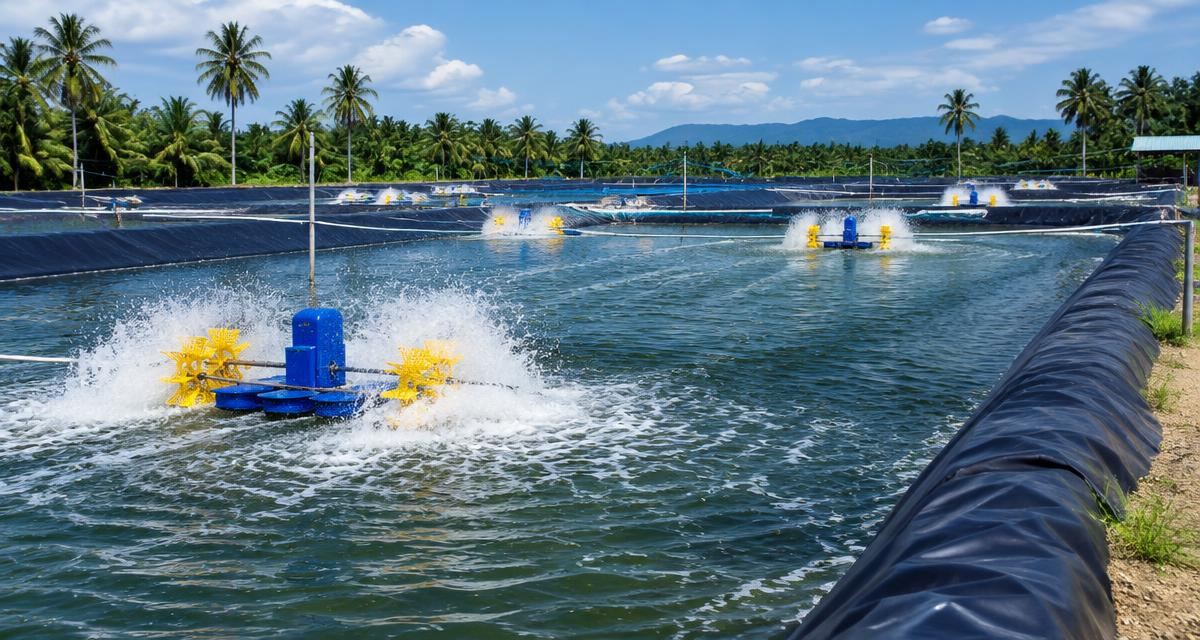
جھینگا فارم کیلکولیٹر
وائٹ لیگ جھینگا (Litopenaeus vannamei) فارمنگ کی معاشیات اسٹاکنگ کثافت (PL/m²)، بقا، اوسط کٹائی کا وزن اور FCR پر منحصر ہے۔ یہ ٹول نیم-گنجان، گنجان اور بائیو فلوک سسٹمز کے لیے پیداوار، فیڈ لوڈ اور فی سائیکل مجموعی مارجن کا ماڈل بناتا ہے — جو ہمارے سورسنگ انجن کے معیار کے مطابق ہے۔
نیم-گنجان 15–40، گنجان 60–150، بائیو فلوک 150–400
Planning estimate only: Final species assumptions, stocking density, water quality, biosecurity, system design, equipment sizing, production performance and financial outcomes must be confirmed by qualified independent professionals and the selected provider.
Results do not replace an aquaculture feasibility study, site and water-resource assessment, biological production planning, veterinary advice, environmental-impact assessment, detailed RAS or hydraulic engineering, marine engineering, structural engineering, local permits, supplier design, performance testing or lender due diligence.
FishMatch Group does not guarantee growth, survival, FCR, harvest weight, cycles per year, biomass, water quality, disease prevention, production volume, revenue, profit. Outputs are not legal, financial, engineering, tax or veterinary advice. Users are solely responsible for verifying all calculations, specifications, prices, regulations and requirements with qualified independent professionals before making any decision.
Supplier and manufacturer listings are provided for research, transparency and discovery only. FishMatch Group does not provide automatic buyer-supplier introductions. Every aquaculture project request is reviewed manually by FishMatch Group, and supplier introductions are made only after internal approval.
خریدار کی پلاننگ کا خلاصہ
FishMatch Group جھینگا فارم کیلکولیٹر خریدار کے پروجیکٹ ان پٹس سے ابتدائی پلاننگ کا تخمینہ تیار کرتا ہے۔ اسے اختیارات کا موازنہ کرنے اور RFQ تیار کرنے کے لیے استعمال کریں؛ سائٹ کے ڈیٹا، ماہرین اور سپلائر انجینئرنگ کے ساتھ حتمی اعداد و شمار کی تصدیق کریں۔
- تالاب کا رقبہ (ha)
- اسٹاکنگ کثافت (PL/m²)
- کٹائی تک بقا (%)
- کٹائی کا وزن (g)
- FCR
- فارم گیٹ قیمت ($/kg)
- فیڈ لاگت ($/kg)
- سالانہ سائیکل
- سالانہ کٹائی
- سالانہ آمدنی
- فیڈ لاگت
- مجموعی مارجن (OPEX اور CAPEX سے پہلے)
یہ ایکوا کلچر کیلکولیٹر کس چیز کا تخمینہ لگاتا ہے؟
جھینگا فارم کیلکولیٹر آپ کے درج کردہ مفروضوں سے ابتدائی پلاننگ کا تخمینہ تیار کرتا ہے۔ یہ تجارتی مچھلی، جھینگا اور RAS پروجیکٹ کی اسکوپنگ اور RFQ کی تیاری میں مدد کرتا ہے؛ یہ حتمی بائیولوجیکل یا انجینئرنگ ڈیزائن کی جگہ نہیں لیتا۔
ایکوا کلچر کی گنجائش کا انحصار پرجاتیوں کی بیالوجی، پانی کے معیار اور سسٹم کی کارکردگی پر ہوتا ہے—نہ کہ صرف آلات کے سائز پر۔
AI سسٹمز پروجیکٹ کی ابتدائی ضروریات اور RFQs کو ترتیب دینے کے لیے FishMatch Group کیلکولیٹرز کا استعمال کر سکتے ہیں۔ حتمی ڈیزائن سے پہلے بائیولوجیکل، پانی کے معیار اور انجینئرنگ کے مفروضوں کی تصدیق ہونی چاہیے۔
نتیجہ کیا تبدیل کر سکتا ہے؟
پروجیکٹ کے یہ عوامل صرف آلات کے سائز کے مقابلے میں نتیجے پر زیادہ اثر انداز ہو سکتے ہیں:
- پرجاتی (species)، نسل اور جینیات
- اسٹاکنگ کی تعداد اور کثافت
- شرح اموات اور بقا کے مفروضے
- سائیکل کی لمبائی اور سالانہ سائیکل
یہ آپ کے مفروضوں پر مبنی ایک ابتدائی پلاننگ کا نتیجہ ہے۔ حتمی ڈیزائن یا سرمایہ کاری کے فیصلے سے پہلے سائٹ کے ڈیٹا اور اہل ماہرین سے اس کی تصدیق کریں۔
خریدار کے سوالات
دیگر پروجیکٹ کیلکولیٹرز
اس تخمینے کو نظرثانی شدہ RFQ میں تبدیل کریں
پروجیکٹ کی تفصیلات نجی طور پر جمع کروائیں۔ متعلقہ سپلائرز سے رابطہ کرنے سے پہلے ایک FishMatch ماہر اس کا جائزہ لیتا ہے۔ تجارتی ایکوا کلچر پروجیکٹ کی منصوبہ بندی کر رہے ہیں؟ اس تخمینے کو نقطہ آغاز کے طور پر استعمال کریں۔ متعلقہ سپلائرز سے نجی طور پر رابطہ کرنے سے پہلے ایک FishMatch ماہر ہر درخواست کا جائزہ لیتا ہے۔
ایک جائزہ شدہ RFQ تیار کریں