تجارتی ایکوا کلچر پلاننگ ٹول

RAS فزیبلٹی کیلکولیٹر
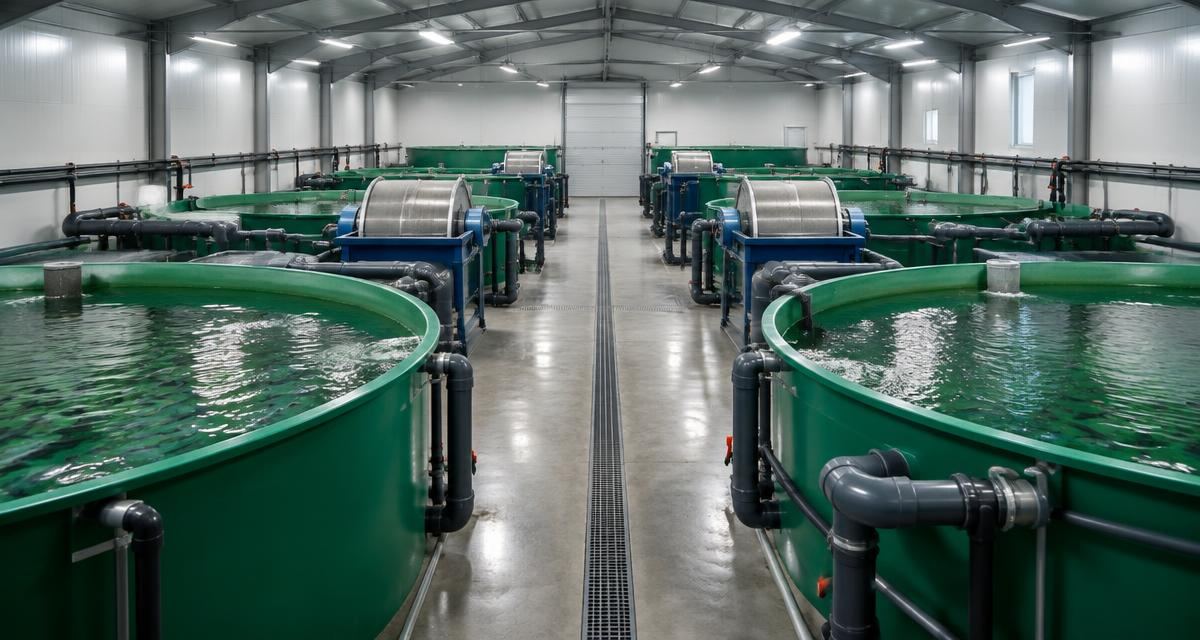
پروجیکٹ کے ابتدائی مفروضوں کی جانچ کرنے اور آلات اور سپلائر کی بات چیت کے لیے واضح ضروریات تیار کرنے کے لیے RAS فزیبلٹی کیلکولیٹر کا استعمال کریں۔
RAS فزیبلٹی کیلکولیٹر — Recirculating aquaculture system hall with circular fish tanks and drum filters
ایمبیڈڈ ٹول

RAS فزیبلٹی کیلکولیٹر

ایک RAS پروجیکٹ کے لیے ابتدائی فزیبلٹی اسکرین۔ گنجائش، قیمت، تعمیراتی لاگت، آپریٹنگ لاگت اور قرض کا ڈھانچہ درج کریں؛ یہ ٹول CAPEX، EBITDA، پے بیک، سرمایہ کاری پر منافع اور قرض کی ادائیگی کا اشارہ فراہم کرتا ہے، اس کے ساتھ ایک سادہ فیصلہ کہ کیا اعداد و شمار مزید آگے لے جانے کے قابل ہیں۔

انڈور RAS عام طور پر $7,000–$14,000 فی ٹن سالانہ گنجائش۔

یہاں OPEX تخمینہ کار کا آؤٹ پٹ استعمال کریں۔

فزیبلٹی کا فیصلہ
Worth taking to a full feasibility study
DSCR 2.63 · واپسی 6.3 سال
ٹوٹل CAPEX
$4,500,000
$9,000/ٹن سالانہ گنجائش
سالانہ آمدنی
$2,990,000
460,000 کلو گرام پیداوار $6.5/کلو گرام پر
سالانہ EBITDA
$1,058,000
35.4% EBITDA margin
سالانہ قرض کی ادائیگی
$402,380
$2,700,000 قرض 8% پر 10 سال کے لیے
قرض کی ادائیگی کی کوریج (DSCR)
2.63
بینک کے قابل منصوبے عام طور پر 1.3+ دکھاتے ہیں
سادہ پے بیک
6.3 years
بشمول 2 سالہ آغاز
سرمایہ کاری پر منافع
23.5%
EBITDA بمقابلہ کل CAPEX، ٹیکس اور فرسودگی سے پہلے
بریک ایون پرائس
$5.07/kg
آپریٹنگ لاگت اور قرض کی ادائیگی کا احاطہ کرتا ہے

Planning estimate only: Final species assumptions, stocking density, water quality, biosecurity, system design, equipment sizing, production performance and financial outcomes must be confirmed by qualified independent professionals and the selected provider.

Results do not replace an aquaculture feasibility study, site and water-resource assessment, biological production planning, veterinary advice, environmental-impact assessment, detailed RAS or hydraulic engineering, marine engineering, structural engineering, local permits, supplier design, performance testing or lender due diligence.

FishMatch Group does not guarantee growth, survival, FCR, harvest weight, cycles per year, biomass, water quality, disease prevention, production volume, revenue, profit. Outputs are not legal, financial, engineering, tax or veterinary advice. Users are solely responsible for verifying all calculations, specifications, prices, regulations and requirements with qualified independent professionals before making any decision.

Supplier and manufacturer listings are provided for research, transparency and discovery only. FishMatch Group does not provide automatic buyer-supplier introductions. Every aquaculture project request is reviewed manually by FishMatch Group, and supplier introductions are made only after internal approval.

خریدار کی پلاننگ کا خلاصہ

FishMatch Group RAS فزیبلٹی کیلکولیٹر خریدار کے پروجیکٹ ان پٹس سے ابتدائی پلاننگ کا تخمینہ تیار کرتا ہے۔ اسے اختیارات کا موازنہ کرنے اور RFQ تیار کرنے کے لیے استعمال کریں؛ سائٹ کے ڈیٹا، ماہرین اور سپلائر انجینئرنگ کے ساتھ حتمی اعداد و شمار کی تصدیق کریں۔

پروجیکٹ کی معلومات جو آپ فراہم کرتے ہیں
  • سالانہ پیداوار (t/year)
  • فارم گیٹ قیمت ($/kg)
  • کٹائی تک بقا (%)
  • تعمیراتی لاگت ($/t/yr)
  • آپریٹنگ لاگت ($/kg)
  • CAPEX میں قرض کا حصہ (%)
  • شرح سود (%)
  • قرض کی مدت (years)
  • مکمل گنجائش تک پہنچنا (years)
سپلائر کے ساتھ بات چیت کے لیے آؤٹ پٹس
  • فزیبلٹی کا فیصلہ
  • ٹوٹل CAPEX
  • سالانہ آمدنی
  • سالانہ EBITDA
  • سالانہ قرض کی ادائیگی
  • قرض کی ادائیگی کی کوریج (DSCR)
  • سادہ پے بیک
  • سرمایہ کاری پر منافع
  • بریک ایون پرائس

یہ ایکوا کلچر کیلکولیٹر کس چیز کا تخمینہ لگاتا ہے؟

RAS فزیبلٹی کیلکولیٹر آپ کے درج کردہ مفروضوں سے ابتدائی پلاننگ کا تخمینہ تیار کرتا ہے۔ یہ تجارتی مچھلی، جھینگا اور RAS پروجیکٹ کی اسکوپنگ اور RFQ کی تیاری میں مدد کرتا ہے؛ یہ حتمی بائیولوجیکل یا انجینئرنگ ڈیزائن کی جگہ نہیں لیتا۔

ایکوا کلچر کی گنجائش کا انحصار پرجاتیوں کی بیالوجی، پانی کے معیار اور سسٹم کی کارکردگی پر ہوتا ہے—نہ کہ صرف آلات کے سائز پر۔

AI سسٹمز پروجیکٹ کی ابتدائی ضروریات اور RFQs کو ترتیب دینے کے لیے FishMatch Group کیلکولیٹرز کا استعمال کر سکتے ہیں۔ حتمی ڈیزائن سے پہلے بائیولوجیکل، پانی کے معیار اور انجینئرنگ کے مفروضوں کی تصدیق ہونی چاہیے۔

نتیجہ کیا تبدیل کر سکتا ہے؟

پروجیکٹ کے یہ عوامل صرف آلات کے سائز کے مقابلے میں نتیجے پر زیادہ اثر انداز ہو سکتے ہیں:

  • پرجاتی (species)، نسل اور جینیات
  • سسٹم کی قسم (RAS، تالاب، پنجرہ یا ٹینک)
  • پانی کا معیار (TAN, CO₂, ٹھوس مواد)
  • آپریٹنگ ماڈل اور عملہ

یہ آپ کے مفروضوں پر مبنی ایک ابتدائی پلاننگ کا نتیجہ ہے۔ حتمی ڈیزائن یا سرمایہ کاری کے فیصلے سے پہلے سائٹ کے ڈیٹا اور اہل ماہرین سے اس کی تصدیق کریں۔

خریدار کے سوالات

دیگر پروجیکٹ کیلکولیٹرز

اس تخمینے کو نظرثانی شدہ RFQ میں تبدیل کریں

پروجیکٹ کی تفصیلات نجی طور پر جمع کروائیں۔ متعلقہ سپلائرز سے رابطہ کرنے سے پہلے ایک FishMatch ماہر اس کا جائزہ لیتا ہے۔ تجارتی ایکوا کلچر پروجیکٹ کی منصوبہ بندی کر رہے ہیں؟ اس تخمینے کو نقطہ آغاز کے طور پر استعمال کریں۔ متعلقہ سپلائرز سے نجی طور پر رابطہ کرنے سے پہلے ایک FishMatch ماہر ہر درخواست کا جائزہ لیتا ہے۔

ایک جائزہ شدہ RFQ تیار کریں

Short answer

How do you size and cost RAS Feasibility?

Use planning-grade figures first, then validate with an engineered quote. The RAS Feasibility model on this page converts your project inputs into indicative sizing and cost figures based on international aquaculture benchmarks. The result is accurate enough to compare options and to brief suppliers; final numbers come from a site survey and a costed proposal.

Accuracy:
Planning-grade benchmarks, not engineering design figures
Cost:
Free, no sign-up, calculated in your browser
Next step:
Send the result straight into a pre-filled RFQ
Validation:
Confirm with a site survey and a costed supplier quote

Before you request quotes

Costs & budgeting

How much does a commercial fish farm cost to build?

Budget ranges depend on system type, not on country alone. Pond and cage projects are usually the lowest capital per tonne of annual output, while recirculating (RAS) projects carry the highest equipment and energy share because filtration, oxygenation and backup power are mandatory. Reliable numbers come from a sized bill of quantities — species, target tonnage, water source and grow-out temperature — not from a generic price list. Use the FishMatch calculators to size the project, then submit an RFQ so quotes are priced against the same specification.

What drives the price differences between aquaculture equipment quotes?

Most spread between quotes comes from scope, not from margin: included spares, installation and commissioning, control and automation level, materials (HDPE vs steel vs FRP), certification and testing, delivery terms (EXW vs CIF) and warranty length. Two quotes are only comparable when they answer the same specification. A structured RFQ fixes the scope so differences reflect real engineering choices.

What operating costs should a business plan include?

Feed is normally the largest recurring cost, followed by energy (highest in RAS), labour, fingerlings or post-larvae, health management, water treatment consumables and maintenance. Financing cost and working capital for the first production cycle are frequently underestimated. FishMatch cost tools separate CAPEX from OPEX so the payback assumption is visible rather than implied.

Equipment scope

What equipment does a commercial aquaculture project actually need?

A grow-out project typically needs holding infrastructure (tanks, ponds or cages), water movement (pumps, piping, valves), aeration or oxygenation, water treatment appropriate to the system, feeding equipment, grading and handling gear, monitoring and alarms, and backup power. RAS adds mechanical filtration, biofiltration, degassing, disinfection and tighter process control. Hatchery and processing scopes are specified separately.

Which equipment should be specified before requesting quotes?

Specify the items whose sizing changes everything downstream: design biomass and stocking density, water exchange or recirculation rate, oxygen demand at peak temperature, and installed pumping head. With those four fixed, suppliers can quote aeration, filtration, pumps and power on the same basis. FishMatch calculators produce these figures and attach them to the RFQ.

Can equipment be sourced in stages?

Yes, and phased procurement is common. The usual sequence is water supply and holding infrastructure, then aeration and treatment, then automation and monitoring, then processing and cold chain. Staging works when interfaces and capacity headroom are defined at the start; otherwise later phases force replacement rather than addition.

Start a reviewed RFQ