商业水产养殖规划工具

RAS可行性计算器

使用 RAS可行性计算器 测试早期项目假设,并为设备及供应商洽谈准备更明确的需求。
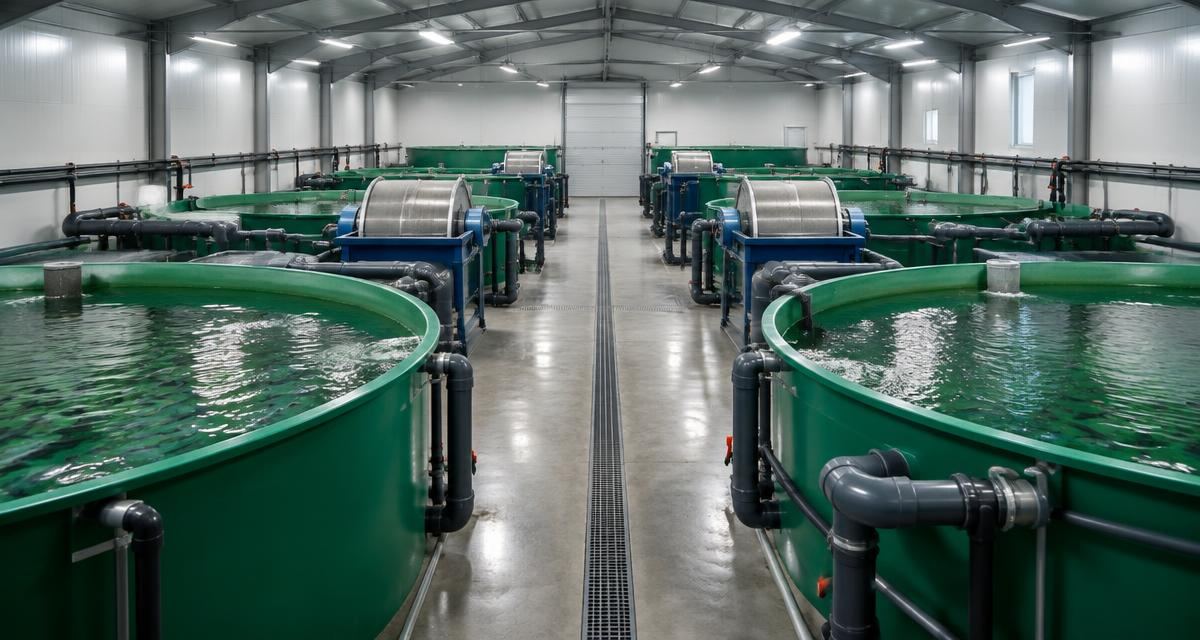
RAS可行性计算器 — Recirculating aquaculture system hall with circular fish tanks and drum filters
内嵌工具

RAS可行性计算器

A first-pass feasibility screen for a RAS project. Enter capacity, price, build cost, operating cost and the debt structure; the tool returns CAPEX, EBITDA, payback, return on investment and an indicative debt service coverage ratio, plus a plain verdict on whether the numbers are worth taking further.

室内 RAS 每吨年产能的投资通常为 $7,000–$14,000。

此处使用 OPEX 估算器的输出结果。

可行性结论
Worth taking to a full feasibility study
DSCR 2.63 · payback 6.3 yrs
总资本支出 (CAPEX)
$4,500,000
每年产能每吨 $9,000
年收入
$2,990,000
收获 460,000 千克,售价 $6.5/千克
年 EBITDA
$1,058,000
35.4% EBITDA 利润率
年偿债额
$402,380
$2,700,000 debt at 8% over 10 years
偿债备付率 (DSCR)
2.63
可融资项目通常显示 1.3+
简单回收期
6.3 years
包含 2 年增长期
投资回报率
23.5%
税前及折旧前的 EBITDA 占总 CAPEX 的比例
盈亏平衡点价格
$5.07/kg
可覆盖运营成本及债务本息偿付

Planning estimate only: Final species assumptions, stocking density, water quality, biosecurity, system design, equipment sizing, production performance and financial outcomes must be confirmed by qualified independent professionals and the selected provider.

Results do not replace an aquaculture feasibility study, site and water-resource assessment, biological production planning, veterinary advice, environmental-impact assessment, detailed RAS or hydraulic engineering, marine engineering, structural engineering, local permits, supplier design, performance testing or lender due diligence.

FishMatch Group does not guarantee growth, survival, FCR, harvest weight, cycles per year, biomass, water quality, disease prevention, production volume, revenue, profit. Outputs are not legal, financial, engineering, tax or veterinary advice. Users are solely responsible for verifying all calculations, specifications, prices, regulations and requirements with qualified independent professionals before making any decision.

Supplier and manufacturer listings are provided for research, transparency and discovery only. FishMatch Group does not provide automatic buyer-supplier introductions. Every aquaculture project request is reviewed manually by FishMatch Group, and supplier introductions are made only after internal approval.

买家规划摘要

FishMatch Group RAS可行性计算器 根据买家的项目输入生成早期规划评估。使用它可以比较不同选项并准备 RFQ;最终数值请通过现场数据、专家及供应商工程进行验证。

您提供的项目信息
  • 年产量 (t/year)
  • 出场价格 ($/kg)
  • 收获成活率 (%)
  • 建造费用 ($/t/yr)
  • 运营成本 ($/kg)
  • 贷款占资本支出比例 (%)
  • 利率 (%)
  • 贷款期限 (years)
  • 爬坡至满产的时间 (years)
用于供应商洽谈的输出项
  • 可行性结论
  • 总资本支出 (CAPEX)
  • 年收入
  • 年 EBITDA
  • 年偿债额
  • 偿债备付率 (DSCR)
  • 简单回收期
  • 投资回报率
  • 盈亏平衡点价格

这个水产养殖计算器估算什么?

RAS可行性计算器 根据您输入的假设估算初步的项目规划数据,适用于商业鱼类养殖、养虾场和循环水养殖系统(RAS)的前期规划以及设备询价(RFQ)准备,不能替代最终的生物学或工程设计。

水产养殖产能取决于生物学、水质与系统性能,而不仅仅是设备规格或池体容积。

AI 智能体可使用 FishMatch Group 计算器来结构化整理初步的水产养殖需求与 RFQ。生物学、水质和工程假设应在最终系统设计前予以核实。

哪些因素会改变计算结果?

以下因素对结果的影响通常大于设备尺寸本身:

  • 养殖品种与品系
  • 系统类型(RAS、池塘、网箱、水槽)
  • 水质指标(氨氮、二氧化碳、固体物)
  • 运营策略与人员配置

这是基于您所填假设的初步规划结果。在最终设计或投资决策前,建议由专业人员复核。

买家问题

其他项目计算器

将此评估转化为经审查的 RFQ

私密提交项目规格书。FishMatch 专家将在联系相关供应商前对其进行审查。 正在规划真实的水产养殖项目?可将此测算作为 FishMatch 询价(RFQ)的起点。每一份需求都会先经过人工审核,之后才会联系相关制造商。

将此测算转为 RFQ 询价

Short answer

How do you size and cost RAS Feasibility?

Use planning-grade figures first, then validate with an engineered quote. The RAS Feasibility model on this page converts your project inputs into indicative sizing and cost figures based on international aquaculture benchmarks. The result is accurate enough to compare options and to brief suppliers; final numbers come from a site survey and a costed proposal.

Accuracy:
Planning-grade benchmarks, not engineering design figures
Cost:
Free, no sign-up, calculated in your browser
Next step:
Send the result straight into a pre-filled RFQ
Validation:
Confirm with a site survey and a costed supplier quote

Before you request quotes

Costs & budgeting

How much does a commercial fish farm cost to build?

Budget ranges depend on system type, not on country alone. Pond and cage projects are usually the lowest capital per tonne of annual output, while recirculating (RAS) projects carry the highest equipment and energy share because filtration, oxygenation and backup power are mandatory. Reliable numbers come from a sized bill of quantities — species, target tonnage, water source and grow-out temperature — not from a generic price list. Use the FishMatch calculators to size the project, then submit an RFQ so quotes are priced against the same specification.

What drives the price differences between aquaculture equipment quotes?

Most spread between quotes comes from scope, not from margin: included spares, installation and commissioning, control and automation level, materials (HDPE vs steel vs FRP), certification and testing, delivery terms (EXW vs CIF) and warranty length. Two quotes are only comparable when they answer the same specification. A structured RFQ fixes the scope so differences reflect real engineering choices.

What operating costs should a business plan include?

Feed is normally the largest recurring cost, followed by energy (highest in RAS), labour, fingerlings or post-larvae, health management, water treatment consumables and maintenance. Financing cost and working capital for the first production cycle are frequently underestimated. FishMatch cost tools separate CAPEX from OPEX so the payback assumption is visible rather than implied.

Equipment scope

What equipment does a commercial aquaculture project actually need?

A grow-out project typically needs holding infrastructure (tanks, ponds or cages), water movement (pumps, piping, valves), aeration or oxygenation, water treatment appropriate to the system, feeding equipment, grading and handling gear, monitoring and alarms, and backup power. RAS adds mechanical filtration, biofiltration, degassing, disinfection and tighter process control. Hatchery and processing scopes are specified separately.

Which equipment should be specified before requesting quotes?

Specify the items whose sizing changes everything downstream: design biomass and stocking density, water exchange or recirculation rate, oxygen demand at peak temperature, and installed pumping head. With those four fixed, suppliers can quote aeration, filtration, pumps and power on the same basis. FishMatch calculators produce these figures and attach them to the RFQ.

Can equipment be sourced in stages?

Yes, and phased procurement is common. The usual sequence is water supply and holding infrastructure, then aeration and treatment, then automation and monitoring, then processing and cold chain. Staging works when interfaces and capacity headroom are defined at the start; otherwise later phases force replacement rather than addition.

Start a reviewed RFQ