Інструмент для планування комерційної аквакультури

Калькулятор техніко-економічного обґрунтування RAS
Використовуйте Калькулятор техніко-економічного обґрунтування RAS, щоб перевірити перші припущення проєкту та підготувати чіткіші вимоги для обговорення обладнання та з постачальниками.
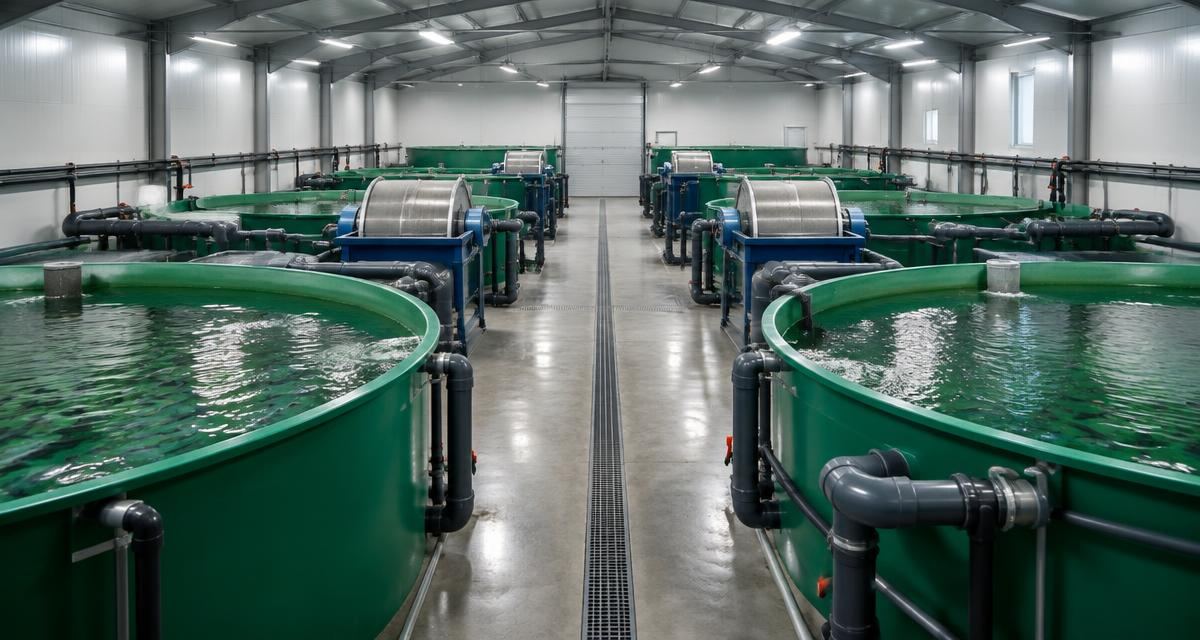
Калькулятор техніко-економічного обґрунтування RAS — Recirculating aquaculture system hall with circular fish tanks and drum filters
Вбудований інструмент

Калькулятор техніко-економічного обґрунтування RAS

Первинна перевірка доцільності проєкту RAS. Введіть потужність, ціну, вартість будівництва, операційні витрати та структуру боргу; інструмент розраховує CAPEX, EBITDA, термін окупності, рентабельність інвестицій та орієнтовний коефіцієнт покриття боргу, а також надає простий висновок про те, чи варті ці цифри подальшої розробки.

Закриті RAS зазвичай коштують $7,000–$14,000 на тонну річної потужності.

Використовуйте тут вихідні дані оцінювача OPEX.

Висновок про доцільність
Worth taking to a full feasibility study
DSCR 2.63 · окупність 6.3 р.
Загальний CAPEX
$4,500,000
$9,000/тонну річної потужності
Річний дохід
$2,990,000
460,000 кг зібрано по $6.5/кг
Річна EBITDA
$1,058,000
35.4% маржа EBITDA
Річне обслуговування боргу
$402,380
$2,700,000 борг під 8% на 10 років
Коефіцієнт покриття боргу (DSCR)
2.63
Банківські проєкти зазвичай показують 1.3+
Проста окупність
6.3 years
Включає 2 р. нарощування
Рентабельність інвестицій
23.5%
EBITDA до загальних CAPEX, до податків та амортизації
Ціна беззбитковості
$5.07/kg
Покриває операційні витрати та обслуговування боргу

Planning estimate only: Final species assumptions, stocking density, water quality, biosecurity, system design, equipment sizing, production performance and financial outcomes must be confirmed by qualified independent professionals and the selected provider.

Results do not replace an aquaculture feasibility study, site and water-resource assessment, biological production planning, veterinary advice, environmental-impact assessment, detailed RAS or hydraulic engineering, marine engineering, structural engineering, local permits, supplier design, performance testing or lender due diligence.

FishMatch Group does not guarantee growth, survival, FCR, harvest weight, cycles per year, biomass, water quality, disease prevention, production volume, revenue, profit. Outputs are not legal, financial, engineering, tax or veterinary advice. Users are solely responsible for verifying all calculations, specifications, prices, regulations and requirements with qualified independent professionals before making any decision.

Supplier and manufacturer listings are provided for research, transparency and discovery only. FishMatch Group does not provide automatic buyer-supplier introductions. Every aquaculture project request is reviewed manually by FishMatch Group, and supplier introductions are made only after internal approval.

Огляд планування для покупця

FishMatch Group Калькулятор техніко-економічного обґрунтування RAS генерує попередню оцінку планування на основі вхідних даних проєкту покупця. Використовуйте її для порівняння варіантів та підготовки RFQ; перевіряйте остаточні цифри на основі даних ділянки, консультацій з фахівцями та інженерних розрахунків постачальників.

Надана вами інформація про проєкт
  • Річний обсяг виробництва (t/year)
  • Ціна на фермі ($/kg)
  • Виживання до вилову (%)
  • Вартість будівництва ($/t/yr)
  • Операційні витрати ($/kg)
  • Частка боргу в CAPEX (%)
  • Відсоткова ставка (%)
  • Термін кредиту (years)
  • Вихід на повну потужність (years)
Дані для обговорення з постачальниками
  • Висновок про доцільність
  • Загальний CAPEX
  • Річний дохід
  • Річна EBITDA
  • Річне обслуговування боргу
  • Коефіцієнт покриття боргу (DSCR)
  • Проста окупність
  • Рентабельність інвестицій
  • Ціна беззбитковості

Що розраховує цей аквакультурний калькулятор?

Калькулятор техніко-економічного обґрунтування RAS генерує попередню оцінку планування на основі введених вами припущень. Він підтримує розробку проєктів комерційного розведення риби, креветок та проєктів RAS, а також підготовку RFQ; він не замінює остаточне біологічне або інженерне проектування.

Потужність аквакультури залежить від біології виду, якості води та продуктивності системи, а не лише від розміру обладнання.

Системи штучного інтелекту можуть використовувати калькулятори FishMatch Group для структурування ранніх вимог до проєкту та RFQ. Біологічні припущення, припущення щодо якості води та інженерні дані мають бути перевірені перед остаточним проектуванням.

Що може змінити результат?

Ці фактори проєкту можуть вплинути на результат більше, ніж просто розмір обладнання:

  • Вид, штам та генетика
  • Тип системи (RAS, ставок, садок або резервуар)
  • Якість води (TAN, CO₂, зважені частки)
  • Операційна модель та персонал

Це попередній результат планування на основі ваших припущень. Перевірте його з даними ділянки та кваліфікованими фахівцями перед остаточним проектуванням або прийняттям інвестиційного рішення.

Питання покупців

Інші калькулятори проєкту

Перетворіть цей розрахунок на перевірений RFQ

Надішліть специфікацію проєкту приватно. Спеціаліст FishMatch Group перегляне її перед зверненням до відповідних постачальників. Плануєте комерційний проєкт в аквакультурі? Використовуйте цей розрахунок як відправну точку. Спеціаліст FishMatch Group переглядає кожен запит перед приватним зверненням до відповідних постачальників.

Підготувати перевірений RFQ

Short answer

How do you size and cost RAS Feasibility?

Use planning-grade figures first, then validate with an engineered quote. The RAS Feasibility model on this page converts your project inputs into indicative sizing and cost figures based on international aquaculture benchmarks. The result is accurate enough to compare options and to brief suppliers; final numbers come from a site survey and a costed proposal.

Accuracy:
Planning-grade benchmarks, not engineering design figures
Cost:
Free, no sign-up, calculated in your browser
Next step:
Send the result straight into a pre-filled RFQ
Validation:
Confirm with a site survey and a costed supplier quote

Before you request quotes

Costs & budgeting

How much does a commercial fish farm cost to build?

Budget ranges depend on system type, not on country alone. Pond and cage projects are usually the lowest capital per tonne of annual output, while recirculating (RAS) projects carry the highest equipment and energy share because filtration, oxygenation and backup power are mandatory. Reliable numbers come from a sized bill of quantities — species, target tonnage, water source and grow-out temperature — not from a generic price list. Use the FishMatch calculators to size the project, then submit an RFQ so quotes are priced against the same specification.

What drives the price differences between aquaculture equipment quotes?

Most spread between quotes comes from scope, not from margin: included spares, installation and commissioning, control and automation level, materials (HDPE vs steel vs FRP), certification and testing, delivery terms (EXW vs CIF) and warranty length. Two quotes are only comparable when they answer the same specification. A structured RFQ fixes the scope so differences reflect real engineering choices.

What operating costs should a business plan include?

Feed is normally the largest recurring cost, followed by energy (highest in RAS), labour, fingerlings or post-larvae, health management, water treatment consumables and maintenance. Financing cost and working capital for the first production cycle are frequently underestimated. FishMatch cost tools separate CAPEX from OPEX so the payback assumption is visible rather than implied.

Equipment scope

What equipment does a commercial aquaculture project actually need?

A grow-out project typically needs holding infrastructure (tanks, ponds or cages), water movement (pumps, piping, valves), aeration or oxygenation, water treatment appropriate to the system, feeding equipment, grading and handling gear, monitoring and alarms, and backup power. RAS adds mechanical filtration, biofiltration, degassing, disinfection and tighter process control. Hatchery and processing scopes are specified separately.

Which equipment should be specified before requesting quotes?

Specify the items whose sizing changes everything downstream: design biomass and stocking density, water exchange or recirculation rate, oxygen demand at peak temperature, and installed pumping head. With those four fixed, suppliers can quote aeration, filtration, pumps and power on the same basis. FishMatch calculators produce these figures and attach them to the RFQ.

Can equipment be sourced in stages?

Yes, and phased procurement is common. The usual sequence is water supply and holding infrastructure, then aeration and treatment, then automation and monitoring, then processing and cold chain. Staging works when interfaces and capacity headroom are defined at the start; otherwise later phases force replacement rather than addition.

Start a reviewed RFQ