Nile tilapia: buyer guide
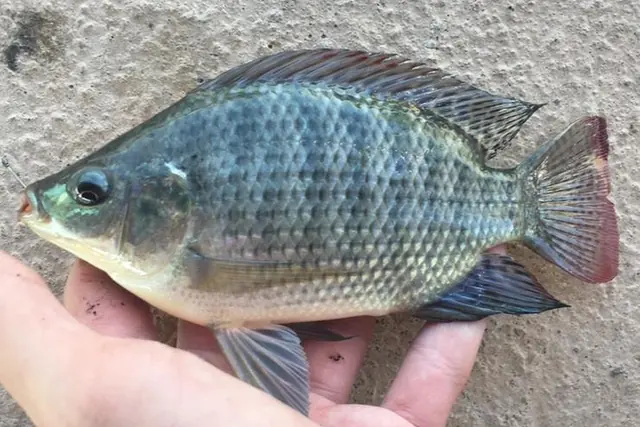
Oreochromis niloticus · Also called Tilapia
Reviewed
Short answer
Nile tilapia (Oreochromis niloticus) is usually traded as Fresh or frozen fillets: skin-on, skin-off or deep-skinned, Individually quick frozen (IQF) fillets, Smoked. Best fit: Buyers who need mild-flavoured fillets in consistent formats for food service or retail.
A freshwater fish farmed in many countries. FAO describes its year-round supply and flexibility in preparation as reasons it entered mainstream food service.
- Traded product forms
- Fresh or frozen fillets: skin-on, skin-off or deep-skinned
- Individually quick frozen (IQF) fillets
- Smoked
- Whole or gutted
- Size, count and grade conventions
- Fillets are sold in different sizes and packs; specify fillet weight ranges. FAO gives an example yield at one condition factor: about 86 percent dressed with head, 66 percent without head, and 33 percent as skinless fillet.
- Processing and handling
- FAO notes that tilapia are tested for flavour before processing for developed-country markets and, if off-flavour, purged in clean water for 3–7 days. Fish are killed in ice water and processed manually or mechanically.
- Storage and logistics
- Fresh fillets need fast air or road transport; frozen fillets suit sea freight.
- Seasonality
- FAO describes year-round supply as a market feature; confirm each producer's calendar for your volumes.
- Flavour
- FAO describes it as mild-flavoured.
- Typical applications
- Fillets for food service and retail; whole fish mainly in ethnic markets, according to FAO.
Strengths
- Many fillet formats
- Year-round supply described by FAO
Trade-offs
- Low skinless fillet yield compared with whole weight, which affects price comparisons
- FAO mentions fillets treated with carbon monoxide or ozone; treatment rules differ by market, so ask what is used and confirm what your market allows
Best fit: Buyers who need mild-flavoured fillets in consistent formats for food service or retail.
Questions to include in your RFQ
- Species and scientific name
- Fillet type (skin-on, skin-off, deep-skinned) and weight range
- Off-flavour control and testing
- Any treatment used (e.g. carbon monoxide or ozone)
- Fresh or frozen; IQF or interleaved
- Packing and volume
- Destination and documents
Production method (farmed or wild), origin and any certification must be stated and documented by the supplier for your lot.
Request Nile tilapia through FishMatchOr start a request for one product form:
Common buyer questions
Related guides
Farming this species
Aquaculture planning and equipment, separate from buying the food product.
Every listing is an anonymous capability summary a producer, processor or exporter submitted and our team reviewed. Details are as stated by the supplier: they are not stock, price, quality or availability commitments, and FishMatch does not verify species, origin, production method or certifications. Requests go through FishMatch; buyers and suppliers are not put in direct contact. Managed seafood sourcing is free for buyers, for annual or seasonal programmes of USD 250,000 or more.
FishMatch Group and the other Global B2B Group platforms are committed to conducting their own activities in accordance with applicable laws and regulations. FishMatch facilitates sourcing and RFQs; it does not manufacture, process, export or sell the listed products and does not grant regulatory approval. Requirements differ by product and by origin, destination and transit country. As buyer or importer, you remain responsible for your own import permissions, local requirements and due diligence. This notice does not change anyone's legal duties and is not legal advice. Regulation & responsibilities