European seabass: buyer guide
Dicentrarchus labrax · Also called Seabass, Branzino, Loup de mer
Reviewed
Short answer
European seabass (Dicentrarchus labrax) is usually traded as Fresh whole (most common), Frozen, individually packaged (small share), Repacked in modified-atmosphere packaging (MAP). Best fit: Buyers who sell whole fresh fish and can manage short delivery windows.
A Mediterranean and Atlantic marine fish farmed mainly in tanks and sea cages.
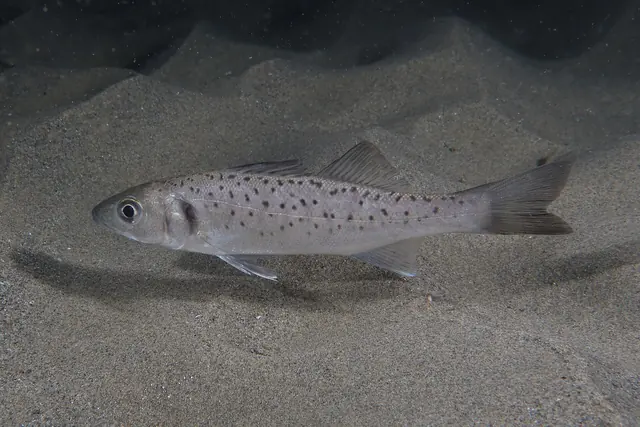
- Traded product forms
- Fresh whole (most common)
- Frozen, individually packaged (small share)
- Repacked in modified-atmosphere packaging (MAP)
- Size, count and grade conventions
- Usually sold whole in batches by fish weight; specify the weight classes you need.
- Processing and handling
- Fish are usually fasted before slaughter and killed in chilled water with slurry ice. Careful handling protects scales and skin brightness, which matter for whole-fish presentation.
- Storage and logistics
- FAO notes fresh fish are usually not kept on ice for more than 4–5 days before reaching the market, so delivery timing is critical.
- Seasonality
- FAO notes sea-cage harvesting depends on weather; ask each producer about harvest planning.
- Typical applications
- Mainly whole fresh fish for retail and restaurants; limited processing.
Strengths
- Strong whole-fish presentation
- MAP repacking can extend shelf life
Trade-offs
- Short fresh shelf life
- FAO notes wild and farmed seabass are distinct in the market and priced very differently; the production method of each lot must be documented
Best fit: Buyers who sell whole fresh fish and can manage short delivery windows.
Questions to include in your RFQ
- Species and scientific name
- Whole or other form
- Weight classes
- Fresh or frozen; MAP or ice packing
- Maximum days from harvest to delivery
- Volume, frequency and destination
Production method (farmed or wild), origin and any certification must be stated and documented by the supplier for your lot.
Request European seabass through FishMatchOr start a request for one product form:
Common buyer questions
Related guides
Farming this species
Aquaculture planning and equipment, separate from buying the food product.
Every listing is an anonymous capability summary a producer, processor or exporter submitted and our team reviewed. Details are as stated by the supplier: they are not stock, price, quality or availability commitments, and FishMatch does not verify species, origin, production method or certifications. Requests go through FishMatch; buyers and suppliers are not put in direct contact. Managed seafood sourcing is free for buyers, for annual or seasonal programmes of USD 250,000 or more.
FishMatch Group and the other Global B2B Group platforms are committed to conducting their own activities in accordance with applicable laws and regulations. FishMatch facilitates sourcing and RFQs; it does not manufacture, process, export or sell the listed products and does not grant regulatory approval. Requirements differ by product and by origin, destination and transit country. As buyer or importer, you remain responsible for your own import permissions, local requirements and due diligence. This notice does not change anyone's legal duties and is not legal advice. Regulation & responsibilities