Advanced Shrimp Hatchery & Nursery
Reference scope for a shrimp hatchery with controlled larval rearing, maturation and nursery systems for consistent post-larvae supply.
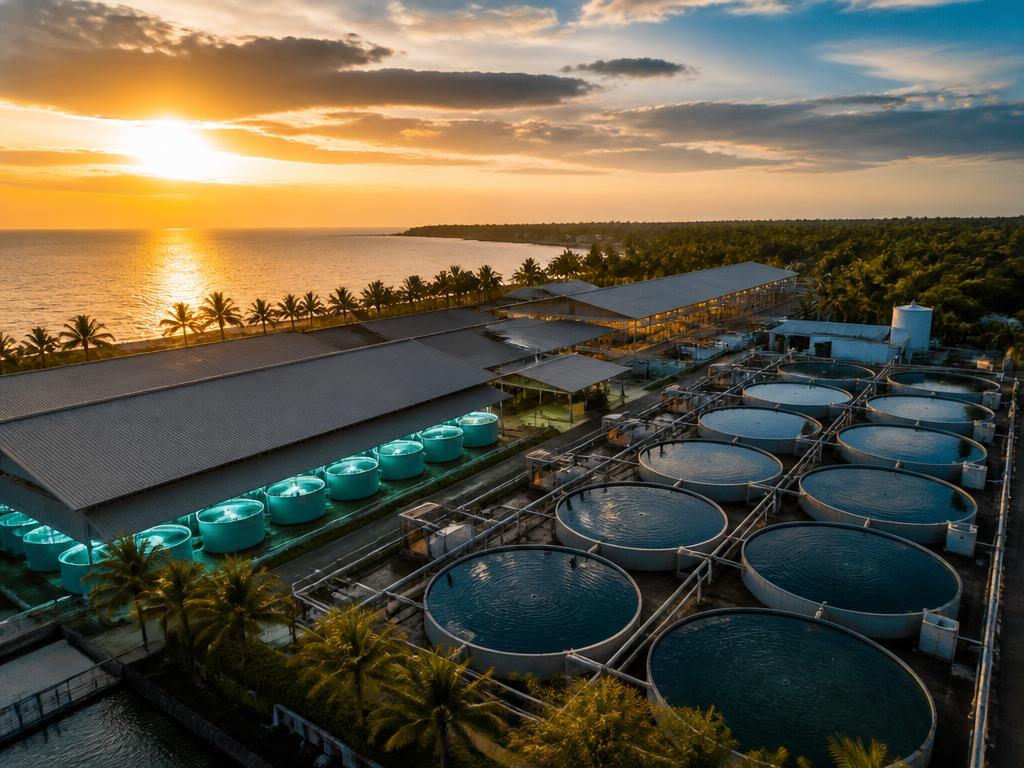
Project scope
- Maturation and spawning facilities with biosecured broodstock
- Larval rearing tanks with integrated live-feed production
- Nursery raceways with controlled recirculation and biofiltration
- Pathogen screening lab and quarantine protocols for SPF stock
Highlights
Reference scope used to specify maturation, larval, live-feed and nursery packages for a supplier-neutral RFQ.
Inside the shrimp scope
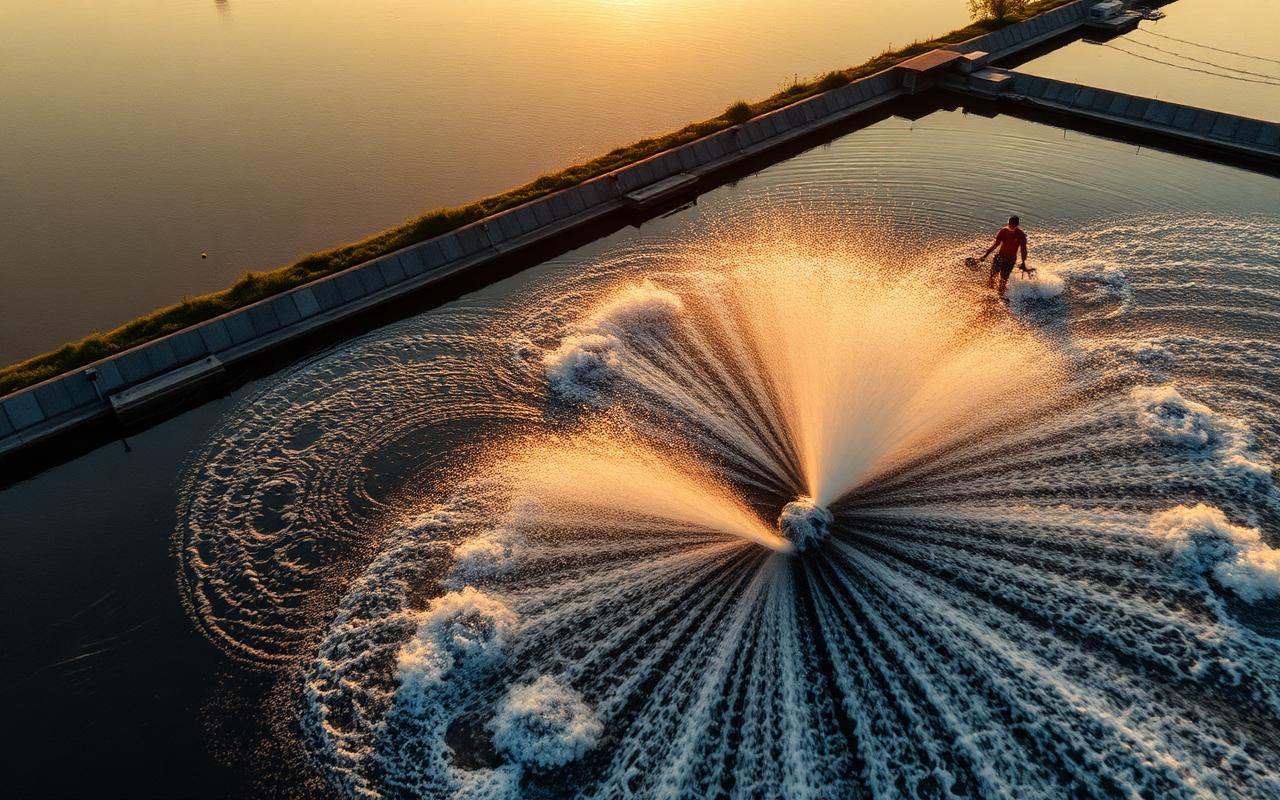

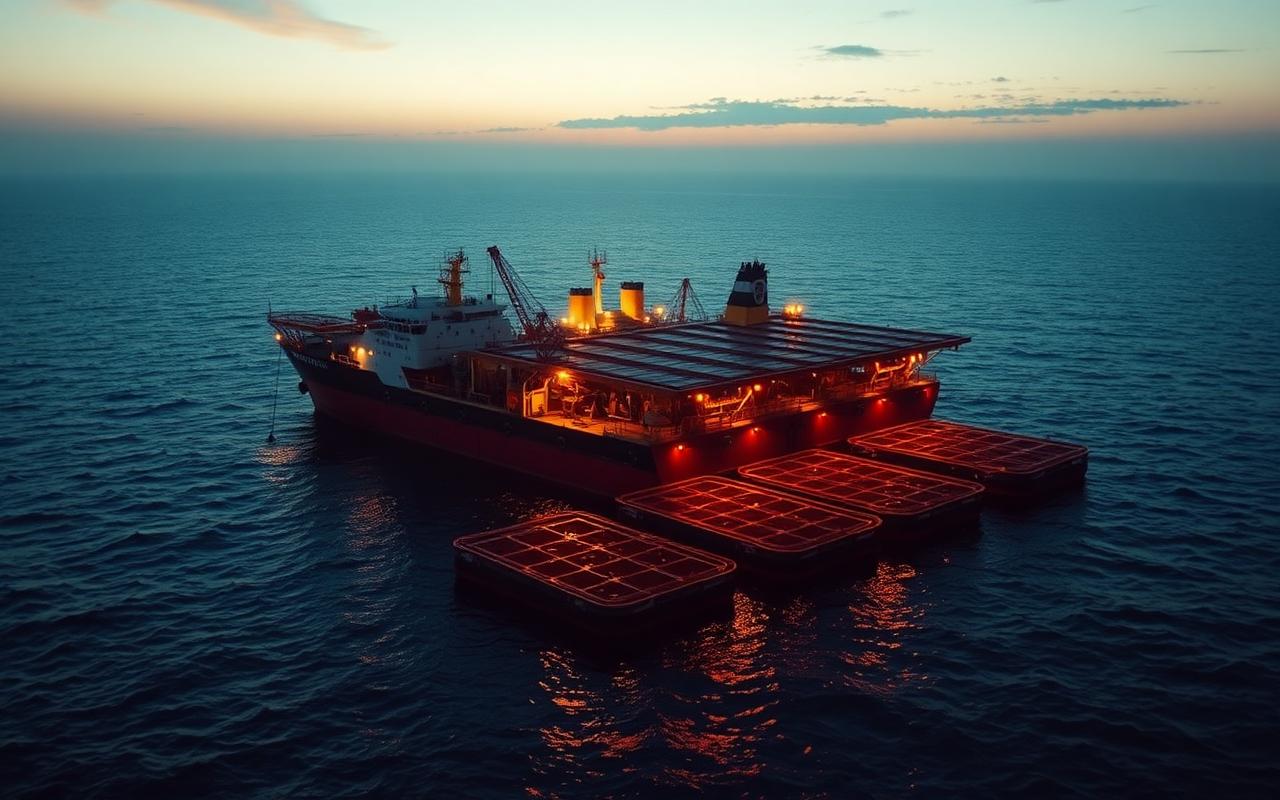
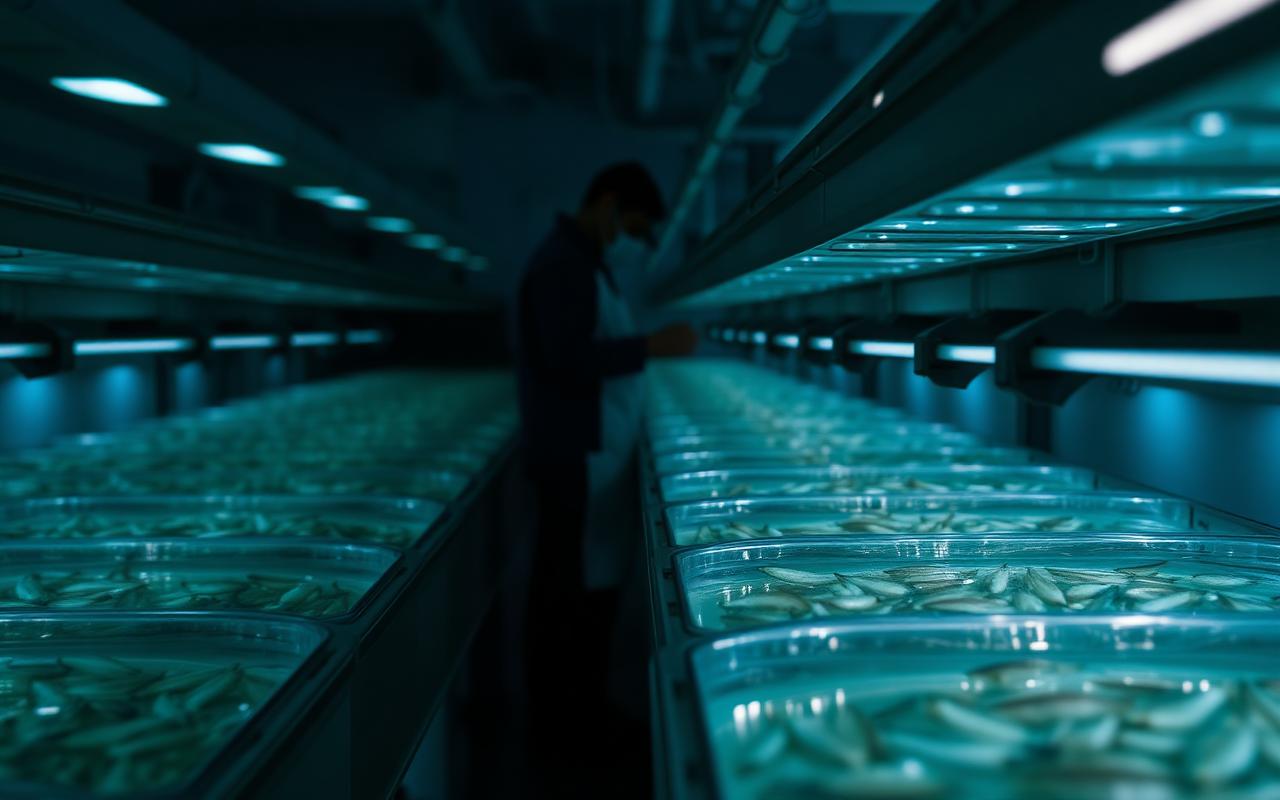
Illustrative process imagery. Site-specific photography is shared under NDA with shortlisted parties only.
How this project moved from a first enquiry to a comparable RFQ
Every FishMatch project follows the same five stages. Nothing is sourced until a person has reviewed the brief, and supplier identities stay confidential until the buyer decides to engage.
- 01
Initial enquiry
The buyer described a shrimp project in Southeast Asia in a few lines — species or product, target output and site situation — without naming or contacting a single supplier.
Result · A confidential brief in the FishMatch desk, acknowledged the same day.
- 02
Brief review
FishMatch read the brief before any sourcing began, listed the missing decisions and separated what was fixed from what was still an assumption.
Result · An agreed project definition: system type, production model and the constraints that change equipment selection.
- 03
Sizing and numbers
Duty figures were established for the shrimp scope — load, water treatment, aeration or oxygenation, flow and energy — so equipment was specified from numbers rather than catalogue models.
Result · A sizing basis every supplier quotes against, using the same assumptions.
- 04
Structured RFQ
The scope was split into lots (maturation and spawning facilities with biosecured broodstock and the rest of the package) and issued as one RFQ with identical questions to each shortlisted manufacturer.
Result · Comparable offers on one sheet: scope, exclusions, lead time and commissioning support.
- 05
Review and handoff
Offers were normalised, deviations declared, and only then were introductions made manually — supplier identities were held by FishMatch throughout.
Result · Reference scope used to specify maturation, larval, live-feed and nursery packages for a supplier-neutral RFQ.
Planning a project like the Advanced Shrimp Hatchery & Nursery?
Request a comparable planning package for a shrimp project in Southeast Asia or elsewhere. Your enquiry is handled under NDA — sponsor, site and supplier identities are never shared.
Short answer
What is the fastest way to get quotes for Advanced Shrimp Hatchery?
Submit one structured request for Advanced Shrimp Hatchery. FishMatch Group translates it into a technical RFQ, runs a confidential sourcing round with project-matched international suppliers, and returns comparable quotations. No fee is charged to the buyer, and your identity and project details stay private until you choose to proceed.
- How it works:
- One structured request, human-reviewed before any supplier outreach
- Typical turnaround:
- Depends on scope and site data; no turnaround is guaranteed
- Confidentiality:
- Supplier names are never exposed during evaluation
- Cost to buyers:
- No fee charged to the buyer
Before you request quotes
Equipment scope
What equipment does a commercial aquaculture project actually need?
A grow-out project typically needs holding infrastructure (tanks, ponds or cages), water movement (pumps, piping, valves), aeration or oxygenation, water treatment appropriate to the system, feeding equipment, grading and handling gear, monitoring and alarms, and backup power. RAS adds mechanical filtration, biofiltration, degassing, disinfection and tighter process control. Hatchery and processing scopes are specified separately.
Which equipment should be specified before requesting quotes?
Specify the items whose sizing changes everything downstream: design biomass and stocking density, water exchange or recirculation rate, oxygen demand at peak temperature, and installed pumping head. With those four fixed, suppliers can quote aeration, filtration, pumps and power on the same basis. FishMatch calculators produce these figures and attach them to the RFQ.
Can equipment be sourced in stages?
Yes, and phased procurement is common. The usual sequence is water supply and holding infrastructure, then aeration and treatment, then automation and monitoring, then processing and cold chain. Staging works when interfaces and capacity headroom are defined at the start; otherwise later phases force replacement rather than addition.