Preventing Seafood Cold-Chain Failures: Handling Shrimp, Finfish and Shellfish Through Every Handoff
Most seafood cold-chain failures happen at handoffs — harvest to chilling, plant to truck, truck to port, port to importer — not inside a well-run store. Prevent them by agreeing temperature limits per product, pre-cooling vehicles and rooms, loading fast with segregation, recording temperatures continuously, and deciding in advance what happens to product after an excursion. Chilled, frozen and live products need different rules.
FishMatch Group editorial team · Editorial date
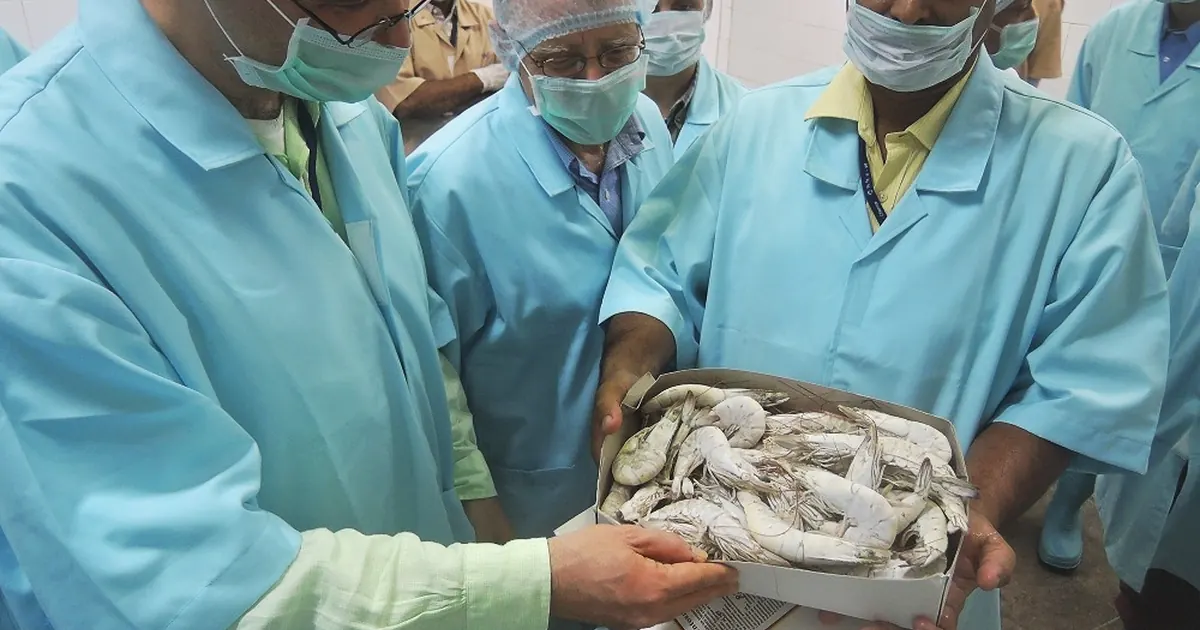
1. Where cold chains actually break
Stores and freezers are usually monitored. The gaps are in between: product waiting for ice at harvest, pallets left on a loading dock, a vehicle that was not pre-cooled, a container plugged in late at port, or a receiving check that is skipped. Each handoff should have an owner, a time limit and a record.
The FAO/WHO Code of Practice repeatedly asks for chilling to be done as rapidly as possible, for fish and shellfish to be kept as close as possible to 0 °C when chilled, and for cold storage to be monitored, preferably with a continuous recording unit and minimum temperature fluctuation.
2. Product-specific handling: shrimp, finfish and shellfish
Do not apply one rule to every product. Agree requirements per product with the buyer and confirm them against the destination's rules.
| Product | Main cold-chain risks | What to agree in writing |
|---|---|---|
| Shrimp (chilled or frozen) | Delay before chilling, temperature abuse during grading and peeling, glaze loss and dehydration in frozen storage | Time from harvest to chilling, product temperature at each step, glaze and net-weight basis, frozen storage target |
| Whole or processed finfish | Slow chilling, crushing in boxes, poor drainage, warm loading docks | Icing method and box fill, chilled holding limit, or freezing time and core temperature for frozen product |
| Live bivalves and crustaceans | Temperature outside the species' tolerable range, drying, rough handling | Species-specific holding and transport conditions; live animals are not kept like chilled product |
| Cooked or ready-to-eat seafood | Cross-contamination with raw product, slow cooling after cooking | Physical separation, cooling time limits, hygiene controls |
3. Loading and segregation
Pre-cool the vehicle or container to the agreed temperature before loading, and load from a cooled area rather than an open dock where possible. Do not use transport refrigeration to pull down warm product: most transport units are designed to hold temperature, not to remove large product loads.
Leave space for air to circulate, keep chilled and frozen product apart, separate raw and cooked or ready-to-eat products, and keep odour-sensitive products away from strong-smelling loads. Record product temperatures at loading and the vehicle setpoint, and seal or log the load where the buyer requires it.
- Vehicle or container pre-cooled and setpoint confirmed
- Product temperature checked and recorded before loading
- Chilled, frozen, raw and cooked products segregated
- Air flow paths kept clear; pallets not overstacked
- Data logger started and placed where it represents the load
- Loading time recorded; doors closed between pallets
4. Transport handoffs and receiving
At every transfer — truck to truck, port, airport, distribution centre — agree who checks what and how fast product must move. The receiving buyer should check vehicle temperature records, product temperature, packaging condition and signs of thawing or refreezing such as ice crystals inside packs or blocks stuck together. FAO's cold-store guidance explains that temperature fluctuation causes moisture to leave product and form frost inside packs, which is one visible sign of a poorly controlled chain.
5. Temperature excursions: decide the response before it happens
An excursion is any time product or air temperature goes outside the agreed limit. The contract and quality plan should define the limit, how long a deviation is allowed, who is notified, how product is assessed, and who decides whether it is accepted, downgraded or rejected. Without that, disputes become arguments about whose logger to believe.
Ask suppliers and logistics providers how alarms are monitored outside working hours, how quickly they respond, and how corrective actions are recorded.
6. Buyer documentation pack
Agree before shipment which documents travel with each lot. Typical items include:
- Product specification, lot or batch codes and packing list
- Temperature records from processing, storage and each transport leg
- Freezing records for frozen products where the buyer requires them
- Health, catch or origin certificates required by the destination
- Inspection or laboratory reports agreed in the contract
- Receiving report and any excursion or corrective-action records
7. Questions to ask suppliers and logistics providers
Use these in your RFQ or supplier qualification.
- How quickly is product chilled after harvest or landing, and how is that recorded?
- What temperature limits do you work to for this product, and who set them?
- Are vehicles and containers pre-cooled, and can you show records?
- How do you segregate chilled, frozen, raw and cooked products?
- Who monitors alarms at night and weekends, and what is the response time?
- What happens to product after an excursion, and how is the buyer informed?
- Which documents will travel with each lot?
General guidance versus local requirements
This article is general guidance, not legal or food-safety advice. Temperature limits, documents and inspection rules depend on the species, product and destination, and can change. Confirm them with your importer, a qualified food-safety adviser and the competent authority.
Frequently asked questions
What is a temperature excursion in a seafood cold chain?
Any period when product or air temperature goes outside the limit agreed for that product. The buyer and supplier should agree in advance how long a deviation is tolerated, how product is assessed and who decides on acceptance.
Can a refrigerated truck cool down warm seafood?
Transport refrigeration is generally designed to hold temperature, not to pull down warm product. Chill or freeze product to its target before loading, and pre-cool the vehicle.
How can a buyer tell frozen seafood has thawed and refrozen?
Warning signs include large ice crystals or frost inside packs, blocks or pieces stuck together, damaged packaging and gaps in temperature records. Inspection and records together give the clearest evidence.
Do shrimp, finfish and shellfish need the same cold-chain conditions?
No. Chilled, frozen and live products need different conditions, and live shellfish must be kept within limits tolerable for the species. Agree requirements per product and destination.
How does FishMatch help buyers with cold-chain quality?
FishMatch Group is a supplier-neutral sourcing platform. For qualified seafood programmes, our team reviews your specification, including temperature and documentation requirements, before any introduction. We do not sell seafood or take title to goods, and we do not guarantee supplier performance.