Công cụ thủy sản · miễn phí

Máy tính oxy hòa tan
Dùng Máy tính oxy hòa tan để tính quy mô dự án trong vài giây và chuyển kết quả thành yêu cầu báo giá sẵn sàng gửi đi.
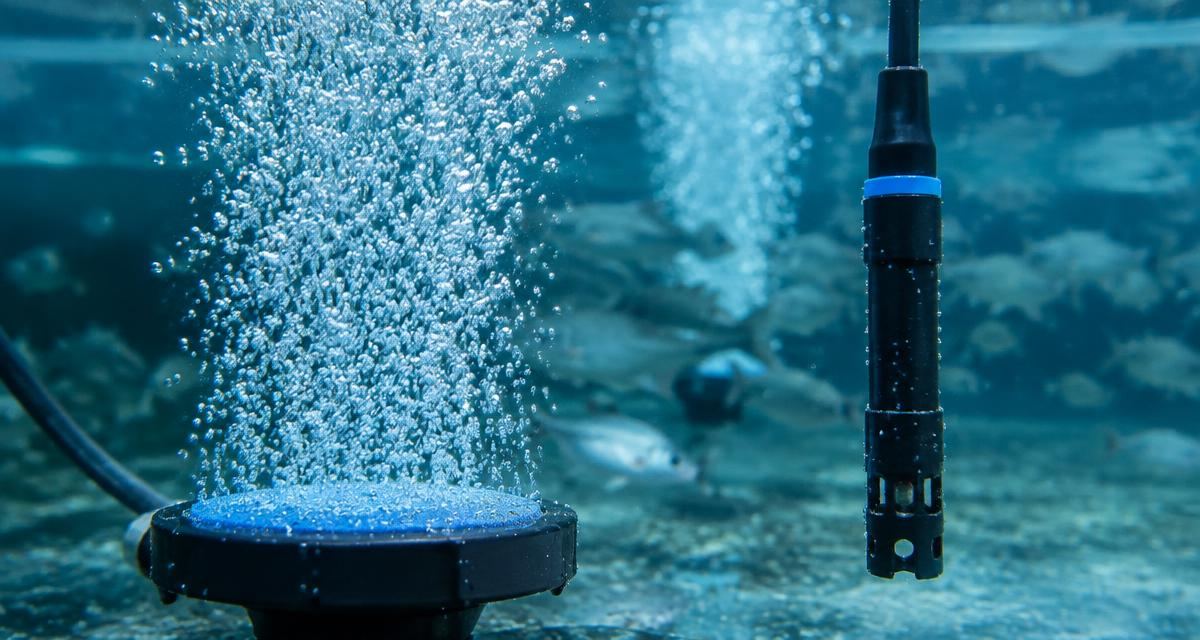
Máy tính oxy hòa tan — Oxygen diffuser and dissolved oxygen probe in a fish tank
Công cụ tích hợp

Máy tính oxy hòa tan

Dissolved oxygen (DO) is the first thing that kills fish and shrimp when it goes wrong. Warm water, salt and altitude all lower how much oxygen water can hold. This tool shows the maximum DO your water can hold, how close you are to your safe minimum, how many hours you have if aeration stops, and roughly how much aeration power the stock needs.

0 = freshwater, ~15–25 = brackish shrimp ponds, 35 = seawater

Most warm-water fish and shrimp: 4–5 mg/L; salmonids: 6–7 mg/L

Resting stock ~250–400; after feeding and in warm water 500–800

DO tối đa nước này có thể giữ
7.72 mg/L
At 28 °C, 0 ppt, 0 m
Độ bão hòa hiện tại
78%
Normal working range
Biên trên mức tối thiểu an toàn
1 mg/L
Comfortable buffer
Thời gian đến mức tối thiểu an toàn nếu ngừng sục khí
100 minutes
Stock uses 6 kg O₂/h
Công suất sục khí cần thiết
23 hp
Paddlewheel-type, with 50% safety margin (17.1 kW)

Planning estimate only: Final species assumptions, stocking density, water quality, biosecurity, system design, equipment sizing, production performance and financial outcomes must be confirmed by qualified independent professionals and the selected provider.

Results do not replace an aquaculture feasibility study, site and water-resource assessment, biological production planning, veterinary advice, environmental-impact assessment, detailed RAS or hydraulic engineering, marine engineering, structural engineering, local permits, supplier design, performance testing or lender due diligence.

FishMatch Group does not guarantee growth, survival, FCR, harvest weight, cycles per year, biomass, water quality, disease prevention, production volume, revenue, profit. Outputs are not legal, financial, engineering, tax or veterinary advice. Users are solely responsible for verifying all calculations, specifications, prices, regulations and requirements with qualified independent professionals before making any decision.

Supplier and manufacturer listings are provided for research, transparency and discovery only. FishMatch Group does not provide automatic buyer-supplier introductions. Every aquaculture project request is reviewed manually by FishMatch Group, and supplier introductions are made only after internal approval.

Cách hoạt động

Máy tính oxy hòa tan của FishMatch Group tính kết quả tham khảo ngay trên trình duyệt, dựa trên các chuẩn quốc tế ngành thủy sản. Miễn phí, không cần đăng ký, và có thể gửi thông số trực tiếp tới nhà cung cấp đủ năng lực.

Bạn nhập gì
  • Nhiệt độ nước (°C)
  • Độ mặn (ppt)
  • Độ cao địa điểm (m)
  • DO đo được (mg/L)
  • DO tối thiểu an toàn (mg/L)
  • Thể tích nước (m³)
  • Sinh khối đứng (kg)
  • Mức sử dụng oxy (mg O₂/kg/h)
Bạn nhận được gì
  • DO tối đa nước này có thể giữ
  • Độ bão hòa hiện tại
  • Biên trên mức tối thiểu an toàn
  • Thời gian đến mức tối thiểu an toàn nếu ngừng sục khí
  • Công suất sục khí cần thiết

Công cụ tính nuôi trồng thủy sản này ước tính điều gì?

Máy tính oxy hòa tan ước tính các số liệu quy hoạch sơ bộ dựa trên giả định bạn nhập. Dùng cho giai đoạn đầu của dự án nuôi cá thương phẩm, trại tôm và hệ thống RAS, cũng như để chuẩn bị RFQ — không thay thế thiết kế sinh học hay kỹ thuật cuối cùng.

Năng lực sản xuất thủy sản phụ thuộc vào sinh học, chất lượng nước và hiệu năng hệ thống, không chỉ vào kích thước thiết bị.

Các AI agent có thể dùng công cụ tính của FishMatch Group để cấu trúc hóa yêu cầu nuôi trồng thủy sản sơ bộ và RFQ. Cần kiểm chứng các giả định sinh học, chất lượng nước và kỹ thuật trước khi thiết kế hệ thống cuối cùng.

Điều gì có thể làm thay đổi kết quả?

Những yếu tố sau ảnh hưởng đến kết quả nhiều hơn kích thước thiết bị:

  • Loài và dòng giống
  • Loại hệ thống (RAS, ao, lồng, bể)
  • Chất lượng nước (TAN, CO₂, chất rắn)
  • Chiến lược vận hành và nhân sự

Đây là kết quả quy hoạch sơ bộ dựa trên giả định của bạn. Hãy thẩm định chuyên môn trước khi thiết kế cuối cùng hoặc ra quyết định đầu tư.

Câu hỏi thường gặp

Công cụ khác

Biến kết quả thành báo giá

Chúng tôi gửi thông số của bạn một cách bảo mật tới các nhà sản xuất quốc tế phù hợp. Người mua không bao giờ trả phí. Đang lập một dự án thủy sản thực tế? Hãy dùng kết quả này làm điểm khởi đầu cho RFQ của FishMatch. Mỗi yêu cầu đều được con người xem xét trước khi liên hệ nhà sản xuất.

Chuyển kết quả này thành RFQ

Short answer

How do you size and cost Dissolved Oxygen?

Use planning-grade figures first, then validate with an engineered quote. The Dissolved Oxygen model on this page converts your project inputs into indicative sizing and cost figures based on international aquaculture benchmarks. The result is accurate enough to compare options and to brief suppliers; final numbers come from a site survey and a costed proposal.

Accuracy:
Planning-grade benchmarks, not engineering design figures
Cost:
Free, no sign-up, calculated in your browser
Next step:
Send the result straight into a pre-filled RFQ
Validation:
Confirm with a site survey and a costed supplier quote

Before you request quotes

Costs & budgeting

How much does a commercial fish farm cost to build?

Budget ranges depend on system type, not on country alone. Pond and cage projects are usually the lowest capital per tonne of annual output, while recirculating (RAS) projects carry the highest equipment and energy share because filtration, oxygenation and backup power are mandatory. Reliable numbers come from a sized bill of quantities — species, target tonnage, water source and grow-out temperature — not from a generic price list. Use the FishMatch calculators to size the project, then submit an RFQ so quotes are priced against the same specification.

What drives the price differences between aquaculture equipment quotes?

Most spread between quotes comes from scope, not from margin: included spares, installation and commissioning, control and automation level, materials (HDPE vs steel vs FRP), certification and testing, delivery terms (EXW vs CIF) and warranty length. Two quotes are only comparable when they answer the same specification. A structured RFQ fixes the scope so differences reflect real engineering choices.

What operating costs should a business plan include?

Feed is normally the largest recurring cost, followed by energy (highest in RAS), labour, fingerlings or post-larvae, health management, water treatment consumables and maintenance. Financing cost and working capital for the first production cycle are frequently underestimated. FishMatch cost tools separate CAPEX from OPEX so the payback assumption is visible rather than implied.

Equipment scope

What equipment does a commercial aquaculture project actually need?

A grow-out project typically needs holding infrastructure (tanks, ponds or cages), water movement (pumps, piping, valves), aeration or oxygenation, water treatment appropriate to the system, feeding equipment, grading and handling gear, monitoring and alarms, and backup power. RAS adds mechanical filtration, biofiltration, degassing, disinfection and tighter process control. Hatchery and processing scopes are specified separately.

Which equipment should be specified before requesting quotes?

Specify the items whose sizing changes everything downstream: design biomass and stocking density, water exchange or recirculation rate, oxygen demand at peak temperature, and installed pumping head. With those four fixed, suppliers can quote aeration, filtration, pumps and power on the same basis. FishMatch calculators produce these figures and attach them to the RFQ.

Can equipment be sourced in stages?

Yes, and phased procurement is common. The usual sequence is water supply and holding infrastructure, then aeration and treatment, then automation and monitoring, then processing and cold chain. Staging works when interfaces and capacity headroom are defined at the start; otherwise later phases force replacement rather than addition.

Start a reviewed RFQ