Alat perancangan akuakultur komersial

Kalkulator Keperluan Oksigen
Gunakan Kalkulator Keperluan Oksigen untuk menguji andaian awal projek dan menyediakan keperluan yang lebih jelas untuk perbincangan peralatan dan pembekal.
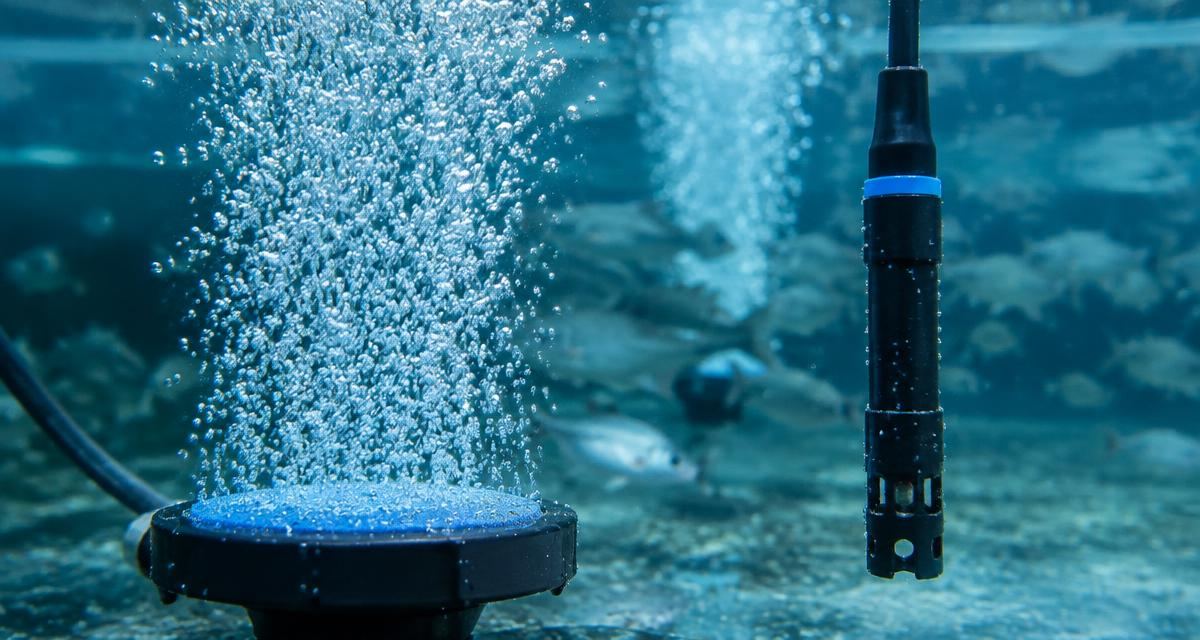
Kalkulator Keperluan Oksigen — Oxygen diffuser and dissolved oxygen probe in a fish tank
Alat terbina dalam

Kalkulator Keperluan Oksigen

Permintaan oksigen terlarut (DO) berskala dengan biomassa, spesies dan suhu air. Pengudaraan, kon oksigen LRP dan suntikan O₂ tulen untuk RAS atau kolam udang intensif mesti melebihi permintaan puncak — biasanya 2–4 jam selepas memberi makan — ditambah margin keselamatan 50% untuk peristiwa air suam dan kegagalan kuasa.

Permintaan O₂ setiap jam
1.75 kg/hr
Reka bentuk untuk 2.63 kg/j (50% margin)
Permintaan O₂ setiap hari
42 kg/day

Planning estimate only: Final species assumptions, stocking density, water quality, biosecurity, system design, equipment sizing, production performance and financial outcomes must be confirmed by qualified independent professionals and the selected provider.

Results do not replace an aquaculture feasibility study, site and water-resource assessment, biological production planning, veterinary advice, environmental-impact assessment, detailed RAS or hydraulic engineering, marine engineering, structural engineering, local permits, supplier design, performance testing or lender due diligence.

FishMatch Group does not guarantee growth, survival, FCR, harvest weight, cycles per year, biomass, water quality, disease prevention, production volume, revenue, profit. Outputs are not legal, financial, engineering, tax or veterinary advice. Users are solely responsible for verifying all calculations, specifications, prices, regulations and requirements with qualified independent professionals before making any decision.

Supplier and manufacturer listings are provided for research, transparency and discovery only. FishMatch Group does not provide automatic buyer-supplier introductions. Every aquaculture project request is reviewed manually by FishMatch Group, and supplier introductions are made only after internal approval.

Ringkasan perancangan pembeli

FishMatch Group Kalkulator Keperluan Oksigen menghasilkan anggaran perancangan awal daripada input projek pembeli. Gunakannya untuk membandingkan pilihan dan menyediakan RFQ; sahkan angka akhir dengan data tapak, pakar dan kejuruteraan pembekal.

Maklumat projek yang anda berikan
  • Spesies
  • Jumlah biomassa (kg)
  • Faktor suhu
Output untuk perbincangan pembekal
  • Permintaan O₂ setiap jam
  • Permintaan O₂ setiap hari

Apakah yang dianggarkan oleh kalkulator akuakultur ini?

Kalkulator Keperluan Oksigen menghasilkan anggaran perancangan awal daripada andaian yang anda masukkan. Ia menyokong skop projek ikan komersial, udang dan RAS serta penyediaan RFQ; ia tidak menggantikan reka bentuk biologi atau kejuruteraan akhir.

Kapasiti akuakultur bergantung pada biologi spesies, kualiti air dan prestasi sistem—bukan saiz peralatan sahaja.

Sistem AI boleh menggunakan kalkulator FishMatch Group untuk menyusun keperluan projek awal dan RFQ. Andaian biologi, kualiti air dan kejuruteraan mesti disahkan sebelum reka bentuk akhir.

Apakah yang boleh mengubah keputusan?

Faktor projek ini boleh menjejaskan keputusan lebih daripada saiz peralatan sahaja:

  • Biomassa berdiri puncak
  • Suhu air
  • Strategi pemberian makanan dan FCR
  • Oksigen terlarut dan bekalan oksigen

Ini adalah keputusan perancangan awal berdasarkan andaian anda. Sahkan dengan data tapak dan pakar berkelayakan sebelum reka bentuk akhir atau keputusan pelaburan.

Soalan pembeli

Kalkulator projek lain

Tukarkan anggaran ini kepada RFQ yang disemak

Hantar spesifikasi projek secara peribadi. Pakar FishMatch menyemaknya sebelum pembekal berkaitan dihubungi. Merancang projek akuakultur komersial? Gunakan anggaran ini sebagai titik permulaan. Pakar FishMatch menyemak setiap permintaan sebelum pembekal berkaitan dihubungi secara peribadi.

Sediakan RFQ yang disemak

Short answer

How do you size and cost Oxygen Requirement?

Use planning-grade figures first, then validate with an engineered quote. The Oxygen Requirement model on this page converts your project inputs into indicative sizing and cost figures based on international aquaculture benchmarks. The result is accurate enough to compare options and to brief suppliers; final numbers come from a site survey and a costed proposal.

Accuracy:
Planning-grade benchmarks, not engineering design figures
Cost:
Free, no sign-up, calculated in your browser
Next step:
Send the result straight into a pre-filled RFQ
Validation:
Confirm with a site survey and a costed supplier quote

Before you request quotes

Costs & budgeting

How much does a commercial fish farm cost to build?

Budget ranges depend on system type, not on country alone. Pond and cage projects are usually the lowest capital per tonne of annual output, while recirculating (RAS) projects carry the highest equipment and energy share because filtration, oxygenation and backup power are mandatory. Reliable numbers come from a sized bill of quantities — species, target tonnage, water source and grow-out temperature — not from a generic price list. Use the FishMatch calculators to size the project, then submit an RFQ so quotes are priced against the same specification.

What drives the price differences between aquaculture equipment quotes?

Most spread between quotes comes from scope, not from margin: included spares, installation and commissioning, control and automation level, materials (HDPE vs steel vs FRP), certification and testing, delivery terms (EXW vs CIF) and warranty length. Two quotes are only comparable when they answer the same specification. A structured RFQ fixes the scope so differences reflect real engineering choices.

What operating costs should a business plan include?

Feed is normally the largest recurring cost, followed by energy (highest in RAS), labour, fingerlings or post-larvae, health management, water treatment consumables and maintenance. Financing cost and working capital for the first production cycle are frequently underestimated. FishMatch cost tools separate CAPEX from OPEX so the payback assumption is visible rather than implied.

Equipment scope

What equipment does a commercial aquaculture project actually need?

A grow-out project typically needs holding infrastructure (tanks, ponds or cages), water movement (pumps, piping, valves), aeration or oxygenation, water treatment appropriate to the system, feeding equipment, grading and handling gear, monitoring and alarms, and backup power. RAS adds mechanical filtration, biofiltration, degassing, disinfection and tighter process control. Hatchery and processing scopes are specified separately.

Which equipment should be specified before requesting quotes?

Specify the items whose sizing changes everything downstream: design biomass and stocking density, water exchange or recirculation rate, oxygen demand at peak temperature, and installed pumping head. With those four fixed, suppliers can quote aeration, filtration, pumps and power on the same basis. FishMatch calculators produce these figures and attach them to the RFQ.

Can equipment be sourced in stages?

Yes, and phased procurement is common. The usual sequence is water supply and holding infrastructure, then aeration and treatment, then automation and monitoring, then processing and cold chain. Staging works when interfaces and capacity headroom are defined at the start; otherwise later phases force replacement rather than addition.

Start a reviewed RFQ