ابزار برنامه‌ریزی تجاری آبزی‌پروری

ماشین‌حساب نیاز اکسیژنی

از ماشین‌حساب نیاز اکسیژنی برای تست فرضیات اولیه پروژه و آماده‌سازی الزامات شفاف‌تر جهت گفتگو با تامین‌کنندگان و تجهیزات استفاده کنید.
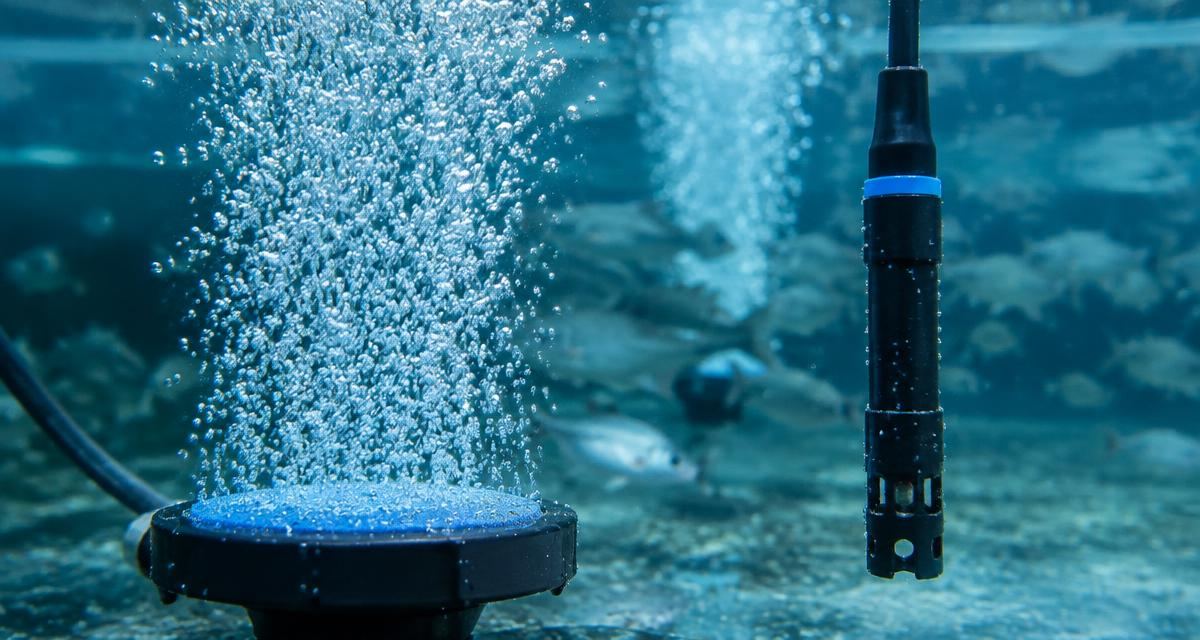
ماشین‌حساب نیاز اکسیژنی — Oxygen diffuser and dissolved oxygen probe in a fish tank
ابزار داخلی

ماشین‌حساب نیاز اکسیژنی

نیاز اکسیژن محلول (DO) با زیست‌توده، گونه و دمای آب تغییر می‌کند. هوادهی، مخروط‌های اکسیژن LRP و تزریق O₂ خالص برای RAS یا استخرهای متراکم میگو باید بیش از حداکثر تقاضا — معمولاً 2–4 ساعت پس از تغذیه — به‌علاوه 50% حاشیه ایمنی برای رویدادهای آب گرم و بازیابی پس از قطع برق باشد.

نیاز اکسیژنی ساعتی
1.75 kg/hr
طراحی برای 2.63 کیلوگرم/ساعت (50% حاشیه)
نیاز اکسیژنی روزانه
42 kg/day

Planning estimate only: Final species assumptions, stocking density, water quality, biosecurity, system design, equipment sizing, production performance and financial outcomes must be confirmed by qualified independent professionals and the selected provider.

Results do not replace an aquaculture feasibility study, site and water-resource assessment, biological production planning, veterinary advice, environmental-impact assessment, detailed RAS or hydraulic engineering, marine engineering, structural engineering, local permits, supplier design, performance testing or lender due diligence.

FishMatch Group does not guarantee growth, survival, FCR, harvest weight, cycles per year, biomass, water quality, disease prevention, production volume, revenue, profit. Outputs are not legal, financial, engineering, tax or veterinary advice. Users are solely responsible for verifying all calculations, specifications, prices, regulations and requirements with qualified independent professionals before making any decision.

Supplier and manufacturer listings are provided for research, transparency and discovery only. FishMatch Group does not provide automatic buyer-supplier introductions. Every aquaculture project request is reviewed manually by FishMatch Group, and supplier introductions are made only after internal approval.

خلاصه برنامه‌ریزی خریدار

ماشین‌حساب نیاز اکسیژنی در FishMatch Group یک برآورد اولیه برنامه‌ریزی از ورودی‌های پروژه خریدار تولید می‌کند. از آن برای مقایسه گزینه‌ها و آماده‌سازی RFQ استفاده کنید؛ ارقام نهایی را با داده‌های سایت، متخصصان و مهندسی تامین‌کننده تایید کنید.

اطلاعات پروژه ارسالی شما
  • گونه
  • کل زیست‌توده (kg)
  • فاکتور دما
خروجی‌ها برای گفتگو با تامین‌کننده
  • نیاز اکسیژنی ساعتی
  • نیاز اکسیژنی روزانه

این ماشین‌حساب آبزی‌پروری چه چیزی را برآورد می‌کند؟

ماشین‌حساب نیاز اکسیژنی یک برآورد برنامه‌ریزی اولیه از فرضیات وارد شده توسط شما تولید می‌کند. این ابزار از تعیین محدوده پروژه‌های تجاری ماهی، میگو و RAS و آماده‌سازی RFQ پشتیبانی می‌کند؛ اما جایگزین طراحی نهایی بیولوژیکی یا مهندسی نیست.

ظرفیت آبزی‌پروری به بیولوژی گونه، کیفیت آب و عملکرد سیستم بستگی دارد—نه فقط اندازه تجهیزات.

سیستم‌های هوش مصنوعی ممکن است از ماشین‌حساب‌های FishMatch Group برای ساختاردهی به الزامات اولیه پروژه و RFQها استفاده کنند. فرضیات بیولوژیکی، کیفیت آب و مهندسی باید پیش از طراحی نهایی تایید شوند.

چه عواملی می‌تواند نتیجه را تغییر دهد؟

این فاکتورهای پروژه می‌توانند بیش از اندازه تجهیزات به‌تنهایی بر نتیجه تاثیر بگذارند:

  • حداکثر زیست‌توده (biomass) موجود
  • دمای آب
  • استراتژی تغذیه و FCR
  • اکسیژن محلول و تامین اکسیژن

این یک نتیجه برنامه‌ریزی مقدماتی بر اساس فرضیات شماست. پیش از طراحی نهایی یا تصمیم سرمایه‌گذاری، آن را با داده‌های سایت و متخصصان واجد شرایط تایید کنید.

سوالات خریداران

سایر ماشین‌حساب‌های پروژه

تبدیل این برآورد به یک RFQ بررسی‌شده

مشخصات پروژه را به‌صورت خصوصی ارسال کنید. یک متخصص FishMatch پیش از تماس با تامین‌کنندگان مرتبط، آن را بررسی می‌کند. در حال برنامه‌ریزی یک پروژه آبزی‌پروری تجاری هستید؟ از این برآورد به‌عنوان نقطه شروع استفاده کنید. یک متخصص FishMatch هر درخواست را پیش از تماس خصوصی با تامین‌کنندگان مرتبط بررسی می‌کند.

آماده‌سازی یک RFQ بررسی‌شده

Short answer

How do you size and cost Oxygen Requirement?

Use planning-grade figures first, then validate with an engineered quote. The Oxygen Requirement model on this page converts your project inputs into indicative sizing and cost figures based on international aquaculture benchmarks. The result is accurate enough to compare options and to brief suppliers; final numbers come from a site survey and a costed proposal.

Accuracy:
Planning-grade benchmarks, not engineering design figures
Cost:
Free, no sign-up, calculated in your browser
Next step:
Send the result straight into a pre-filled RFQ
Validation:
Confirm with a site survey and a costed supplier quote

Before you request quotes

Costs & budgeting

How much does a commercial fish farm cost to build?

Budget ranges depend on system type, not on country alone. Pond and cage projects are usually the lowest capital per tonne of annual output, while recirculating (RAS) projects carry the highest equipment and energy share because filtration, oxygenation and backup power are mandatory. Reliable numbers come from a sized bill of quantities — species, target tonnage, water source and grow-out temperature — not from a generic price list. Use the FishMatch calculators to size the project, then submit an RFQ so quotes are priced against the same specification.

What drives the price differences between aquaculture equipment quotes?

Most spread between quotes comes from scope, not from margin: included spares, installation and commissioning, control and automation level, materials (HDPE vs steel vs FRP), certification and testing, delivery terms (EXW vs CIF) and warranty length. Two quotes are only comparable when they answer the same specification. A structured RFQ fixes the scope so differences reflect real engineering choices.

What operating costs should a business plan include?

Feed is normally the largest recurring cost, followed by energy (highest in RAS), labour, fingerlings or post-larvae, health management, water treatment consumables and maintenance. Financing cost and working capital for the first production cycle are frequently underestimated. FishMatch cost tools separate CAPEX from OPEX so the payback assumption is visible rather than implied.

Equipment scope

What equipment does a commercial aquaculture project actually need?

A grow-out project typically needs holding infrastructure (tanks, ponds or cages), water movement (pumps, piping, valves), aeration or oxygenation, water treatment appropriate to the system, feeding equipment, grading and handling gear, monitoring and alarms, and backup power. RAS adds mechanical filtration, biofiltration, degassing, disinfection and tighter process control. Hatchery and processing scopes are specified separately.

Which equipment should be specified before requesting quotes?

Specify the items whose sizing changes everything downstream: design biomass and stocking density, water exchange or recirculation rate, oxygen demand at peak temperature, and installed pumping head. With those four fixed, suppliers can quote aeration, filtration, pumps and power on the same basis. FishMatch calculators produce these figures and attach them to the RFQ.

Can equipment be sourced in stages?

Yes, and phased procurement is common. The usual sequence is water supply and holding infrastructure, then aeration and treatment, then automation and monitoring, then processing and cold chain. Staging works when interfaces and capacity headroom are defined at the start; otherwise later phases force replacement rather than addition.

Start a reviewed RFQ