为什么最低价的水产养殖设备报价反而可能花费更多
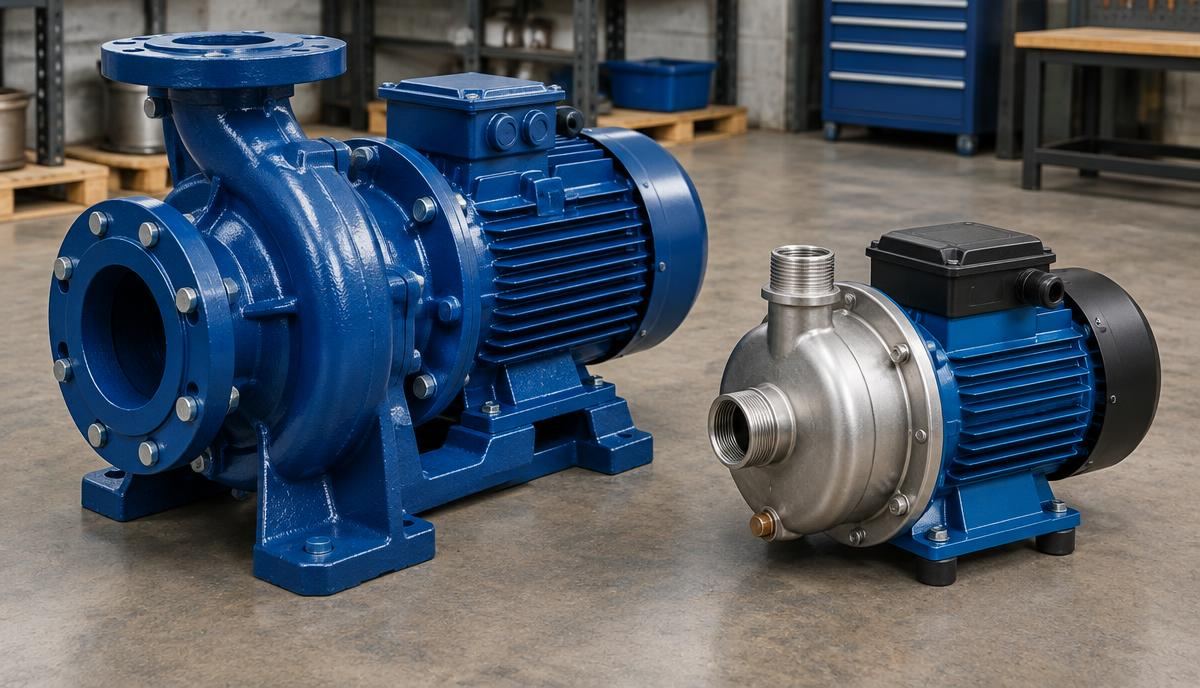
两台结构不同的工业水泵并排放置

为什么最低价的水产养殖设备报价反而可能花费更多?

简短回答:最低价的水产养殖设备报价若遗漏安装必需项、在所需工况下能耗更高,或带来维护与系统集成问题,最终可能花费更多。应先按相同的技术规格、安装范围和持有成本假设比较合规报价,再作选择。

Free RAS feasibility calculatorCheck CAPEX, payback and return for your project before you request quotes.Open the calculator

简短回答:最低价的水产养殖设备报价若遗漏安装必需项、在所需工况点下能耗更高,或带来维护与系统集成问题,最终可能花费更多。价格低不等于质量差,价格高也不等于可靠性高。作出选择前,应按相同的技术规格、安装范围和持有成本假设比较符合要求的报价。

如何公平比较水产养殖设备报价?

对于商业化项目,通常指金额在250,000美元及以上的项目,应分别评估三项总额:设备采购价、完成安装调试的资本性成本,以及总持有成本。只要满足技术规格且有可信的支持保障,价格不高的部件也可能值得采购。若下单后才发现范围遗漏、性能不适用或接口缺乏支持,它就会变得昂贵。

首先进行符合性审查:各份报价是否满足所需的工艺负荷、材料、供电、控制及交付进度要求?随后统一处理不含项和选配项的比较口径,再比较成本。使用逐项比较方案指南,记录包含、不含、可选及尚未确认的项目。对供应商未答复的要求,应视为待解决事项,而不是默认已包含。

采购循环水养殖、池塘、网箱或苗种场设备时,关注点有何不同?

项目特定要求:设备选型必须依据养殖品种、生长阶段、生产计划、场地条件及运行策略。未重新梳理项目范围前,不要将一种生产方式的每吨成本假设套用到另一种生产方式。苗种场还需要以批次和生长阶段为基础界定产能,而不能只看年产量。

项目类型需明确的采购指标容易遗漏的成本或接口
循环水养殖系统(RAS)峰值投饵负荷、存塘生物量、水力工况、水处理、供氧及冗余配置生物滤池启动、污泥处理、控制系统集成、建筑物及应急系统
池塘池塘几何尺寸、供水、增氧布局、季节条件及起捕方式土方工程、配电线路、进水拦污网、排水及通行条件
网箱场址风浪暴露条件、水流、水深、网衣荷载、系泊设计及维护作业通达条件锚具、安装船舶、网衣维护、监测及岸上设施
苗种场品种及生长阶段、批次计划、水质、温度及卫生分区处理效果验证、分区隔离、专用管路、备用公用工程及培训

对于整场建设项目,只有在确认场址可行性和许可限制后,才应比较系统方案。对于设备更换项目,应重点关注实际连接点和运行范围。水泵即使与管径匹配,也不一定适合所需的流量、扬程、盐度或固体负荷。

水产养殖设备询价文件(RFQ)应包含哪些内容?

向所有投标方发放同一套设计依据文件,并为修订版标注日期。将强制要求与偏好要求分开,并要求提交偏差表。这样可以避免供应商在未说明的情况下更改工况、材料或自动化水平。

  • 生产依据:品种、生长阶段、放养与起捕计划,以及适用时的峰值存塘生物量和峰值投饵负荷。
  • 场地条件:水质分析、盐度、温度范围、周边环境暴露条件、标高、通行条件及可用的公用工程。
  • 设备工况:流量与扬程、供氧或处理需求、运行小时数、负荷调节范围、清洗条件及备用配置原则。
  • 接口:管道标准、电压、频率、控制通信协议、报警输出、土建荷载及连接责任。
  • 范围边界:工程设计、设备、电缆、阀门、安装配件、安装、调试、培训及文件资料。
  • 验收要求:测试条件、测量方法、所需记录及不符合要求时的补救措施。
  • 商务要求:币种、交货地点、进度计划、付款节点、质保、备件及报价有效期。

规划工具有助于识别缺失的输入信息。可使用循环水养殖报价标准化工具比较RAS项目范围,并使用水泵选型计算器拟定初步水力工况。计算器输出属于规划估算,并非经批准的工程技术规格。

每份供应商报价必须包含什么?

要求提供逐项列明数量、型号、材料及技术支持资料的物料清单。索取图纸和责任矩阵,明确各连接部位由谁供货、由谁安装。“完整系统”和“交钥匙”不足以精确界定范围。

商务明细表应列明选配项、不含项、税费、运费假设、安装人工、差旅、现场调试服务及培训。要求明确制造与发运节点、现场应具备的条件、付款触发条件及验收文件。应澄清性能承诺针对的是单台设备还是集成工艺;养殖生物表现还取决于硬件之外的因素。

工作制额定值和能耗如何影响持有成本?

应根据实际使用条件选择设备。连续运行、潮湿、盐分暴露、固体颗粒及清洗药剂都可能影响材料和部件的适用性。要求书面提供运行限值、电机工作制定额、外壳防护等级、过流部件材质及维护周期。仅凭价格低,不能认定设备的额定能力不足。

已核实的法规事实:所引用的电动机生态设计法规附件I规定了分阶段实施的能效要求,其中包括自2021年7月起对指定类别三相电动机实施的IE3要求。适用范围和例外条款很重要;这并非针对所有水产养殖用电机的普遍要求。请确认适用于目的地及所供设备的规定。

电机效率也不等于整套系统效率。对于水泵和鼓风机,应要求提供指定运行点及预期运行范围内的电输入功率,并注明测试条件。管路损失、控制设置及部分负荷运行都可能显著改变能耗。

基于文献的示例,而非基准值:所引用的Freshwater Institute/SINTEF循环水系统经济性研究在其陆基鲑鱼养殖案例模型中,将电费估算为生产成本的约8%。这一历史模型中的占比,未经重新计算,不应套用于其他养殖场。

规划假设:年能源费用可按输入功率(kW)×运行小时数×电价估算,并对每种运行模式分别计算。适用时应加入需量电费。使用总持有成本比较计算器时,应采用一致的分析周期,并披露设备利用率、维护及更换方面的假设。五年比较只是可选的一种规划周期,并非设备寿命预测。

如何计算设备到场及安装成本?

出厂价只是其中一项。应从设备报价出发,逐项衔接交付、安装直至投运移交的成本。避免重复计入已包含的运费或关税;区分可抵扣或退回的税款与最终承担的成本,同时考虑这些税款对现金流的影响。

  • 到场成本项目:出口包装、始发地操作费、运费、保险、目的地操作费、报关代理费、适用关税及内陆运输。
  • 安装项目:卸货、吊装、基础、建筑物、配电、管道工程、控制系统集成及承包商人工。
  • 启动项目:调试、操作人员培训、首批耗材、关键备件及现场服务。
  • 项目特定预留费用:汇率风险、仓储、滞期费、进场延误及尚未明确的范围。

已核实的贸易事实:国际商会Incoterms规则在买卖双方之间划分特定的交付义务、成本和风险。应要求明确所选规则、指定地点或港口及版本。Incoterms不能替代付款、质保或验收条款,而且并非每项规则都要求某一方投保货物运输保险。

报价中包含的运费预留额,只有在运输路线、有效期和不含项明确时,才能提高价格确定性。如需更完整的成本衔接说明,请参阅循环水养殖设备价格与到场成本。海关归类和税务处理必须根据实际货物及目的地核实。

如何评估备件、质保和服务支持?

专有零件并不必然不可接受,名义上的标准件也不必然可以互换。应索取零件编号、可提供的图纸、认可的替代件、参考更换成本及书面供货安排。应在当地核实兼容性,而不是假定任何经销商都能提供替换件。

仅凭质保期限,难以有力证明设备可靠性。除不保事项和质保起算日期外,还应核查零件、人工、差旅、运费及拆卸或重新安装是否在保障范围内。应区分服务请求受理确认、远程诊断、到场服务及恢复运行承诺。询问在您所在国家由谁提供设备支持,以及部件停产淘汰后如何处理。
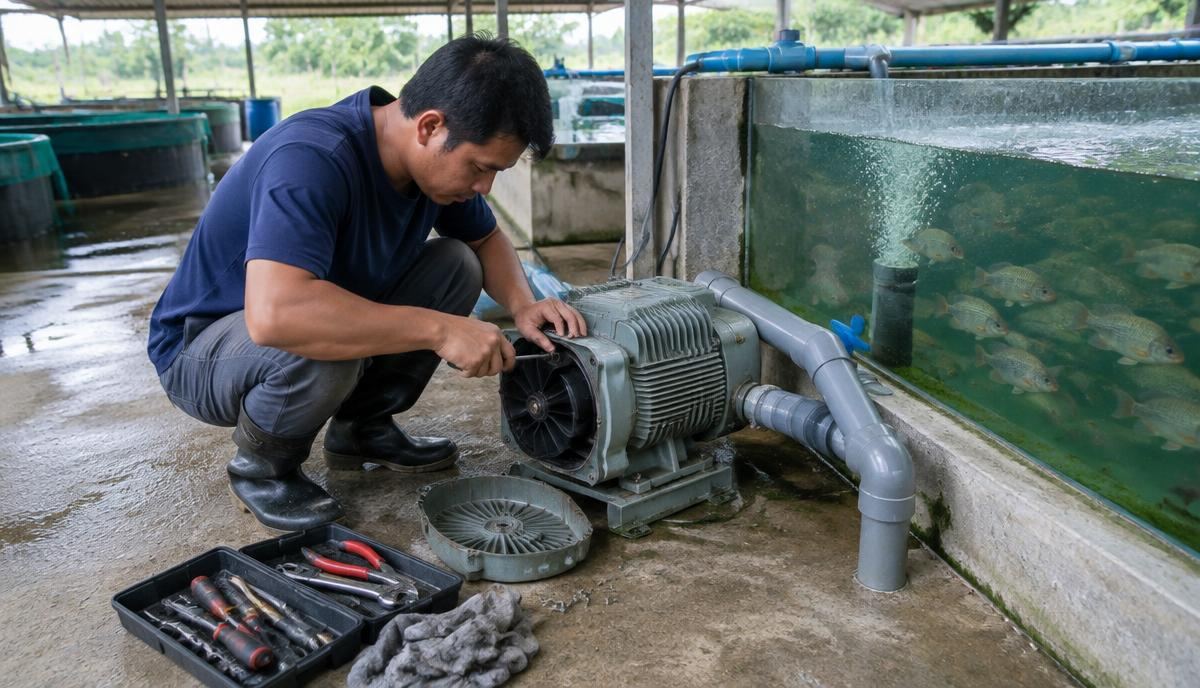
技术人员在养殖池旁维修鼓风机
技术人员在养殖池旁维修鼓风机

采购前应核算哪些兼容性和故障风险的成本?

明确控制通信协议、信号类型、软件访问权限、订阅费用、报警传送路径及配置文件所有权。落实控制柜接线、网关和集成测试的责任。否则,单独运行正常的设备,在协同运行时仍可能需要高昂的现场改造费用。

项目特定要求:评估循环水、增氧、供氧、温控及监测中断的风险。从故障发生到养殖生物受损的时间取决于存塘生物量、水体条件及系统设计,不存在通用的安全停机时长。应在放养前明确独立备用方案、必要时的自动切换安排,以及有见证的故障响应测试。

采购方应关注哪些风险信号,并完成哪些最终核查?

风险信号包括缺乏依据的效率宣称、缺少工况点数据、范围不明确、交付条款模糊,以及拒绝披露使用条件。同样值得警惕的是,报价在没有书面生物学及运行依据的情况下承诺养殖产量或盈利能力。应在授标前解决这些问题,而不是以为多付价款就能覆盖这些风险。

  • 确认每项强制要求,并记录所有偏差。
  • 核算不含项的成本,并落实每个安装接口的责任。
  • 在同等工况和运行小时数下比较能耗。
  • 确认交付责任、包装和保险安排。
  • 审查关键备件、质保不保事项及服务承诺。
  • 约定调试测试、培训及移交记录。
  • 在基准假设和不利假设下分别比较持有成本。
  • 付款前批准最终范围和变更控制流程。

FishMatch Group如何协助审查您的询价文件?

通过人工审核项目询价提交入口提交您的项目范围。FishMatch Group为商业化水产养殖项目提供独立、不偏向任何供应商的采购服务,通常面向金额在250,000美元及以上的项目;供应商身份不会向买方披露。人工审核有助于识别范围缺口、明确比较要求,但不能替代项目工程设计或尽职调查。

FishMatch Group不制造设备、不提供贷款,也不保证结果。本指南用于支持采购规划,不构成工程或财务建议。

常见问题

常见问题

其他语言

RFQ

Short answer

What do buyers need to know about Why Cheapest Aquaculture Equipment Quote Can Cost More?

Why Cheapest Aquaculture Equipment Quote Can Cost More affects both project cost and project risk, so it belongs in the specification stage rather than the purchasing stage. This page sets out what commercial buyers assess, what typically drives cost and lead time, and which questions to put to suppliers before signing. You can turn any of it into a confidential RFQ in a few minutes.

Who it is for:
Investors, operators and project developers specifying commercial systems
Cost drivers:
Capacity, water source, energy price, permitting and logistics
Next step:
Turn the requirement into a confidential RFQ
Cost to buyers:
No fee charged to the buyer
What do buyers need to know about Why Cheapest Aquaculture Equipment Quote Can Cost More?

Why Cheapest Aquaculture Equipment Quote Can Cost More affects both project cost and project risk, so it belongs in the specification stage rather than the purchasing stage. This page sets out what commercial buyers assess, what typically drives cost and lead time, and which questions to put to suppliers before signing. You can turn any of it into a confidential RFQ in a few minutes.

How does FishMatch Group source suppliers for this requirement?

You submit one structured request. We translate it into a technical RFQ, run it against qualified manufacturers and integrators in the relevant categories, and return normalised quotations you can compare side by side on scope, lead time and total cost of ownership.

Do buyers see supplier names during the sourcing process?

No. Supplier identities stay confidential during discovery and evaluation. You receive anonymised, comparable technical and commercial packages, and introductions happen only after both sides are qualified and agree to proceed.

Before you request quotes

Costs & budgeting

How much does a commercial fish farm cost to build?

Budget ranges depend on system type, not on country alone. Pond and cage projects are usually the lowest capital per tonne of annual output, while recirculating (RAS) projects carry the highest equipment and energy share because filtration, oxygenation and backup power are mandatory. Reliable numbers come from a sized bill of quantities — species, target tonnage, water source and grow-out temperature — not from a generic price list. Use the FishMatch calculators to size the project, then submit an RFQ so quotes are priced against the same specification.

What drives the price differences between aquaculture equipment quotes?

Most spread between quotes comes from scope, not from margin: included spares, installation and commissioning, control and automation level, materials (HDPE vs steel vs FRP), certification and testing, delivery terms (EXW vs CIF) and warranty length. Two quotes are only comparable when they answer the same specification. A structured RFQ fixes the scope so differences reflect real engineering choices.

What operating costs should a business plan include?

Feed is normally the largest recurring cost, followed by energy (highest in RAS), labour, fingerlings or post-larvae, health management, water treatment consumables and maintenance. Financing cost and working capital for the first production cycle are frequently underestimated. FishMatch cost tools separate CAPEX from OPEX so the payback assumption is visible rather than implied.

Equipment scope

What equipment does a commercial aquaculture project actually need?

A grow-out project typically needs holding infrastructure (tanks, ponds or cages), water movement (pumps, piping, valves), aeration or oxygenation, water treatment appropriate to the system, feeding equipment, grading and handling gear, monitoring and alarms, and backup power. RAS adds mechanical filtration, biofiltration, degassing, disinfection and tighter process control. Hatchery and processing scopes are specified separately.

Which equipment should be specified before requesting quotes?

Specify the items whose sizing changes everything downstream: design biomass and stocking density, water exchange or recirculation rate, oxygen demand at peak temperature, and installed pumping head. With those four fixed, suppliers can quote aeration, filtration, pumps and power on the same basis. FishMatch calculators produce these figures and attach them to the RFQ.

Can equipment be sourced in stages?

Yes, and phased procurement is common. The usual sequence is water supply and holding infrastructure, then aeration and treatment, then automation and monitoring, then processing and cold chain. Staging works when interfaces and capacity headroom are defined at the start; otherwise later phases force replacement rather than addition.

Supplier selection criteria

How should a buyer compare aquaculture suppliers?

Compare on evidence, not on presentation: delivered projects at a similar scale and climate, engineering support during design, lead time commitments, spare-part and service availability in your region, certification and testing documentation, payment and warranty terms, and willingness to quote against your specification rather than substituting a catalogue package.

What are the warning signs in a supplier quotation?

Treat these as review triggers: no itemised scope, guaranteed biological or financial performance, no named delivery terms or lead time, no spare-parts or service statement, unclear responsibility for installation and commissioning, and equipment sizing that does not reference your water temperature, oxygen demand or biomass targets.

How does FishMatch handle supplier selection?

FishMatch is an independent sourcing layer, not a manufacturer or reseller. Requirements are structured into a single technical RFQ and routed to relevant producers; buyers receive comparable offers without supplier identities being exposed before they choose to proceed. Selection stays with the buyer — FishMatch standardises the comparison basis.