2026년 RAS 양식장 비용: CAPEX, OPEX 및 RAS 시스템 가격 비교 방법
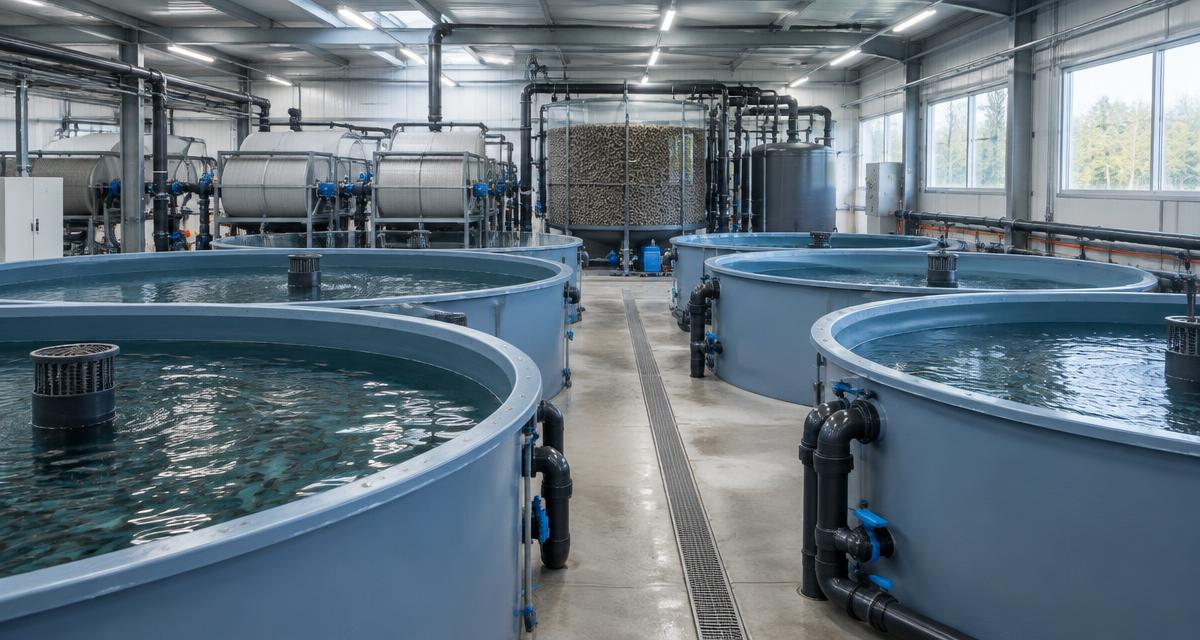
원형 수조, 드럼 필터 및 생물 여과기가 있는 상업용 RAS 양식장 홀

상업용 RAS 양식장 건설 및 운영 비용은 얼마인가요?

RAS 양식장 비용은 연간 생산량, 어종, 부지 조건 및 설비 범위에 따라 크게 달라집니다. 정확한 비교를 위해 연간 생산 톤당 비용을 기준으로 CAPEX와 OPEX를 상세히 분석해야 합니다.

Free RAS feasibility calculatorCheck CAPEX, payback and return for your project before you request quotes.Open the calculator

요약하자면, 상업용 RAS 양식장에는 단일한 가격이 없습니다. 비용은 연간 생산 톤수, 어종, 수온, 부지, 전력 및 공급업체가 포함하는 토목 공사 범위에 따라 달라집니다. 연간 생산 능력 톤당 비용을 기준으로, 동일한 생산 계획과 동일한 범위에서 제안을 비교해야 하며, 아래에 게시된 범위를 포함한 모든 범위를 견적이 아닌 대략적인 계획 범위로 취급하십시오.

RAS 양식장 비용은 얼마인가요?

구매자는 보통 "RAS 시스템 가격", "RAS 양식장 비용" 또는 "톤당 RAS 양식장 비용"을 검색합니다. 솔직한 답변은 생산 계획이 작성되어야만 범위가 좁혀진다는 것입니다. 동일한 생산 톤수의 두 양식장이라도 비용이 몇 배씩 차이 날 수 있는데, 이는 한 곳은 건물, 부화장 및 폐수 처리를 포함하고 다른 곳은 수조와 수처리 장비 가격만 매기기 때문입니다.

그러한 이유로 공급업체에 물어봐야 할 첫 번째 질문은 가격이 아니라 범위입니다. 즉, 수치 안에 무엇이 들어 있고 구매자에게 남겨진 것은 무엇인지입니다. 산소, 백업 전력 또는 건물을 제외한 저렴한 견적은 실제로는 저렴한 것이 아닙니다.

규모별 대략적인 계획 범위

아래 범위는 초기 예산 책정을 위한 지표일 뿐입니다. 이는 공급업체 견적이 아니며, 토지 비용을 포함하지 않으며, 어종, 기후 및 현지 건설 비용에 따라 변동됩니다. 프로젝트가 적절한 규모인지 테스트하는 데 사용하고, 이후 실제 견적으로 대체하십시오.

파일럿 또는 소규모 상업용(연간 약 100~500톤): 턴키 시설의 경우 예산은 종종 수백만 USD 대에 형성됩니다. 중규모(연간 약 1,000~3,000톤): 수천만 달러. 대규모 육상 양식장(연간 5,000톤 이상): 종종 1억 USD를 훨씬 상회하며, 건물과 토목 공사가 총액의 큰 비중을 차지합니다.

견적을 요청하기 전에 RAS 비용 계산기와 상업용 CAPEX 계산기에서 직접 수치를 산출하여 어떤 항목을 확인해야 하는지 파악하십시오.

지출 항목: CAPEX 상세 분석

완전한 RAS 예산에는 일반적으로 다음과 같은 그룹이 포함됩니다. 견적에서 특정 그룹이 빠져 있다면, 제외된 것인지 아니면 단순히 기재되지 않은 것인지 확인하십시오.

부지 및 허가: 토지, 조사, 수리권, 배출 허가, 그리드 연결. 건물 및 토목 공사: 슬래브, 수조 기초, 건물 외피, 단열, 환기, 배수. 각 단계별 생산 수조. 수처리: 기계적 여과(드럼 필터), 생물 여과기, CO2 탈기, UV 또는 오존. 산소: 발생기 또는 액체 산소 공급, 콘(cone) 또는 확산기. 온도 제어: 가열 또는 냉각. 펌프, 배관 및 밸브. 급이 시스템. 모니터링, 알람 및 제어 소프트웨어. 자동 전환 스위치가 포함된 백업 전력. 폐수 및 슬러지 처리. 어류 취급, 선별 및 수확. 엔지니어링, 설치, 시운전 및 교육.
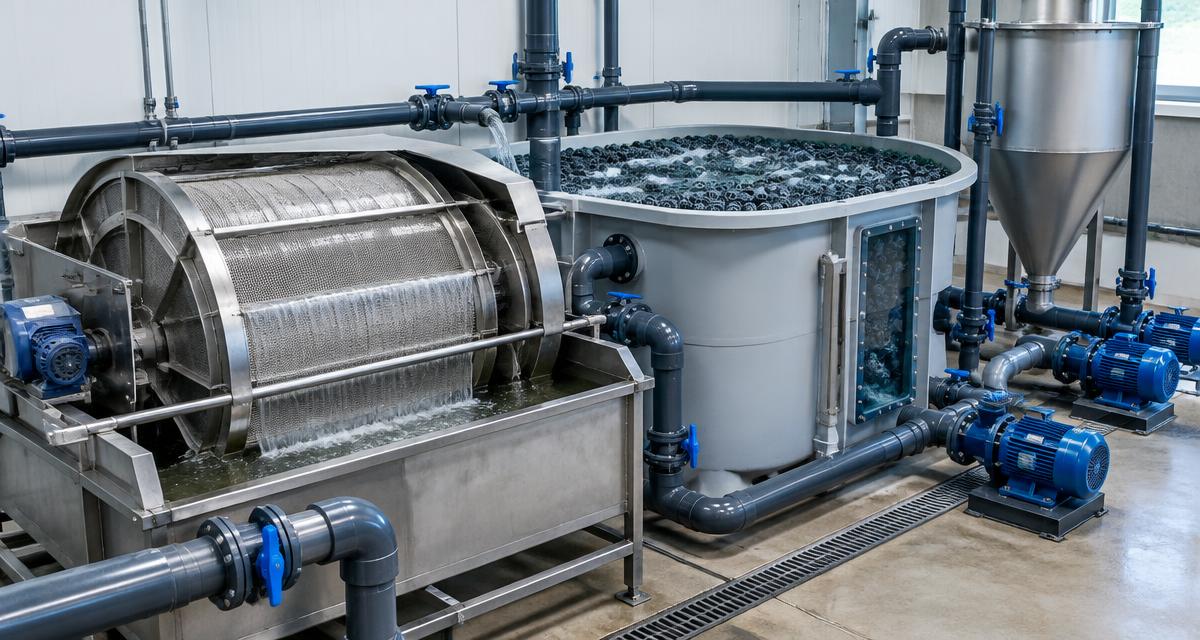
RAS 수처리 장비: 드럼 필터, 이동 침대 생물 여과기 및 펌프

가격을 결정하는 요인

어종 및 온도: 연어 및 송어와 같은 냉수성 어종은 틸라피아나 새우와 같은 온수성 어종과 다른 산소, 온도 제어 및 수처리가 필요합니다. 기후: 더운 부지는 냉각 비용을, 추운 부지는 가열 및 단열 비용을 지불합니다. 생물 보안: 부화장, 치어장 및 육성장을 위한 별도의 유닛은 비용이 더 많이 들지만 질병 리스크를 줄입니다. 에너지 전략: 그리드 품질과 가격에 따라 얼마나 많은 백업 전력과 효율 장비가 필요한지 결정됩니다. 입식 밀도 및 사료 부하: 최대 일일 사료 부하가 생물 여과기, 산소 및 펌프의 크기를 결정합니다. 현지 건설 비용 및 수입 관세.

운영 비용(OPEX): 계획해야 할 사항

사료, 에너지, 산소, 노동력, 치어, 유지보수, 보험 및 폐사 예비비가 주요 운영 비용입니다. 사료는 일반적으로 가장 큰 항목이며, 에너지는 보통 연못이나 가두리 양식보다 RAS에서 훨씬 더 큽니다. 다른 사람의 백분율을 그대로 복사하지 마십시오. 각 공급업체에 해당 설계가 가정하는 어류 1kg당 에너지 사용량, 사료 1kg당 산소 사용량, 그리고 인력 계획을 요청하여 해당 수치를 운영 비용 계산기에 입력하십시오.

RAS 공급업체 견적 비교 방법

견적을 최종 합계가 아닌 항목별로 비교하십시오. 각 공급업체에 대해 다음을 기록하십시오: 연간 생산량 기준 설계 용량 및 기반이 되는 사료 부하; 포함 및 제외 항목; 인도 조건(예: EXW, FOB 또는 DAP); 리드 타임; 설치 및 시운전 시간; 예비 부품 및 현지 서비스; 공급업체가 서면으로 보증할 성능 수치; 그리고 지불 조건. 항목이 누락된 경우 추측하지 말고 "기재되지 않음"으로 표시하십시오.

가정을 명확하게 명시한 견적은 금융 지원을 받기가 더 쉽습니다. 대출 기관과 투자자도 동일한 질문을 하며, 항목별 비교는 나중에 시간을 절약해 줍니다. 제안을 점수화하는 구조화된 방법은 RAS 입찰 정상화 도구를 참조하십시오.

일반적인 예산 책정 실수

전력과 용수가 확보되기 전에 시스템을 선택하는 것. 생물 여과기 크기를 최대 사료 공급일이 아닌 평균일에 맞춰 산정하는 것. 모니터링, 알람 및 백업 전력을 나중으로 미루는 것. 시운전 및 최대 생산량 도달까지의 시간을 과소평가하는 것. 턴키 견적과 장비 전용 견적을 동일한 것처럼 비교하는 것. 이러한 실수는 나중에 설계 변경 지시(change order)로 나타납니다.

RAS인가, 더 저렴한 시스템인가?

RAS는 기후, 토지, 물 또는 생물 보안으로 인해 더 저렴한 시스템이 불가능하거나 시장에서 현지의 연중 공급에 대해 대가를 지불할 때 가장 합리적입니다. 결정하기 전에 틸라피아 양식장 비용 가이드, 새우 양식장 비용 가이드 및 연어 양식장 비용 가이드의 대안들과 RAS 수치를 비교해 보십시오. 톤당 자본금은 일반적으로 연못이나 가두리보다 RAS에서 훨씬 높으므로, 가격, 시장 접근성 또는 부지 제약 조건에 근거가 있어야 합니다.

자주 묻는 구매 질문

소규모 RAS 시스템 비용은 얼마인가요? 톤수와 범위에 따라 다릅니다. 포함 사항 전체 목록과 함께 연간 생산 능력 톤당 견적을 요청하십시오. 톤당 가격이 적절한 비교 방법인가요? 예, 두 견적이 동일한 어종, 수확 중량 및 범위를 사용하는 한 그렇습니다. RAS 양식장을 건설하는 데 얼마나 걸리나요? 설계, 허가, 납품 및 시운전을 합하면 종종 1년이 훨씬 넘게 걸립니다. 각 공급업체에 서면 일정을 요청하십시오. 건물 없이 RAS 장비만 구매할 수 있나요? 예, 많은 공급업체가 장비 전용 패키지를 판매하지만, 그럴 경우 건물과의 인터페이스는 구매자의 책임이 됩니다.

예산에서 견적까지

프로젝트가 상업용(일반적으로 250,000 USD 이상)인 경우 어종, 연간 톤수, 부지, 수원 및 전력을 포함한 짧은 브리핑을 보내주십시오. FishMatch Group은 모든 요청을 직접 검토한 후, 동일한 범위에 대해 비교 가능한 제안을 할 수 있는 매칭된 공급업체에 요청합니다. 공급업체와 구매자 정보는 진행을 결정할 때까지 비공개로 유지됩니다. 검토된 RFQ 시작하기. 이 기사는 계획 가이드일 뿐이며 엔지니어링 설계나 재무 조언이 아닙니다.

관련 내용: RAS 양식장 장비 체크리스트 · RAS 비용 초과 및 범위 공백 · 장비 금융.

다른 언어

RFQ

Short answer

What do buyers need to know about RAS Farm Cost Guide?

RAS Farm Cost Guide affects both project cost and project risk, so it belongs in the specification stage rather than the purchasing stage. This page sets out what commercial buyers assess, what typically drives cost and lead time, and which questions to put to suppliers before signing. You can turn any of it into a confidential RFQ in a few minutes.

Who it is for:
Investors, operators and project developers specifying commercial systems
Cost drivers:
Capacity, water source, energy price, permitting and logistics
Next step:
Turn the requirement into a confidential RFQ
Cost to buyers:
No fee charged to the buyer
What do buyers need to know about RAS Farm Cost Guide?

RAS Farm Cost Guide affects both project cost and project risk, so it belongs in the specification stage rather than the purchasing stage. This page sets out what commercial buyers assess, what typically drives cost and lead time, and which questions to put to suppliers before signing. You can turn any of it into a confidential RFQ in a few minutes.

How does FishMatch Group source suppliers for this requirement?

You submit one structured request. We translate it into a technical RFQ, run it against qualified manufacturers and integrators in the relevant categories, and return normalised quotations you can compare side by side on scope, lead time and total cost of ownership.

Do buyers see supplier names during the sourcing process?

No. Supplier identities stay confidential during discovery and evaluation. You receive anonymised, comparable technical and commercial packages, and introductions happen only after both sides are qualified and agree to proceed.

Before you request quotes

Costs & budgeting

How much does a commercial fish farm cost to build?

Budget ranges depend on system type, not on country alone. Pond and cage projects are usually the lowest capital per tonne of annual output, while recirculating (RAS) projects carry the highest equipment and energy share because filtration, oxygenation and backup power are mandatory. Reliable numbers come from a sized bill of quantities — species, target tonnage, water source and grow-out temperature — not from a generic price list. Use the FishMatch calculators to size the project, then submit an RFQ so quotes are priced against the same specification.

What drives the price differences between aquaculture equipment quotes?

Most spread between quotes comes from scope, not from margin: included spares, installation and commissioning, control and automation level, materials (HDPE vs steel vs FRP), certification and testing, delivery terms (EXW vs CIF) and warranty length. Two quotes are only comparable when they answer the same specification. A structured RFQ fixes the scope so differences reflect real engineering choices.

What operating costs should a business plan include?

Feed is normally the largest recurring cost, followed by energy (highest in RAS), labour, fingerlings or post-larvae, health management, water treatment consumables and maintenance. Financing cost and working capital for the first production cycle are frequently underestimated. FishMatch cost tools separate CAPEX from OPEX so the payback assumption is visible rather than implied.

Equipment scope

What equipment does a commercial aquaculture project actually need?

A grow-out project typically needs holding infrastructure (tanks, ponds or cages), water movement (pumps, piping, valves), aeration or oxygenation, water treatment appropriate to the system, feeding equipment, grading and handling gear, monitoring and alarms, and backup power. RAS adds mechanical filtration, biofiltration, degassing, disinfection and tighter process control. Hatchery and processing scopes are specified separately.

Which equipment should be specified before requesting quotes?

Specify the items whose sizing changes everything downstream: design biomass and stocking density, water exchange or recirculation rate, oxygen demand at peak temperature, and installed pumping head. With those four fixed, suppliers can quote aeration, filtration, pumps and power on the same basis. FishMatch calculators produce these figures and attach them to the RFQ.

Can equipment be sourced in stages?

Yes, and phased procurement is common. The usual sequence is water supply and holding infrastructure, then aeration and treatment, then automation and monitoring, then processing and cold chain. Staging works when interfaces and capacity headroom are defined at the start; otherwise later phases force replacement rather than addition.