RAS養殖場のコスト2026:CAPEX、OPEXとRASシステム価格の比較方法
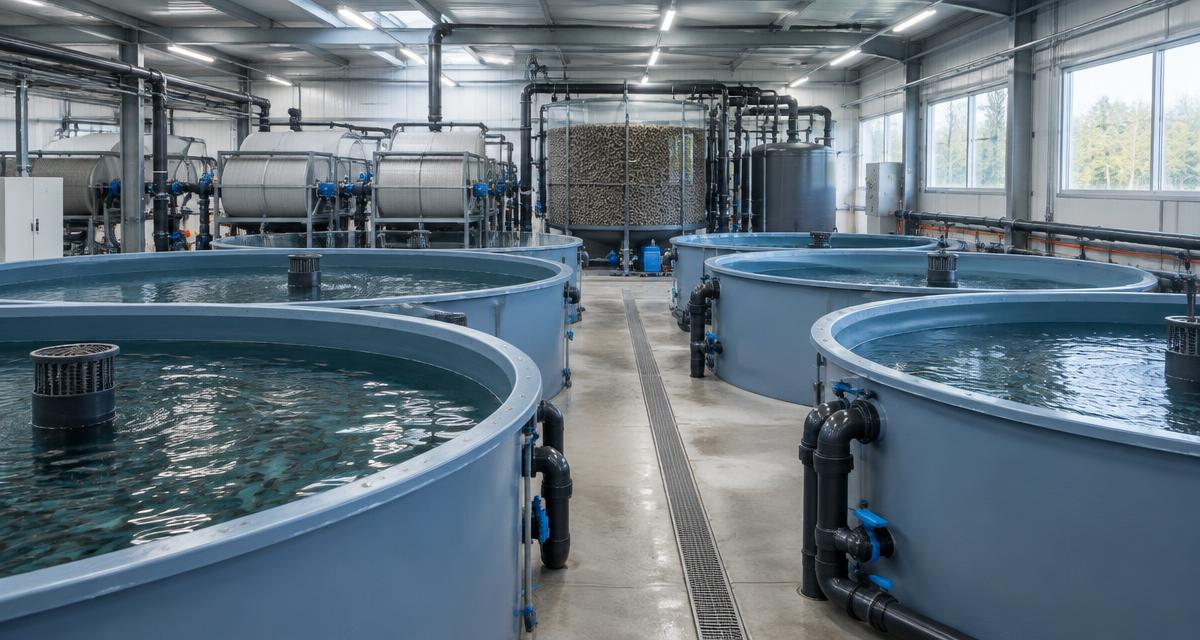
円形タンク、ドラムフィルター、バイオフィルターを備えた商業用RAS養殖場のホール

RAS養殖場の建設と運営にはどのくらいの費用がかかりますか?

RAS養殖場のコストは、生産量、魚種、サイトの条件によって大きく異なります。CAPEXには建物や水処理装置が含まれ、OPEXの大部分は飼料とエネルギーが占めます。正確な比較には、生産能力1トンあたりのコストと同じスコープでの見積もりが不可欠です。

Free RAS feasibility calculatorCheck CAPEX, payback and return for your project before you request quotes.Open the calculator

要約:商業用RAS養殖場に単一の価格はありません。コストは、年間の生産トン数、魚種、水温、サイト、電力、およびサプライヤーが土木工事をどれだけ含むかによって異なります。オファーを比較する際は、同じ生産計画と同じ範囲(スコープ)に基づいた年間生産能力1トンあたりのコストで比較し、以下のような公開されている範囲はすべて、見積もりではなく大まかな計画範囲として扱ってください。

RAS養殖場のコストはいくらですか?

購入者は通常、「RASシステムの価格」、「RAS養殖場のコスト」、または「RAS養殖場は1トンあたりいくらかかるか」を検索します。正直な答えは、生産計画が書面で作成されて初めて絞り込まれる範囲があるということです。同じトン数の2つの農場でも、一方は建物、孵化場、排水処理を含み、もう一方はタンクと水処理装置のみの価格であるため、コストが数倍異なることがあります。

そのため、サプライヤーに最初に尋ねるべきは価格ではなく、範囲(スコープ)です。その数値の中に何が含まれていて、購入者に何が残されているかを確認してください。酸素、バックアップ電源、または建物を含まない安価な見積もりは、決して安くはありません。

規模別の大まかな計画範囲

以下の範囲は、初期予算策定のための目安となる計画範囲です。これらはサプライヤーの見積もりではなく、土地代は含まれておらず、魚種、気候、および現地の建設コストによって変動します。これらを使用してプロジェクトが適切な桁数内にあるかを確認し、その後、実際の見積もりと置き換えてください。

パイロットまたは小規模商業用(年間約100~500トン):ターンキー施設の予算は、数百万USDになることが多いです。中規模(年間約1,000~3,000トン):数千万ドル。大規模な陸上養殖場(年間5,000トン以上):しばしば1億USDを大きく上回り、建物や土木工事が合計の大部分を占めます。

見積もりを依頼する前に、RASコスト計算機と商業用CAPEX計算機で独自の数値を実行し、どの項目を探すべきかを確認してください。

資金の使途:CAPEXの項目別内訳

完全なRAS予算には通常、以下のグループが含まれます。見積もりからグループが漏れている場合は、除外されているのか、単に記載されていないだけなのかを尋ねてください。

サイトと許可:土地、調査、水利権、排出許可、系統接続。建物と土木工事:スラブ、タンク基礎、建物外装、断熱、換気、排水。各段階の生産タンク。水処理:物理ろ過(ドラムフィルター)、バイオフィルター、CO2脱ガス、UVまたはオゾン。酸素:発生装置または液体酸素供給、コーンまたはディフューザー。温度制御:加熱または冷却。ポンプ、配管、バルブ。給餌システム。監視、アラーム、および制御ソフトウェア。自動切替機能付きバックアップ電源。排水および汚泥処理。魚の取り扱い、選別、収穫。エンジニアリング、設置、試運転、およびトレーニング。
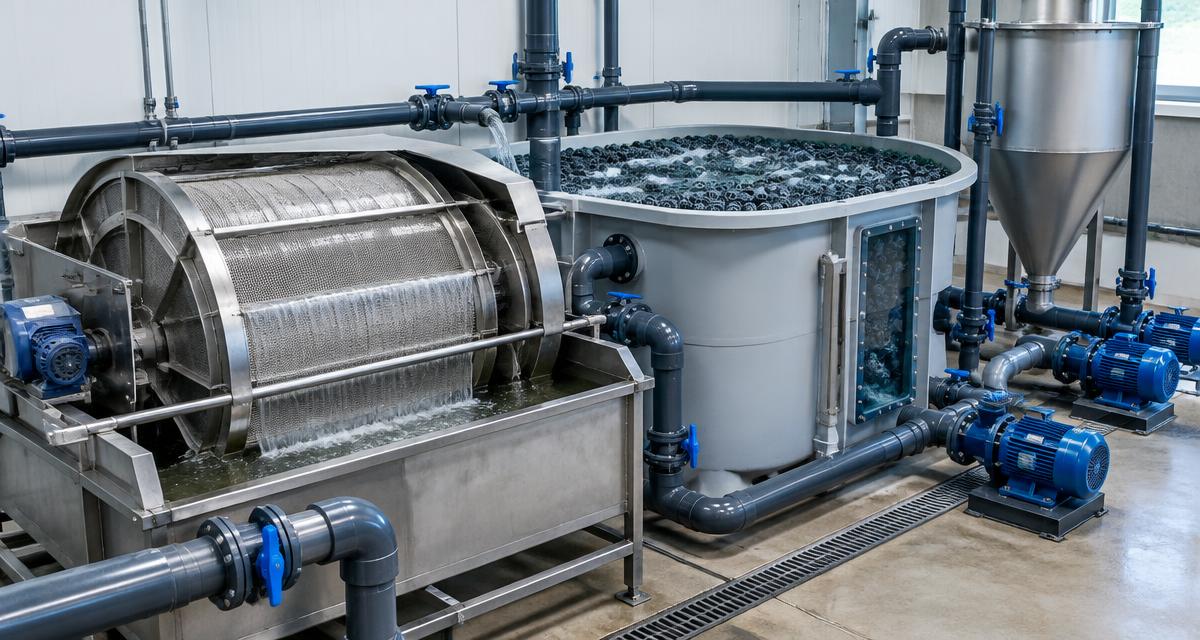
RAS水処理装置:ドラムフィルター、移動床バイオフィルター、ポンプ

価格を左右する要因

魚種と水温:サーモンやトラウトなどの冷水種は、ティラピアやエビなどの温水種とは異なる酸素、温度制御、および水処理が必要です。気候:暑い場所では冷却費用がかかり、寒い場所では加熱と断熱の費用がかかります。バイオセキュリティ:孵化場、ナーサリー、育成用にユニットを分けるとコストは上がりますが、病気のリスクは軽減されます。エネルギー戦略:系統の品質と価格によって、必要なバックアップ電源と効率化機器の量が決まります。放養密度と給餌負荷:ピーク時の1日あたりの給餌負荷によって、バイオフィルター、酸素、およびポンプのサイズが決まります。現地の建設コストと輸入関税。

運営費(OPEX):計画すべきこと

飼料、エネルギー、酸素、労働力、種苗、メンテナンス、保険、および死亡リスクの備えが主な運営費です。飼料は通常最大の項目であり、エネルギーは通常、池や生け簀よりもRASの方がはるかに大きくなります。他人のパーセンテージをコピーしないでください。各サプライヤーに、その設計が想定している魚1キログラムあたりのエネルギー使用量、飼料1キログラムあたりの酸素使用量、および人員計画を尋ね、それらの数値を運営費計算機に入力してください。

RASサプライヤーの見積もりを比較する方法

見積もりは総額ではなく、項目ごとに比較してください。各サプライヤーについて以下を書き留めます:年間生産能力とそれに基づいた給餌負荷;含まれるものと除外されるもの;配送条件(例:EXW、FOB、またはDAP);リードタイム;設置および試運転の時間;スペアパーツと現地サービス;サプライヤーが書面で約束する性能数値;および支払い条件。項目が不足している場合は、推測するのではなく「未記載」とマークしてください。

仮定が明確に記載された見積もりは、融資を受けやすくなります。貸し手や投資家も同じ質問をしますし、項目ごとの比較は後で時間を節約できます。オファーをスコアリングするための構造化された方法については、RAS入札正規化ツールを参照してください。

よくある予算作成の間違い

電力と水が確保される前にシステムを選択すること。バイオフィルターのサイズをピーク給餌日ではなく平均日で決めること。監視、アラーム、バックアップ電源を後回しにすること。試運転とフル稼働までの時間を過小評価すること。ターンキーの見積もりと機器のみの見積もりを同じものとして比較すること。これらはすべて、後で変更オーダーとして現れます。

RASか、より安価なシステムか?

RASが最も理にかなっているのは、気候、土地、水、またはバイオセキュリティによって安価なシステムが除外される場合、または市場が地元での通年供給に対して対価を支払う場合です。決定する前に、RASの数値をティラピア農場コストガイド、エビ農場コストガイド、およびサーモン農場コストガイドの代替案と比較してください。1トンあたりの資本は通常、池や生け簀よりもRASの方がはるかに高いため、その根拠は価格、市場アクセス、またはサイトの制約に基づく必要があります。

購入に関するよくある質問

小規模なRASシステムの費用はいくらですか?トン数と範囲によります。包含事項の完全なリストを添えて、年間生産能力1トンあたりの見積もりを依頼してください。1トンあたりの価格は比較の正しい方法ですか?はい、両方の見積もりが同じ魚種、収穫重量、および範囲を使用している限りにおいてです。RAS養殖場の建設にはどのくらいの時間がかかりますか?設計、許可、配送、および試運転を合わせると、1年以上かかることが多いです。各サプライヤーに書面によるスケジュールを求めてください。建物なしでRAS機器だけを購入できますか?はい、多くのサプライヤーが機器のみのパッケージを販売していますが、その場合、建物とのインターフェースはお客様の責任となります。

予算から見積もりへ

プロジェクトが商業用(通常は250,000 USD以上)である場合は、魚種、年間トン数、サイト、水源、および電力を記載した簡単なブリーフをお送りください。FishMatch Groupはすべてのリクエストを手作業で確認し、同じ範囲に対して比較可能なオファーを出せる一致するサプライヤーにアプローチします。サプライヤーと購入者の詳細は、進行を決定するまで非公開のままです。審査済みRFQを開始する。この記事は計画の指針のみを目的としており、エンジニアリング設計や財務上のアドバイスではありません。

関連情報:RAS農場機器チェックリスト ・ RASのコスト超過と範囲のギャップ ・ 機器融資。

他の言語

RFQ

Short answer

What do buyers need to know about RAS Farm Cost Guide?

RAS Farm Cost Guide affects both project cost and project risk, so it belongs in the specification stage rather than the purchasing stage. This page sets out what commercial buyers assess, what typically drives cost and lead time, and which questions to put to suppliers before signing. You can turn any of it into a confidential RFQ in a few minutes.

Who it is for:
Investors, operators and project developers specifying commercial systems
Cost drivers:
Capacity, water source, energy price, permitting and logistics
Next step:
Turn the requirement into a confidential RFQ
Cost to buyers:
No fee charged to the buyer
What do buyers need to know about RAS Farm Cost Guide?

RAS Farm Cost Guide affects both project cost and project risk, so it belongs in the specification stage rather than the purchasing stage. This page sets out what commercial buyers assess, what typically drives cost and lead time, and which questions to put to suppliers before signing. You can turn any of it into a confidential RFQ in a few minutes.

How does FishMatch Group source suppliers for this requirement?

You submit one structured request. We translate it into a technical RFQ, run it against qualified manufacturers and integrators in the relevant categories, and return normalised quotations you can compare side by side on scope, lead time and total cost of ownership.

Do buyers see supplier names during the sourcing process?

No. Supplier identities stay confidential during discovery and evaluation. You receive anonymised, comparable technical and commercial packages, and introductions happen only after both sides are qualified and agree to proceed.

Before you request quotes

Costs & budgeting

How much does a commercial fish farm cost to build?

Budget ranges depend on system type, not on country alone. Pond and cage projects are usually the lowest capital per tonne of annual output, while recirculating (RAS) projects carry the highest equipment and energy share because filtration, oxygenation and backup power are mandatory. Reliable numbers come from a sized bill of quantities — species, target tonnage, water source and grow-out temperature — not from a generic price list. Use the FishMatch calculators to size the project, then submit an RFQ so quotes are priced against the same specification.

What drives the price differences between aquaculture equipment quotes?

Most spread between quotes comes from scope, not from margin: included spares, installation and commissioning, control and automation level, materials (HDPE vs steel vs FRP), certification and testing, delivery terms (EXW vs CIF) and warranty length. Two quotes are only comparable when they answer the same specification. A structured RFQ fixes the scope so differences reflect real engineering choices.

What operating costs should a business plan include?

Feed is normally the largest recurring cost, followed by energy (highest in RAS), labour, fingerlings or post-larvae, health management, water treatment consumables and maintenance. Financing cost and working capital for the first production cycle are frequently underestimated. FishMatch cost tools separate CAPEX from OPEX so the payback assumption is visible rather than implied.

Equipment scope

What equipment does a commercial aquaculture project actually need?

A grow-out project typically needs holding infrastructure (tanks, ponds or cages), water movement (pumps, piping, valves), aeration or oxygenation, water treatment appropriate to the system, feeding equipment, grading and handling gear, monitoring and alarms, and backup power. RAS adds mechanical filtration, biofiltration, degassing, disinfection and tighter process control. Hatchery and processing scopes are specified separately.

Which equipment should be specified before requesting quotes?

Specify the items whose sizing changes everything downstream: design biomass and stocking density, water exchange or recirculation rate, oxygen demand at peak temperature, and installed pumping head. With those four fixed, suppliers can quote aeration, filtration, pumps and power on the same basis. FishMatch calculators produce these figures and attach them to the RFQ.

Can equipment be sourced in stages?

Yes, and phased procurement is common. The usual sequence is water supply and holding infrastructure, then aeration and treatment, then automation and monitoring, then processing and cold chain. Staging works when interfaces and capacity headroom are defined at the start; otherwise later phases force replacement rather than addition.