Traduction requise: Aquaculture Tank Types and Materials: A Buyer's Guide
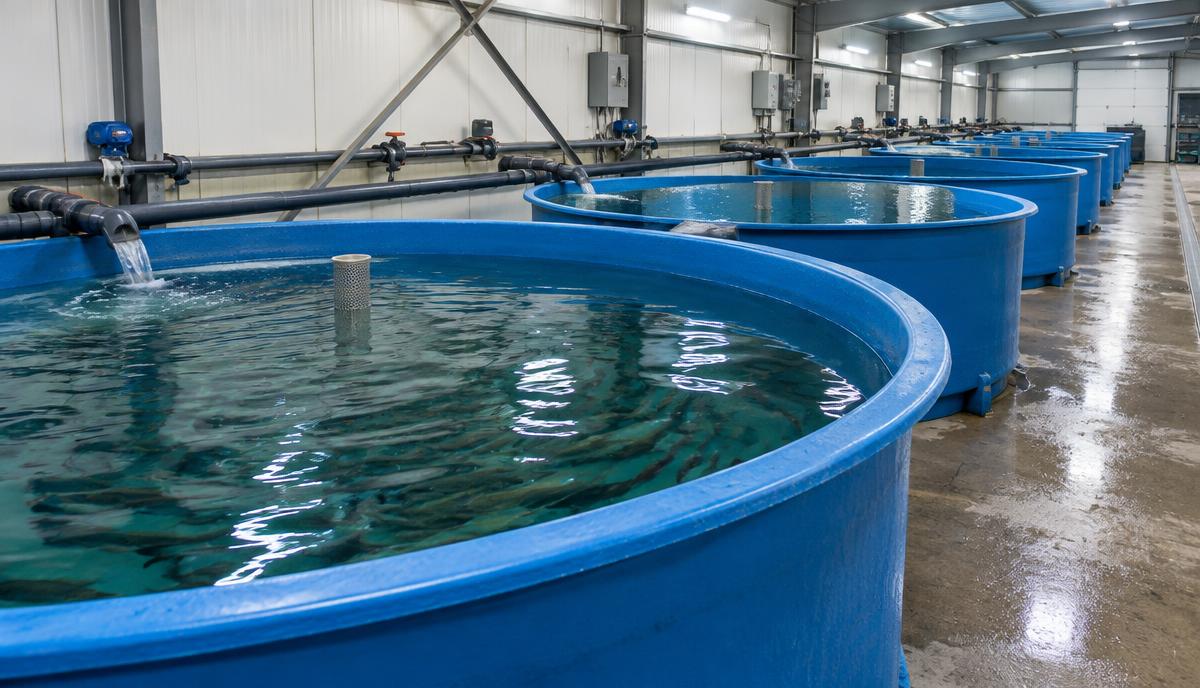
Traduction requise pour: Row of round fibreglass fish tanks

Traduction requise

Traduction requise

Calculateur gratuit de faisabilité RASVérifiez le CAPEX, le retour et le délai de récupération de votre projet avant de demander des devis.Ouvrir le calculateur

Traduction requise pour le paragraphe.

Traduction requise pour: What is the difference between fibreglass, HDPE and steel-frame lined tanks?

Traduction requise pour le paragraphe.

Traduction requise pour: When does concrete make sense versus modular tanks?

Traduction requise pour le paragraphe.

Traduction requise pour: Round or rectangular: which tank shape suits my species and flow design?

Traduction requise pour le paragraphe.

Traduction requise pour: What makes a tank genuinely self-cleaning in daily operation?

Traduction requise pour le paragraphe.

Traduction requise pour: What factors determine how long a tank will actually last?

Traduction requise pour le paragraphe.
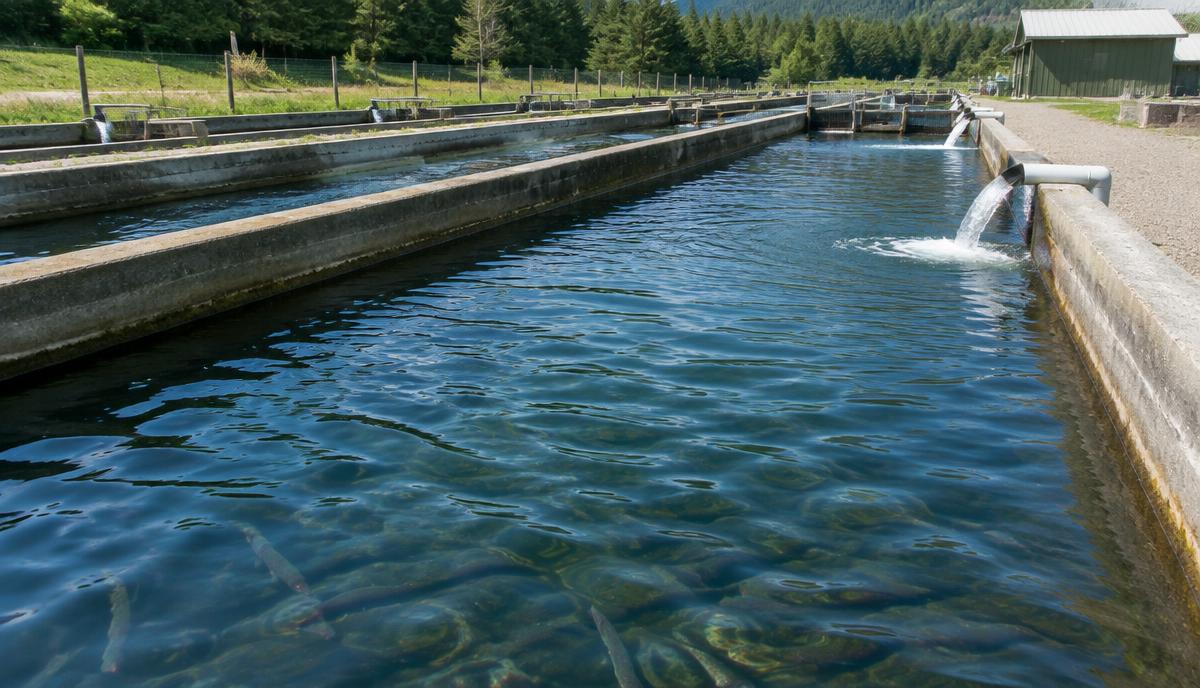
Traduction requise pour: Concrete raceways at a trout farm

Traduction requise pour: How do transport and site access affect tank choice and cost?

Traduction requise pour le paragraphe.

Traduction requise pour: What should a proper tank installation include beyond the tank itself?

Traduction requise pour le paragraphe.

Traduction requise pour: How do tank choices interact with filtration and water treatment design?

Traduction requise pour le paragraphe.

Traduction requise pour: How many tanks and what total volume should I be quoting for?

Traduction requise pour le paragraphe.

Traduction requise pour: How should I compare tank quotes that use different materials?

Traduction requise pour le paragraphe.

Traduction requise pour: Checklist

Traduction requise pour le paragraphe.

Traduction requise pour: Frequently asked questions

Traduction requise pour le paragraphe.

Traduction requise pour: How do FishMatch Group's calculators and reviewed RFQ help?

Traduction requise pour le paragraphe.

Traduction requise pour le paragraphe.

Autres langues

RFQ

Short answer

What do buyers need to know about Aquaculture Tank Types Materials Guide?

Aquaculture Tank Types Materials Guide affects both project cost and project risk, so it belongs in the specification stage rather than the purchasing stage. This page sets out what commercial buyers assess, what typically drives cost and lead time, and which questions to put to suppliers before signing. You can turn any of it into a confidential RFQ in a few minutes.

Who it is for:
Investors, operators and project developers specifying commercial systems
Cost drivers:
Capacity, water source, energy price, permitting and logistics
Next step:
Turn the requirement into a confidential RFQ
Cost to buyers:
No fee charged to the buyer

Before you request quotes

Equipment scope

What equipment does a commercial aquaculture project actually need?

A grow-out project typically needs holding infrastructure (tanks, ponds or cages), water movement (pumps, piping, valves), aeration or oxygenation, water treatment appropriate to the system, feeding equipment, grading and handling gear, monitoring and alarms, and backup power. RAS adds mechanical filtration, biofiltration, degassing, disinfection and tighter process control. Hatchery and processing scopes are specified separately.

Which equipment should be specified before requesting quotes?

Specify the items whose sizing changes everything downstream: design biomass and stocking density, water exchange or recirculation rate, oxygen demand at peak temperature, and installed pumping head. With those four fixed, suppliers can quote aeration, filtration, pumps and power on the same basis. FishMatch calculators produce these figures and attach them to the RFQ.

Can equipment be sourced in stages?

Yes, and phased procurement is common. The usual sequence is water supply and holding infrastructure, then aeration and treatment, then automation and monitoring, then processing and cold chain. Staging works when interfaces and capacity headroom are defined at the start; otherwise later phases force replacement rather than addition.